Joji Oka
Acting
Biography
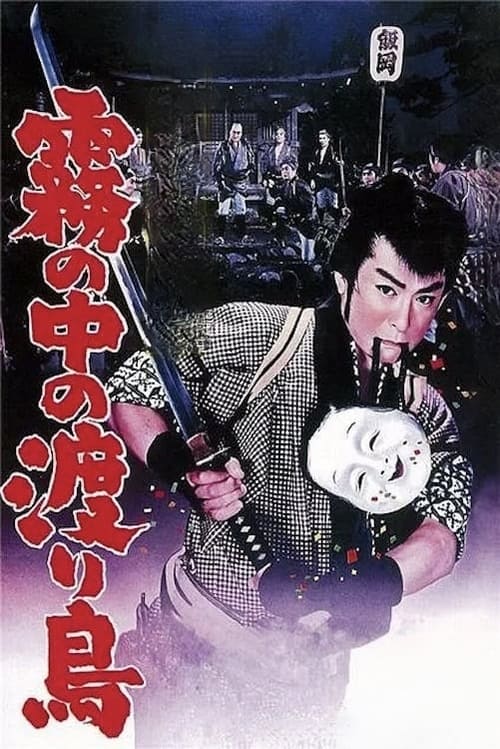
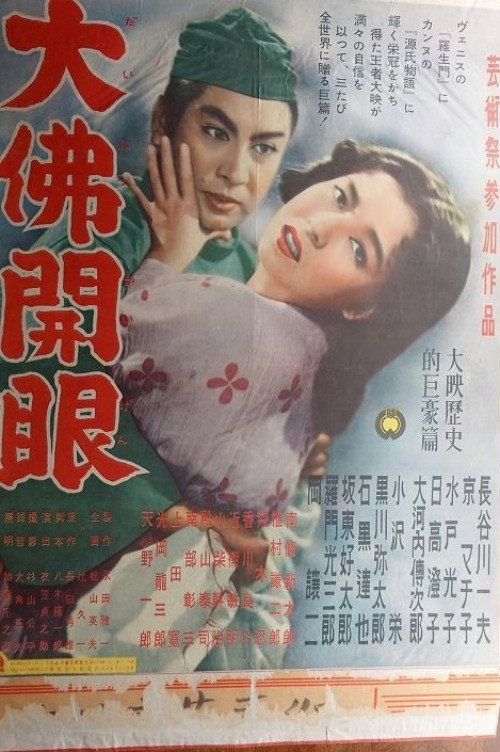
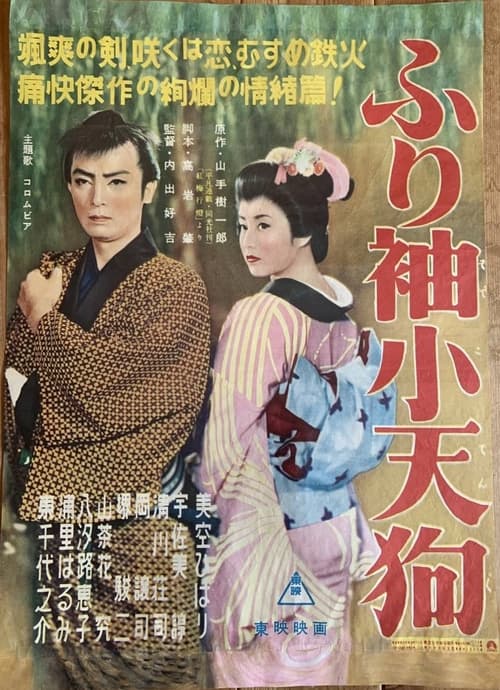
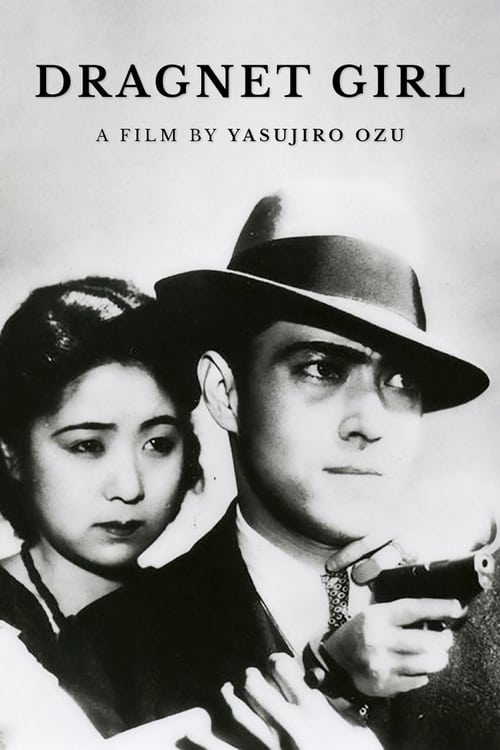
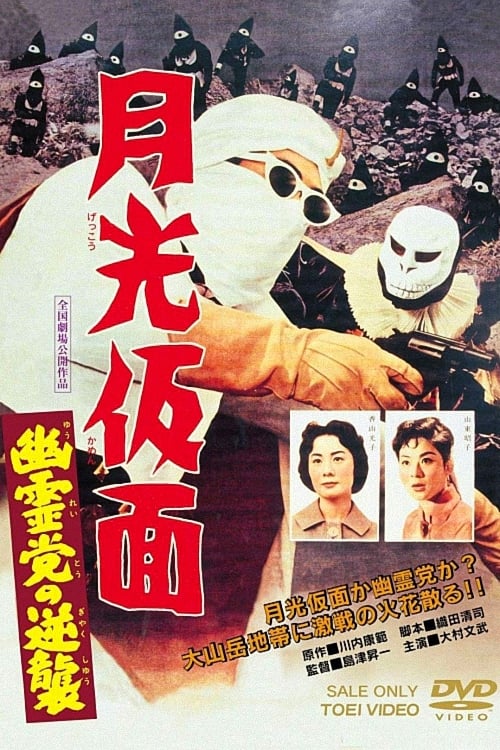
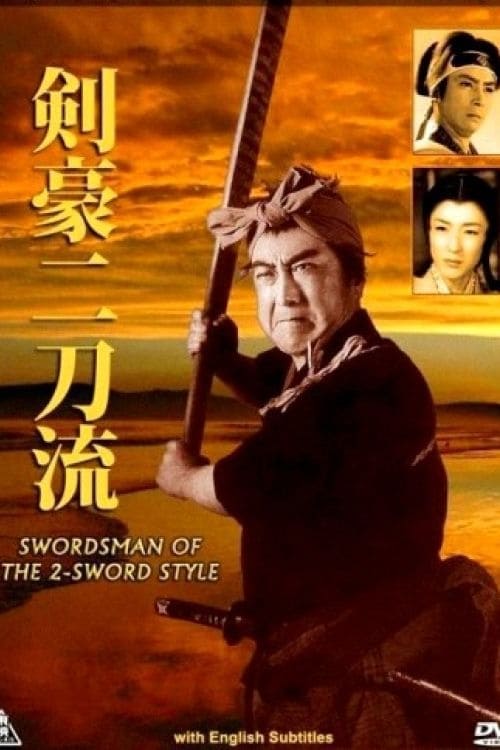
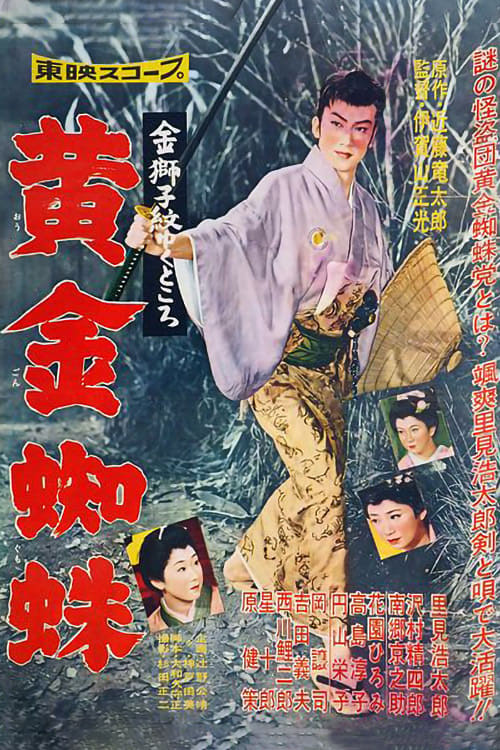
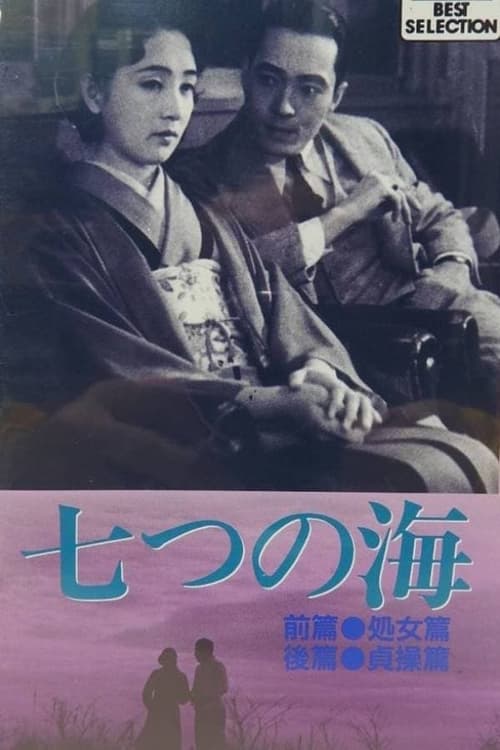
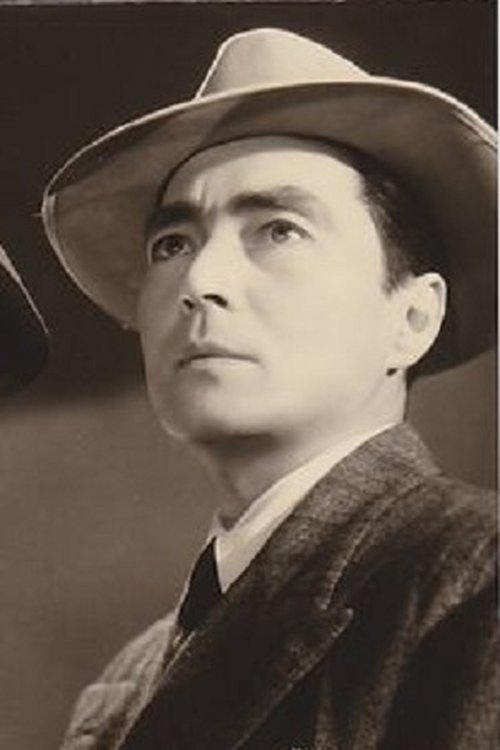
Joji Oka, born in Tokyo, Japan, on May 25, 1902, was a renowned Japanese actor celebrated for his versatile roles in the film industry. His given name was Katsuzo Nakamizo, and he also used alternate names, including Susumu Minobe. Oka embarked on his cinematic journey in the late 1920s, making his debut with the film "Ryuko no Maki Tora no Maki" in 1928. He rose to prominence as a leading actor in movies like "Akai Hi Aoi Hi" (Red Lights, Blue Lights) in 1929. His influence extended across silent and sound films, where he showcased his remarkable voice and talent. In the early 1930s, Oka encountered personal and professional challenges, including a romantic involvement with actress Ran Koizumi and a subsequent disappearance incident. Later, he joined Toho Studios, further solidifying his position as a leading actor. Notable works, such as "Shiroi Kinjo" (White Robes) in 1936, featured his exceptional talents. During World War II, Oka served in the Imperial Japanese Army while simultaneously pursuing his acting career. Following the war, he resumed his involvement in filmmaking and garnered recognition for his roles in movies like "Kanchi eizu Seiretsu" (The Ambitious Gang) in 1954. Oka's career spanned from the late 1920s to the late 1960s, showcasing his versatility and skill in various genres, encompassing modern drama, period pieces, and action films. He passed away on December 17, 1970, at the age of 68, leaving behind a legacy of memorable performances within the realm of Japanese cinema.