

Vous aimerez aussi
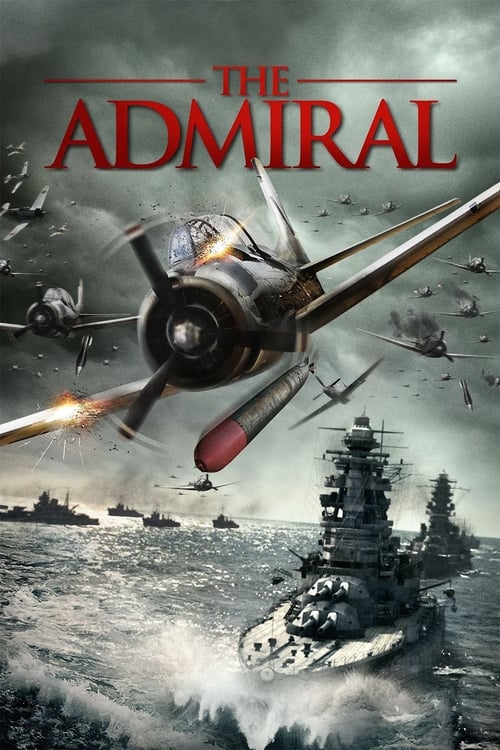
La vie de l'amiral Yamamoto Isoroku du début des années 1930 à sa mort aux mains de l'armée américaine en 1943.
L'amiral Yamamoto
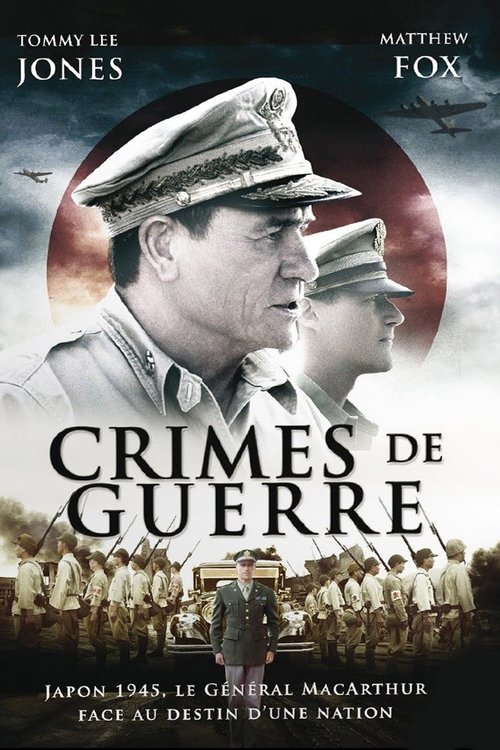
Après la capitulation japonaise, et tandis qu'il tente de retrouver son amour de jeunesse dans un pays dévasté, un général de l'équipe MacArthur est chargé de décider s'il faut juger et condamner l'empereur Hirohito pour crimes de guerre.
Crimes de guerre
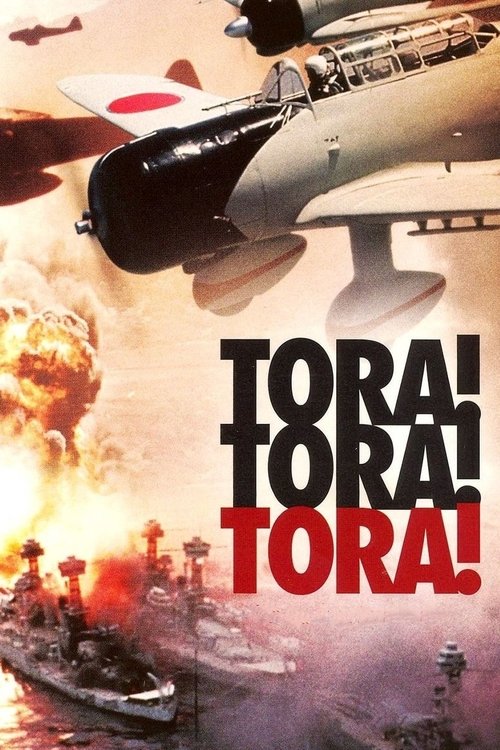
Matin du 7 décembre 1941. La base navale américaine de Pearl Habor, dans le Pacifique, s'éveille à peine. Les chasseurs de l'armée japonaise sont eux déjà en route pour ce qui restera dans l'Histoire comme l'une des attaques les plus meurtrières jamais commises contre les États-Unis.
Tora ! Tora ! Tora !
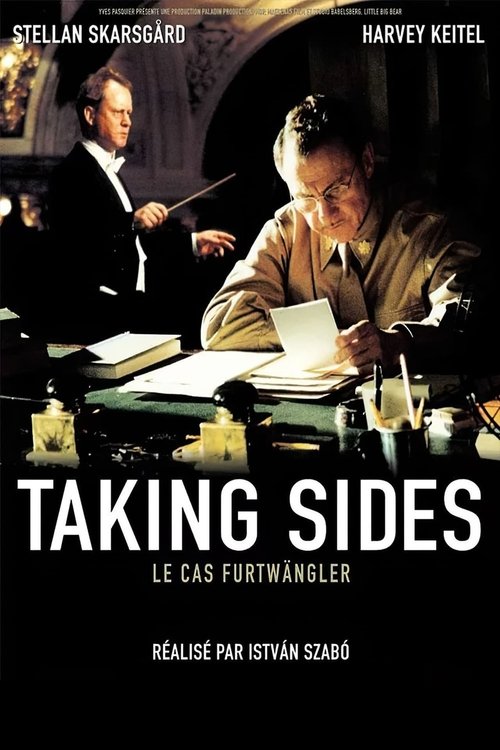
Dans l'Allemagne d'après-guerre, les Alliés organise une vaste campagne de dénazification, désignant et punissant les coupables et restaurant les valeurs démocratiques. C'est dans ce cadre que le major américain Steve Arnold est chargé d'enquêter sur l'implication du prestigieux chef d'orchestre Wilhelm Furtwängler dans le régime nazi. Devant faire du "cas Furtwängler" un exemple, il ne recule devant aucune forme de pression et d'intimidation.
Taking sides, le cas Furtwängler

A l'aube de la Seconde Guerre mondiale, Yūsaku Fukuhara, petit notable du port de Kobe décide de se rendre en Mandchourie. A son retour de Chine, il n'est plus le même, agit très étrangement. Sa femme s'interroge, la trompe-t-il ? Que s'est-il passé là-bas ?
Les Amants sacrifiés
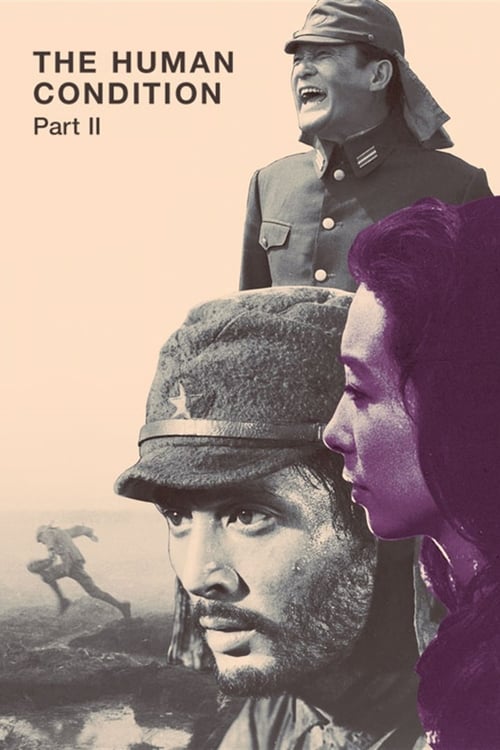
Partie 2 : Le Chemin de l’éternité — Nord de la Mandchourie. Kaji est incorporé à l’armée impériale du Kwantung. Simple soldat, il découvre que les jeunes recrues connaissent des traitements aussi inhumains que les prisonniers chinois de Lo Hu liang.. Il s’élève de nouveau contre cette barbarie. Le suicide d’un de ses camarades lui permet de porter plus haut et plus fort la voix des soldats. Pour se débarrasser de lui, ses supérieurs l’envoient au front. L’armée japonaise subit alors défaite sur défaite, et la débâcle s’annonce inéluctable.
La Condition de l’homme II
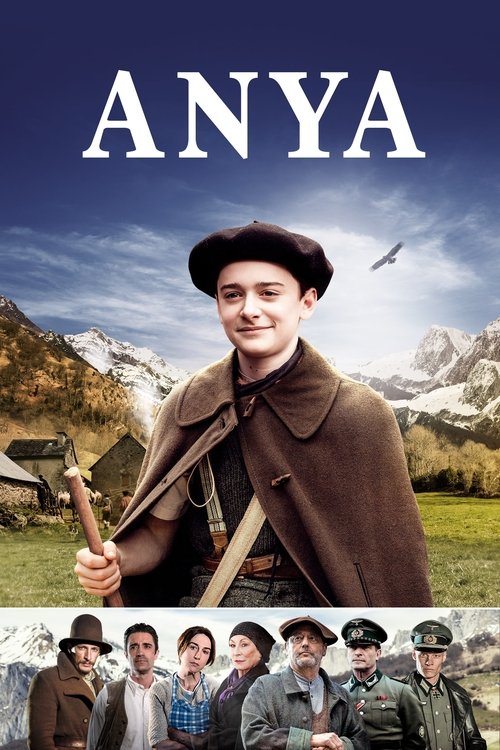
Sous l’occupation, Jo, un jeune berger des Pyrénées voit son existence bouleversée lorsqu’il découvre caché dans une ferme un homme qui attend sa fille Anya pour rejoindre l’Espagne. Cette rencontre lui ouvre les yeux sur les persécutions de la guerre. Avec la complicité de son grand-père, ils décident au péril de leur vie d’aider un groupe d’enfants juifs en fuite à passer la frontière. Une belle histoire d’humanité et de courage dans les splendides décors des Pyrénées.
Anya
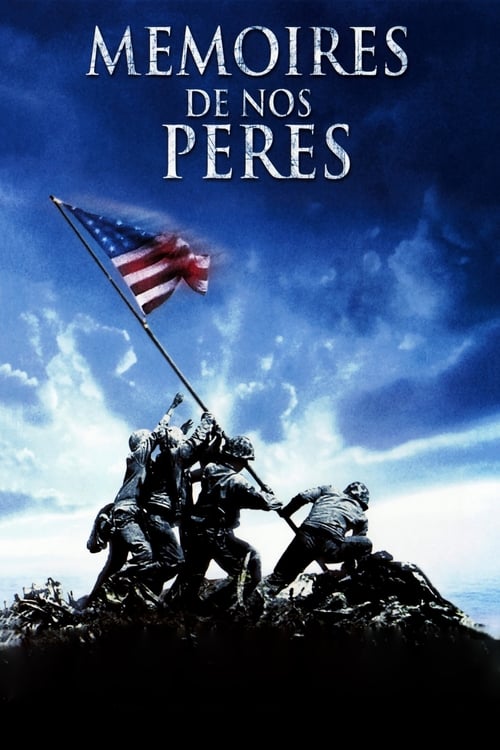
Au cinquième jour de la sanglante bataille d'Iwo Jima, cinq Marines et un infirmier de la Navy hissent ensemble le drapeau américain au sommet du Mont Suribachi, tout juste repris aux Japonais. L'image de ces hommes unis face à l'adversité devient légendaire en l'espace de quelques jours. Elle captive le peuple américain, las d'une guerre interminable, et lui donne des motifs d'espérer. Pour mettre à profit cet engouement, les trois "porte-drapeaux" sont livrés à l'admiration des foules. Leur nouvelle mission : servir leur pays en vendant les précieux Bons qui financent l'effort de guerre. Le laconique John "Doc" Bradley, le timide Amérindien Ira Hayes et le fringant Rene Gagnon se prêtent au jeu avec un dévouement exemplaire. Ils sillonnent sans relâche le pays, serrent des milliers de mains et prononcent des allocutions. Mais, en leur for intérieur, une autre bataille se livre…
Mémoires de nos pères
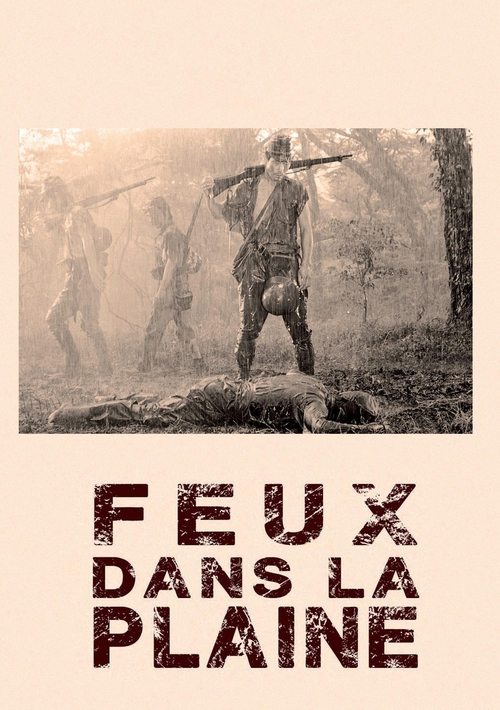
A la fin de la Seconde Guerre mondiale, le calvaire des derniers soldats japonais, pris entre les guérilleros philippins et les troupes américaines.
Feux dans la plaine

Juillet 1916, la guerre des tranchées fait rage. En quelques heures à peine, plus de 20 000 soldats britanniques sont tués dans la bataille de la Somme. Dans l’impasse, ils élaborent l’un des plans les plus audacieux de la première guerre mondiale : creuser un tunnel sous les tranchées allemandes et y déposer la plus grosse charge explosive jamais créée. Une équipe de mineurs est réquisitionnée pour l’occasion. Ils ne disposent que de quatre semaines pour accomplir cette périlleuse mission. L’Histoire les attend.
L'Enfer sous terre
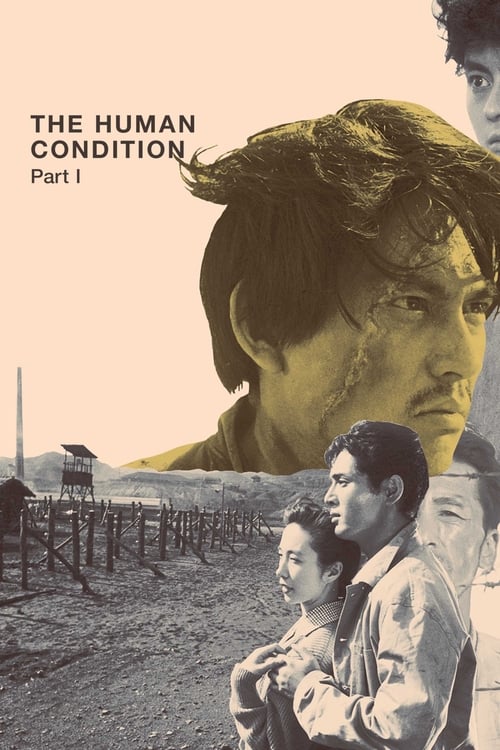
Partie 1 : Il n’y a pas de plus grand amour — 1943. Kaji (Tatsuya Nakadai) travaille pour une compagnie qui exploite des gisements de minerai. Il est envoyé à Lo Hu liang, dans le sud de la Mandchourie (état du Mandchoukouo), pour s’occuper des ouvriers chinois travaillant dans les mines de fer, qui sont bientôt rejoints par des hordes de prisonniers. Horrifié par les conditions inhumaines de travail, il tente de se battre pour améliorer leur sort mais rencontre l’hostilité de ses collègues et de sa hiérarchie. Alors qu’il s’oppose à l’exécution d’un prisonnier, Kaji est arrêté par la police, séparé de sa femme Michiko, torturé et mobilisé dans l’armée japonaise.
La Condition de l’homme I
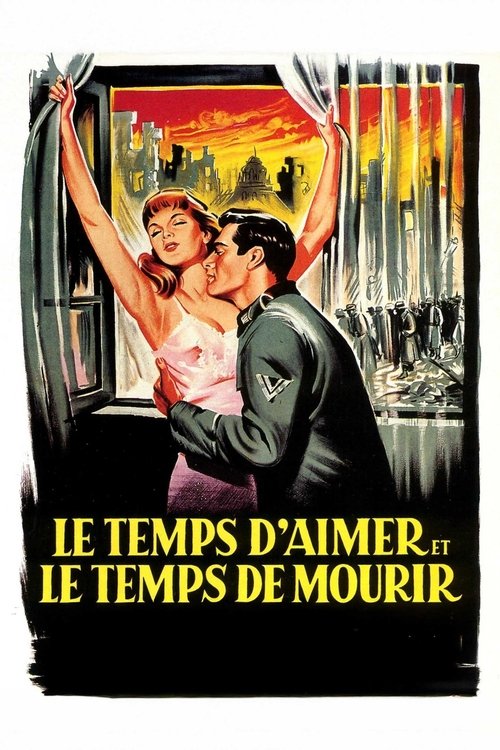
1944, Seconde Guerre mondiale. Ernst Graeber, un soldat allemand à peine sorti de l'adolescence, connaît les dures heures du front germano-russe avec son cortège d'horreurs. Revenant dans sa ville natale à l'occasion d'une permission, il la trouve en ruines. Ses parents ont disparu. Il ne retrouve que deux camarades d'enfance : Oscar Binding, devenu chef de district du parti nazi, et Elizabeth Kruse dont le père est interné dans un camp de concentration. La solitude rapproche Elizabeth et Ernst mais la guerre qui continue va bouleverser leur histoire.
Le Temps d'aimer et le temps de mourir
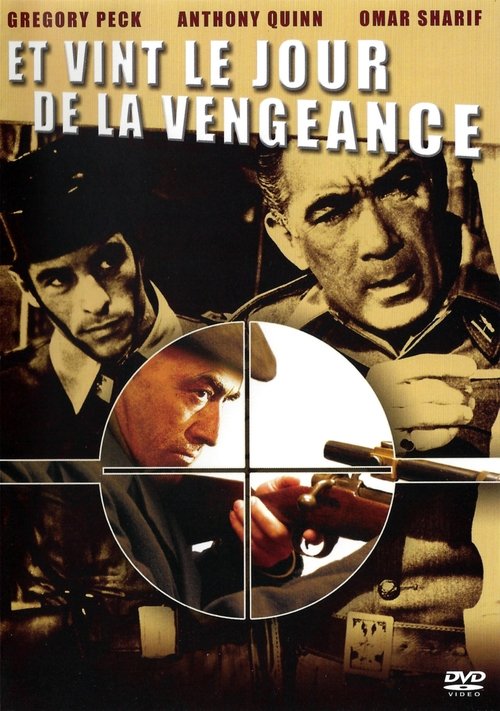
Vingt ans après la fin de la guerre civile espagnole, Artiguez, un ancien partisan républicain exilé en France, revient au pays au péril de sa vie. On lui a appris que sa mère se meurt et il veut la revoir. Ce dont il ne se doute pas, c'est qu'il s'agit d'un piège tendu par le redoutable chef de la police espagnole, Viñolas
Et vint le jour de la vengeance
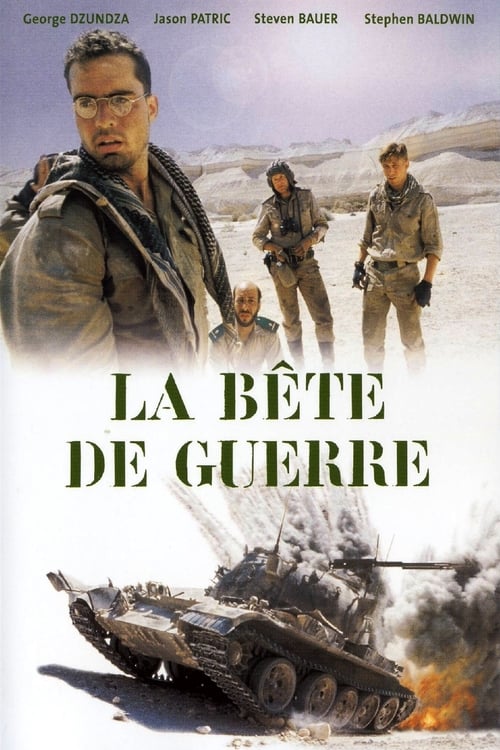
Lors de l'invasion de l'Afghanistan en 1981 par l'Armée Rouge, un char d'assaut soviétique se perd au-delà des lignes ennemies...
La Bête de guerre
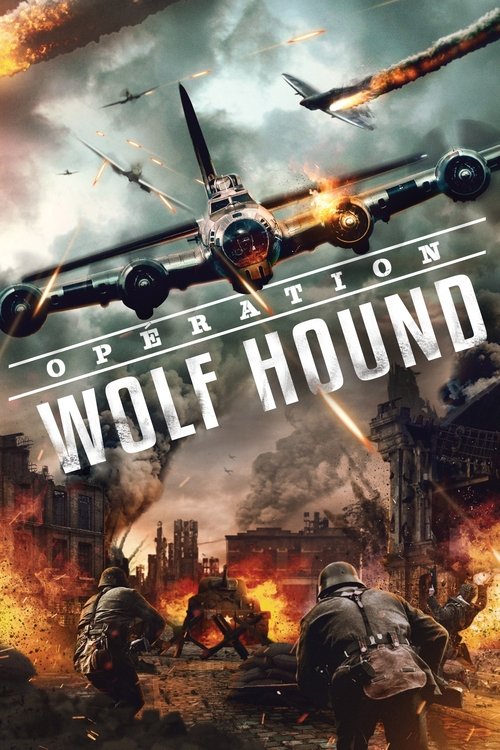
Lors d'une mission de reconnaissance au-dessus de la France occupée par les nazis, le pilote Holden est abattu avec un bombardier B-17. Il atterrit près d'un terrain d'aviation, où il apprend que les Allemands chargent l'avion portant la marque américaine d'une super bombe qui pourrait aider l'Axe à gagner la guerre. Holden doit alors échapper aux patrouilles de recherche et à un soldat nazi vengeur pour sauver l'équipage capturé et arrêter le complot apocalyptique.
Opération Wolf Hound
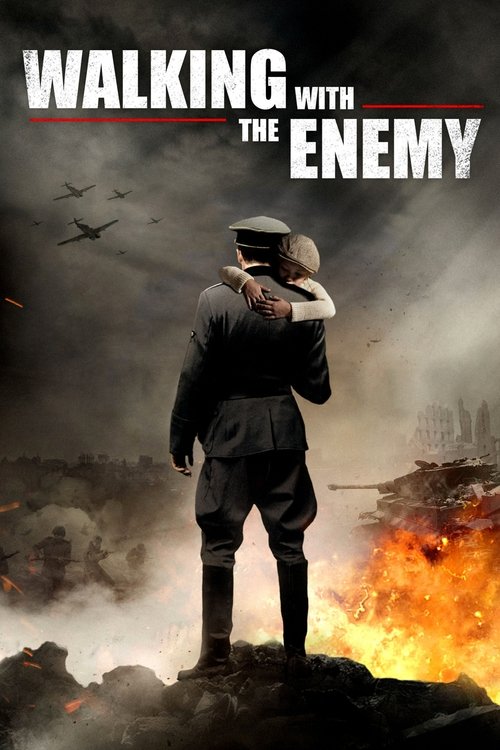
L'intrigue se base à Budapest et dans des villages avoisinants à la fin de l'occupation de la Hongrie par la Wehrmacht lors de la Seconde Guerre mondiale. L'histoire tout autour d'un jeune Juif hongrois, Elek Cohen, qui se fait passer pour un officier de la Schutzstaffel (SS) pour savoir ce qui est devenu de ces amis pendant la Shoah.
Walking with the Enemy
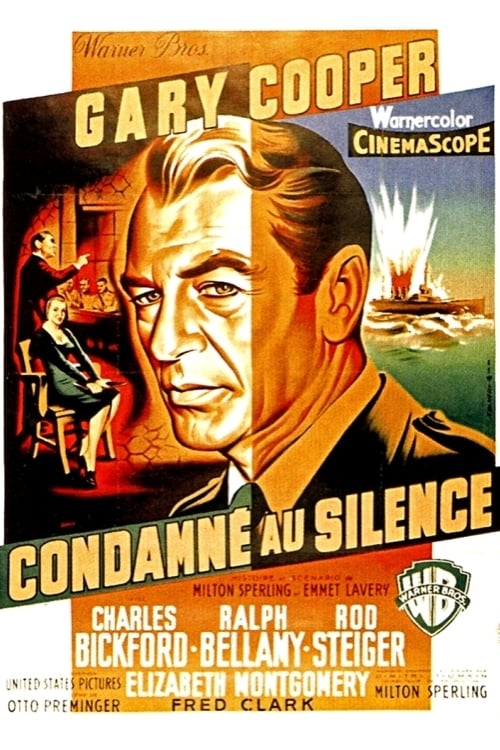
L'histoire vraie du général Billy Mitchell envoyé à la court-martiale par ses supérieurs pour avoir remis en cause leurs agissements pendant la première guerre mondiale. Ils auraient laissé le matériel aérien se déteriorer, causant la mort de nombreux hommes.
Condamné au silence
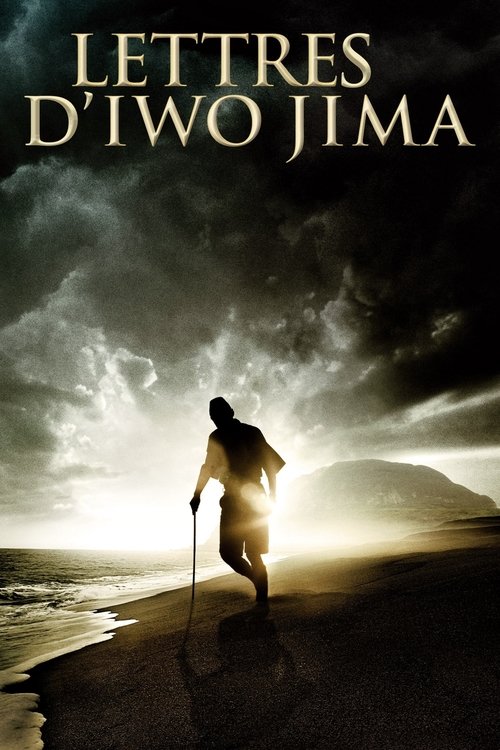
En 1945, les armées américaine et japonaise s'affrontèrent sur l'île d'Iwo Jima. Quelques décennies plus tard, des centaines de lettres furent extraites de cette terre aride, permettant enfin de donner un nom, un visage, une voix à ces hommes ainsi qu'à leur extraordinaire commandant. Les soldats japonais qu'on envoyait à Iwo Jima savaient que leurs chances de survie étaient quasi nulles. Animé d'une volonté implacable, leur chef, le général Kuribayashi, exploita ingénieusement la nature du terrain, transformant ainsi la défaite éclair annoncée en 40 jours d'héroïques combats. De nombreux soldats américains et japonais ont perdu la vie à Iwo Jima. Leur sang s'est depuis longtemps perdu dans les profondeurs du sable noir, mais leurs sacrifices, leur courage et leur compassion ont survécu dans ces Lettres.
Lettres d'Iwo Jima
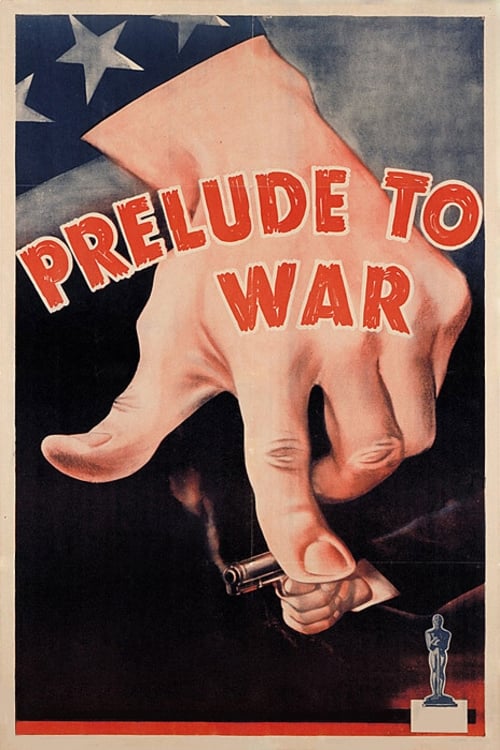
Oscar® du meilleur documentaire en 1943, ce film est le premier de la série Pourquoi nous combattons produite par le Département de la Guerre américain. L’objectif est de décrire et d’expliquer les événements qui ont poussé les États-Unis à entrer en guerre. Les systèmes totalitaires et répressifs allemands, italiens et japonais sont décryptés et opposés à la grande puissance démocratique des États-Unis.
Pourquoi nous combattons : Prélude à la guerre
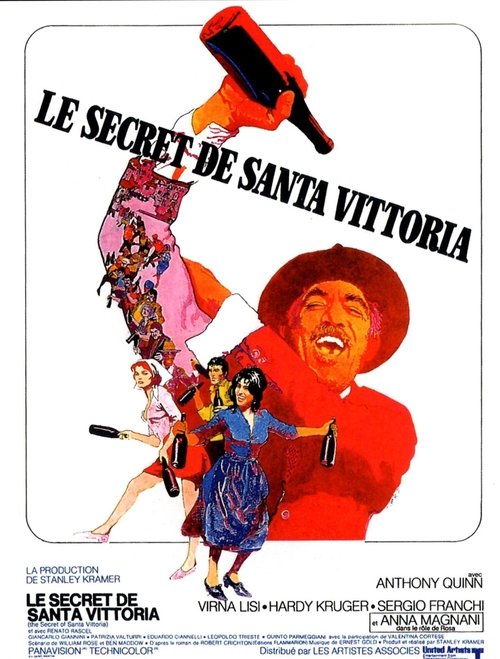
Pendant la Seconde Guerre mondiale en Italie, un village viticole cache un million de bouteilles aux Allemands.