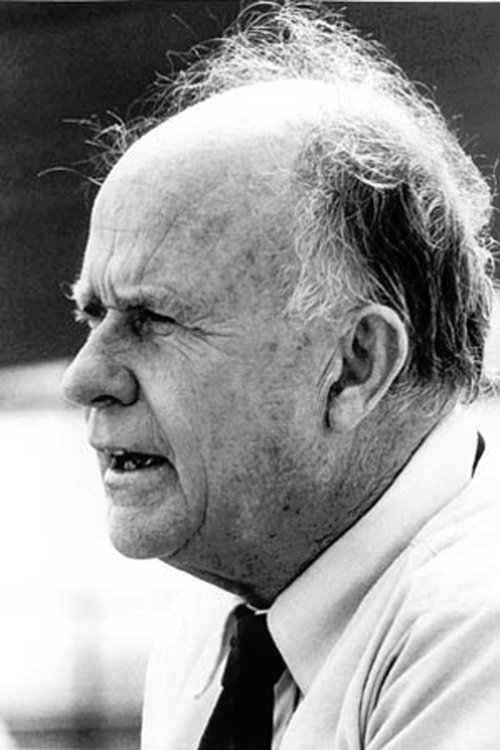
Jean Rouch, Primera Película: 1947-1991
Synopsis
Vous aimerez aussi

En 1974, le réalisateur franco-chilien Alejandro Jodorowsky se lance dans le projet chimérique d'adapter au grand écran le roman influent de Frank Herbert, « Dune » (1969). Après avoir investi deux ans et des millions de dollars, ce projet gigantesque se solde par un échec ; mais les artistes réunis par Jodorowsky pour le mener à bien continuent à travailler ensemble et finissent par jeter les bases du cinéma de science-fiction moderne.
Jodorowsky's Dune

Burden of Dreams est un documentaire réalisé par Les Blank en 1982. Filmé en Amérique du sud, il met en scène les principaux artistes impliqués dans la réalisation de Fitzcarraldo : Claudia Cardinale, Werner Herzog, Mick Jagger, Klaus Kinski et Jason Robards.
Burden of Dreams

Lost in la mancha dévoile les coulisses d'un film inachevé, intitulé L'Homme qui tua Don Quichotte. Pendant plusieurs semaines, Keith Fulton et Louis Pepe ont suivi le réalisteur Terry Gilliam dans son combat désespéré pour sauver un projet qu'il développait depuis plus de dix ans.
Lost in La Mancha
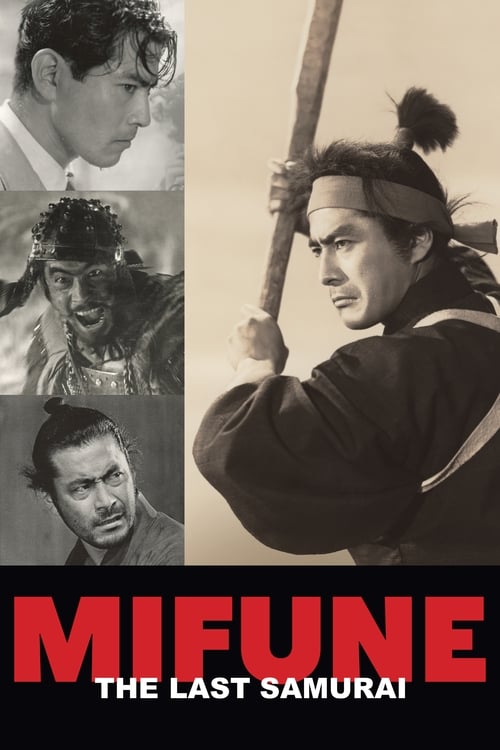
Un récit de la vie et de l'œuvre du légendaire acteur japonais Toshirō Mifune (1920-97), l'acteur le plus en vue de l'âge d'or du cinéma japonais.
Mifune, le dernier des samouraï
An intimate documentary delving into Rian Johnson's process as he comes in as a director new to the Star Wars universe.
The Director and the Jedi
Focus sur la vie de John Milius.
Milius
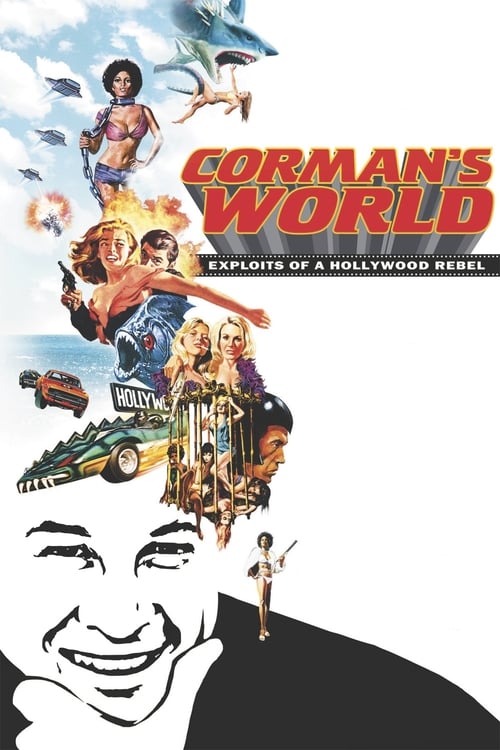
Le documentaire d’Alex Stapleton visite la carrière de Roger Corman, l’homme capable de réaliser ou de produire des films en trois jours, à qui l’on doit également le lancement des carrières de Jack Nicholson, Martin Scorsese, Monte Hellman et de nombreuses autres personnalités du cinéma américain.
Le Monde de Corman

A travers le prisme de son inoubliable performance dans le rôle d'Andy Kaufman, Jim Carrey s'interroge sur le sens de la vie, la réalité, son identité et sa carrière.
Jim et Andy
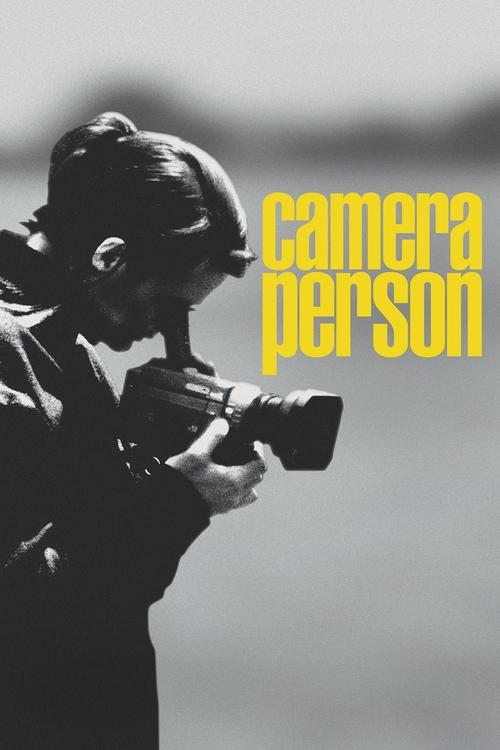
Kirsten Johnson, directrice de la photo depuis plus de 25 ans (ayant travaillé sur des documentaires tel que Citizenfour, La Guerre Invisible, The Oath et de nombreux autres), partage avec nous un journal composé de rushes de ses nombreux tournages, pour tenter de comprendre ce que signifie le fait de voir le monde à travers un objectif..
Cameraperson
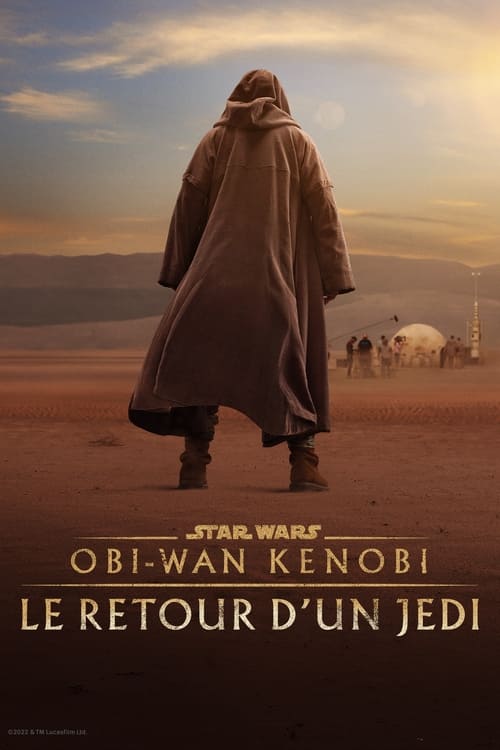
Cette émission spéciale explore les coulisses du retour d'Obi-Wan Kenobi et d'Anakin Skywalker à l'écran, ainsi que d'Ewan McGregor et Hayden Christensen dans leurs rôles emblématiques. La réalisatrice Deborah Chow dirige les acteurs et l'équipe alors que de nouveaux héros et méchants voient le jour aux côtés de nouvelles incarnations des personnages iconiques de Star Wars. Cette histoire épique fait le pont entre les films de la saga.
Obi-Wan Kenobi : Le retour d'un Jedi
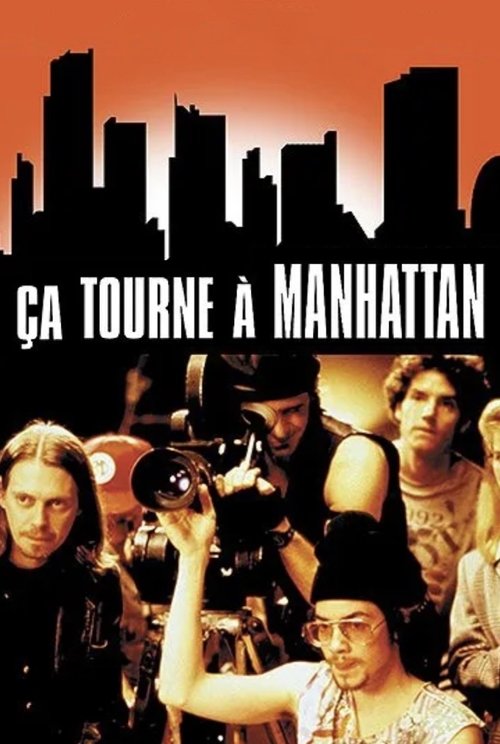
Les mésaventures d'une équipe de cinéma lors du tournage d'un film indépendant à petit budget.
Ça tourne à Manhattan
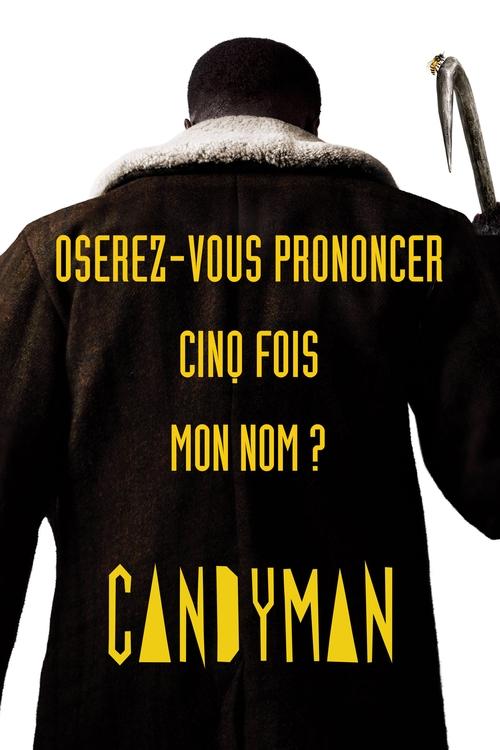
Remake du film d'épouvante Candyman, dont le scénario a été écrit par Bernard Rose (1992), d'après la nouvelle de Clive Barker, The Forbidden. Les habitants de Cabrini Green, une des cités les plus insalubres de Chicago, ont toujours fait circuler une effroyable légende. Cette légende est celle d’un tueur tout droit sorti de l’enfer, ayant un crochet en guise de main, qui pourrait apparemment être invoqué, très facilement, par qui l’oserait : il suffit de répéter son nom cinq fois devant un miroir. Dix ans après la destruction de la dernière tours de Cabrini Green, l’ancienne cité a été complètement nettoyée et reconvertie en résidence réservée à une classe sociale jeune et aisée. C’est là que l’artiste peintre Anthony McCoy et sa petite amie Cartwright, directrice de galerie d’art, emménagent dans un luxueux appartement.
Candyman
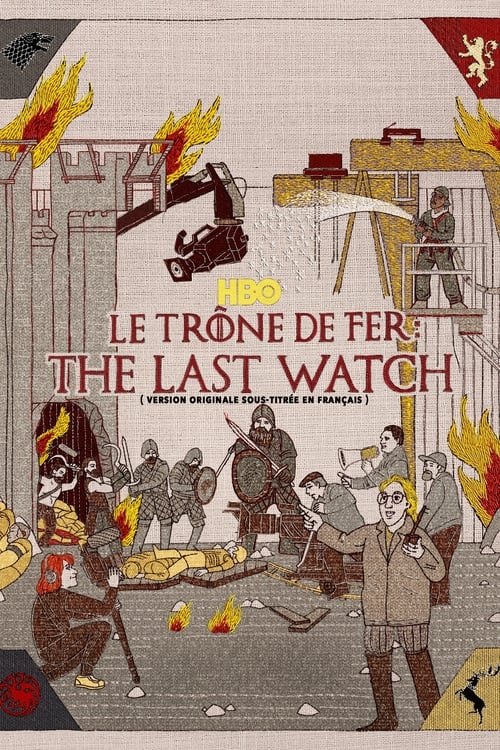
Un documentaire retraçant le tournage de la huitième et dernière saison de Game of Thrones.
Game of Thrones: The Last Watch
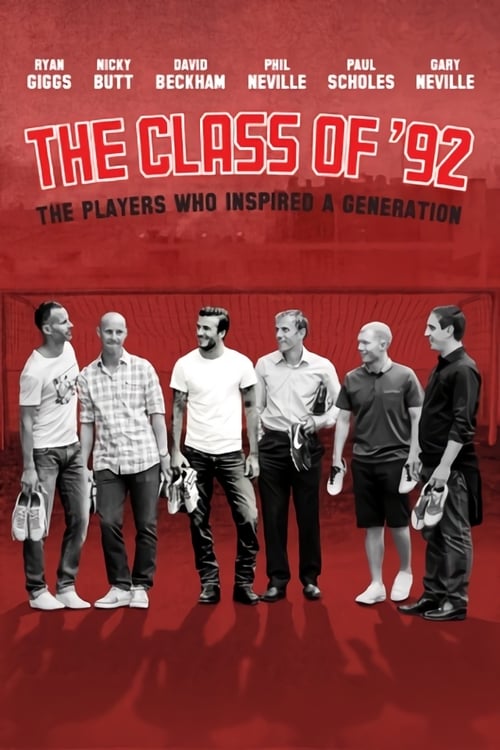
L'histoire de six garçons issus de la working-class anglaise de la banlieue de Manchester qui intègrent l'équipe de foot de leur ville en 1992.
The Class of ‘92
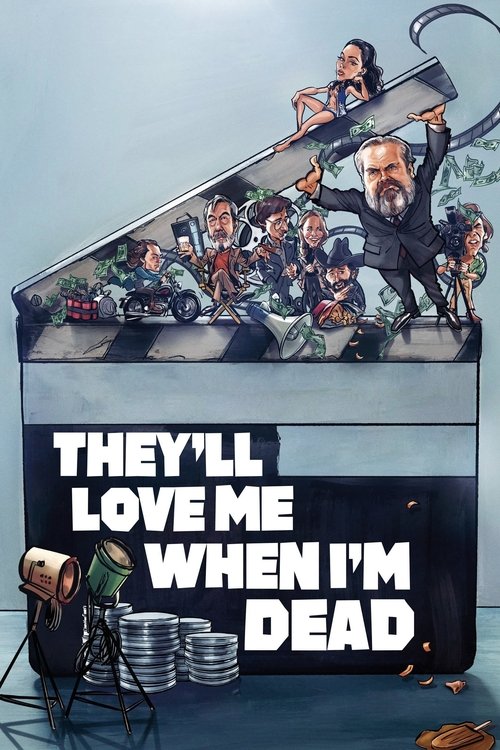
Ce documentaire passionnant s'intéresse au film "The Other Side of the Wind" sur lequel Orson Welles a travaillé pendant une décennie avant sa mort sans le terminer.
Ils m'aimeront quand je serai mort
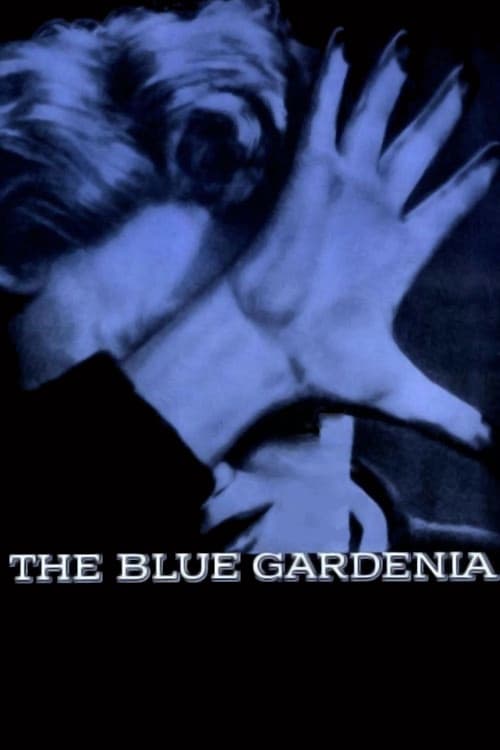
Norah Larkin est une jolie opératrice de téléphone qui attend avec impatience le retour de John, un soldat engagé en outre-mer avec lequel elle doit se marier. Le soir de son anniversaire, elle reçoit une lettre de John lui apprenant qu'il ne pourra pas l'épouser. En larmes, elle répond à un appel téléphonique de Harry Prebble, un collègue de travail, qui la confond avec sa sœur et l'invite à dîner. Déprimée, Norah accepte le rendez-vous au Blue Gardenia. Harry, qui aime les jolies femmes, ne se laisse pas démonter par son erreur et dîne avec Norah. Il saoule la jeune femme avant de l'emmener à son appartement où il tente d'abuser d'elle. Norah résiste et le frappe avec un tisonnier avant de s'enfuir, laissant derrière elle ses chaussures et un gardénia bleu qu'Harry lui avait offert. Le lendemain matin, Norah est incapable de se souvenir de ce qui s'est produit.
La Femme au gardénia
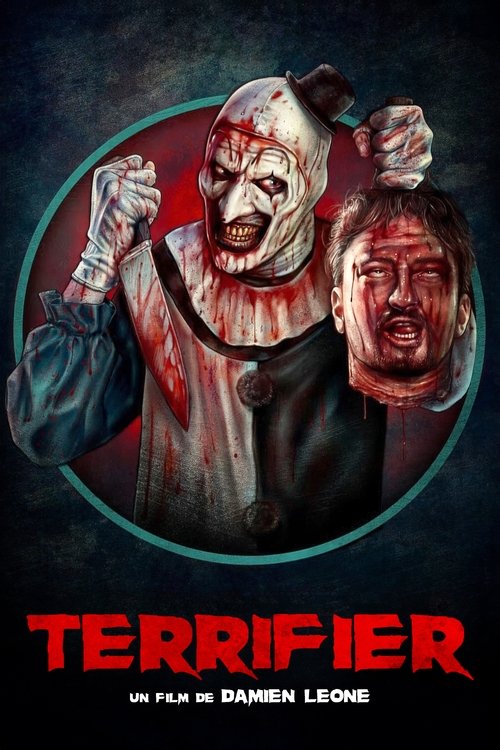
C'est la nuit d'Halloween dans une petite ville américaine. Un grand clown dégingandé et mutique, tout habillé de blanc et de noir, s'installe à une table dans une pizzeria, portant un gros sac poubelle. Il s'attaque alors à plusieurs jeunes femmes qui tentent tant bien que mal de lui échapper. Ce meurtrier psychopathe déguisé en clown prend un plaisir sadique à mutiler atrocement toutes ses victimes.
Terrifier
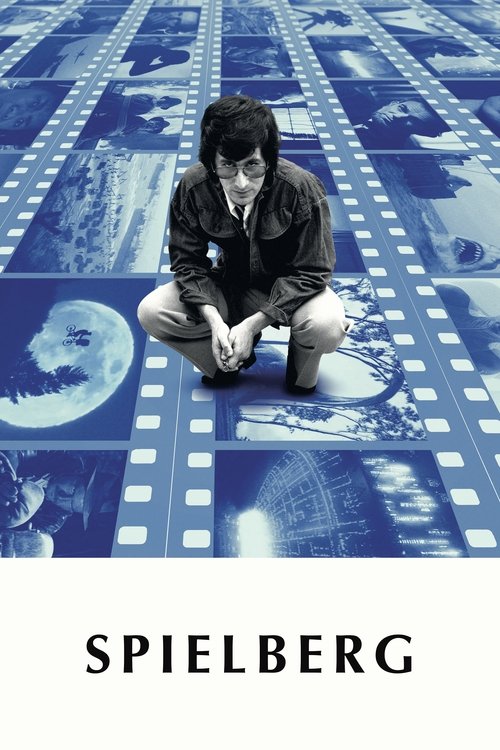
Un documentaire sur la vie et la carrière de l'un des réalisateurs les plus influents de tous les temps, Steven Spielberg. Ce documentaire, qui comprend des entretiens avec Steven Spielberg lui-même, nous raconte la carrière longue de 50 ans du réalisateur et nous donne un aperçu de la part de ses proches notamment J.J. Abrams, Christian Bale, Drew Barrymore, Cate Blanchett, Francis Ford Coppola, Daniel Craig, Daniel Day-Lewis, Brian de Palma, Laura Dern, Leonardo DiCaprio, Richard Dreyfuss, Ralph Fiennes, Harrison Ford, David Geffen, Tom Hanks, Dustin Hoffman, Holly Hunter, Jeffrey Katzenberg, Ben Kingsley, Kathleen Kennedy, George Lucas, Liam Neeson, Martin Scorsese, Oprah Winfrey et Robert Zemeckis
Spielberg
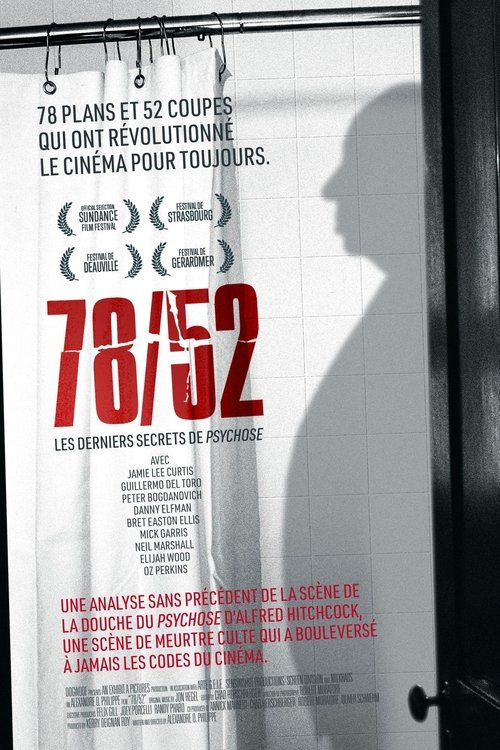
Documentaire au sujet de la conception, le tournage et l'impact de la célèbre scène de la douche du long-métrage « Psychose » dans laquelle le personnage incarné par Janet Leigh est sauvagement assassiné à coups de couteau a traumatisé plusieurs générations de téléspectateurs. Pour obtenir le rendu désiré, Alfred Hitchcock a tourné cette scène de quarante-cinq secondes sur sept jours. Essentiel, le montage, qui comporte 78 plans et 52 coupes, contribue grandement à la violence de la séquence. En perte de repère, le spectateur se met tour à tour dans la position de la victime et du voyeur. Ce documentaire captivant mélange histoire, psychanalyse, sociologie et analyse filmique. Agémenté de témoignages vif et éclairants, c'est une réalisation ludique et rafraichissante.
78-52 : Les Derniers Secrets de Psychose
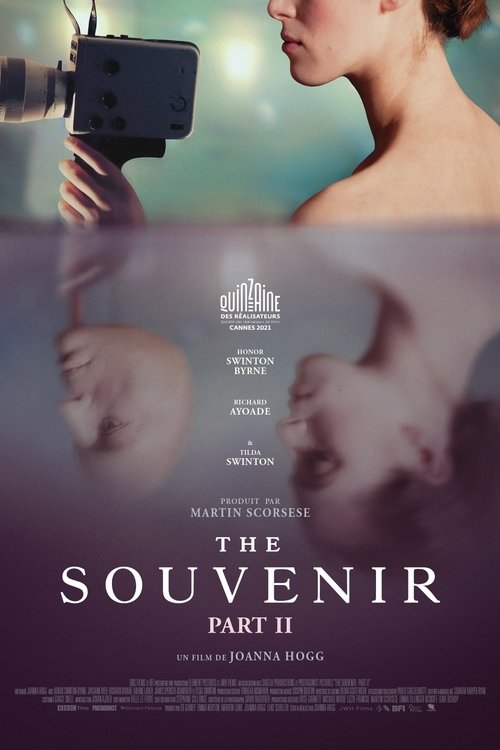
Sortant d’une relation éprouvante avec un homme séduisant et manipulateur, Julie tente de démêler l’écheveau de ses sentiments à travers son film de fin d’études, cherchant à faire la lumière sur l’existence fictive que cet homme s’était inventée. Chatoyante chronique d’un premier amour et récit d’apprentissage, THE SOUVENIR PART II dresse un portrait d’artiste qui sublime les fragments du quotidien, où réminiscence et fantasme se mêlent au point de fusionner.
The Souvenir: Part II
Avis & Notes
Connectez-vous pour donner votre avis
Partagez votre opinion avec la communauté.