Directing
This exhibition focuses on Jonas Mekas’ 365 Day Project, a succession of films and videos in calendar form. Every day as of January 1st, 2007 and for an entire year, as indicated in the title, a large public (the artist's friends, as well as unknowns) were invited to view a diary of short films of various lengths (from one to twenty minutes) on the Internet. A movie was posted each day, adding to the previously posted pieces, resulting altogether in nearly thirty-eight hours of moving images.
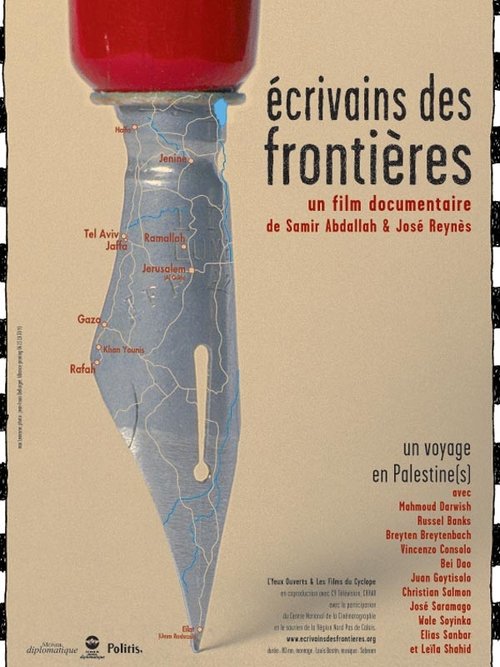
Following the appeal of the Palestinian poet Mahmoud Darwish, founding member of the International Parliament of Writers besieged in Ramallah, a delegation of writers went there to demonstrate alongside the Palestinians a "beautiful linguistic collaboration" in these "high places of spirituality” (Ramallah in Arabic) where the Israeli program of humiliation is also a “verbicidal war”. “We want to listen and make other voices heard in the din of war, that of writers, artists, academics, all those who are preparing for the future... Opposing the logic of war, not a force of "interposition but INTERPRETATION FORCES", says the French writer Christian Salmon, member of this international delegation.
The first film in Jean Rouch's filmography is not his first film at all. It was edited by a French news company, using images he had shot but organised into a very different sequence from his own. On top of that, it was accompanied by a colonialist commentary said by a sports reporter! As we watch, Jean Rouch ad-libs a new commentary more in keeping with his images, and so, in 1991, he finally finishes his first film! - Dominique Dubosc
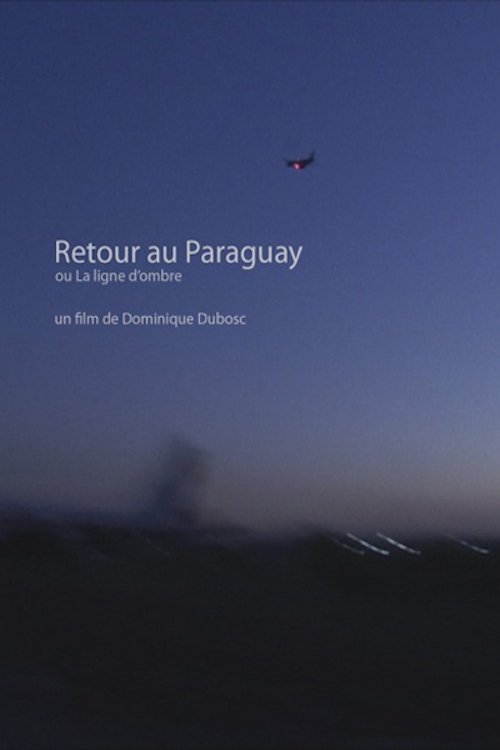
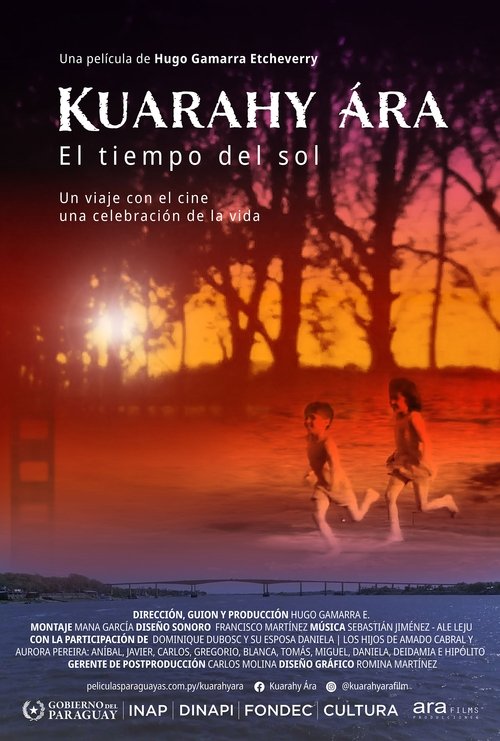
Veteran French doc director Dominique Dubosc revisits the South American country where he taught ethnology, made his first films and got a taste of life under a military dictatorship.
No description available.
You don't need to look all the way to the end: there isn't one.
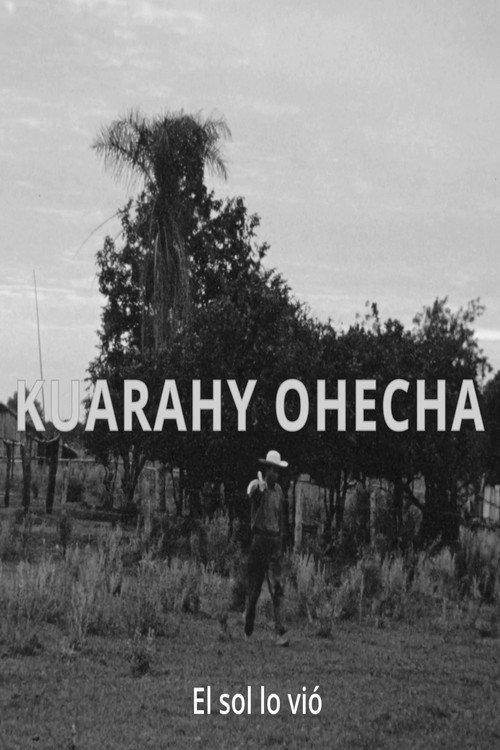
A day in the life of a Franciscan peasant family in Paraguay in 1968, depicting the Cabral family's gestures, attitudes, small daily events, affective relationships, and dignity.
Days of Our Death is a documentary about workers in an army occupied tin mine in Bolivia. The film alternates between showing the men, women, and children of the community at work and going to school and showing a street celebration. Narration over the scenes of work consist of sentences written by the children in school exercise spoken in Spanish and repeated in French.
These ten stories (dreams, urban legends, letters from prison, testimonies…) were filmed in Palestine from 2001 to 2008
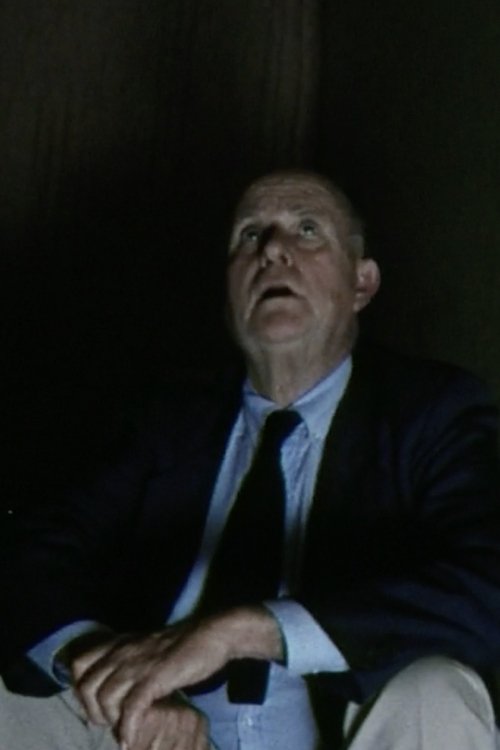
From January 16 to February 28, 1991, I experienced the Gulf War like an endless nightmare. I only left it when I arrived in New York where I was to meet the poet and filmmaker Jonas Mekas. Instead of making a film about Mekas, I only celebrated this newfound life, as if it were the only response I could make to the war.
In a country that has been occupied for decades, a couple of puppeteers continue to bring a little joy from village to village. The children laugh, perhaps still unaware of the gravity of the situation. The central section is devoted to a visit to the refugee camp of Dheisheh.
As its title suggests, The Sleep of Reason is a film about human madness. The reference to Goya is assumed, but only halfway or in half-tone: we don't see the monsters. The emphasis is on what precedes it: sleep, not the absolute nightmare it produces. The film is very simply a series of tableaux and little tales in the style of Kafka: ordinary stories in the ordinary world of colonization and madness. Beyond a short introduction, I've tried to say nothing. The three-line texts that come before each painting are like chapter headings in the novels of yesteryear: where we shall see - where we shall see that... We only see it in the body of each chapter, i.e. in the pictures.
"I always hoped that one day my father would write me a letter telling me where he had hidden his love for me. But then he died and I never received the letter." As part of a series commissioned by French TV station ARTE in which 18 filmmakers were asked to use a Hi8 camera and fill a tape with a single shot, Dubosc takes the camera around his deceased father's house in Kamakura and, inspired by the above quote, describes the rare moments in which his father showed his love.
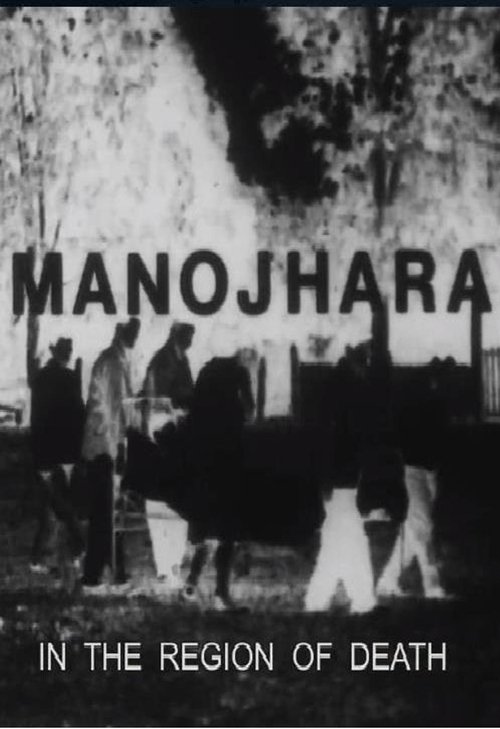
MANOJHARA portrays – in their own words – the experiences of the residents of Paraguay’s Santa Isabel leper colony. They narrate images of life in the colony with statements about moving from the periphery of the colony, where the healthier patients stay, to the center, where the dying patients are, as well as anticipation of a celebration and not wanting to feel ill and outcast.
Gaza December 7, 2023 - “As a hand rises on the brink of death and shipwreck…”, poet Reefat Alareer appeals one last time to love.
In July 2002, the illustrator Daniel Maja is invited to Ramallah and Gaza to develop a project for art schools in Palestine, despite the fact that most West Bank cities are under curfew at the time. Dominique Dubosc, the filmmaker, decides to accompany him. The film develops according to their two gazes, which play one against the other, or with the other, in two mediums, throughout the journey.
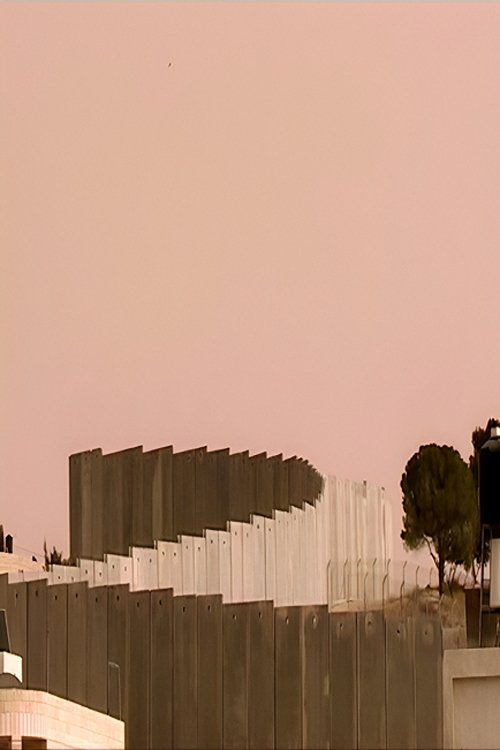
The film assembles a series of chapters which move between impressionistic studies of unusual spaces and structures observed in the occupied Palestinian territories.
This film, commissioned by the Penarroya workers on the eve of their strike in February 1972, presents their demands against the powerful LE NICKEL-PENARROYA-MOKTA trust, which constitutes the majority of the industrial activities of the Rothschild group.
The mythical 1973-1974 strike at the LIP watch factory in Besançon (France), was one of the largest social struggles of the second half of the 20th century in Europe, due to the importance of the economic and political questions it raised, as well as its forms of organization, and its scope and popularity. This film, edited under the control of the workers, relates their fight from the inside. More information on www.dominiquedubosc.com/en/lip-ou-le-gout-du-collectif-en/