
Saga : Chroniques turques (Aspects de la Turquie hier et aujourd'hui)
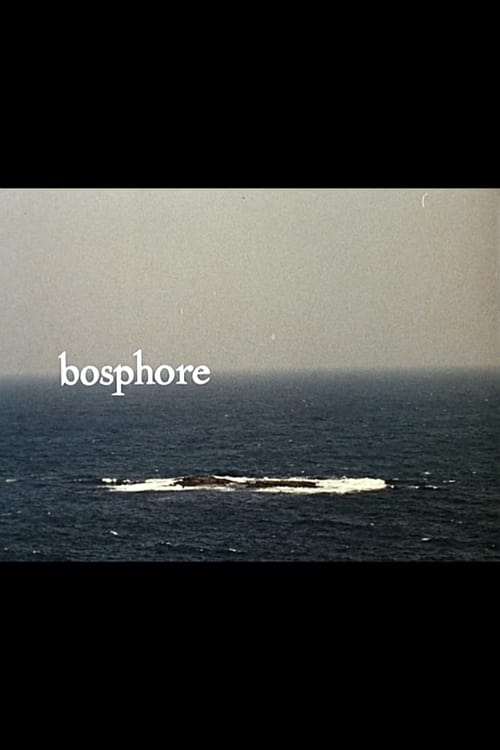
Des films de la série, il est le plus classique, par son harmonie entre la voix et l'image, et le plus pictural (plans de la rive sous la brume, bateaux de pêcheur sur l'eau, composés comme des tableaux de paysage). A l'opposé d'Istanbul, qui présente la vie de la ville, il évoque son passé superposé (Byzance, Constantinople, Istanbul) en présentant différents sites et monuments (remparts, mosquées).
Bosphore
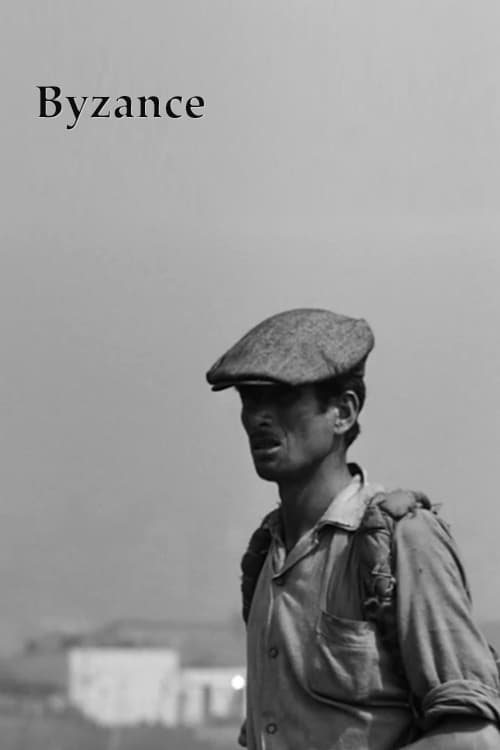
Il n'est pas question des fastes de Byzance mais de la prise de la ville par le sultan (1451-1453) et de son pillage. De lents travellings sur les ruines de la citadelle et ses remparts racontent cette perte et ce basculement de l'Orient gréco-latin à l'Orient musulman (la cathédrale Sainte-Sophie transformée en mosquée).
Byzance
Sur un texte de G. de Nerval, dans la ville des sultans et des harems, des mosquées et de l'Islam, mais aussi de la misère en coulisses, à l'époque durant laquelle les différentes communautés, Turcs, Grecs, Arméniens, Juifs, vivaient en bonne entente.
La Corne d'Or
Portrait de la ville d'Istanbul qui s'intéresse moins à son histoire, à ses monuments, qu'à la vie de ses différents quartiers et à sa population (métiers de la rue, passants).