FEEL IT.STREAM
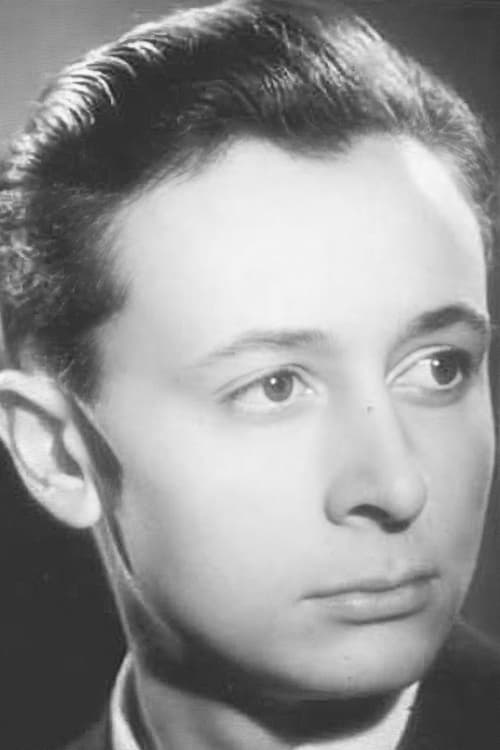
André Reybaz

André Reybaz

Acting

Biography

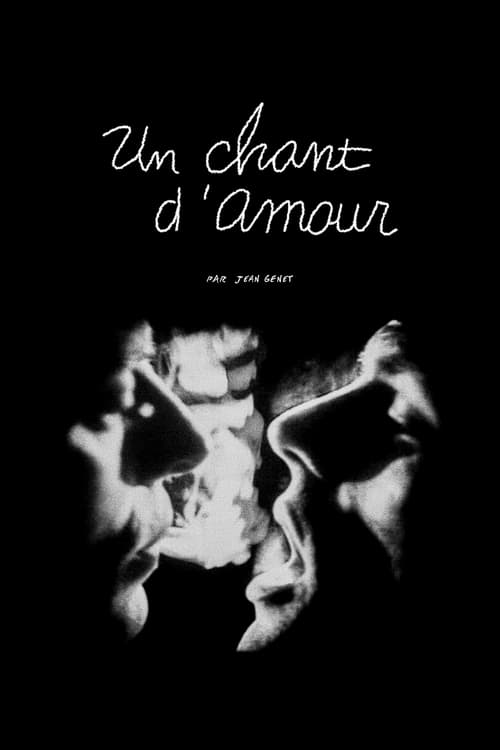
André Reybaz was a French actor. He had a long career spanning 40 years, which mostly consisted of numerous French television appearances. In 1950 he starred in the writer Jean Genet's only film, the influential Un chant d'amour (aka A Song Of Love), which focused on the longing desires of a prison guard and prisoners of a French jail.

Known For

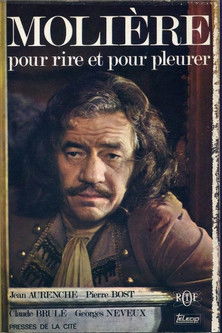
Molière pour rire et pour pleurer
9.5

Molière pour rire et pour pleurer recounts the life of Jean‑Baptiste Poquelin, from his childhood in an artisan family to his rise as Molière, a central figure of French theatre. The series shows his difficult decision to abandon the family trade and join Madeleine Béjart to found L’Illustre Théâtre, marked by debts and repeated setbacks. While touring the provinces, he shapes his style and discovers the power of comedy. Back in Paris, he makes a name for himself with Les Précieuses ridicules, but his sharp satires provoke fierce opposition, especially during the Tartuffe scandal. Supported by Louis XIV, he continues despite attacks, literary rivalries, and tensions within his troupe, particularly with Armande Béjart. The miniseries also follows his growing exhaustion, his determination to perform at any cost, and his final breath after Le Malade imaginaire, the ultimate symbol of an artist who lived — and died — for the stage.

Molière pour rire et pour pleurer

1973Series
We Are All Murderers
6.7

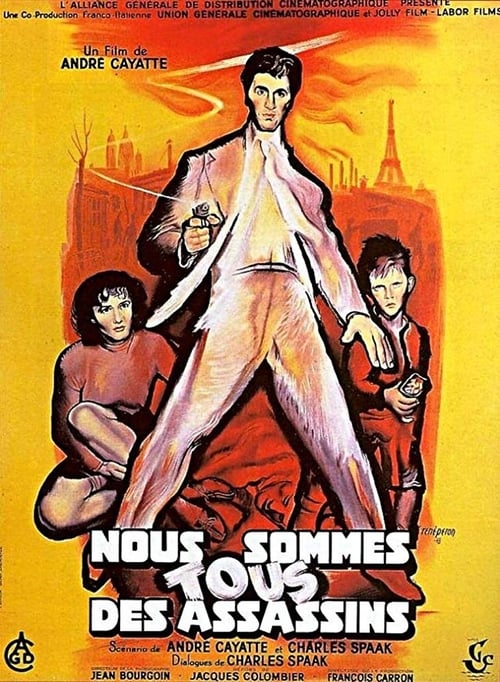
Originally titled Nous Sommes Tout des Assassins, We Are All Murderers was directed by Andre Cayette, a former lawyer who detested France's execution system. Charles Spaak's screenplay makes no attempt to launder the four principal characters (Marcel Mouloudji, Raymond Pellegrin, Antoinine Balpetre, Julien Verdeir): never mind the motivations, these are all hardened murderers. Still, the film condemns the sadistic ritual through which these four men are brought to the guillotine. In France, the policy is to never tell the condemned man when the execution will occur--and then to show up without warning and drag the victim kicking and screaming to his doom, without any opportunity to make peace with himself or his Maker. By the end of this harrowing film, the audience feels as dehumanized as the four "protagonists." We Are All Murderers was roundly roasted by the French law enforcement establishment, but it won a special jury prize at the 1952 Cannes Film Festival.

We Are All Murderers

1952Movie
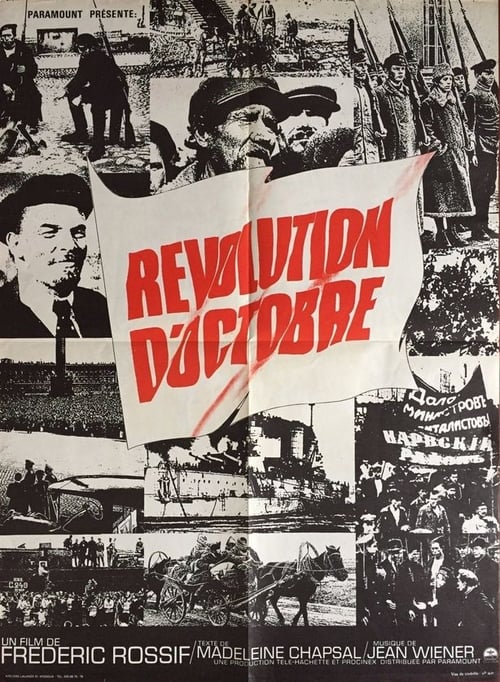
October Revolution
10.0

French director Frederic Rossif presents this historical documentary that coincided with the 50th anniversary of the Russian Revolution. Stock footage from both World Wars are included with 30 minutes of new scenes filmed especially for the project. The historical timeline is traced from the time Czar Nicholas II is crowned. The emergence of Lenin, his death in 1924, and the later contributions of Trotsky and Stalin give the viewer a sense of death, betrayal, and ideological devotion to the communist agenda. Rossif effectively uses scenes from the landmark 1929 film The Man With A Movie Camera by celebrated director Dziga Vertov. Rossif researched the film archives from several countries in his meticulous gathering of materials for this timely historical feature.

October Revolution

1967Movie