The Bazura Project
Synopsis
Episodes
You might also like

This show combines cold hard science with some of the craziest, most spectacular and painful user generated clips ever recorded. Richard Hammond introduces all manner of mishaps featuring brave, if misguided individuals from around the world and then explains the science behind their failure and humiliation with the use of bespoke animations and super slo-mo cinematography. Every episode features between 50 and 60 clips of misadventure – ordinary folk making extraordinary mistakes. Each week watch stunts involving weightlifting, shooting guns or jumping over cars, that have gone wrong, paused, re-wound, and re-played and analysed to determine exactly what went wrong and why. Richard explains the physics, chemistry and biology at play, then presents forensic details to explain the stupidity that resulted in failure. He’ll look at everything including weight, volume, momentum, combustion and even how the brain operates. This is misadventure explained. This is the Science of Stupid.
Science of Stupid

A review of a movie, or a restaurant, or a car—or whatever else that typically falls under a critic's domain—is all well and good, and can even be helpful at times. But how can one find out about myriad other experiences that are never tackled in reviews? Enter Forrest MacNeil, a critic who goes beyond overviews of life's more-common subjects—way beyond—to satisfy the curiosity of others: The adrenaline rush of stealing; the danger of drug addiction; the delight of sleeping with a celebrity. MacNeil tries anything suggested by viewers of his TV show, then presents a 1-to-5-star review. But his unwavering commitment to experiencing intense adventures means he must deal with the unintended consequences of such a goal.
Review
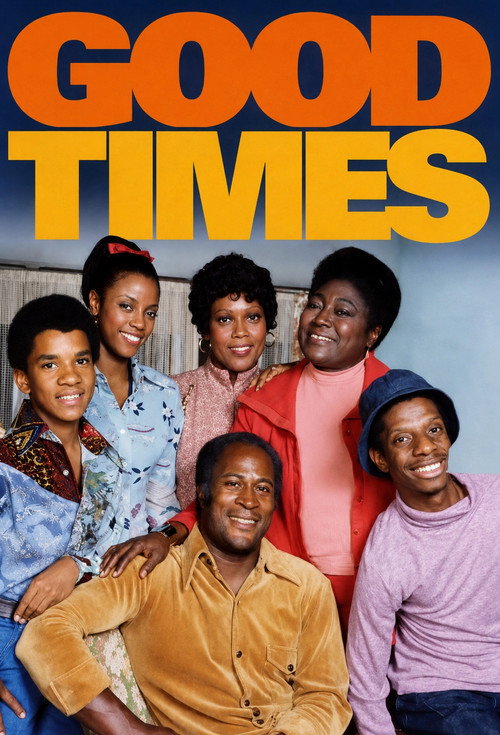
Good Times is an American sitcom that originally aired from February 8, 1974, until August 1, 1979, on the CBS television network. It was created by Eric Monte and Mike Evans, and developed by Norman Lear, the series' primary executive producer. Good Times is a spin-off of Maude, which is itself a spin-off of All in the Family along with The Jeffersons. The series is set in Chicago. The first two seasons were taped at CBS Television City in Hollywood. In the fall of 1975, the show moved to Metromedia Square, where Norman Lear's own production company was housed.
Good Times

This inventive animated comedy series, set inside a giant fish tank in Bud's Pet Shop, presents high school life as seen through the eyes of three BFFs (best fish friends), Bea, Milo and Oscar. Together they experience the typical life challenges and triumphs, including friendship, dating and sports, along with more atypical situations such as giant lobster attacks and, with the use of special land suits, school field trips to the hamster cages. The series was created by children's book illustrator Noah Z. Jones and features a notable voice cast. It's produced using an innovative mixture of digital animation and photo collage
Fish Hooks
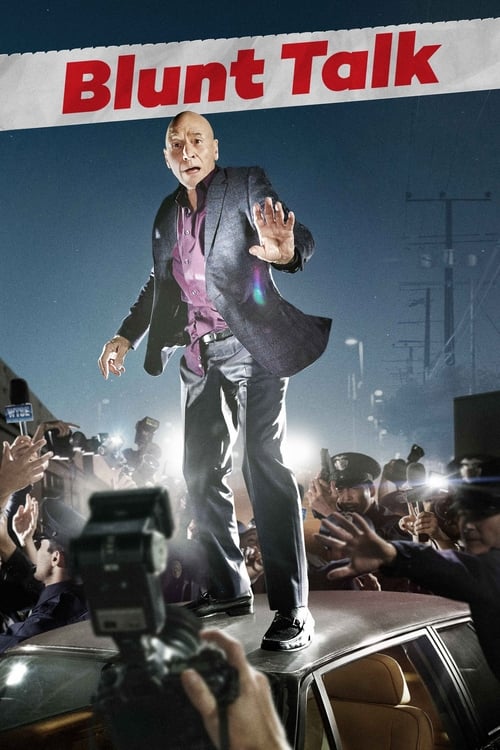
A British newscaster moves to Los Angeles with his alcoholic manservant and the baggage of several failed marriages to host a sanctimonious talk show.
Blunt Talk

Biography is a documentary television series. It was originally a half-hour filmed series produced for CBS by David Wolper from 1961 to 1964 and hosted by Mike Wallace. The A&E Network later re-ran it and has produced new episodes since 1987. The older version featured historical figures such as Helen Keller and Mark Twain, or long-dead entertainment figures such as Will Rogers or John Barrymore. The A&E series has placed the emphasis on such people as Marilyn Monroe, Elvis Presley, Plácido Domingo, Freddie Mercury, Jacqueline Kennedy Onassis, Eric Clapton, Pope John Paul II, Gene Tierney, Selena, Diego Rivera, Mao Zedong and Queen Elizabeth II, and fictional characters like The Phantom, Superman, Hamlet, Betty Boop, and Santa Claus. The program ended up profiling enough figures that in 1999, A&E spun it off into an entire network, The Biography Channel.
Biography
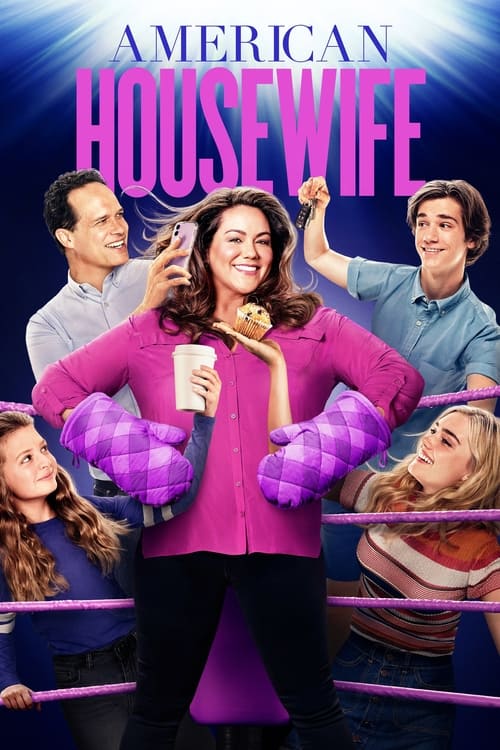
A family comedy narrated by Katie, a strong-willed mother, raising her flawed family in a wealthy town filled with perfect wives and their perfect offspring.
American Housewife
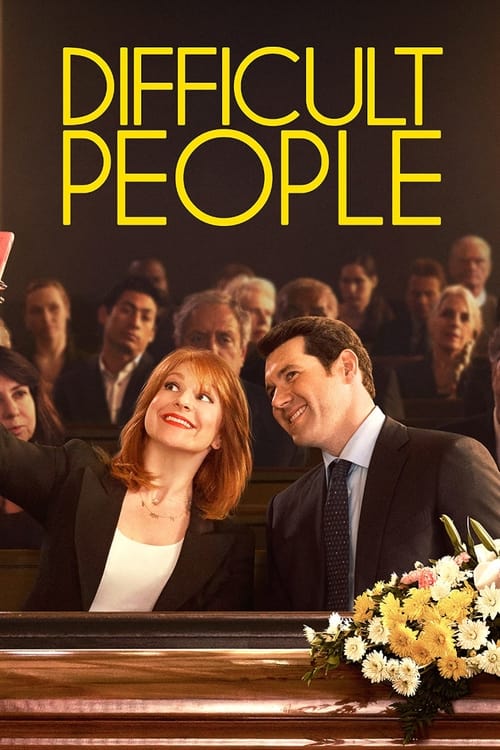
Life is really tough for Julie Kessler and Billy Epstein, two thirty-something aspiring comics living and working in New York City. While their friends and acquaintances move on to find success and love, they continue to struggle with careers and relationships, getting more bitter by the day.
Difficult People
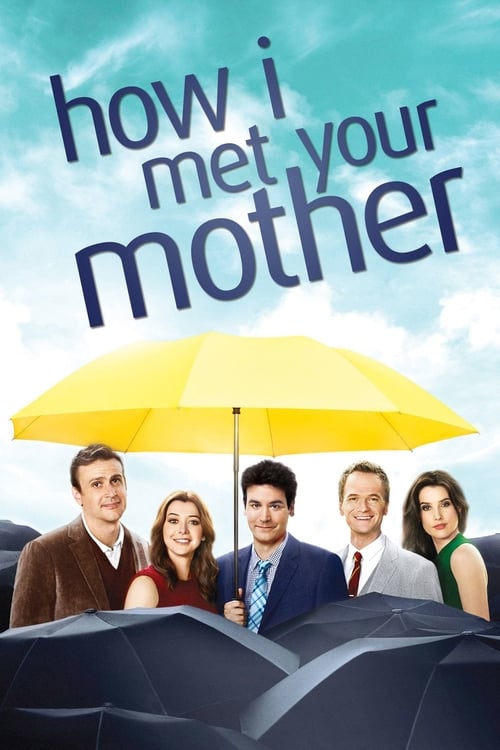
A father recounts to his children - through a series of flashbacks - the journey he and his four best friends took leading up to him meeting their mother.
How I Met Your Mother
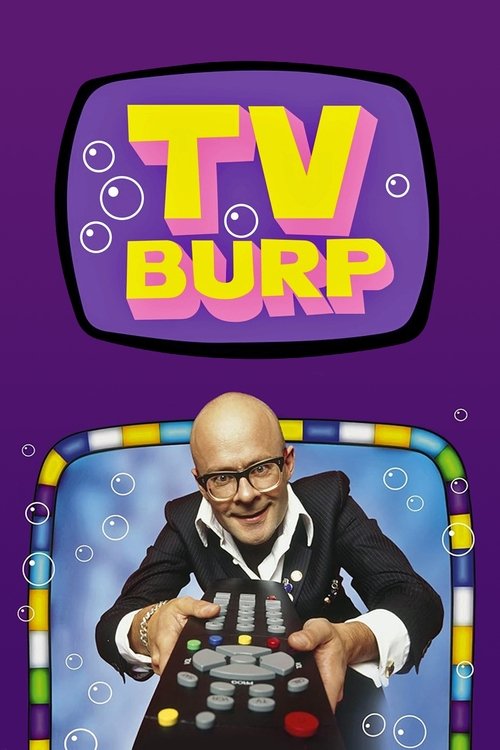
The big-collared comic gives his own spin on TV clips from recent programmes, plus contributions from a set of regular characters
Harry Hill's TV Burp

The free world is in danger, and only one man can help. Jack Decker has sworn to defend America from foreign terrorists regardless of which spineless president is in charge. This is Decker: The Series.
Decker

From living with his deadbeat son, Ben, to his day-to-day dealings with his stunningly sarcastic secretary, Laura, join therapist Jonathan Katz as he picks the brains of your favorite stand-up comedians.
Dr. Katz, Professional Therapist

A behind-the-scenes look at a fictional sketch-comedy TV show.
Studio 60 on the Sunset Strip

Anthony Bourdain uncovers the best cuisine across the world. At each location, Tony dives headfirst into life's colorful and rich pageant, bringing his intellectual curiosity, empathy, wit and boundless appetite.
Anthony Bourdain: No Reservations

Murphy Brown (Candice Bergen) is a recovering alcoholic who returns to the fictional newsmagazine FYI for the first time following a stay at the Betty Ford Clinic residential treatment center. Over 40 and single, she is sharp tongued and hard as nails. In her profession, she is considered one of the boys, having shattered many glass ceilings encountered during her career. Dominating the FYI news magazine, she is portrayed as one of America's hardest-hitting (though not the warmest or more sympathetic) media personalities.
Murphy Brown
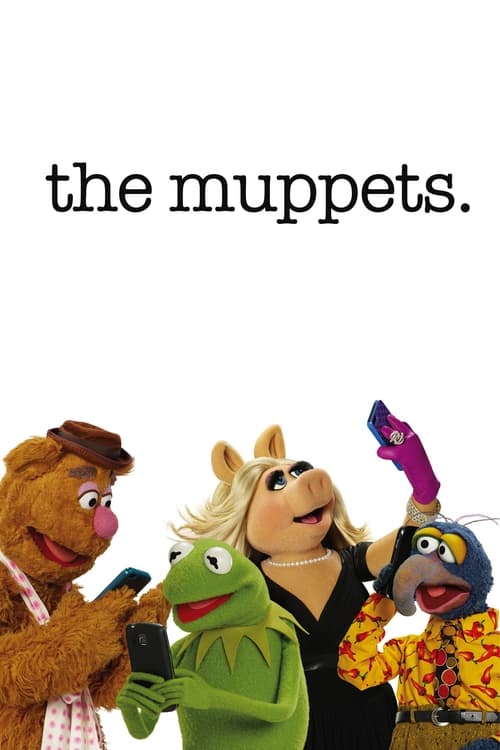
The Muppets return to primetime with a contemporary, documentary-style show. For the first time ever, a series will explore the Muppets’ personal lives and relationships, both at home and at work, as well as romances, breakups, achievements, disappointments, wants and desires. This is a more adult Muppet show, for “kids” of all ages.
The Muppets
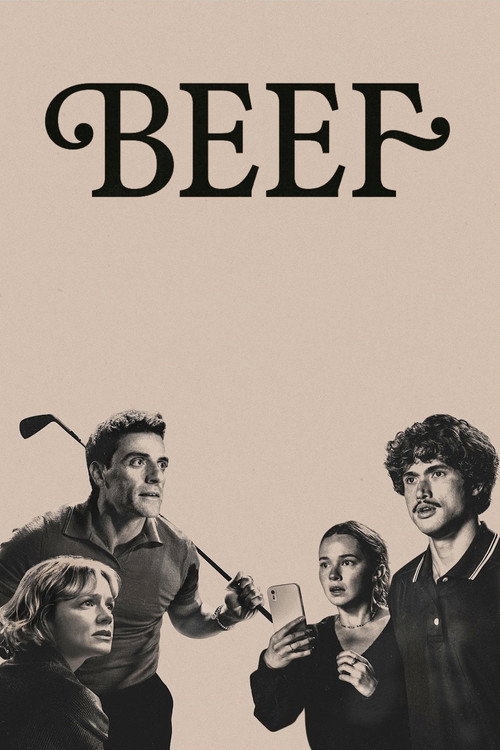
A road rage incident between two strangers — a failing contractor and an unfulfilled entrepreneur — sparks a feud that brings out their darkest impulses.
BEEF
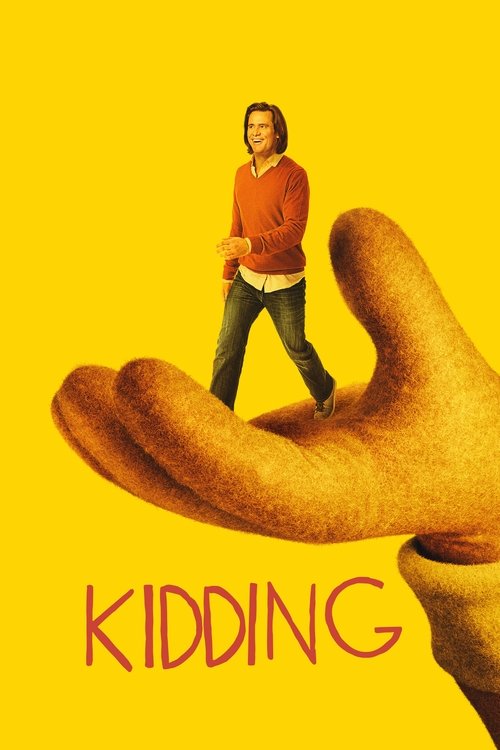
Jeff, aka Mr. Pickles, is an icon of children's TV. But when his family begins to implode, Jeff finds no fairy tale or fable or puppet will guide him through this crisis, which advances faster than his means to cope. The result: a kind man in a cruel world faces a slow leak of sanity as hilarious as it is heartbreaking.
Kidding
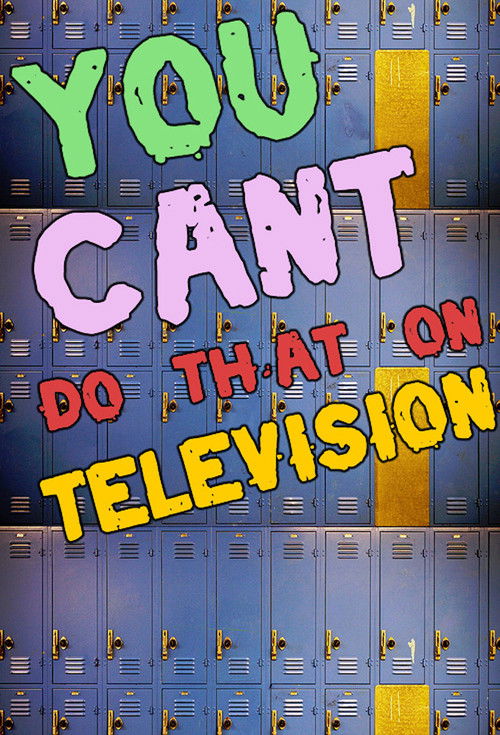
You Can't Do That on Television is a Canadian television program that first aired locally in 1979 before airing internationally in 1981. It featured pre-teen and teenaged actors in a sketch comedy format. Each episode had a theme. The show was notable for launching the careers of many performers, including Alanis Morissette, and writer Bill Prady, who would write and produce shows like The Big Bang Theory, Gilmore Girls and Dharma and Greg. The show was produced by and aired on Ottawa's CTV station CJOH-TV. After production ended in 1990, the show continued in reruns on Nickelodeon through 1994, when it was replaced with the similar All That. The show is synonymous with Nick, and was at that time extremely popular, with the highest ratings overall on the channel. The show is also well known for introducing the network's iconic slime. The program is the subject of the 2004 feature-length documentary, You Can't Do That on Film, directed by David Dillehunt.
You Can't Do That on Television
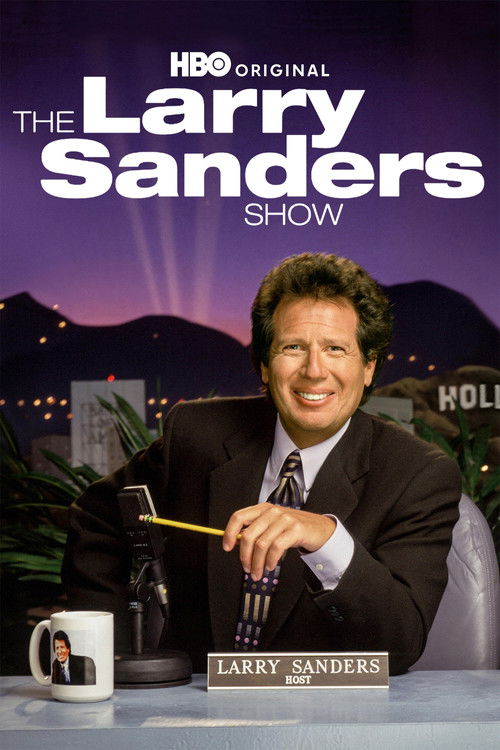
Comic Garry Shandling draws upon his own talk show experiences to create the character of Larry Sanders, a paranoid, insecure host of a late night talk show. Larry, along with his obsequious TV sidekick Hank Kingsley and his fiercely protective producer Artie, allows Garry Shandling and his talented writers to look behind the scenes and to show us a convincing slice of behind the camera life.