

Synopsis
Episodes
You might also like
PBS' premier science series helps viewers of all ages explore the science behind the headlines. Along the way, NOVA demystifies science and technology, and highlights the people involved in scientific pursuits.
NOVA
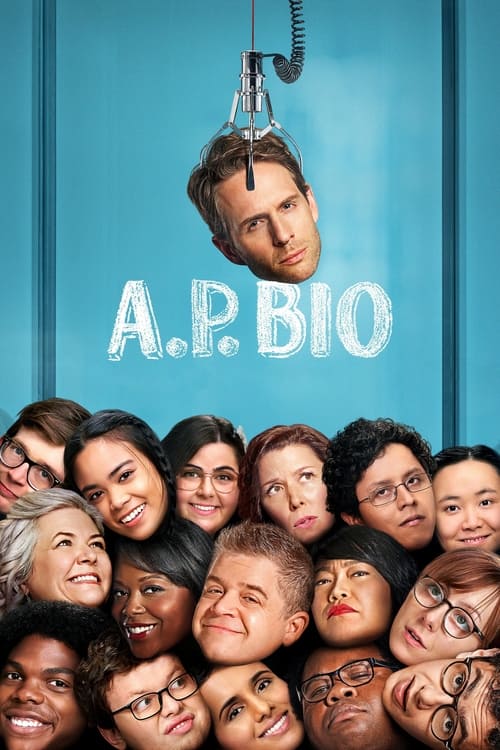
When disgraced Harvard philosophy scholar Jack Griffin loses out on his dream job, he is forced to return to Toledo, Ohio, and work as a high school Advanced Placement biology teacher.
A.P. Bio

Biography is a documentary television series. It was originally a half-hour filmed series produced for CBS by David Wolper from 1961 to 1964 and hosted by Mike Wallace. The A&E Network later re-ran it and has produced new episodes since 1987. The older version featured historical figures such as Helen Keller and Mark Twain, or long-dead entertainment figures such as Will Rogers or John Barrymore. The A&E series has placed the emphasis on such people as Marilyn Monroe, Elvis Presley, Plácido Domingo, Freddie Mercury, Jacqueline Kennedy Onassis, Eric Clapton, Pope John Paul II, Gene Tierney, Selena, Diego Rivera, Mao Zedong and Queen Elizabeth II, and fictional characters like The Phantom, Superman, Hamlet, Betty Boop, and Santa Claus. The program ended up profiling enough figures that in 1999, A&E spun it off into an entire network, The Biography Channel.
Biography

Beakman's World is an educational children's television show. The program is based on the Universal Press Syndicate syndicated comic strip You Can with Beakman and Jax created by Jok Church. The series premiered September 18, 1992 on The Learning Channel cable network and in national syndication. On September 18, 1993 it moved from national syndication to CBS Saturday morning children’s lineup. At the peak of its popularity, it was seen in nearly 90 countries around the world. The series was canceled in 1998. Reruns returned to national syndication in September 2006, after which it was transferred to local stations such as KICU. The show debuted a year prior to Bill Nye the Science Guy, which covered similar topics. The show's host, Paul Zaloom, still performs as Beakman in live appearances around the globe.
Beakman's World
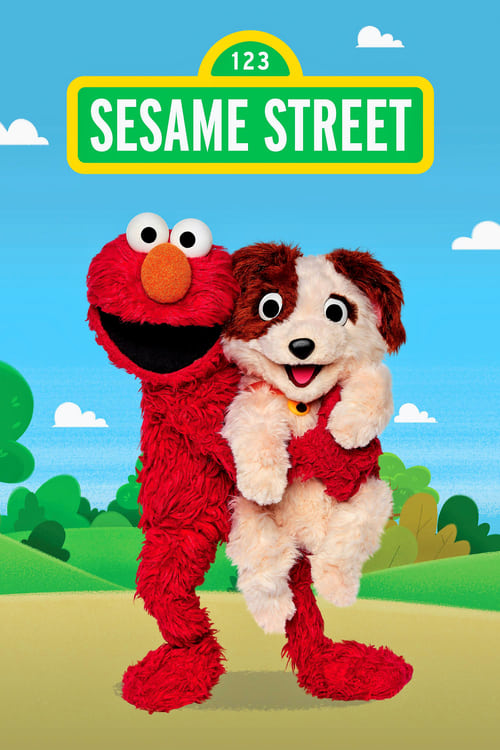
On a special inner city street, the inhabitants—human and muppet—teach preschoolers basic educational and social concepts using comedy, cartoons, games, and songs.
Sesame Street
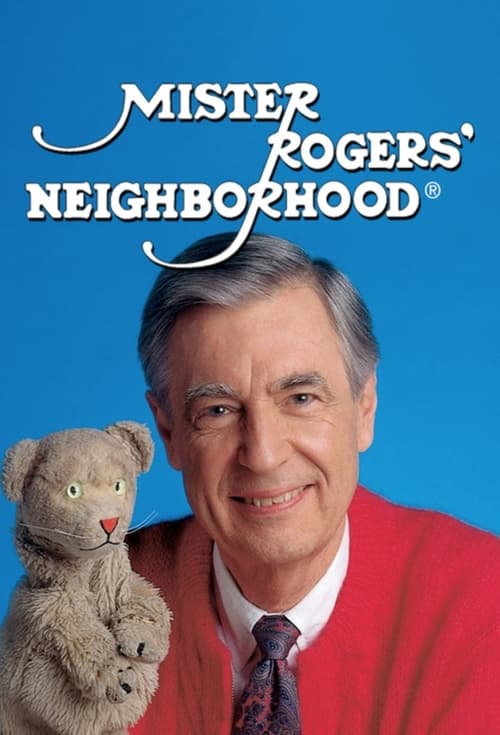
Mister Rogers' Neighborhood is an American children's television series that was created and hosted by namesake Fred Rogers. The series originated in 1963 as Misterogers on CBC Television, and was later debuted in 1966 as Misterogers' Neighborhood on the regional Eastern Educational Network, followed by its US network debut on February 19, 1968, and it aired on NET and its successor, PBS, until August 31, 2001. The series is aimed primarily at preschool ages 2 to 5, but has been stated by PBS as "appropriate for all ages". Mister Rogers' Neighborhood was produced by Pittsburgh, Pennsylvania, USA public broadcaster WQED and Rogers' non-profit production company Family Communications, Inc.; previously known as Small World Enterprises prior to 1971, the company was renamed The Fred Rogers Company after Rogers' death.
Mister Rogers' Neighborhood
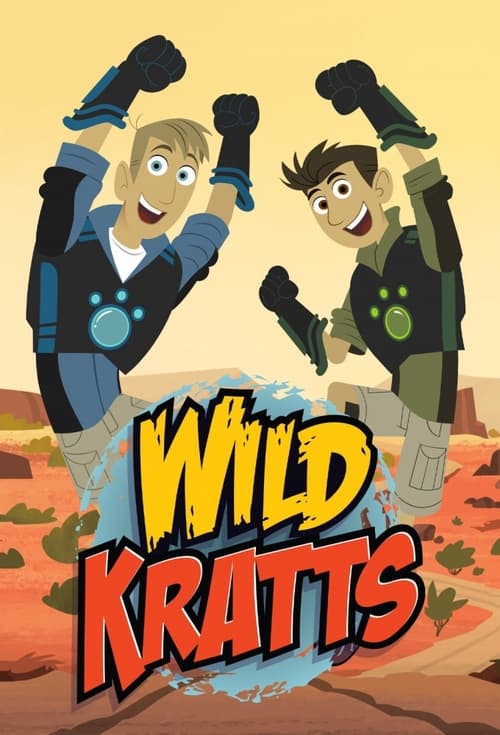
The adventures of Chris and Martin Kratt as they encounter incredible wild animals, combining science education with fun and adventure as the duo travels to animal habitats around the globe.
Wild Kratts
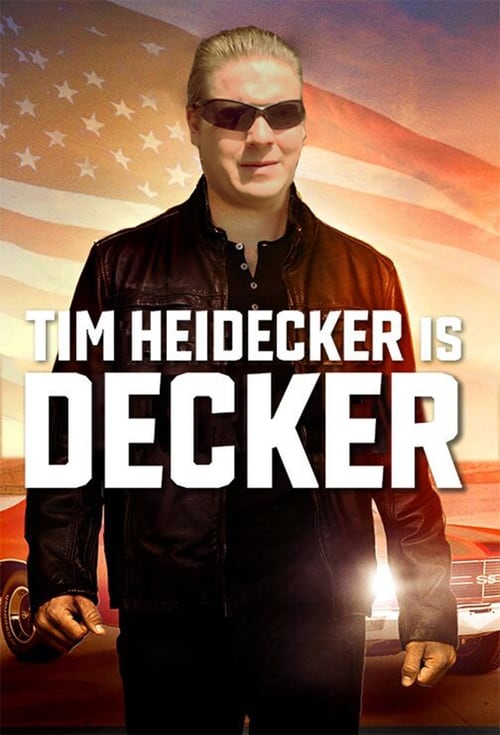
The free world is in danger, and only one man can help. Jack Decker has sworn to defend America from foreign terrorists regardless of which spineless president is in charge. This is Decker: The Series.
Decker
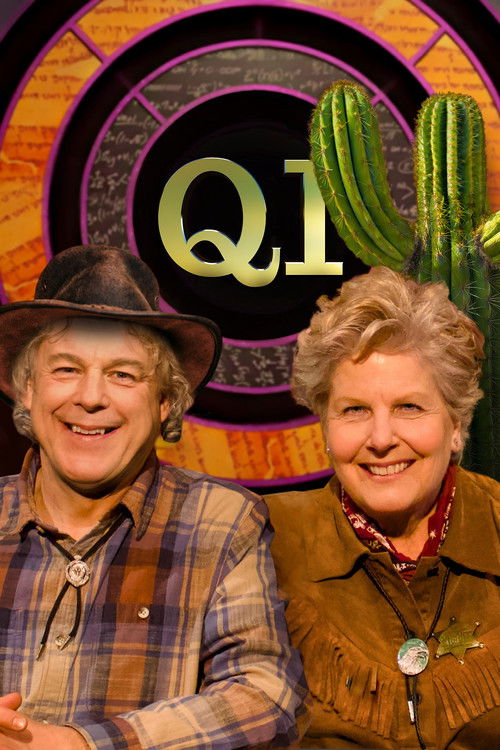
Comedy quiz show full of quirky facts, in which contestants are rewarded more if their answers are 'quite interesting'.
QI
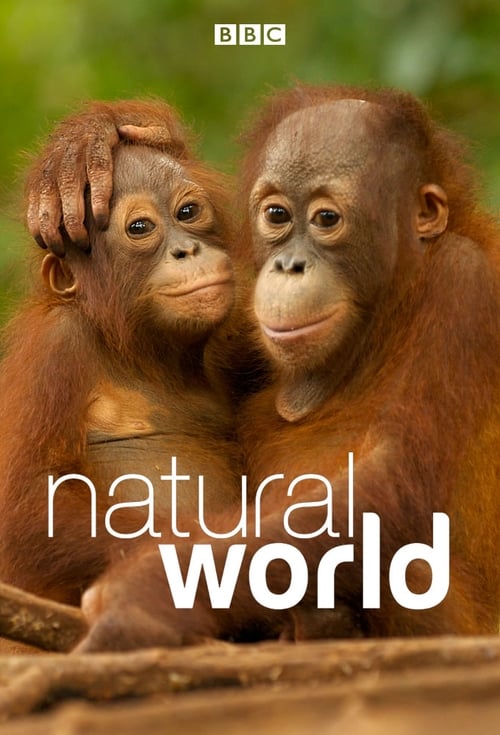
Natural World is a nature documentary television series broadcast annually on BBC Two and regarded by the BBC as its flagship natural history brand. It is currently the longest-running series in its genre on British television, with more than 400 episodes broadcast since its inception in 1983. Natural World is produced by the BBC Natural History Unit in Bristol, but individual programmes can be in-house productions, collaborative productions with other broadcasters or films made and distributed by independent production companies and purchased by the BBC. Natural World programmes are often broadcast as PBS Nature episodes in the USA. Since 2008, most Natural World programmes have been shot and broadcast in high definition.
Natural World
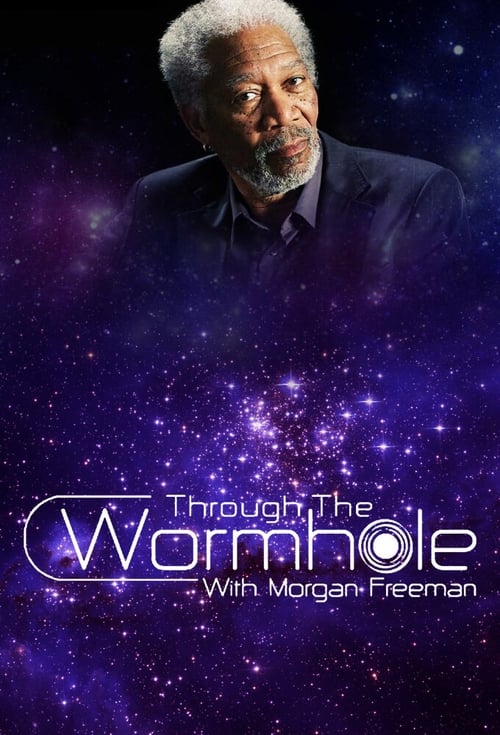
Hosted by Morgan Freeman, Through the Wormhole explores the deepest mysteries of existence - the questions that have puzzled mankind for eternity. What are we made of? What was there before the beginning? Are we really alone? Is there a creator? These questions have been pondered by the most exquisite minds of the human race. Now, science has evolved to the point where hard facts and evidence may be able to provide us with answers instead of philosophical theories. Through the Wormhole brings together the brightest minds and best ideas from the very edges of science - Astrophysics, Astrobiology, Quantum Mechanics, String Theory, and more - to reveal the extraordinary truth of our Universe.
Through the Wormhole
American version of the tense gameshow where contestants tackle a series of multiple-choice questions to win large cash prizes.
Who Wants to Be a Millionaire?
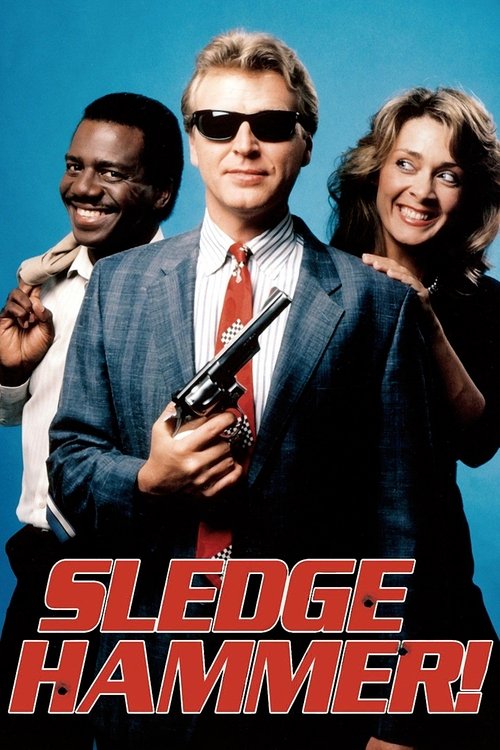
Sledge Hammer! is an American satirical police sitcom produced by New World Television that ran for two seasons on ABC from 1986 to 1988. The series was created by Alan Spencer and stars David Rasche as Inspector Sledge Hammer, a preposterous caricature of the standard "cop on the edge" character. Al Jean and Mike Reiss, best known for their work on The Simpsons, wrote for the show and worked as story editors.
Sledge Hammer!
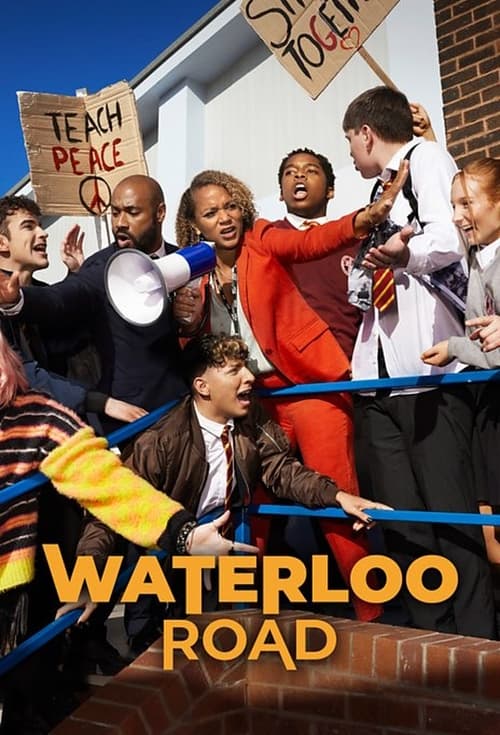
Waterloo Road is a British television drama series set in a comprehensive school of the same name, first broadcast on BBC One on 9 March 2006, and concluding its original run on 9 March 2015. It was recommissioned in 2021, and resumed starting 9 January 2023. At the failing comprehensive school, and later academy of the same name, the professional and personal lives of the students and staff are examined. Affairs, scandals, blackmail and many, many headteachers. Who said education was easy?
Waterloo Road
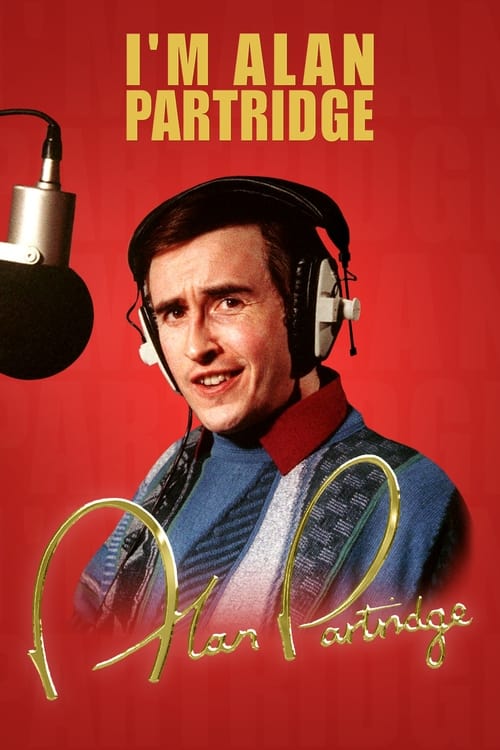
The fortunes of a former chat show host who is reduced to a lowly slot on Radio Norwich. Alan Partridge is divorced, living in a travel tavern, and desperate for a return to television.
I'm Alan Partridge
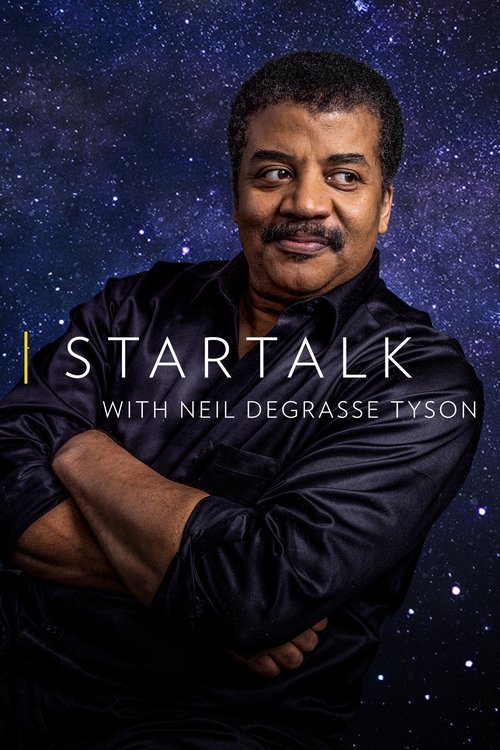
Host Neil deGrasse Tyson brings together celebrities, scientists and comedians to explore a variety of cosmic topics and collide pop culture with science in a way that late-night television has never seen before. Weekly topics range from popular science fiction, space travel, extraterrestrial life, the Big Bang, to the future of Earth and the environment. Tyson is an astrophysicist with a gifted ability to connect with everyone, inspiring us all to to "keep looking up."
StarTalk with Neil deGrasse Tyson

America's favorite quiz show where contestants are presented with general knowledge clues in the form of answers, and must phrase their responses in question form.
Jeopardy!
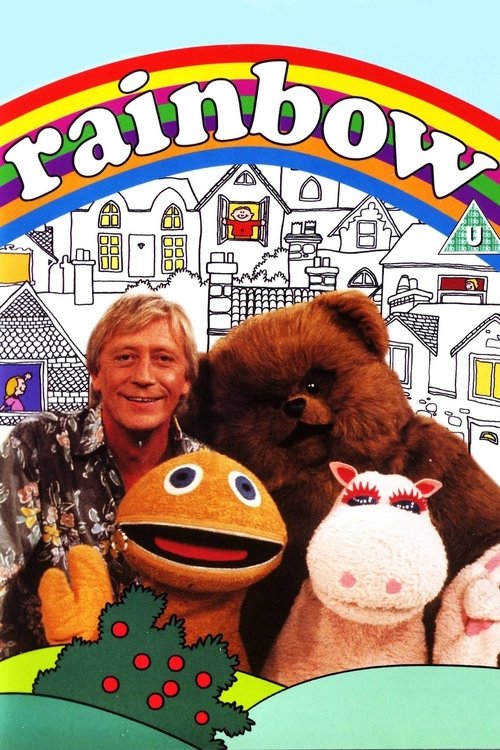
Children's puppet programme featuring music and stories. Join George, Bungle, Zippy, and all their friends at the Rainbow House, always an exciting place to be.
Rainbow
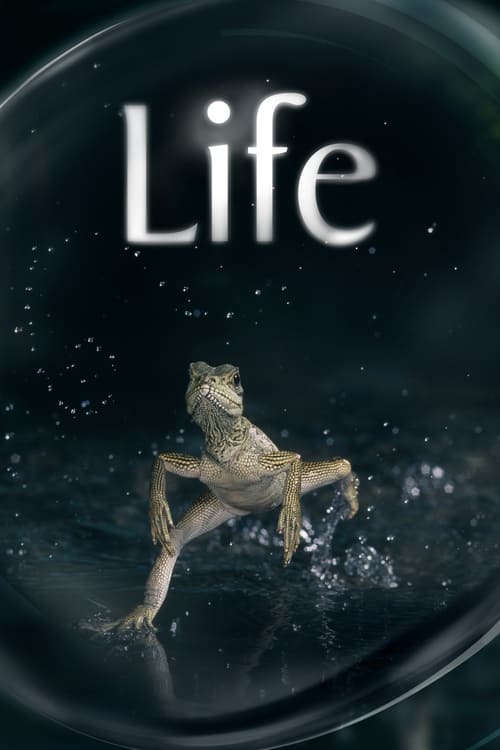
David Attenborough looks at the extraordinary ends to which animals and plants go in order to survive. Featuring epic spectacles, amazing TV firsts and examples of new wildlife behaviour.
Life
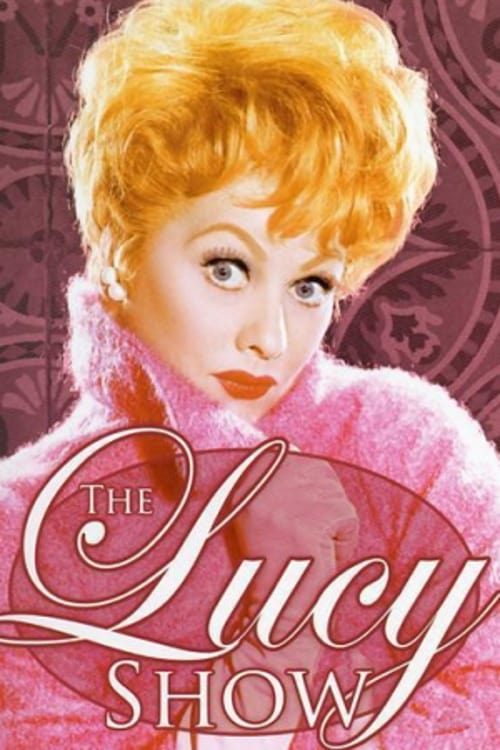
The Lucy Show is an American sitcom that aired on CBS from 1962–68. It was Lucille Ball's follow-up to I Love Lucy. A significant change in cast and premise for the 1965–66 season divides the program into two distinct eras; aside from Ball, only Gale Gordon, who joined the program for its second season, remained. For the first three seasons, Vivian Vance was the co-star. The earliest scripts were entitled The Lucille Ball Show, but when this title was declined, producers thought of calling the show This Is Lucy or The New Adventures of Lucy, before deciding on the title The Lucy Show. Ball won consecutive Emmy Awards as Outstanding Lead Actress in a Comedy Series for the series' final two seasons, 1966–67 and 1967–68.