Synopsis
Episodes
You might also like
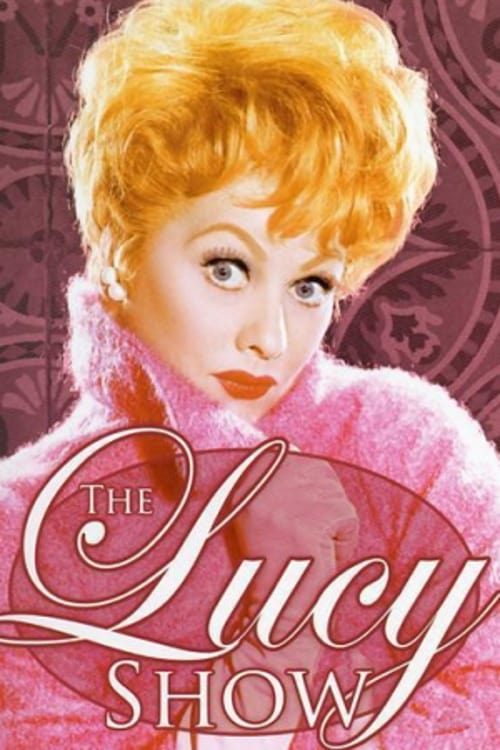
The Lucy Show is an American sitcom that aired on CBS from 1962–68. It was Lucille Ball's follow-up to I Love Lucy. A significant change in cast and premise for the 1965–66 season divides the program into two distinct eras; aside from Ball, only Gale Gordon, who joined the program for its second season, remained. For the first three seasons, Vivian Vance was the co-star. The earliest scripts were entitled The Lucille Ball Show, but when this title was declined, producers thought of calling the show This Is Lucy or The New Adventures of Lucy, before deciding on the title The Lucy Show. Ball won consecutive Emmy Awards as Outstanding Lead Actress in a Comedy Series for the series' final two seasons, 1966–67 and 1967–68.
The Lucy Show
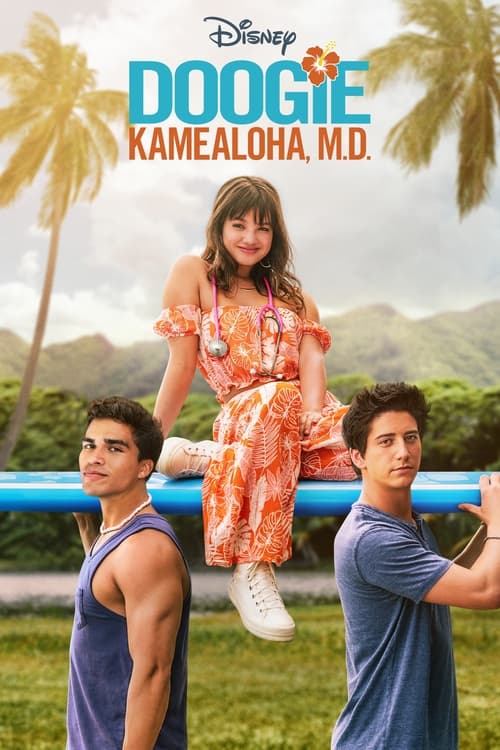
Lahela 'Doogie' Kamealoha, a 16-year-old prodigy juggles a budding medical career and life as a teenager. With the support of her caring and comical 'ohana (family) and friends, Lahela is determined to make the most of her teenage years and forge her own path.
Doogie Kamealoha, M.D.
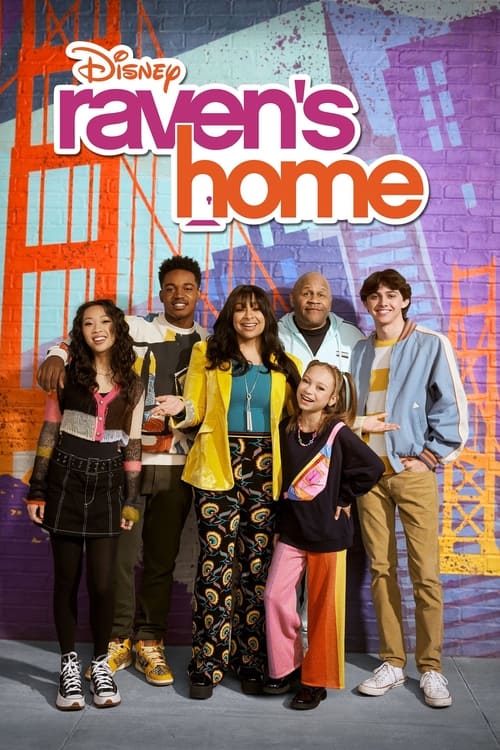
Best friends Raven and Chelsea, now both divorced mothers, are raising their children in a house together. Their house is turned upside down when they realize one of Raven's children inherited the same psychic abilities as their mother.
Raven's Home
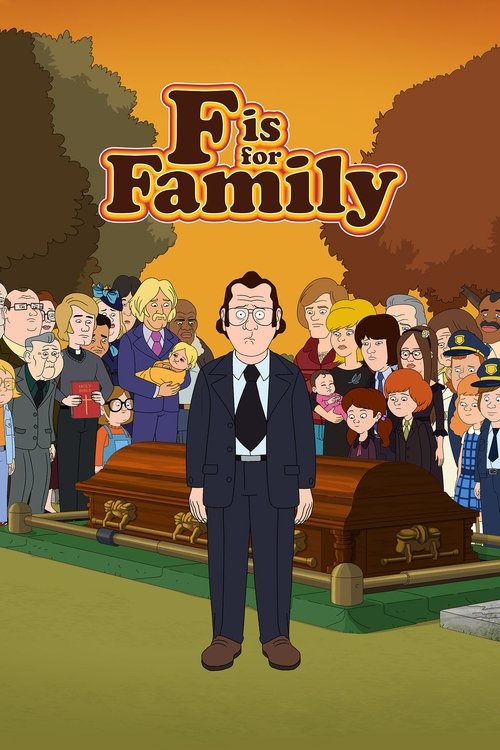
Follow the Murphy family back to the 1970s, when kids roamed wild, beer flowed freely and nothing came between a man and his TV.
F is for Family
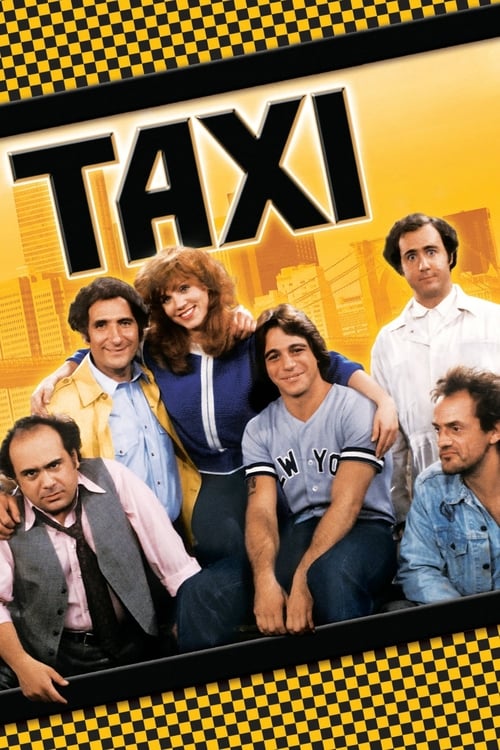
Louie De Palma is a cantankerous, acerbic taxi dispatcher in New York City. He tries to maintain order over a collection of varied and strange characters who drive for him. As he bullies and insults them from the safety of his “cage,” they form a special bond among themselves, becoming friends and supporting each other through the inevitable trials and tribulations of life.
Taxi
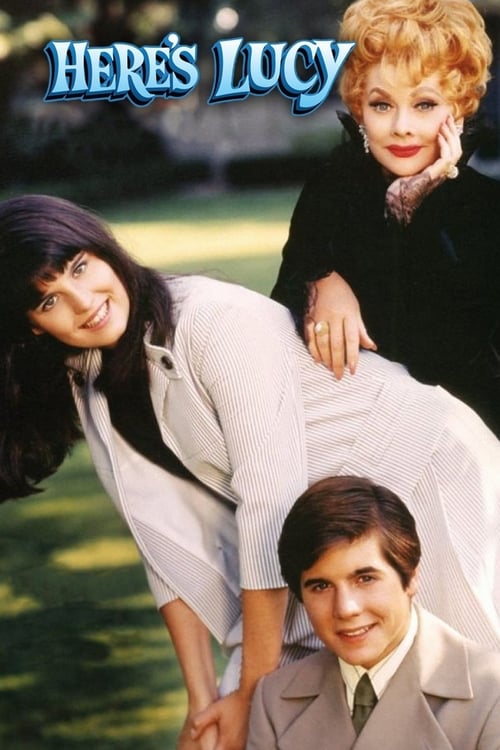
Lucille Ball's third network sitcom, following I Love Lucy (1951–57) and The Lucy Show (1962–68).
Here's Lucy
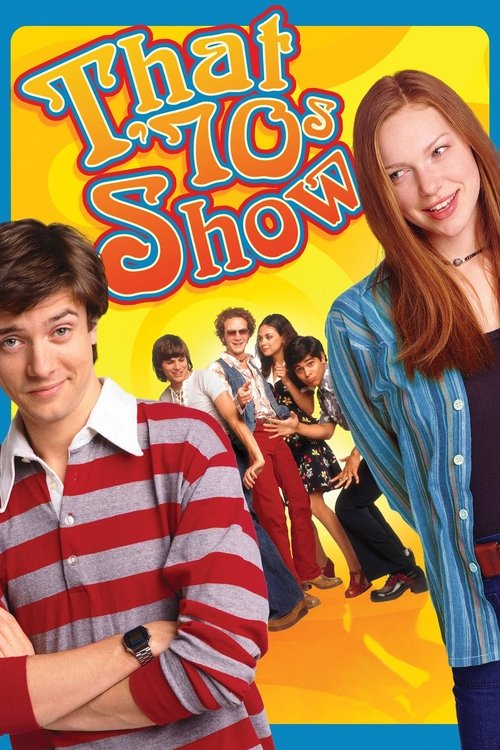
Crank up the 8-track and flash back to a time when platform shoes and puka shells were all the rage in this hilarious retro-sitcom. For Eric, Kelso, Jackie, Hyde, Donna and Fez, a group of high school teens who spend most of their time hanging out in Eric’s basement, life in the ‘70s isn’t always so groovy. But between trying to figure out the meaning of life, avoiding their parents, and dealing with out-of-control hormones, they’ve learned one thing for sure: they’ll always get by with a little help from their friends.
That '70s Show
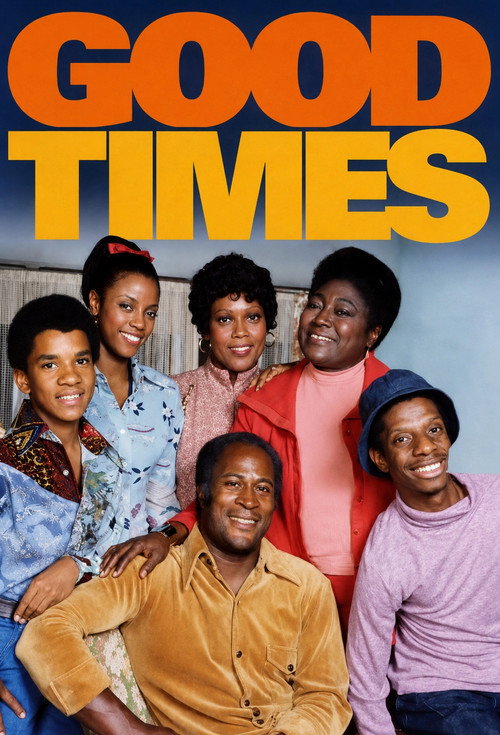
Good Times is an American sitcom that originally aired from February 8, 1974, until August 1, 1979, on the CBS television network. It was created by Eric Monte and Mike Evans, and developed by Norman Lear, the series' primary executive producer. Good Times is a spin-off of Maude, which is itself a spin-off of All in the Family along with The Jeffersons. The series is set in Chicago. The first two seasons were taped at CBS Television City in Hollywood. In the fall of 1975, the show moved to Metromedia Square, where Norman Lear's own production company was housed.
Good Times
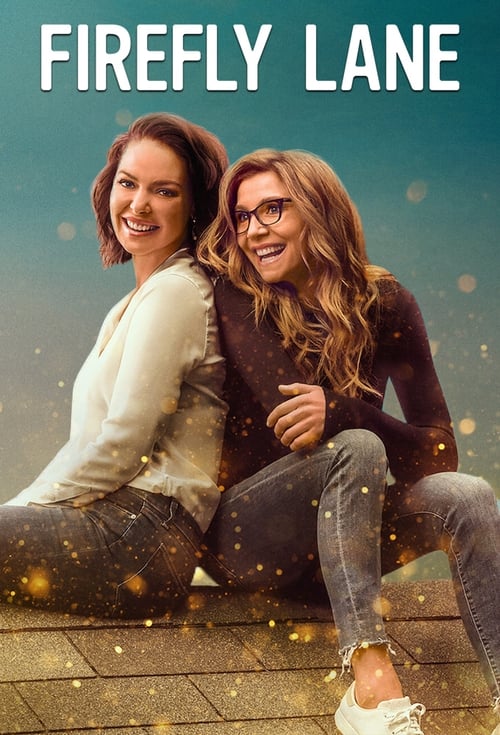
For decades, childhood best friends Kate and Tully have weathered life's storms together -- until a betrayal threatens to break them apart for good.
Firefly Lane

The misadventures of a divorced mother, two teenage daughters, and their new building superintendent in Indianapolis.
One Day at a Time
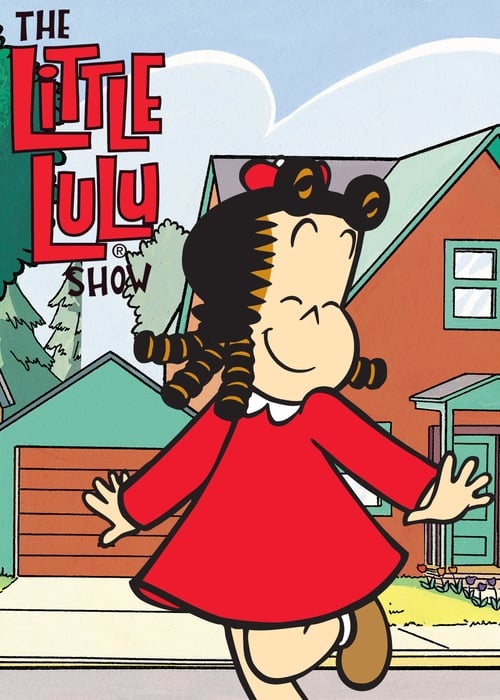
The Little Lulu Show is an animated television series, based on the Marjorie Henderson Buell comic book character Little Lulu. The show was produced by CINAR Animation after Marge's death in 1993, and aired on HBO Family and Cartoon Network in the United States and on, CTV, and the Family Channel in Canada from 1995 to 1999. In Canada, reruns are currently being shown on both the English and French versions of Teletoon Retro. The series centered on the life and adventures of Lulu Moppet and Tubby Thompkins. Between stories, they showed stand-up comedy that Lulu hosted. This show is not to be confused with Little Lulu and Her Little Friends, an anime TV series featuring the same characters made in 1976.
The Little Lulu Show
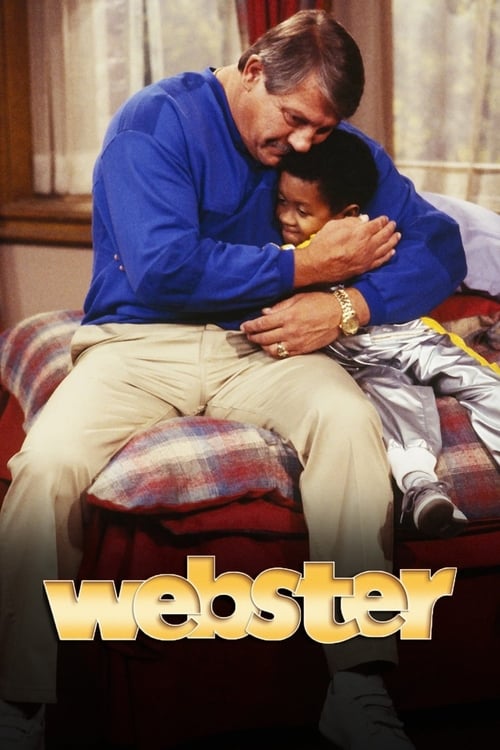
Webster is an American situation comedy that aired on ABC from September 16, 1983 until May 8, 1987, and in first-run syndication from September 21, 1987 until March 10, 1989. The series was created by Stu Silver. The show stars Emmanuel Lewis in the title role as a young boy who, after losing his parents, is adopted by his NFL-pro godfather, portrayed by Alex Karras, and his new socialite wife, played by Susan Clark. The focus was largely on how this impulsively married couple had to adjust to their new lives and sudden parenthood, but it was the congenial Webster himself who drove much of the plot. The series was produced by Georgian Bay Ltd., Emmanuel Lewis Entertainment Enterprises, Inc. and Paramount Television. Like NBC's earlier hit Diff'rent Strokes, Webster featured a young African-American boy adopted by a white family.
Webster
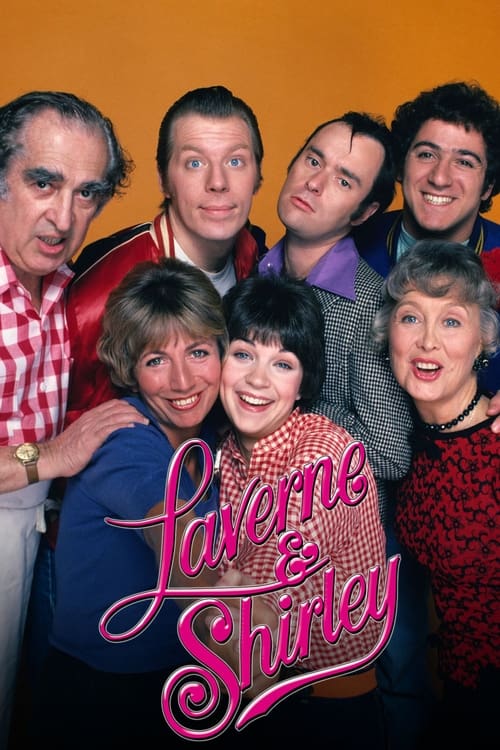
Best friends, roommates, and polar opposites, Laverne DeFazio and Shirley Feeney work together at the Shotz Brewery in Milwaukee and keep each other's spirits up at home.
Laverne & Shirley

A behind-the-scenes look at a fictional sketch-comedy TV show.
Studio 60 on the Sunset Strip
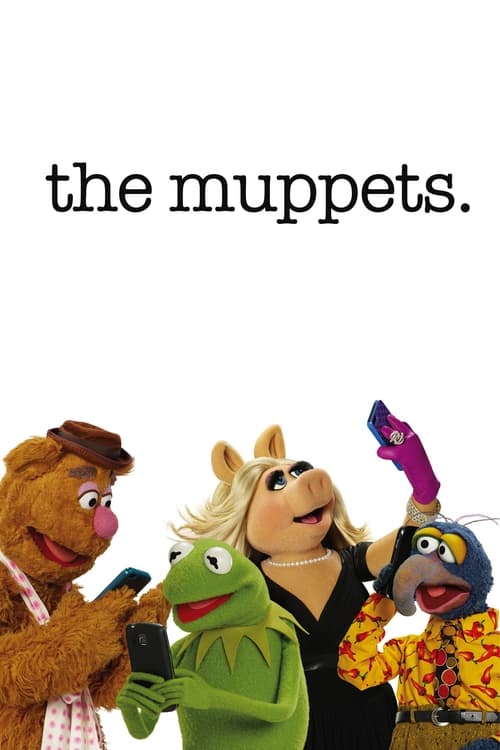
The Muppets return to primetime with a contemporary, documentary-style show. For the first time ever, a series will explore the Muppets’ personal lives and relationships, both at home and at work, as well as romances, breakups, achievements, disappointments, wants and desires. This is a more adult Muppet show, for “kids” of all ages.
The Muppets

The story of Kevin Arnold facing the trials and tribulations of youth while growing up during the 1960s and 70s. Told through narration from an adult Kevin, Kevin faces the difficulties of maintaining relationships and friendships on his enthralling journey into adulthood.
The Wonder Years

60 Minutes, an Australian version of the U.S. television newsmagazine 60 Minutes, airs on Sunday nights on the Nine Network and is presented in much the same way as the American program on which it is based. The New Zealand version of the show has also featured segments of the Australian version. Gerald Stone, the founding executive producer, was given the job by Kerry Packer and was told: "I don't give a f... what it takes. Just do it and get it right." After the first episode was broadcast on 11 February 1979, Packer was less than impressed, telling Stone: "You've blown it, son. You better fix it fast." Over the years, Stone's award winning 60 Minutes revolutionised Australian current affairs reporting and enhanced the careers of Ray Martin, Ian Leslie, George Negus, and later Jana Wendt. Since it was first broadcast, 60 Minutes has won five Silver Logies, one Special Achievement Logie, and received nominations for a further six Logie awards.
60 Minutes Australia
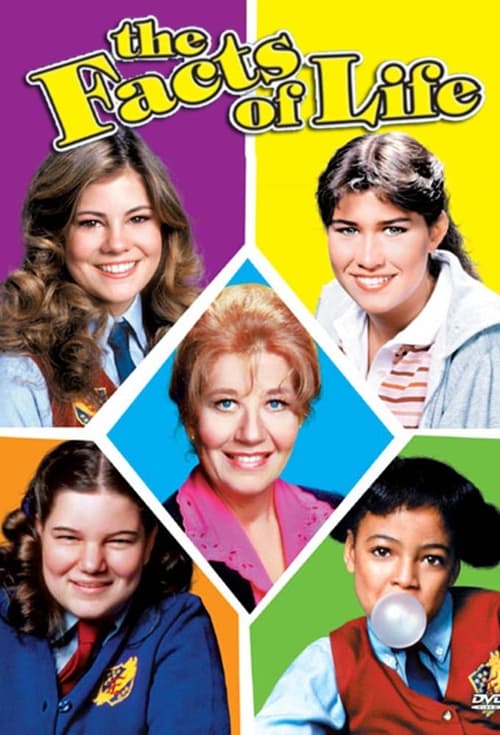
Mrs. Edna Garrett, housemother and dietitian at the Eastland School, teaches a group of girls in her charge how to solve those problems that every teenager has to face.
The Facts of Life
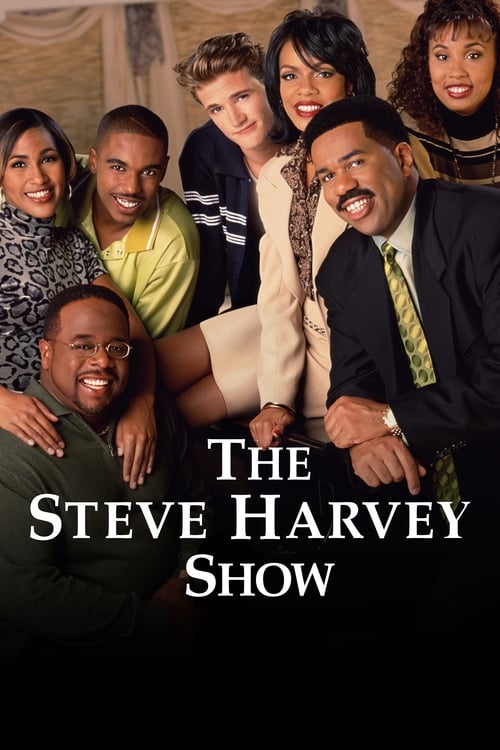
Down on his luck and out of money, former R&B star Steve Hightower lands a music teacher gig at an inner-city Chicago school. Showing who's in charge with his unorthodox approach, Steve discovers a new groove at Washington High School.
The Steve Harvey Show
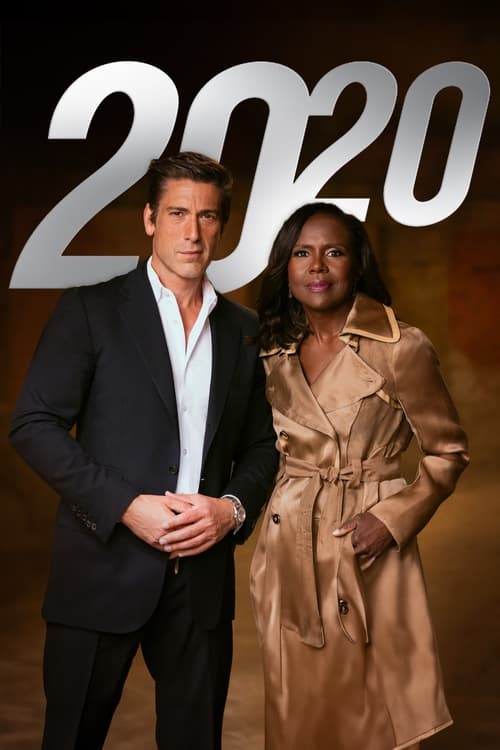
20/20 is an American television newsmagazine that has been broadcast on ABC since June 6, 1978. Created by ABC News executive Roone Arledge, the show was designed similarly to CBS's 60 Minutes but focuses more on human interest stories than international and political subjects. The program's name derives from the "20/20" measurement of visual acuity. The hour-long program has been a staple on Friday evenings for much of the time since it moved to that timeslot from Thursdays in September 1987, though special editions of the program occasionally air on other nights.