Edo wo Kiru
Episodes
You might also like
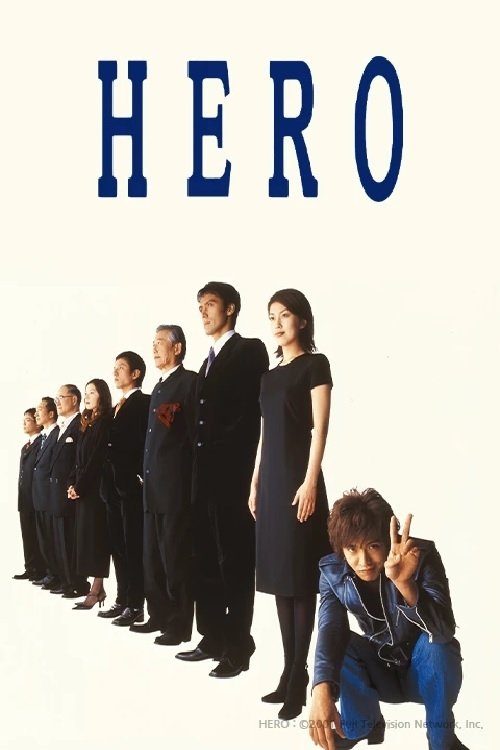
Former delinquent turned unconventional prosecutor Kohei Kuryu shakes up the legal world with his street-smart instincts and unorthodox style, clashing with ambitious colleague Maiko Amamiya while his relentless pursuit of justice gradually transforms those around him.
Hero

Life, death and drama at 20,000 feet. The series weaves together intense character journeys and high-stakes medical rescues, as we follow the triumphs, heartbreaks and tribulations of budding nurses and pilots flying air ambulances in remote Northern Canada. They’re all in over their heads, and on their own, with no one to rely on but each other.
SkyMed
North of 60 is a mid-1990s Canadian television series depicting life in the sub-Arctic northern boreal forest. It first aired on CBC Television in 1992 and was syndicated around the world. It is set in the fictional community of Lynx River, a primarily Native-run town depicted as being in the Dehcho Region, Northwest Territories. Most of the characters were Dene. Some non-native characters had important roles: the restaurant/motel owner, the band manager, the nurse and the town's main RCMP officer. The show explored themes of Native poverty, alcoholism, cultural preservation and conflict over land settlements and natural resource exploitation. Originally somewhat light-hearted, it quickly became a more dramatic and ponderous series.
North of 60
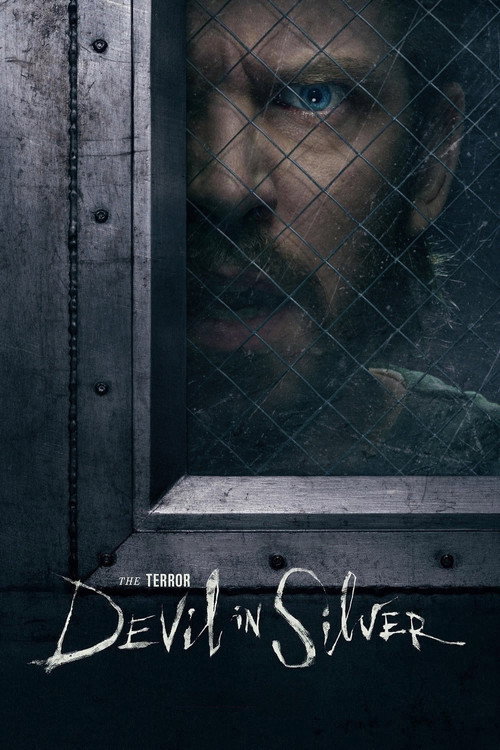
Wrongfully committed to New Hyde Psychiatric Hospital, one man faces secretive doctors, dangerous patients, and something even worse …
The Terror: Devil in Silver
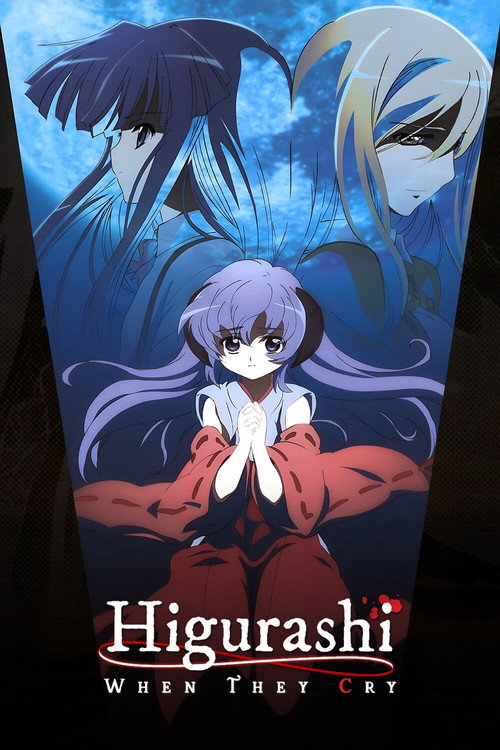
After moving into the quiet town of Hinamizawa, Maebara Keiichi spends his days blissfully in school often playing games with his local friends. However, appearances can be deceiving. One fateful day, Keiichi stumbles upon news of a murder that had occurred in Hinamizawa. From this point on, horrific events unfold in front of Keiichi, as he soon learns his close friends may not be all that they seem.
Higurashi: When They Cry

After awakening in the Edo era, a neurosurgeon uses his medical knowledge to help those around him while searching for a way back to the present day.
Jin

Twins Tal and Janelle relocate from Ohio to Atlanta, where at their new school High Water is always a beat.
Step Up
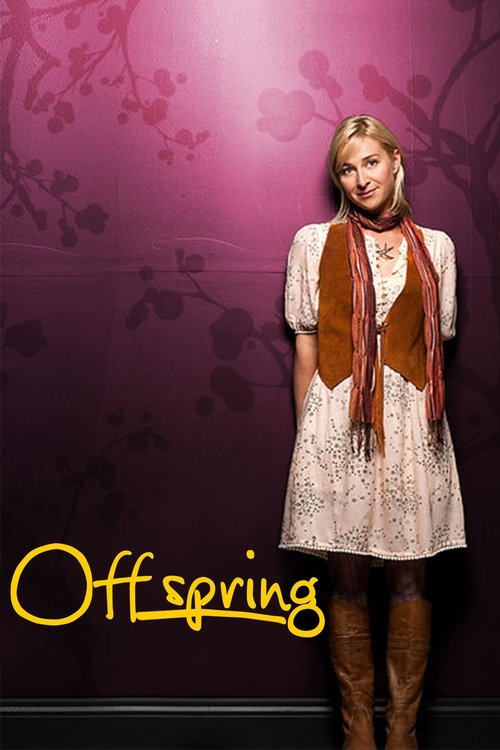
An exuberant drama set in Melbourne's Fitzroy, centering on Nina Proudman and her struggle to deal with her fabulously messy family, her hunt for a decent love life and her tendency to overthink and fly off into fantasy.
Offspring

After Neurosurgeon Maggie Sullivan’s personal and professional life are thrown into turmoil she returns home to Sullivan’s Crossing. While there, Maggie is forced to navigate her complicated present while confronting the painful past she has chosen to ignore for years.
Sullivan's Crossing
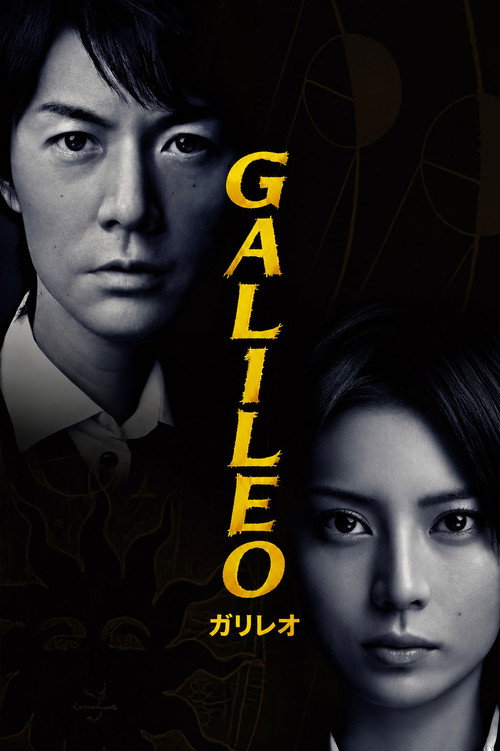
Narrates the events and cases encountered by Kaoru Utsumi, a rookie detective, and Manabu Yukawa, a university associate professor, while the two pair up to solve many mysterious cases.
Galileo
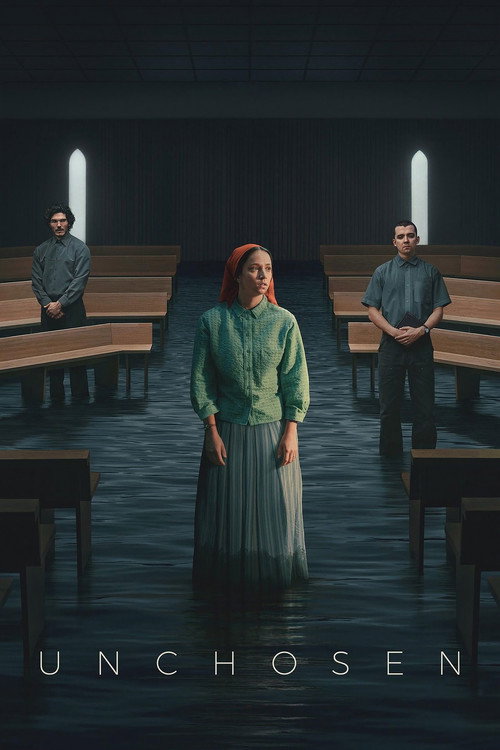
When a young mother from a sheltered cult crosses paths with a mysterious stranger, she embarks on a risky affair that awakens desires and dark secrets.
Unchosen
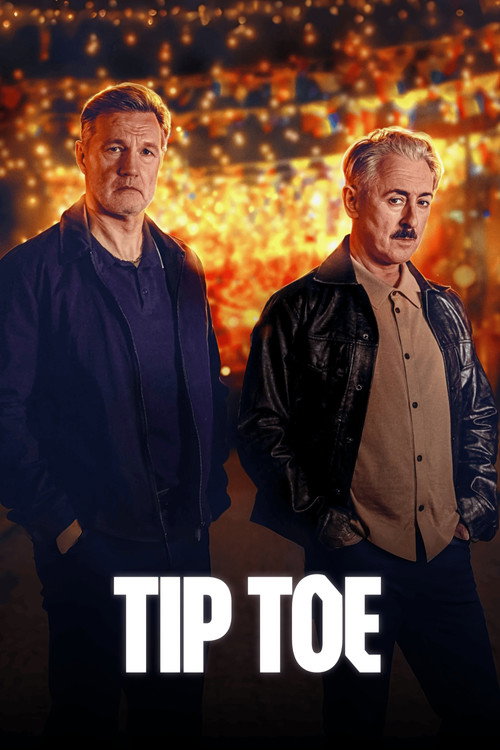
Neighbours Leo and Clive have lived next door for 15 years, and become deadly enemies as the world around them grows more tense, exploring the prejudices creeping into modern life.
Tip Toe

Four young physicians are assigned to the “Doctor Helicopter” system, the latest medical system where a medical team is dispatched to the patients via helicopter to provide medical care in the field as soon as possible. The doctors experience traumatic medical situations, deal with personal ambitions, and witness the fragility of life, all while growing personally and professionally.
Code Blue
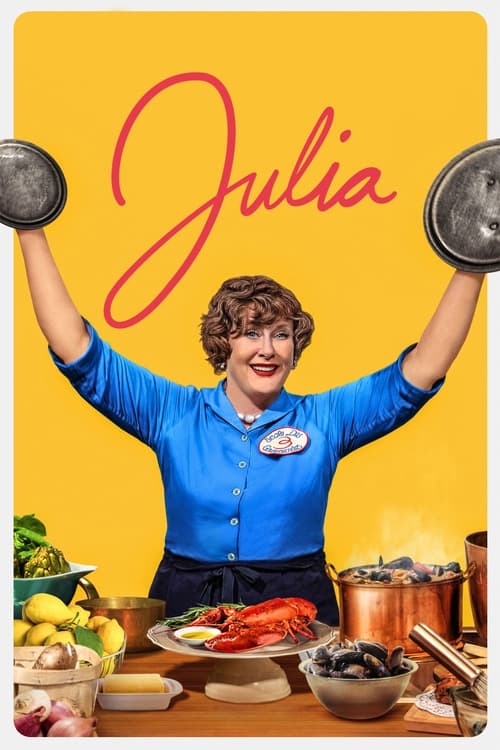
Through Julia Child’s life and her singular joie de vivre, the series explores a pivotal time in American history – the emergence of public television as a new social institution, feminism and the women's movement, the nature of celebrity and America's cultural evolution.
Julia
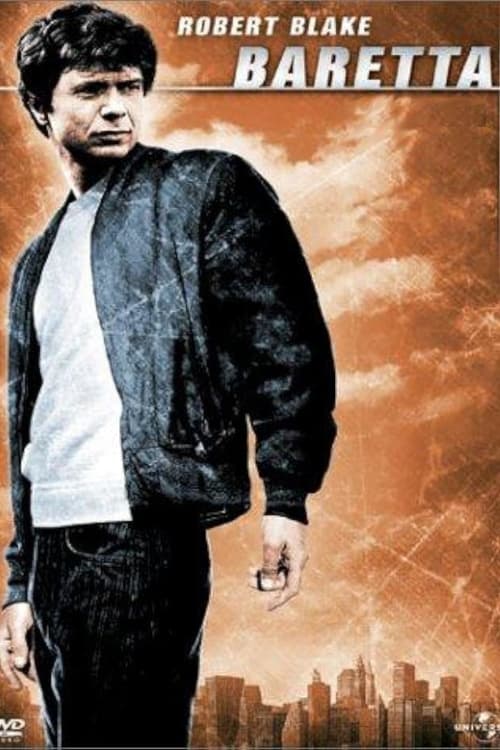
Baretta is an American detective television series which ran on ABC from 1975 to 1978. The show was a milder version of a successful 1973–74 ABC series, Toma, starring Tony Musante as chameleon-like, real-life New Jersey police officer David Toma. While popular, Toma received intense criticism at the time for its realistic and frequent depiction of police and criminal violence. When Musante left the series after a single season, the concept was retooled as Baretta, with Robert Blake in the title role.
Baretta
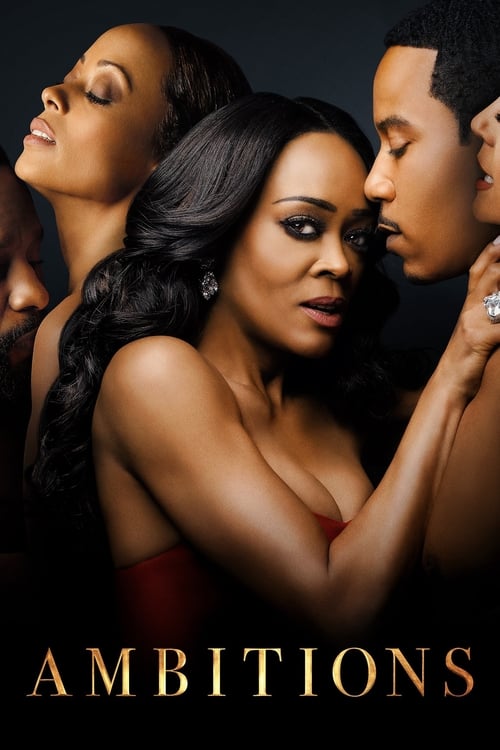
A multigenerational family saga centered around one woman who, having recently relocated and intent on revitalizing her marriage, finds herself going head to head with some of the most powerful and deceitful players in the city.
Ambitions

A penniless mother makes an impulsive decision in the jewellery shop where she works, and is propelled into a different world.
Joan
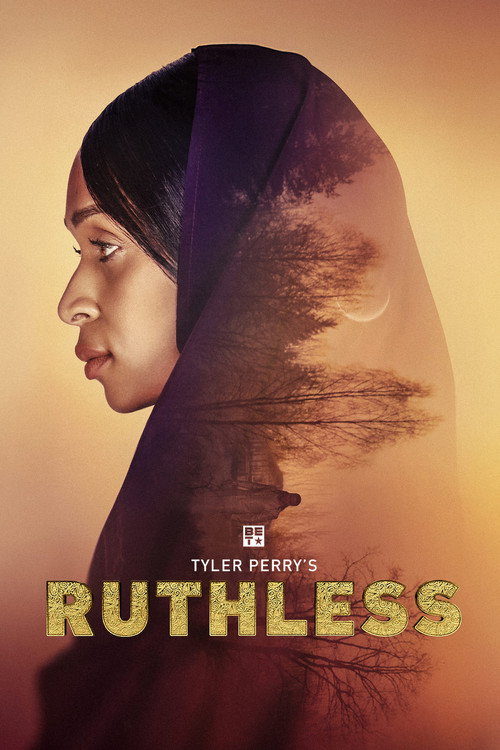
A spinoff of "The Oval," follows Ruth Truesdale as she's forced to play nice with a scandalous religious cult of powerful sex crazed fanatics in the hopes of freeing herself and her daughter.
Tyler Perry's Ruthless
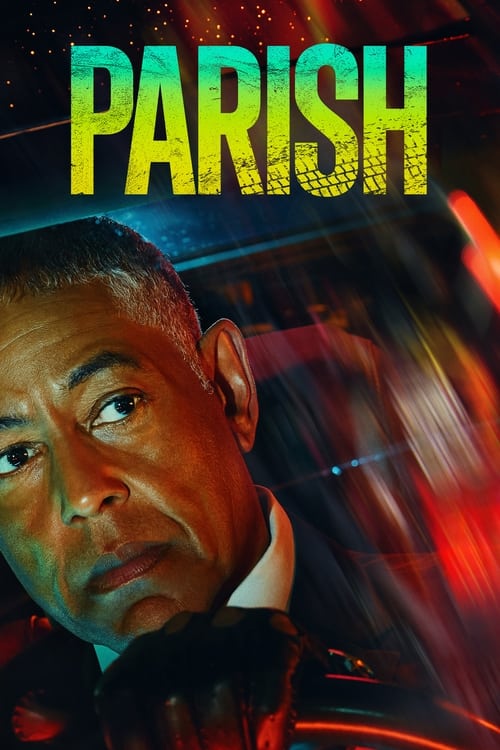
Gray Parish is a good man with a troubled past who gave up his life of crime for life as a family man. But when his son is violently murdered, old habits return, sending him on a relentless quest with moral intentions and dangerous consequences.
Parish
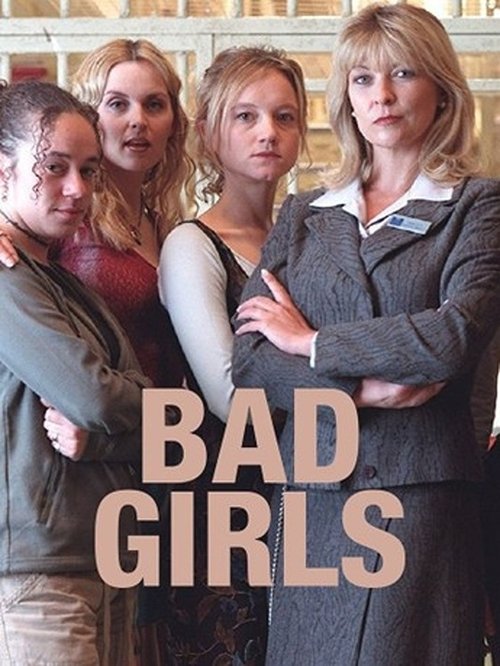
Bad Girls is a British television drama series that was broadcast on ITV from 1 June 1999 to 20 December 2006 and starred Simone Lahbib, Mandana Jones, Debra Stephenson, Linda Henry, Jack Ellis and many more throughout the eight-year run. The series was broadcast in 17 countries and was produced by Shed Productions, the company which later produced Footballers' Wives and Waterloo Road. It is set in the fictional women's prison of Larkhall, and features a mixture of serious and light storylines focusing on the prisoners and staff of G Wing. From 2010, the UK broadcast rights were bought by CBS Drama, and is repeated regularly – as of September 2012, the channel is re-running the series again in a late-night time slot.