Acting
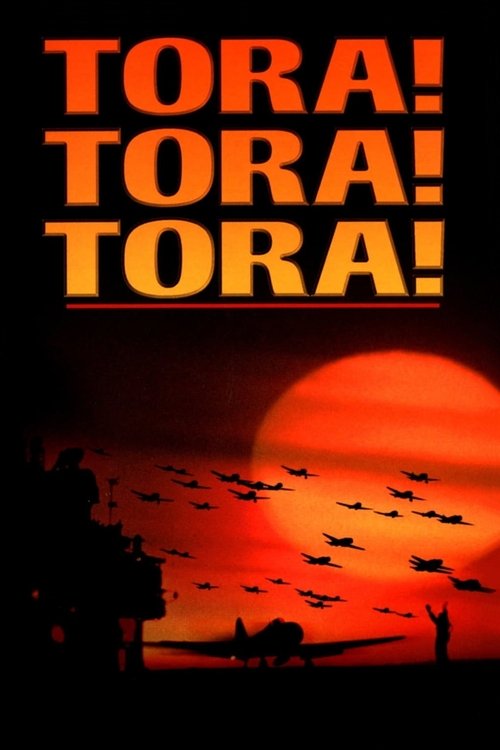
In the summer of 1941, the United States and Japan seem on the brink of war after constant embargos and failed diplomacy come to no end. "Tora! Tora! Tora!", named after the code words used by the lead Japanese pilot to indicate they had surprised the Americans, covers the days leading up to the attack on Pearl Harbor, which plunged America into the Second World War.
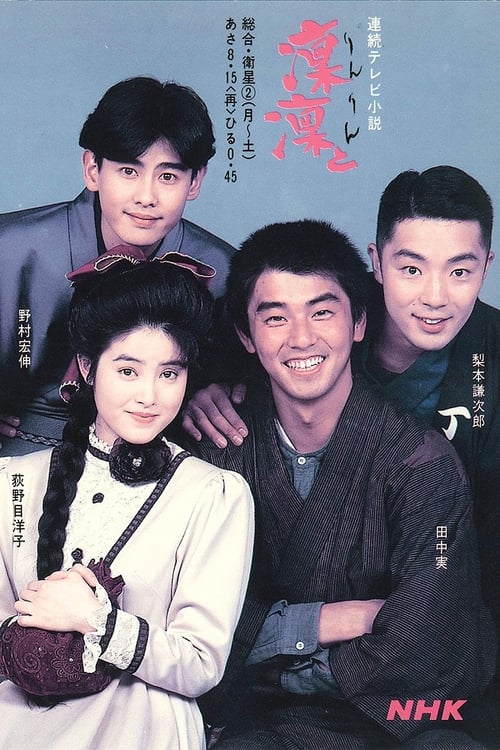
The 44th NHK Asadora about a man who developed an early television system.
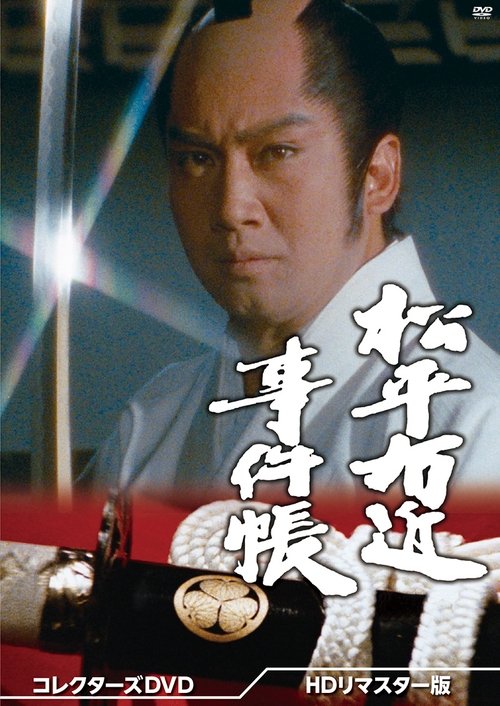
In this gripping period drama, Matsudaira Ukon, the younger brother of the 11th Tokugawa Shogun Ienari, lives in the city as Yabutaro, a doctor in the Ukiyo Koji district, while fighting the evil that has infested the city of Edo.
No description available.
The story of Ryoma Sakamoto, considered to be the architect behind the downfall of the Tokugawa shogunate. He was considered an outlaw by his own clan, hunted by his government, and was despised by supporters of the Shogun as well as the Loyalists for desiring the opening of Japan to the West in order to learn its technology, in the hopes of one day defeating the West with a modern army and navy.
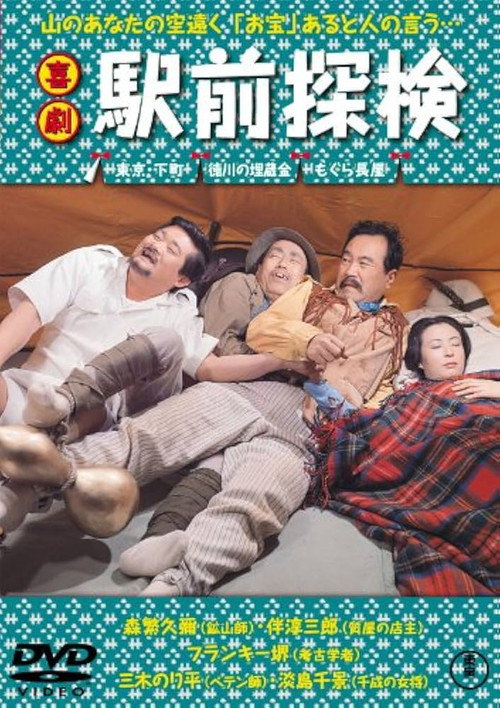
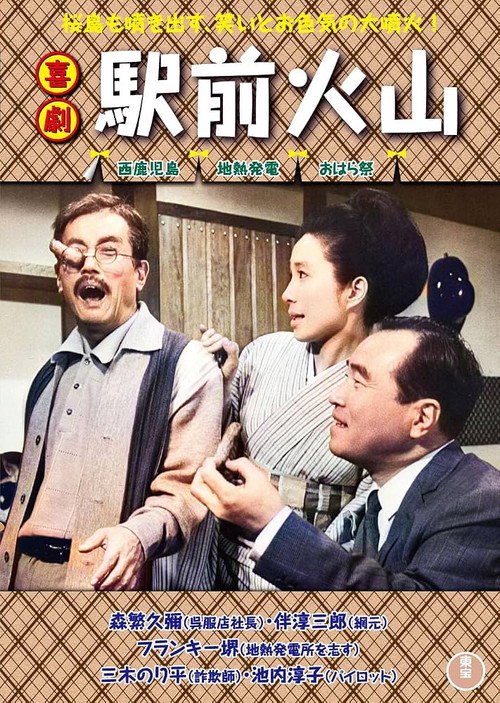
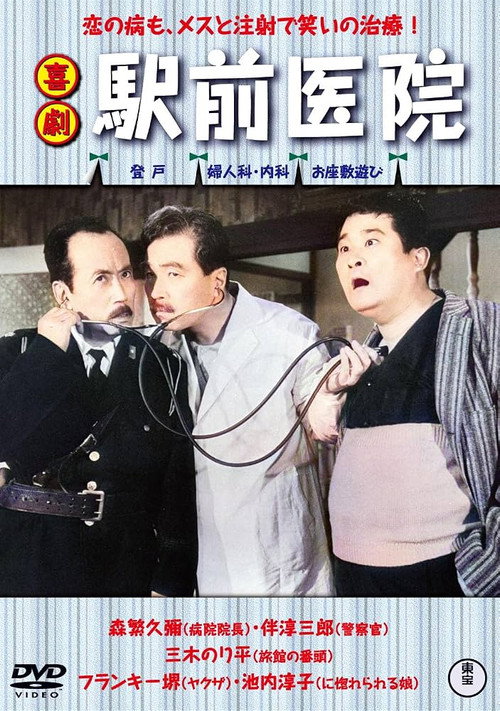
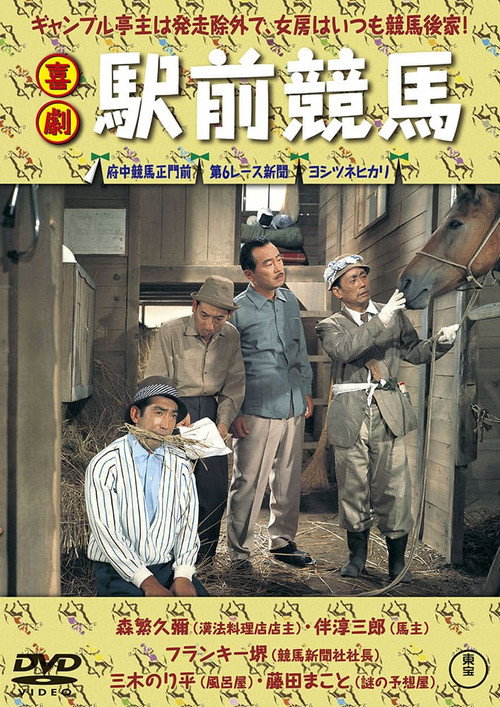
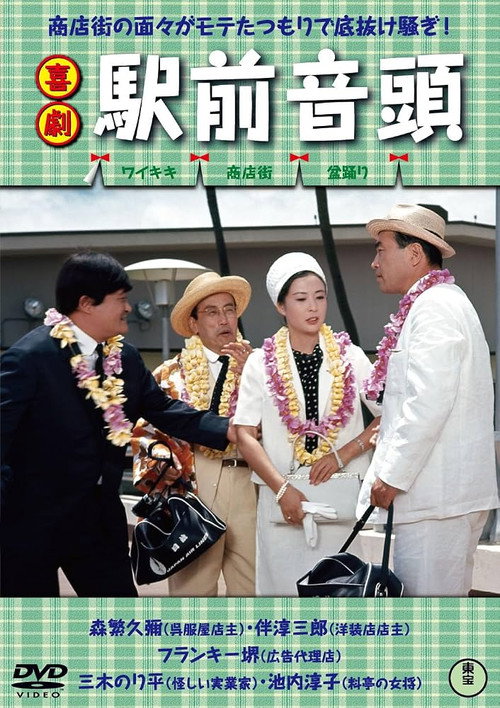
Late entry "Ekimae" feature, about the hunt for lost treasure.
The 18th "Ekimae" feature.
The 16th "Ekimae" feature.
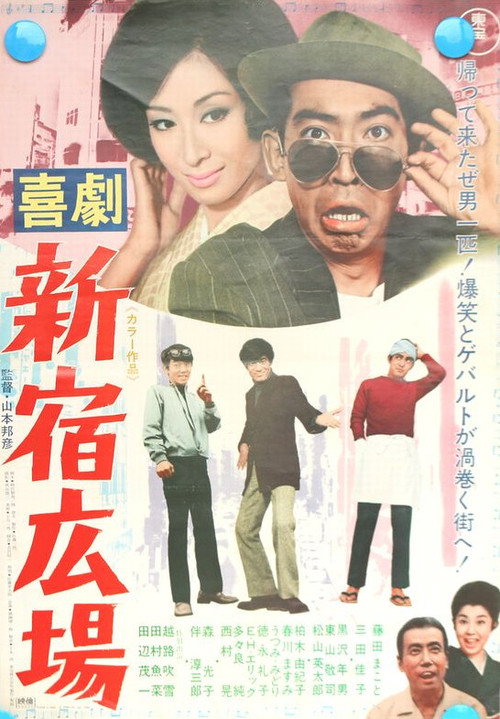
Comedy about residents of Shinjuku.
Penultimate 23rd "Ekimae" comedy is about oil-field exploration.
The 11th "Ekimae" feature.
The 17th "Ekimae" feature.
15th entry in the Ekimae series, surrounding the then-insanely popular Weekly Shounen Sunday series Osomatsu-kun and Obake no Q-Taro.
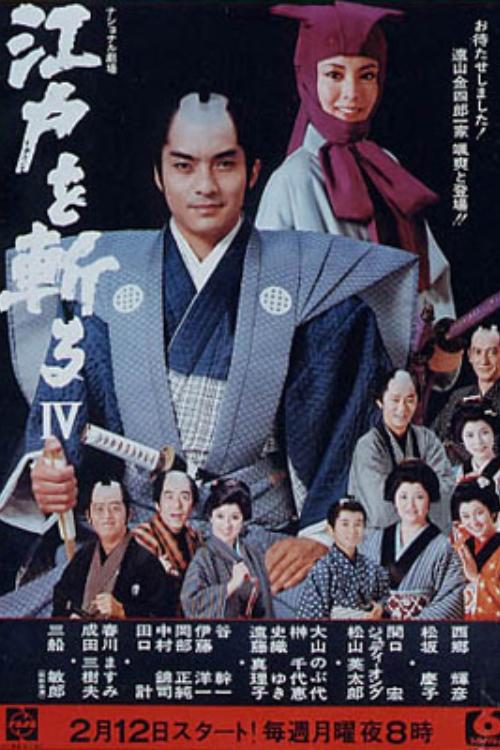
Edo wo Kiru (江戸を斬る) was a popular jidaigeki on Japan's TBS. It lasted through eight series, with several casts and settings.
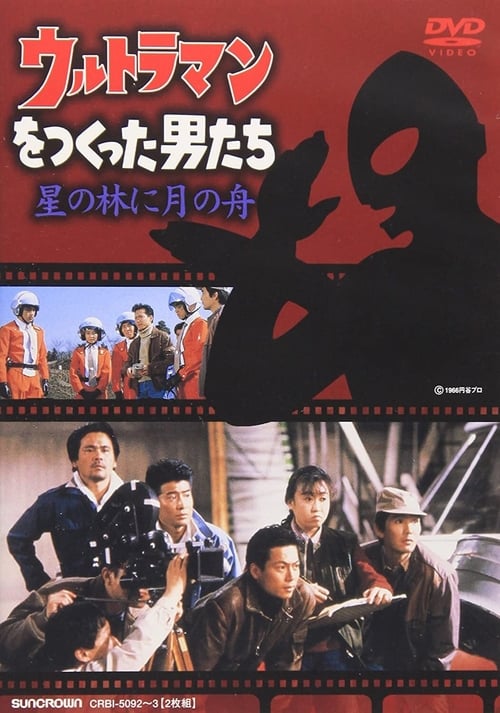
A biographical dramatization about the production of the original Ultraman, the beloved classic special effects fantasy series from Eiji Tsuburaya.
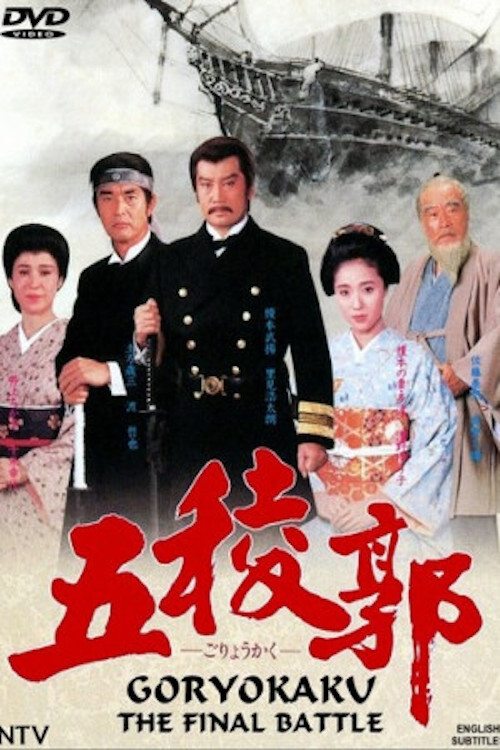
After the fall of the Tokugawa Shogunate, there was a series of battles fought while the former supporters of the Tokugawa shogunate retreated to the north where they actually started a sovereign nation that was recognized by more than one European country. Survivors of the Shinsengumi were among the followers of Enomoto Takeaki who took them to the northernmost island of Ezo where they fought their final battle at the star shaped fort, Goryokaku. The Japanese Civil Wars fought in the name of the emperor signaled the complete end of the feudal system and Japan’s entry into the modern world as those brave samurai tried to halt progress and learned that the age of modern warfare and weaponry had passed them by. Swords were no match for rifles and cannons, nor was any man a match for the power of the imperial flag. Japanese loyalty to the emperor has long defined the nation and culture despite the changing times.
Shinkichi, a peasant employed as a cloth-dyer, has a dream: in the midst of the civil war which ravages Japan, he hopes to revive the long-banned custom of the Kyoto Gion Festival, and by doing so, bring together the warring clans and rampaging brigands in peaceful celebration.
1967 Japanese movie
The 9th "Ekimae" feature.
The film depicts a group of boys and girls who graduate from a local junior high school and head to Tokyo to find employment, and the teachers who watch over them. Co-written by newcomer Shigeki Chiba and Kaneto Shindo, the film was directed by Kozaburo Yoshimura.