Kusa Moeru

Episodes
You might also like

An English navigator becomes both a player and pawn in complex political games in feudal Japan.
Shōgun

A young orphan named Biwa is taken in by the powerful Taira Clan—also known as the Heike—after their leader witnesses her extraordinary psychic abilities. Unfortunately, what she predicts is a future of bloodshed, violence, and civil war. Inspired by the 12th-century epic tale Heike Monogatari.
The Heike Story
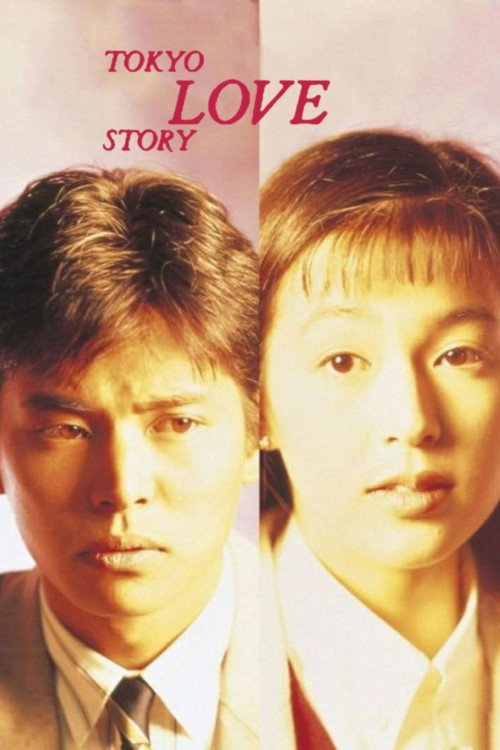
Nagao Kanji who comes from Ehime Prefecture joins Heartsports company located in Tokyo, where he met lovely and sunny Akana Rika. The love story begins.
Tokyo Love Story

A series of British television films featuring William Shakespeare's History Plays.
The Hollow Crown
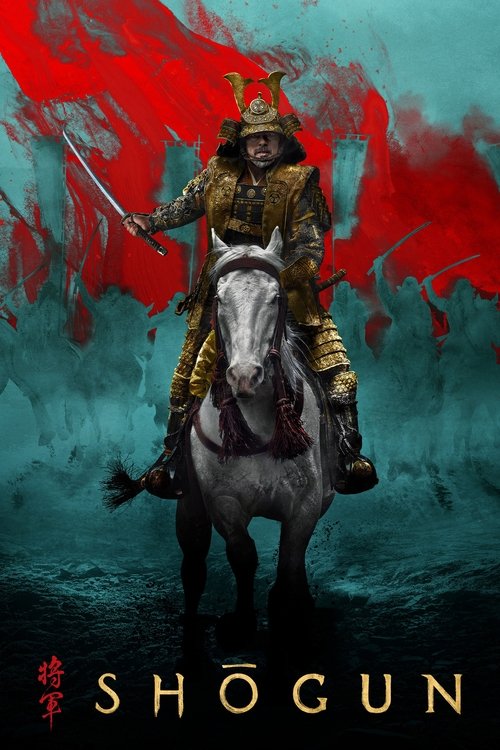
In Japan in the year 1600, at the dawn of a century-defining civil war, Lord Yoshii Toranaga is fighting for his life as his enemies on the Council of Regents unite against him, when a mysterious European ship is found marooned in a nearby fishing village.
Shōgun
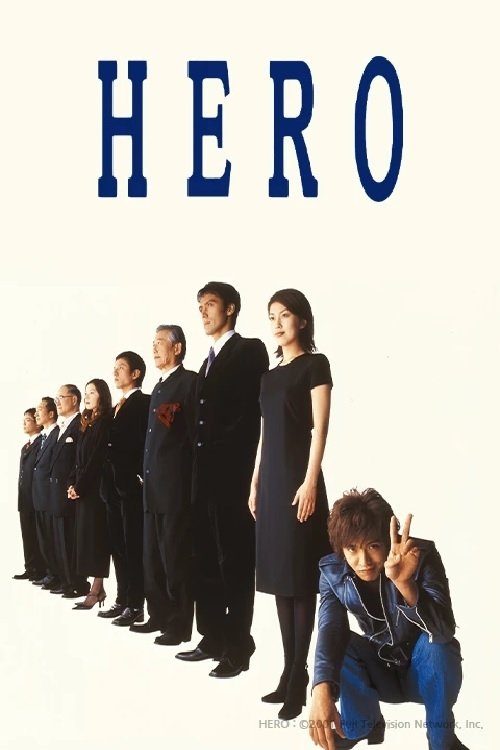
Former delinquent turned unconventional prosecutor Kohei Kuryu shakes up the legal world with his street-smart instincts and unorthodox style, clashing with ambitious colleague Maiko Amamiya while his relentless pursuit of justice gradually transforms those around him.
Hero
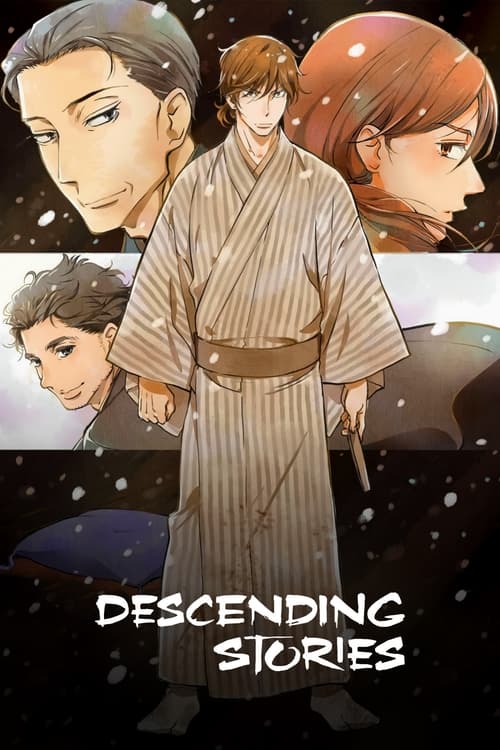
When a certain man is released from prison, he knows exactly where he's heading first. After falling in love with a traditional comic storyteller's rendition of the story called "Shinigami," he is determined to become his apprentice. The performer, Yakumo, has never taken an apprentice before, but to everyone's surprise, he accepts the eager ex-prisoner, nicknaming him "Yotaro." As Yotaro happily begins his new life, he meets others in Yakumo's life, including Yakumo's ward Konatsu. Konatsu was the daughter of a famous storyteller, and Yakumo took her in after her father's tragic death. Konatsu loved her father's storytelling, and would love to become a performer in her own right—but that path is not available for women.
Descending Stories

Through Julia Child’s life and her singular joie de vivre, the series explores a pivotal time in American history – the emergence of public television as a new social institution, feminism and the women's movement, the nature of celebrity and America's cultural evolution.
Julia
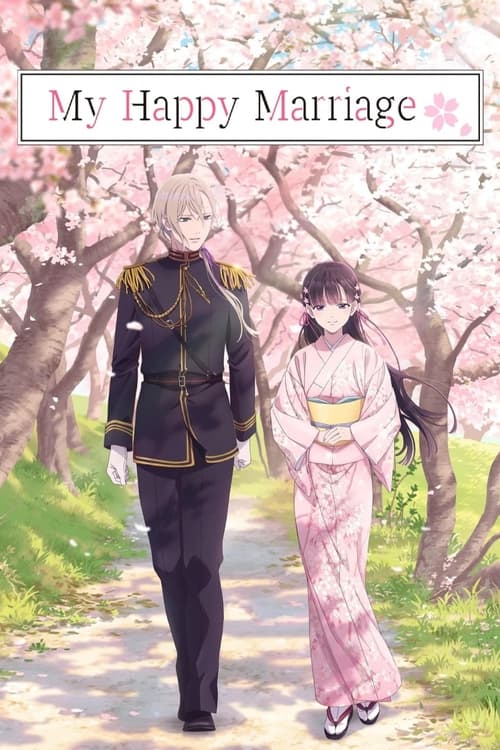
Miyo's abusive family deems her worthless – but together with her powerful husband-to-be, her true self and hidden powers slowly begin to shine.
My Happy Marriage
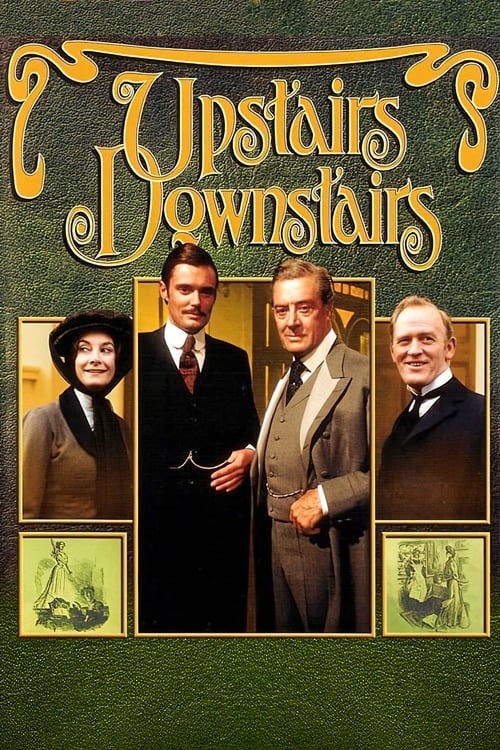
Upstairs: the wealthy, aristocratic Bellamys. Downstairs: their loyal and lively servants. For nearly 30 years, they share a fashionable townhouse at 165 Eaton Place in London’s posh Belgravia neighborhood, surviving social change, political upheaval, scandals, and the horrors of the First World War.
Upstairs, Downstairs
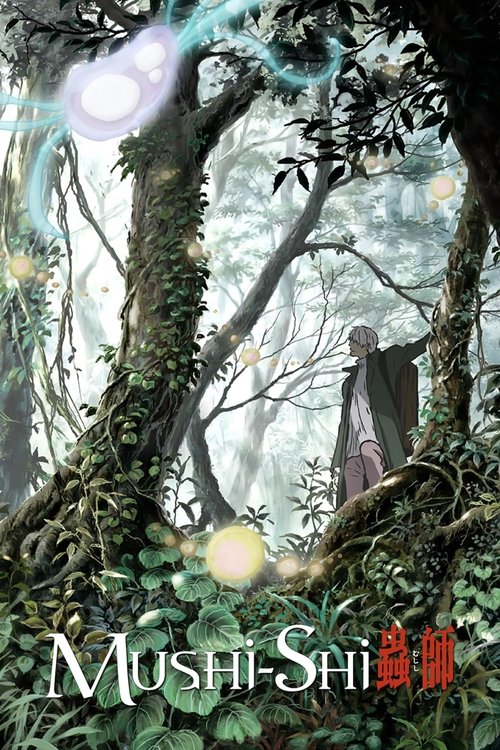
Ginko, a Mushi master, travels from place to place researching the Mushi and helping people who are suffering because of it.
Mushi-Shi

Dublin, 1868. The Guinness family patriarch is dead, and his four children — each with dark secrets to hide — hold the brewery's fate in their hands.
House of Guinness

An animated adaptation of six classical Japanese literature pieces, including No Longer Human (Ningen Shikkaku) and Run, Melos (Hashire, Melos) by Osamu Dazai, Kokoro by Natsume Souseki, Hell Screen (Jigoku Hen) and The Spider's Thread (Kumo no Ito) by Ryunosuke Akutagawa and In the Forest, Under Cherries in Full Bloom (Sakura no Mori no Mankai no Shita) by Ango Sakaguchi.
Aoi Bungaku Series

Furuhata Ninzaburō is a Japanese television series that ran periodically on Fuji Television from 1994 until its final episodes in 2006. It was written by Japanese playwright Kōki Mitani and is often referred to as the Japanese version of Columbo. The series is a police detective drama starring actor Masakazu Tamura as Furuhata Ninzaburo and Masahiko Nishimura as his stereotypically bumbling sidekick, Shintaro Imaizumi. The program aired weekly and featured a guest villain each time, usually a famous talent in Japan. Pop-stars like SMAP, television hosts like Sanma Akashiya and even sports figures like Ichiro Suzuki have been featured on this program. It was one of the most popular television dramas in the history of Japanese television, having spawned several seasons and TV specials.
Furuhata Ninzaburo
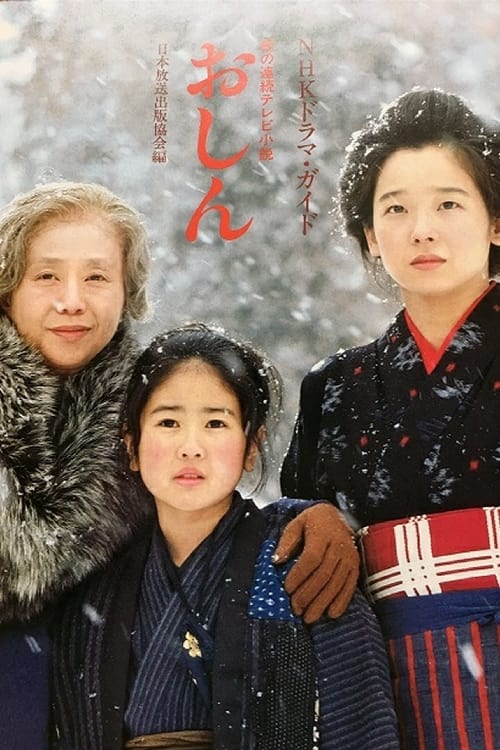
Oshin is a Japanese serialized morning television drama, which aired on broadcaster NHK from April 4, 1983 to March 31, 1984. The series follows the life of Shin Tanokura during the Meiji period up to the early 1980s. Shin was called "Oshin", which is an archaic Japanese cognomen.
Oshin

Yukito Kunisaki is on a journey in search of the Winged Maiden who was bound to the sky centuries ago after hearing the old childhood tale from his mother. As Yukito shows his puppet show to people in an attempt to make some money, he finds himself in a small town in which he did not expect to stay very long. However, when he meets an unusual girl named Misuzu, things take a drastic turn as he is invited to stay with her.
Air
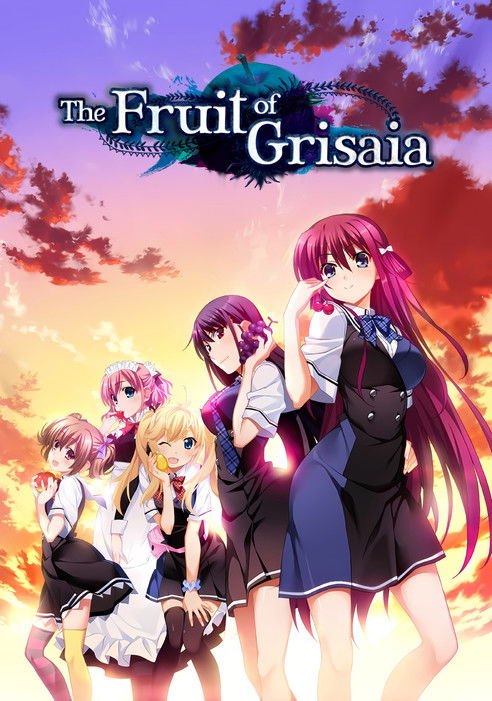
Mihama Academy—on the surface, a closed learning environment established to nurture students who find themselves at odds with the world around them; in actuality, an orchard-cum-prison built to preserve fruit that has fallen too far from its tree. Yet with the arrival of the institute's first male student, the nearly preposterously opaque Kazami Yuuji, the students at Mihama begin to fall out of step with their predetermined rhythms. Will Yuuji prove to be the element the girls around him needed to take hold of their lives once more, or will the weight of their pasts prove too steep a wall to overcome?
The Fruit of Grisaia
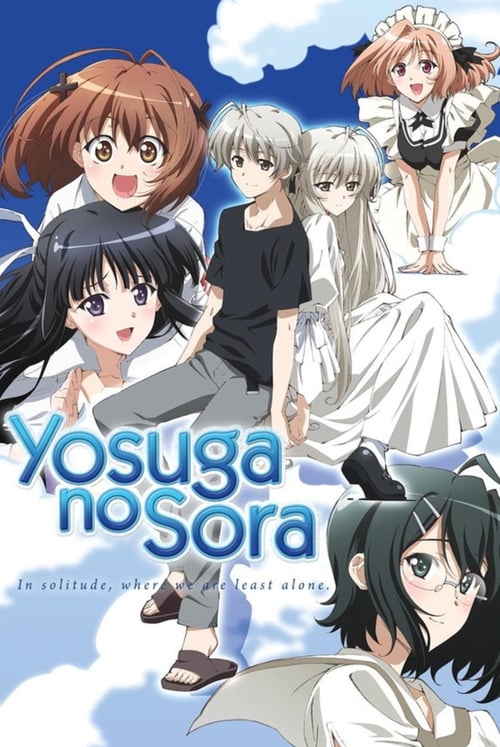
Kasugano Haruka and his sister Sora have lost both their parents in an accident, and with them all their support. They decide to move out of the city to the rural town where they once spent summers with their late grandfather. At first everything seems familiar and peaceful, but changes come as Haruka starts to remember things from his youth.
Yosuga no Sora
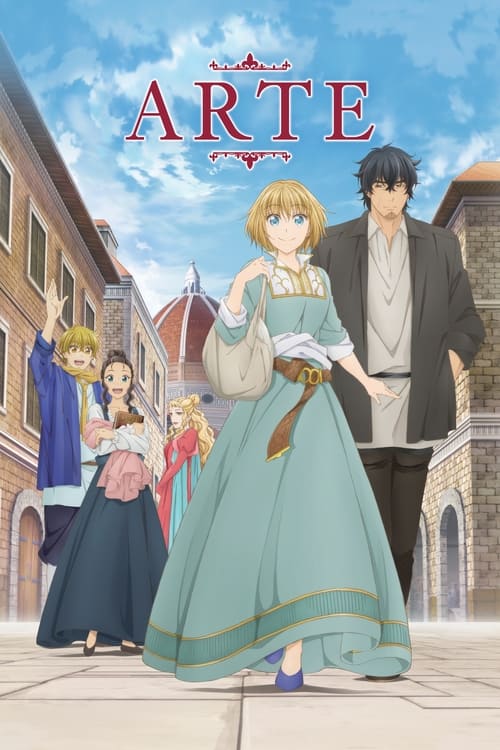
Born into an aristocratic family in Florence, Italy, during the 16th century Renaissance era, Arte has dreams of becoming an artist. In an age of social classes, Arte is willing to cast aside her aristocratic lifestyle and stops at nothing to achieve her dreams. She finds apprenticeship in a painting studio owned by Leo, an artist who is strict but prioritizes ability over gender.
Arte
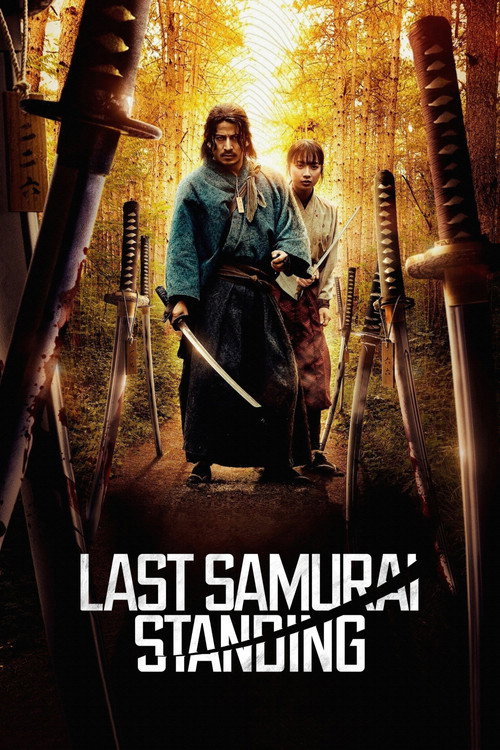
In the early Meiji era, Shujiro, once known as an undefeated samurai, decides to participate in a deadly survival game to save his family and villagers.