Tomu Uchida
Directing
Biography
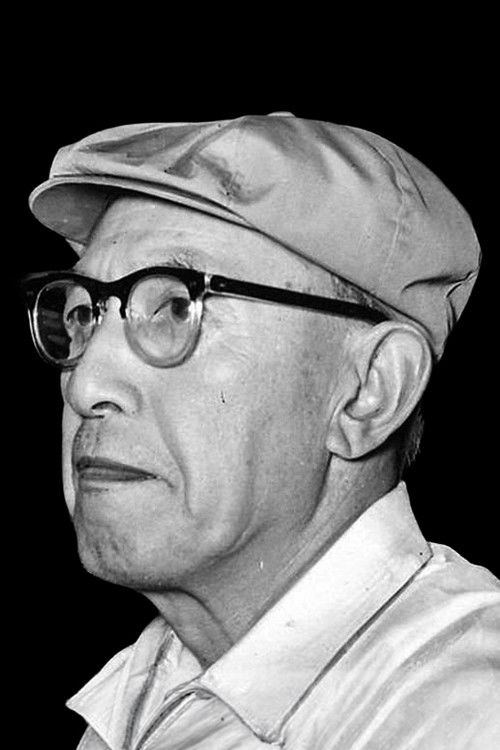
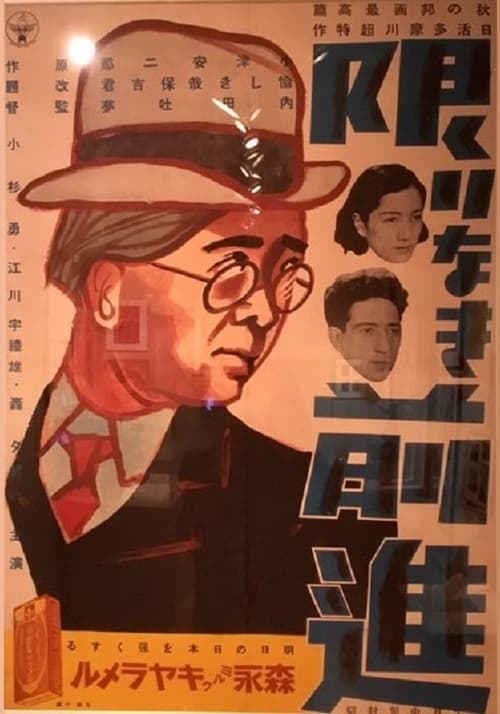
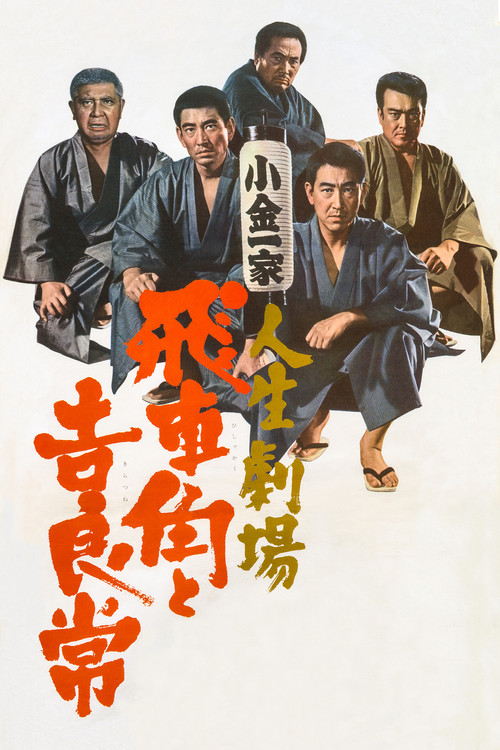
Uchida started out at the Taikatsu studio in the early 1920s, but came to prominence at Nikkatsu, adapting literary works with the screenwriter Yasutarō Yagi in a realist style. His 1929 film A Living Puppet (Ikeru ningyo) was selected as the fourth best film of the year by the film journal, Kinema Junpo. Many of his 1930s films featured the actor Isamu Kosugi. One such work, Policeman (Keisatsukan), has been called "a tremendously stylish gangster movie about the love-hate relationship between a cop and a criminal, once childhood friends" It is Uchida’s only surviving complete silent film. Uchida borrows from Hollywood gangster films and expressionist techniques in a story of a young policeman tracking down an old friend who is now a criminal. His work from the 1920 and 1930s possess a leftist social commentary and were often some of the most critically acclaimed films of the time. Kinema Junpo selected Jinsei Gekijo as the number two film of 1936, Karininaki Zenshin as the best film of 1937, and Tsuchi as the best film of 1939. The latter was praised for its realistic depiction of the lives of poor Meiji-period tenant farmers. Unfortunately, few of Uchida's prewar works survive in their entirety. In 1941, Uchida quit the Nikkatsu studio, and after failing to start his own production company, in 1943 began to work with the Manchukuo Film Association, although he never completed a film there. In 1945 he was taken prisoner and held in Manchuria until 1954, when he returned to Japan. Upon he return, he joined the Toei studio. His post-war movies reveal a strong genre stylist with no immediately discernible themes, much like many golden-age Hollywood directors. Uchida effortlessly directed chamber dramas, comedies, and samurai epics, often in color, and with a forward-looking dose of irony.
Known For

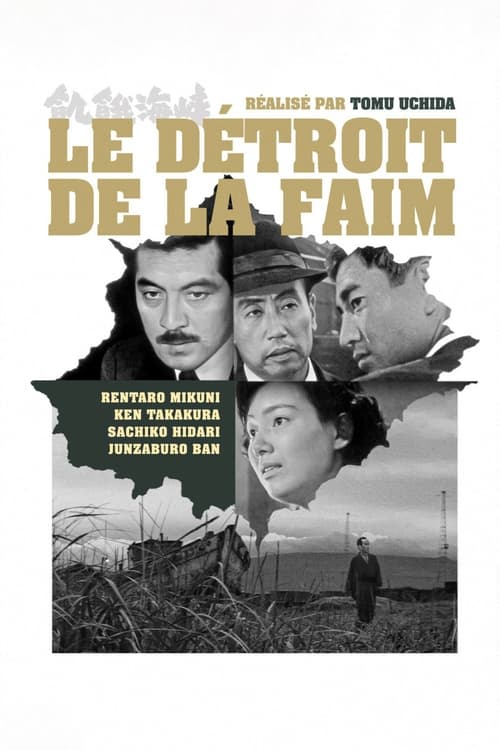
Three robbers escape with loot from a heist before one of them kills the others. Their corpses wash up near the aftermath of a maritime calamity, provoking a policeman's interest.
A Fugitive from the Past

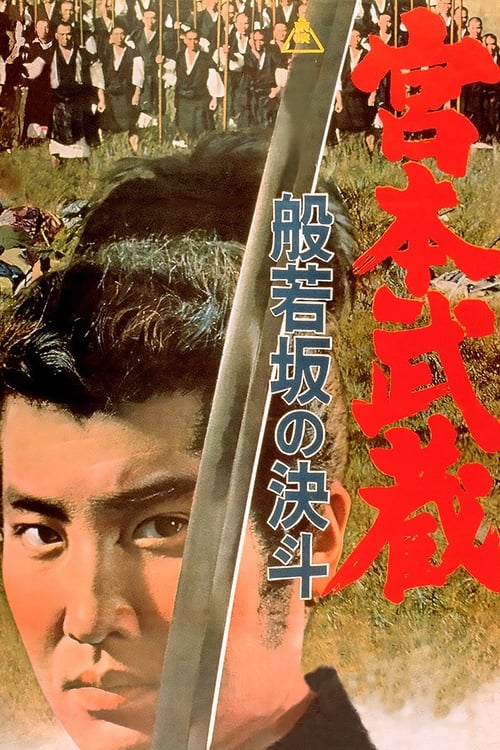
The remake of Yoshikawa's novel continues with the second installment in which Takezo, soon to be Miyamoto Musashi, emerges from the Himeji Castle after three years of intense contemplation and philosophical study and starting on his epic quest to complete his skill in the Way.
Miyamoto Musashi: Showdown at Hannyazaka Heights

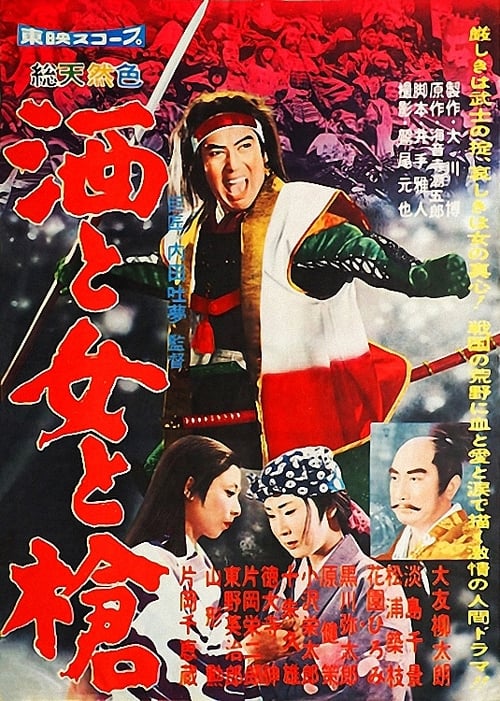
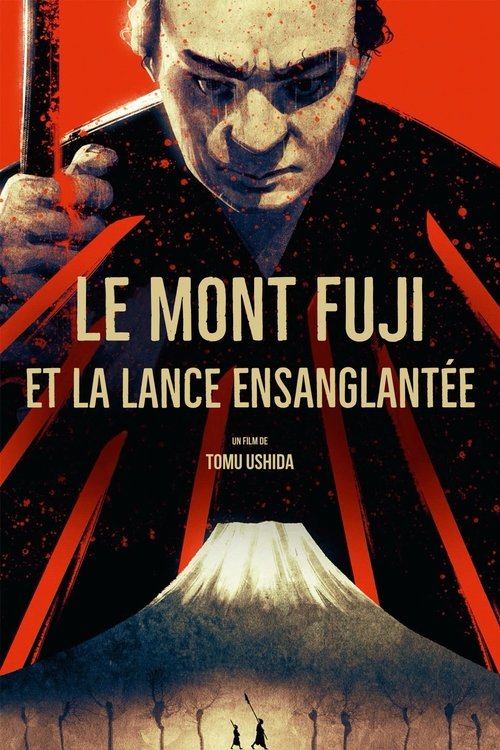
Tragicomic road movie set during the Edo period. It follows a samurai, his two servants – including spear-carrier Genpachi – and the various people they meet on their journey, including a policeman in pursuit of a thief, a young child and a woman who is to be sold into prostitution.
Bloody Spear at Mount Fuji

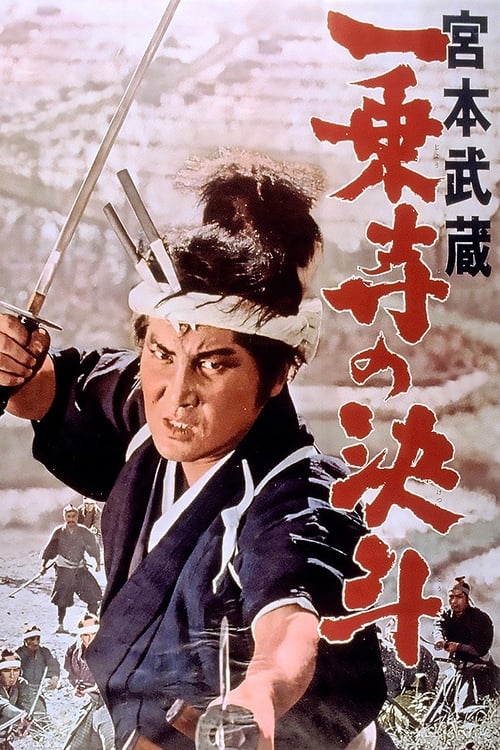
In the fourth installment, Musashi's potentially greatest opponent Kojiro jumps in and out of the story at the oddest and most coincidental moments. As his great love Otsu has succumbed to madness. Musashi then sets off to beat the functionaries of a treacherous clan in an arranged duel. 73 against one. Boastful Kojiro watches, secure in the knowledge that only he is a worthy opponent.
Miyamoto Musashi IV: The Duel at Ichijo-ji Temple

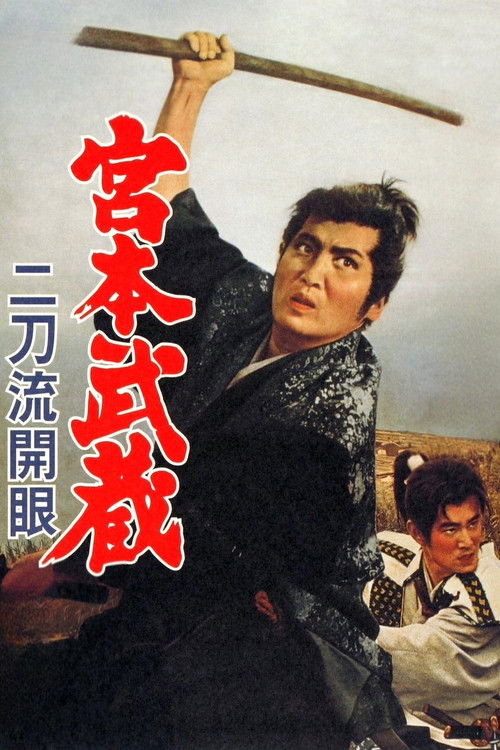
In the third installment of Yoshikawa's novel Musashi, things continue from the 2nd film at the end of battle, where Miyamoto continues on a mission of learning; with the introduction of his arch-rival Sasaki Kojiro; and lastly the large cast of characters rendezvouses for a fateful finale.
Miyamoto Musashi III: Birth of Two Sword Style

The fifth and final installment with the build up of the epic battle between Sasaki Kojiro and Miyamoto Musashi. With all the familiar characters making appearances: Otsu (Musashi's great love), Akemi, Matahachi (his former fellow soldier), old lady Osugi (still doggedly trying to defeat Musashi), and even the return of Priest Takuan (the man responsible for his journey towards enlightenment). But most of all, the boastful, long-haired and long-sworded Sasaki Kojiro.
Miyamoto Musashi V: Musashi vs Kojiro

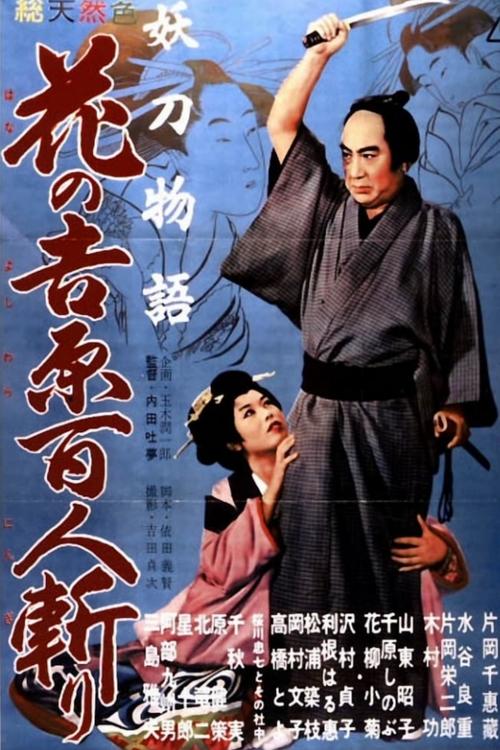
A successful textile industrialist from the provinces, who is beloved by his employees for his kindness, cannot find a wife because of a disfiguring birthmark on his face. Even the courtesans in Yoshiwara refuse to entertain him, until an indentured peasant prostitute, Tamarazu, takes the unsavoury assignment and treats him with brash tenderness.
Hero of the Red Light District

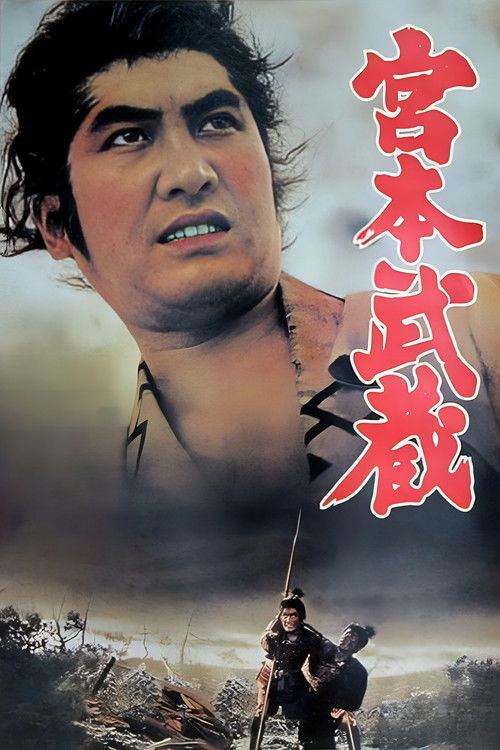
In this first episode, we are introduced to Takezo, what Musashi used to be before he became the man of legend. His beginning are not exactly auspicious. He sides with the Toyotomi at Sekigahara, and as a result finds himself on the losing side of the historic battle. He and his friend Matahachi manage to escape the slaughter although the latter is wounded in his leg. They stumble across the young Akemi who makes her living with her mother Oko by robbing corpses of their armor and anything else they can sell. Oko takes it into her head to seduce Matahachi, which she does first by skillfully sucking the gangrene from his blood, and then just by sucking.
Miyamoto Musashi

Chubei, the adopted son of an Osaka courier, falls desperately in love with the courtesan Umegawa. To prevent a wealthy client from purchasing her, he steals money from his employer to buy her freedom himself. Now hunted criminals, the lovers flee toward Yamato, pursued by the law.
Chikamatsu's Love in Osaka

Based on a 1956 television feature on Japan’s national network, NHK, this is one of Uchida’s rarest films. A socially conscious drama with a contemporary backdrop, Dotanba focuses on the attempts to rescue a group of trapped miners. The title is a figure of speech — (essentially “last minute” or “eleventh hour”) — that refers to a situation of peril. The film boasts a script co-written by Uchida and Akira Kurosawa’s frequent screenwriter, Shinobu Hashimoto, and stars Kurosawa’s frequent star Takashi Shimura.
The Eleventh Hour

A humble page fathers a child by the daughter of a clan official and is banished. Years later, the child, now a stable boy, is reunited with his father, but feudal codes threaten their happiness. Uchida’s poignant masterpiece condemns the inflexible class system and launches an indictment of values that favor symbolic objects over human life. The film’s focus is on character rather than swordplay, and charged performances - especially child actor Motoharu Ueki - add to the emotional power.
The Horse Boy

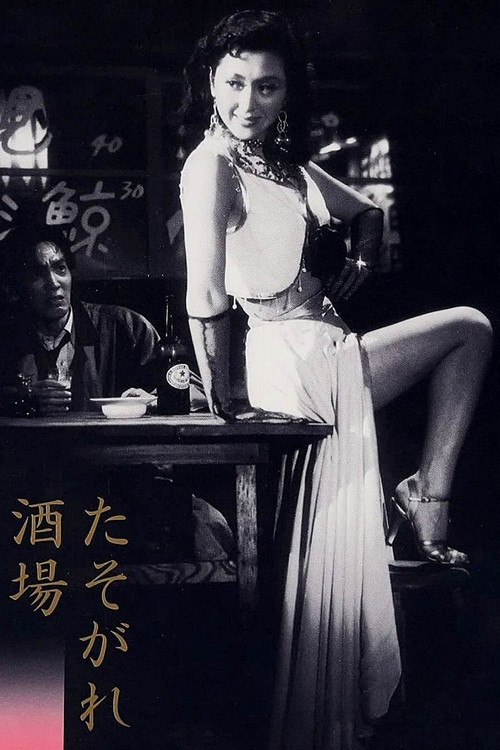
Inside a bustling postwar Tokyo beer hall, a diverse group of patrons, performers, and workers spend a single evening navigating their personal frustrations and social anxieties. A disillusioned professor, a struggling artist, and various laborers find their lives intersecting through chance encounters and heated arguments fueled by drink.
Twilight Saloon

This is the second installment of the trilogy based on Japan’s greatest novel “The Great Bodhisattva Pass”, following the life and times of bloodthirsty samurai, Tsukue Ryunosuke. Blinded in an explosion and further injured from a fall, the master swordsman is taken in by Otoyo, a woman who falls in love with him. Under Otoyo’s dedicated care, Ryunosuke’s physical and emotional wounds seem to heal. However, deep inside, the demons that drive him to kill yearn to resurface. Meanwhile he is being pursued by Utsugi Hyoma, a young samurai seeking to avenge his brother’s death at Tsukue’s hands. Hyoma is being aided along the way by the clever thief Shichibei.
Souls in the Moonlight II

Nobuko is a widow who lives with her stepchild Tamiko and her brother Junjiro. The family's gatekeeper, Komatsu, is attracted to Tamiko, but she is encouraged to marry a doctor and he is afraid to tell her his feelings.
A Hole of My Own Making

First part of the famous Dai-bosatsu toge trilogy, based on Kaizan Nakazato’s unfinished long series of novels (41 books, written from 1913 to 1941). Set in the last period of the Tokugawa Shogunate, Daibosatsu Toge tells the story of Tsuke Ryunosuke, a nihilistic swordmaster who doesnt hesitate to kill anyone, bad or good. Despite the authors explicit refusal, the series were later made into plays and movies several times.
Souls in the Moonlight

A court fortune-teller loses his mind after a conspiracy leads to the death of his lover. Hope appears to be on the horizon after he becomes romantically involved with his dead lover's twin sister, but more complications arise thanks to a chance encounter with a clan of shape-shifters.
The Mad Fox

Master swordsman, Tsukue Ryunosuke is confronted by the families of his victims. Will justice be served for the lost innocent lives? The conclusion of the famed Jidaigeki series is an amazing film, with a completely different perspective on the story from the later versions. While the international audience is more familiar with the “Sword of Doom” and “Satan’s Sword” versions of Daibosatsu Toge (The Great Bodhisattva Pass), the “Souls in the Moonlight” trilogy casts an entirely different light on Ryunosuke and his motives. Can this brutal killer be brought to justice, or is living his life as a blind wanderer a more terrible fate? His sword skills have not diminished, nor has his desire to kill!
Souls in the Moonlight III

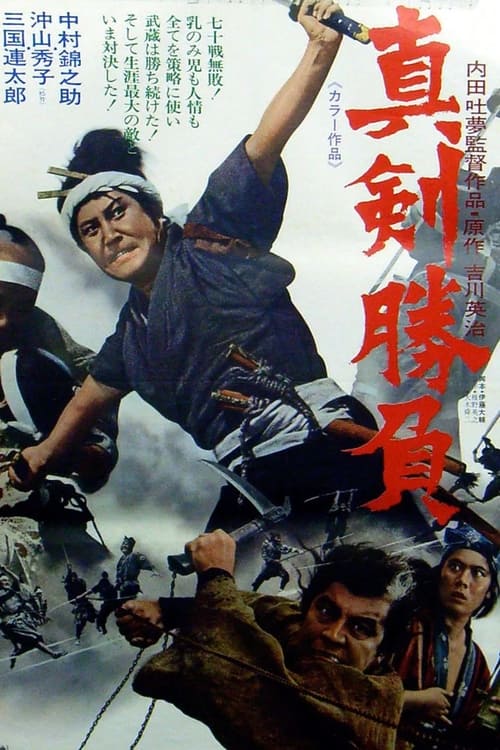
In the sixth and final episode Rentaro Mikuni steals the show as Baiken Shishido, Musashi's nemesis. Mikuni is the nominal villain of the film, but he is a devoted husband and father as well. He tries to kill Musashi only to avenge the death of his brother-in-law. While Baiken (who wields a chain and sickle against Musashi's sword) is a very human character and the emotions that Mikuni displays in his performance are quite believable and engaging
Miyamoto Musashi VI: Swords of Death

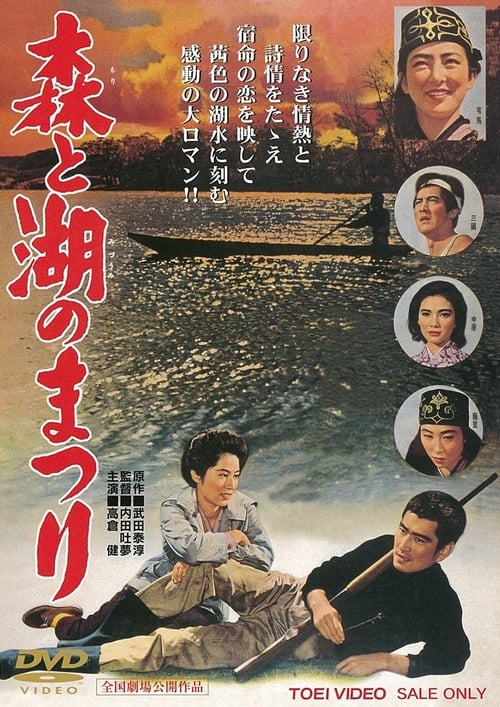
A drama about relations between Japanese immigrants and the indigenous Ainu on Hokkaido, the most northerly island of Japan. From a novel by Taijun Takeda.
The Outsiders

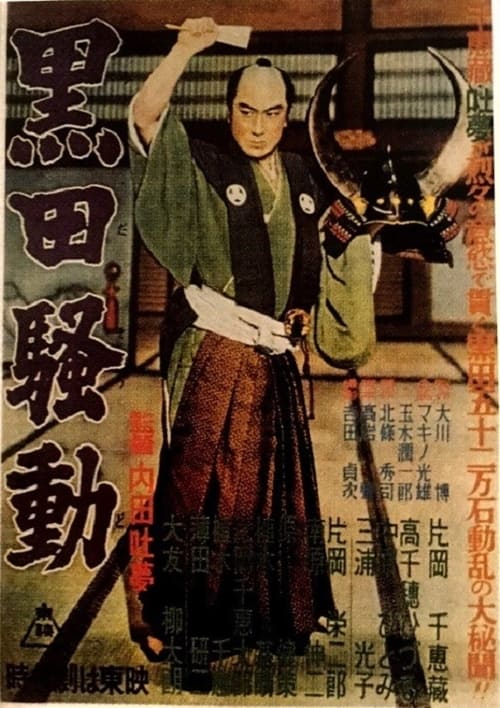
Kanji is a poor peasant widower who struggles to earn a living for his daughter and himself and to pay off his father-in-law's debts.