Carlos Saura
Directing
Biography
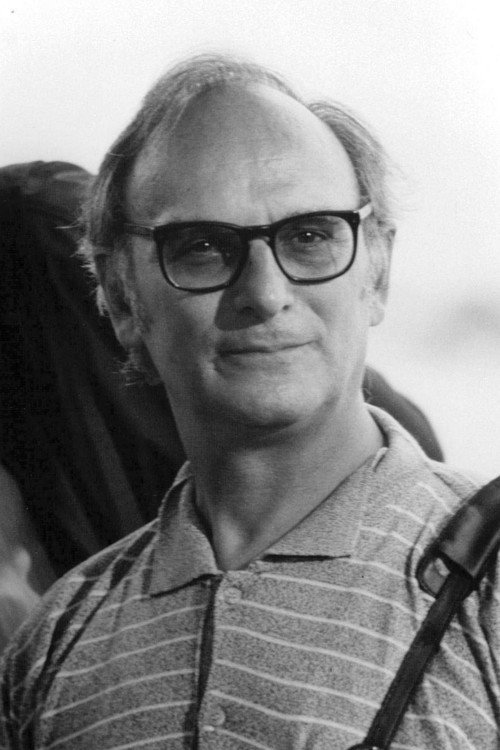
Carlos Saura Atarés (4 January 1932 – 10 February 2023) was a Spanish film director, photographer and writer. With Luis Buñuel and Pedro Almodóvar, he is considered to be among Spain's great filmmakers. He had a long and prolific career that spanned over half a century, and his films won many international awards. Saura began his career in 1955 making documentary shorts. He gained international prominence when his first feature-length film premiered at Cannes Film Festival in 1960. Although he started filming as a neorealist, Saura switched to films encoded with metaphors and symbolism in order to get around the Spanish censors. In 1966, he was thrust into the international spotlight when his film The Hunt won the Silver Bear at the Berlin International Film Festival. In the following years, he forged an international reputation for his cinematic treatment of emotional and spiritual responses to repressive political conditions. By the 1970s, Saura was the best known filmmaker working in Spain. His films employed complex narrative devices and were frequently controversial. He won Special Jury Awards for Cousin Angelica (1973) and Cría Cuervos (1975) in Cannes, and he received an Academy Award for Best Foreign Language Film nomination in 1979 for Mama Turns 100. In the 1980s, Saura was in the spotlight for his Flamenco trilogy – Blood Wedding, Carmen and El amor brujo, in which he combined dramatic content and flamenco dance forms. His work continued to be featured in worldwide competitions and earned numerous awards. He received two nominations for Academy Awards for Best Foreign Language Film for Carmen (1983) and Tango (1998). His films are sophisticated expression of time and space fusing reality with fantasy, past with present, and memory with hallucination. In the last two decades of the 20th century, Saura concentrated on works uniting music, dance and images.
Known For

A talk show presented by Michel Drucker
Les Rendez-vous du dimanche

No description available.
Lo + plus

No description available.
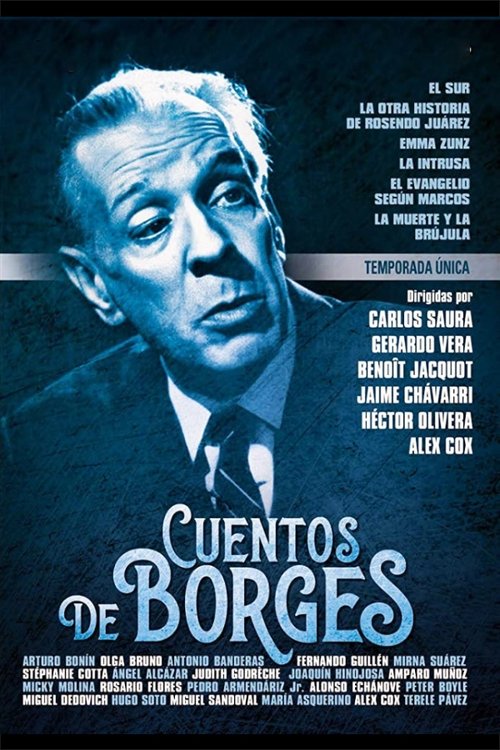
Cuentos de Borges

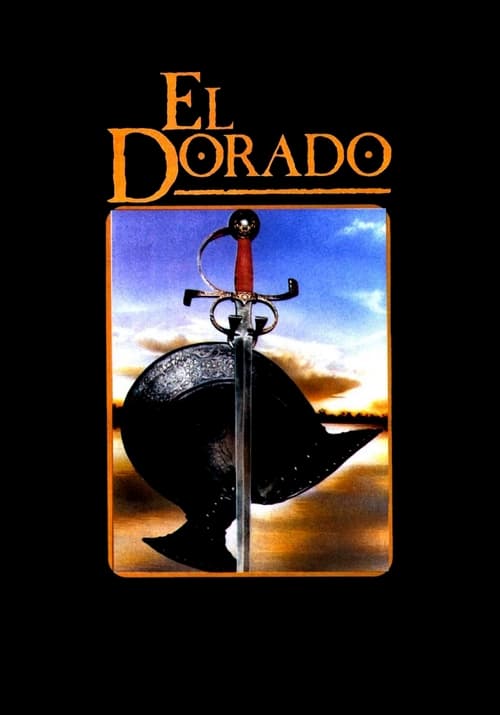
The story of an expedition down the Orinoco and Amazon rivers in 1560 by Spanish soldiers searching for the fabled city of gold, El Dorado.
El Dorado

A look at the Aragonese countryside, star of the movie screen, accompanied by various trades of cinema.
Aragón rodado

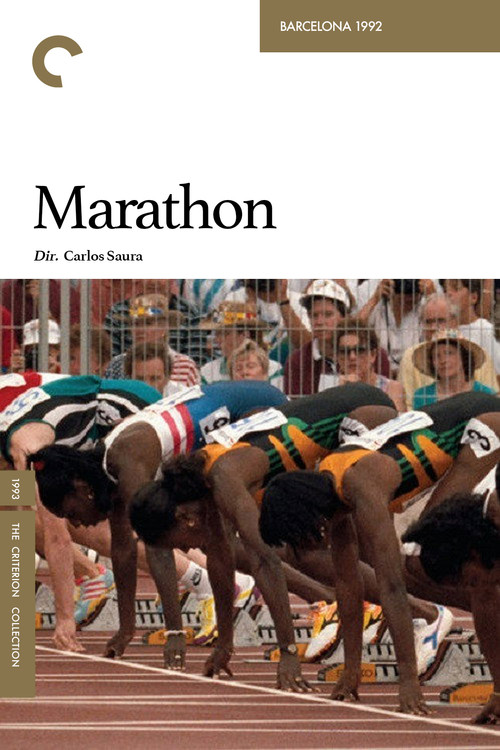
A documentary covering the 1992 Olympic Games in Barcelona.
Marathon

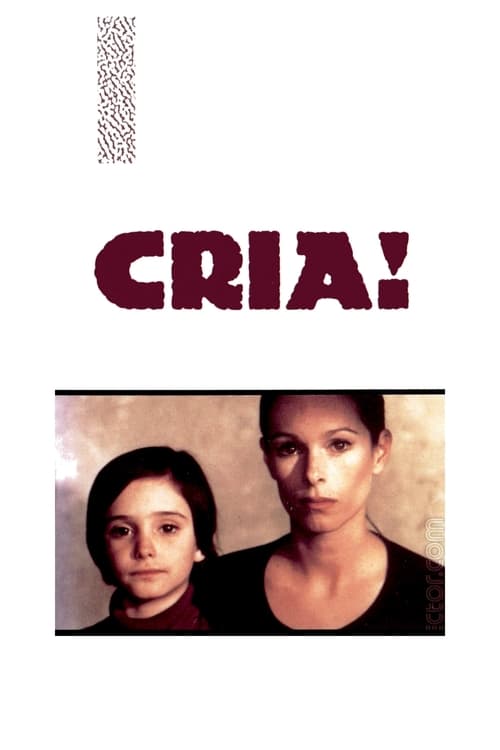
Ana, an eight-year-old girl living in Madrid with her grandmother and two sisters, mourns the death of her mother.
Cria!

Seventy critics and filmmakers discuss cinema around the conflict between the artist and the observer, the creator and the critic. Between 1998 and 2007, Kléber Mendonça Filho recorded testimonies about this relationship in Brazil, the United States and Europe, based on his experience as a critic.
Critic

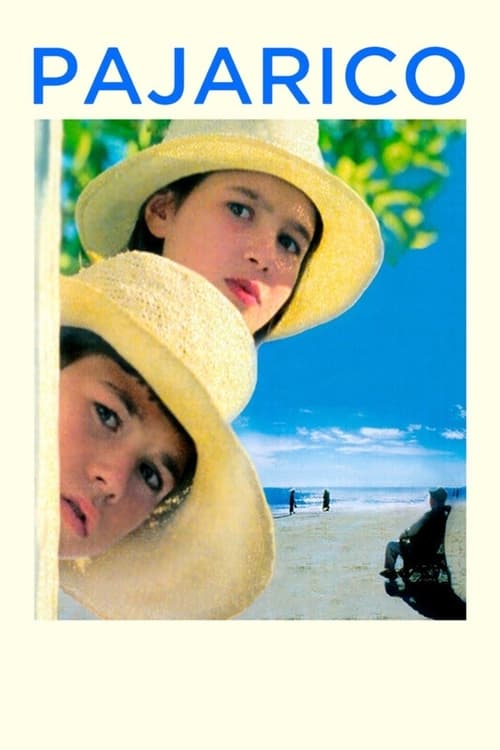
Manu travels to Murcia to spend the summer with their grandparents because their parents are getting divorced. Surrounded by gardens, sea, nature, and lush, warm family, Manu find his first love and the first signs of adulthood.
Little Bird

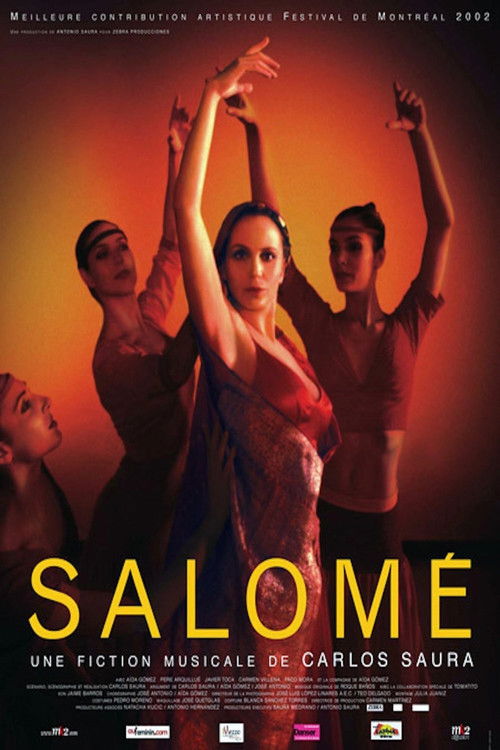
Salomé's story interpreted by a director and a troupe of flamenco dancers.
Salomé

Juan Sahagún, since childhood, feels passion for his mother. One day in the street he sees a woman identical to her. He follows her and finds out that she works as an actress in a theater company, so Juan decides to hire the whole company to represent the people who have influenced him in his past. They recreate the same situations of yesteryear and Juan acts as the child he was, to relive the memories already forgotten.
Sweet Hours

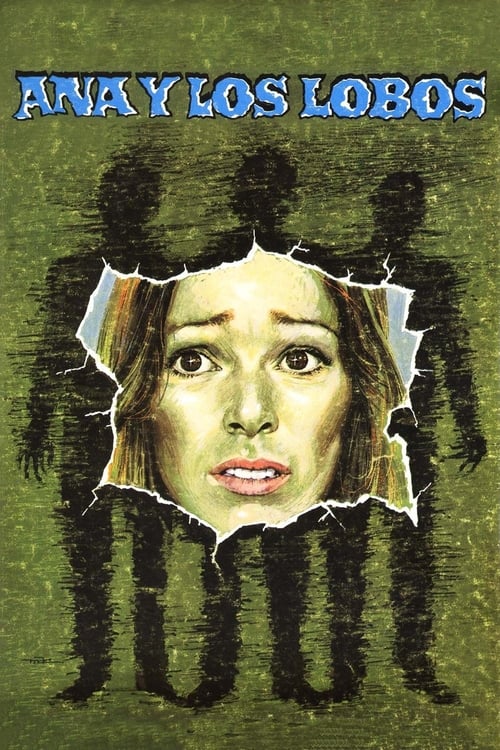
The young but traveled Ana arrives in a manor in the countryside of Spain to work as nanny of three girls and finds a dysfunctional family.
Anna and the Wolves

While rehearsing a flamenco ballet adaptation of Bizet's opera “Carmen”, Antonio, the choreographer, falls in love with the main dancer, Carmen, a fiercely independent woman. Antonio is slowly consumed by jealousy and possessiveness towards Carmen, just like Don José in the original opera, blurring the lines between fiction and reality.
Carmen

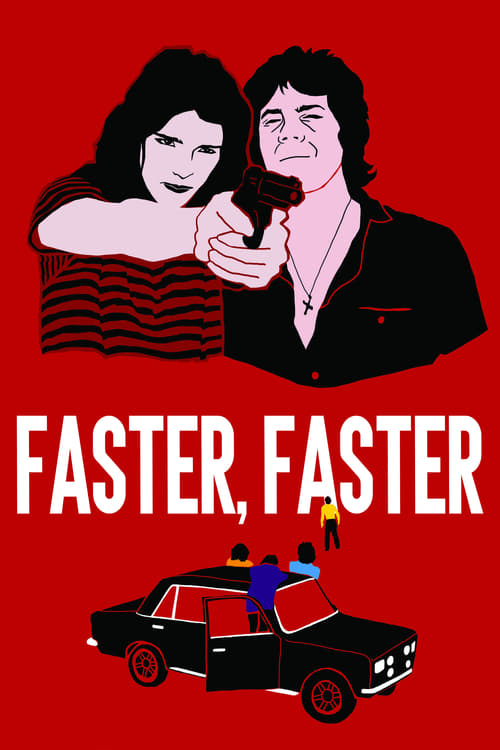
Angela is a young waitress who turns her back on society when she meets and falls in love with Pablo, a reckless criminal delinquent. Along with Pablo’s gang of car thieves, the pair embark on a drug and disco-fueled robbery spree as they hurtle toward oblivion.
Faster, Faster

A dangerous love affair inspires a director to create the most spectacular and boldly seductive dance film ever made.
Tango

During the Spanish Civil War, a group of comics lightens the days of the Republican troops. Tired of life in the front lines, they make their way to Valencia, accidentally entering enemy land and falling prisoner.
Ay, Carmela!

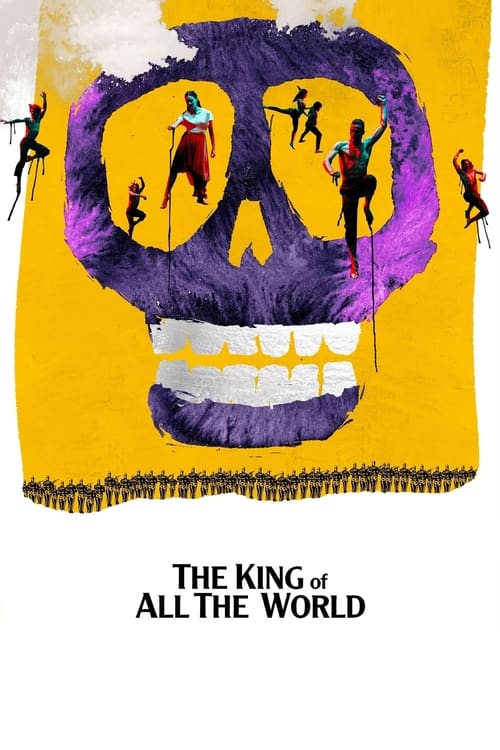
A collection of European T.V. commercials directed by a variety of well-known directors from across Europe and the U.S. Compiled and produced by Jean-Marie Boursicot.
The King of Ads

Francisco Goya (1746-1828), deaf and ill, lives the last years of his life in voluntary exile in Bordeaux, a Liberal protesting the oppressive rule of Ferdinand VII. He's living with his much younger wife Leocadia and their daughter Rosario. He continues to paint at night, and in flashbacks stirred by conversations with his daughter, by awful headaches, and by the befuddlement of age, he relives key times in his life.
Goya in Bordeaux

The greedy relatives of a paralysed 45-year-old amnesiac millionaire go to extreme lengths to help him recover his memory.
The Garden of Delights

Rodolfo and Petrita each live in separate quarters in dilapidated Madrid, while looking to have a little apartment (or "pisito", in Spanish dialect). Unfortunately their low salaries prevent them from acquiring one. Soon, Rodolfo's co-workers urge him to marry the old and frail Doña Martina, who is the main tenant in the apartment he boards in. According to Spanish rent-control law, he could inherit the lease from his spouse. Thus begin his misgivings, and Petrita's.