Directing
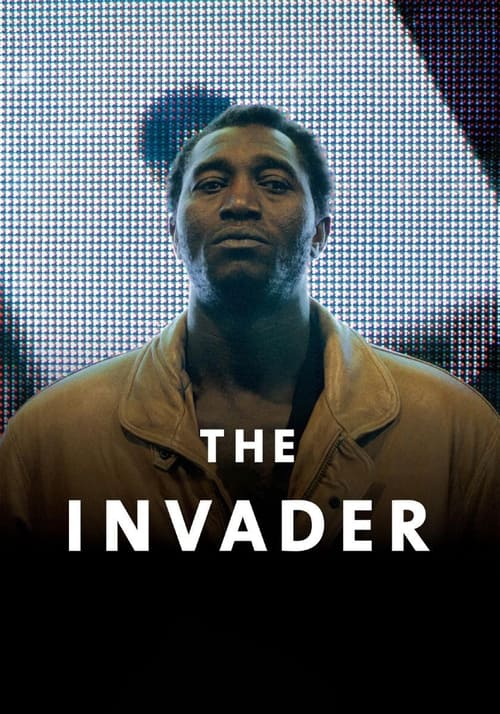
An African immigrant living illegally in Belgium is desperate to find his own sense of belonging.
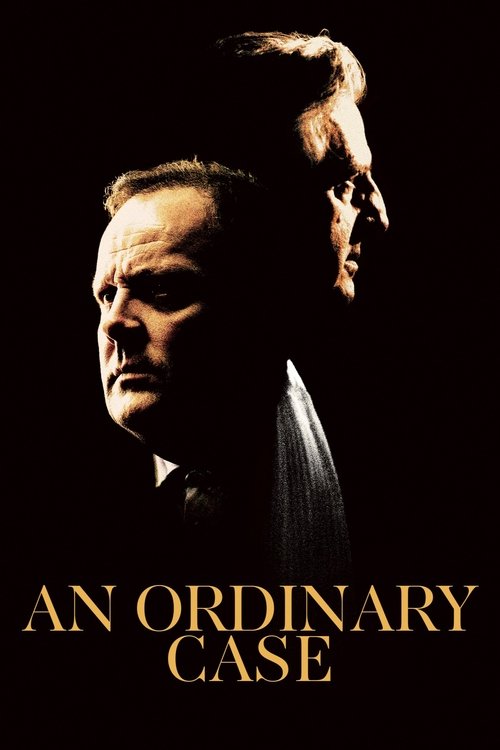
Jean Monier is a disillusioned lawyer, appointed to defend Nicolas Milik, a man accused of murdering his wife. While everything points to his guilt, Monier takes up the case, convinced of his innocence.
A story about an immigrant from Burkina Faso and his attempts to integrate in Norwegian society. Exoticore is a touching tale about modern-day people trying to find their place in this world. A film about being a foreigner, about solitude and contemporary insanity. A dark journey into exoticism.
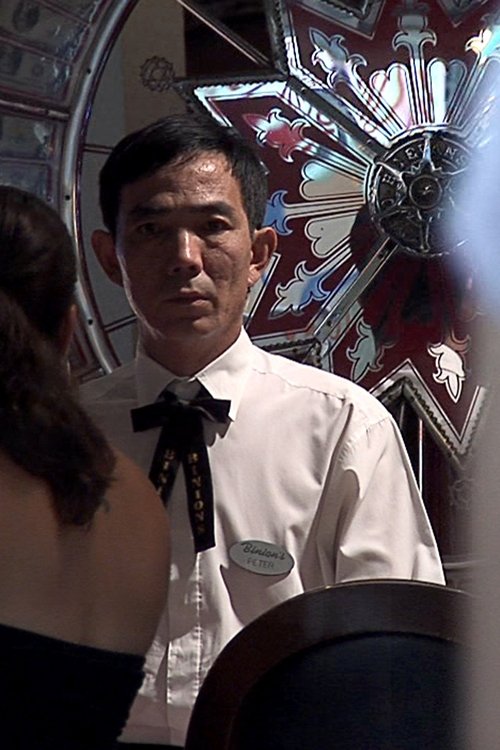
Stardust is the second part of the trilogy where Provost films everyday life with a hidden high resolution camera and edits the images into a fiction film using cinematographic codes and narrative tools from the Hollywood film language. The award winning Plot Point (2007) that turned everyday life around Times Square into a thriller film being the first part of the trilogy, this time Provost takes his hidden camera to Las Vegas in Stardust and films real Hollywood stars - Jon Voight, Dennis Hopper and Jack Nicholson and turns the glorious and ambiguous power of the gambling capital into an exciting crime story.
After a dizzying trip through the cosmos we see how an astronaut is flung into space. Rudderless, irrevocably heading for the eternal black hole. The images originate from existing films such as Kubrick’s 2001: A Space Odyssey, the soundtrack offers no redemption.
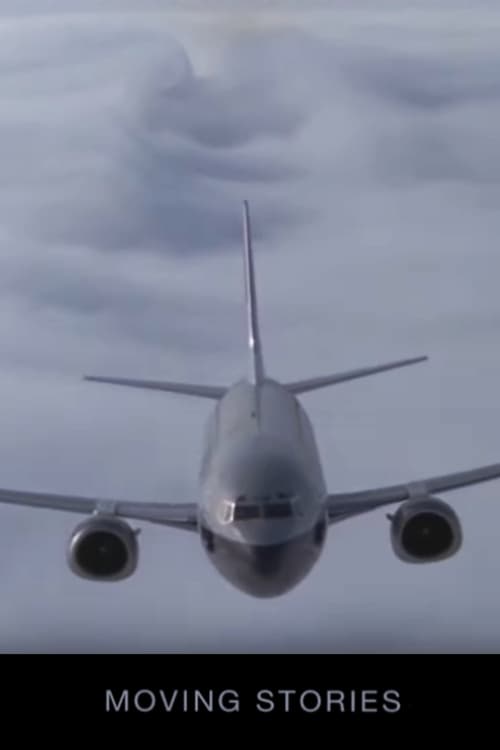
Moving Stories strings together scenes of passenger aircraft in flight. In this short study of the dramatic and narrative power of image and sound, Nicolas Provost manipulates cinema language and reaches, though minimal means, a strong, emotionally loaded result.
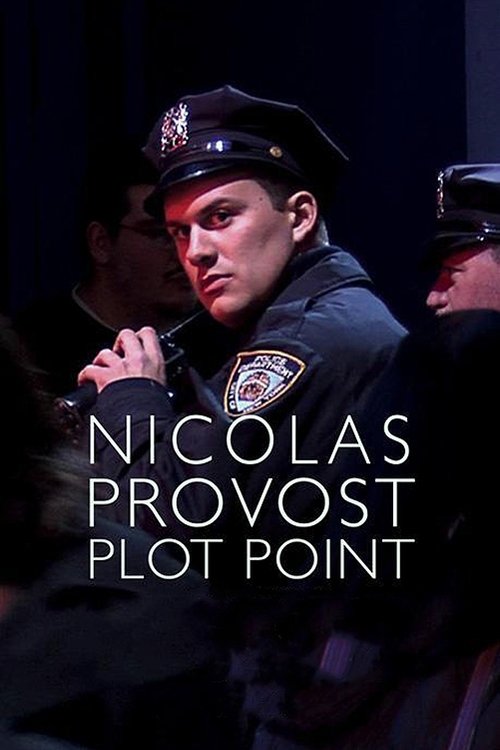
Real and well-known American cop land, with its howling police cars, uniforms, ambulances and crowded streets, turns into a perfect cinematic scenery questioning the boundaries of reality and fiction, but also narrative codes of cinema.
Hermès Woman Universe Fall Winter 2017
The unexpected meeting of a shaman, a lonely woman and a young boy whose paths will cross and slip away.
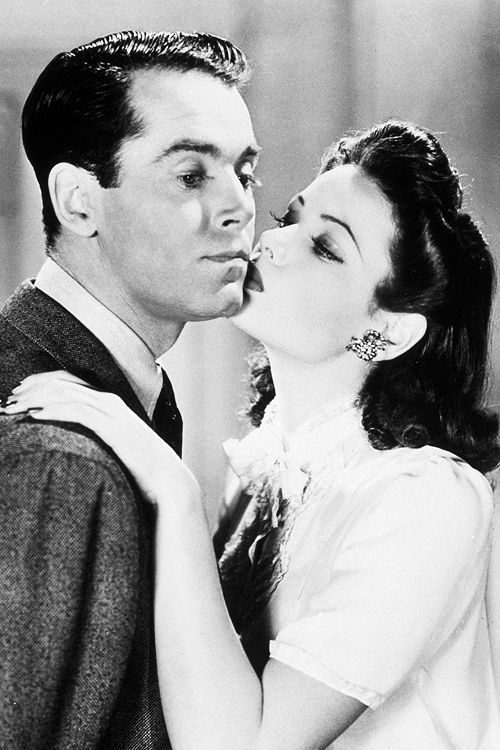
The cinematic kiss is probably one of the most archetypical images to be found in film history. It is usually a reassuring and sometimes climactic element in a movie's storyline. Not in Nicolas Provost's 'Gravity' though: with stroboscopic effects, more than a dozen kissing scenes, most from stereotypical 1950s romantic dramas, are edited together and superimposed. Narrative is subverted as the kissing is isolated from its context entirely; the action slows down and flickers back and forth. Every now and then, shots from different films overlap and match; protagonists merge and diverge again a few seconds later. The sugary and dramatic soundtrack of romantic film music contrasts with the deconstructed images; together, they form a dazzling 6-minute vertigo where love becomes a passionate battle.
short featuring a near-romantic rooftop interaction in slow motion
Provost shot this final part of the 'Plot Point' Trilogy in Tokyo. He here presents the man in the street as a film protagonist whose reality lies somewhere between a dream and a nightmare. In these three aesthetic reinterpretations, Provost, using seemingly insignificant raw material, not only moulds mystical spaces that compellingly absorb the viewer, but also masterfully shows that the dream-world called 'cinema' is simply a constructed parallel reality comprising clichés, technical rules and dramaturgical conventions.
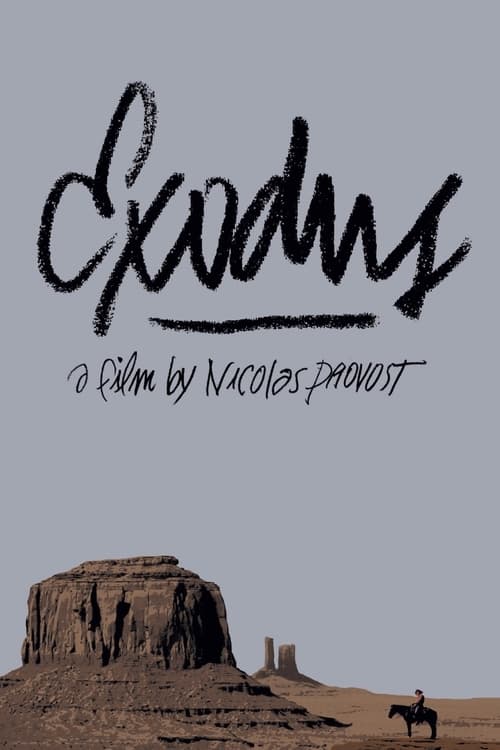
"In its entirety Exodus is a 15-minute silent film in CinemaScope. I traveled across four western US states and came across monumental landscapes of immense cinematic beauty. Without dialogue or explicit narrative, this is a meditative slideshow anticipating a near future."
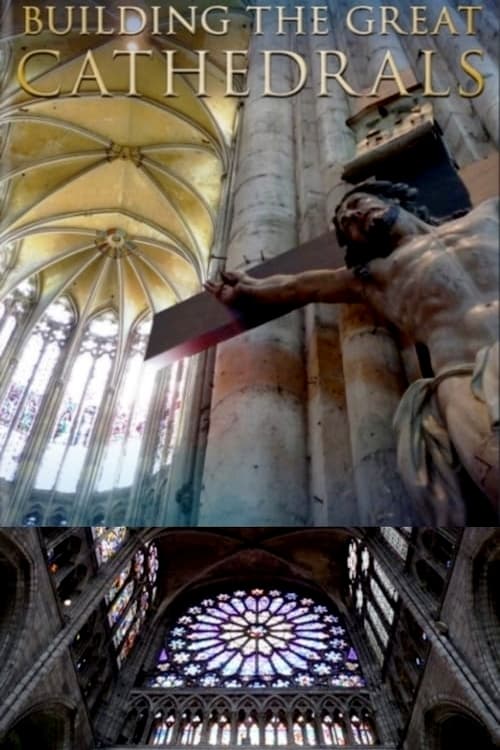
These skyscrapers of stone dominated skylines for nearly a thousand years. Now, a team of scholars and builders investigates how they we went up, and why some of the tallest fell down. Embedded in stone and stained glass, they uncover a hidden mathematical code — ripped from pages of the Bible — that was used as a blueprint to build the great Gothic Cathedrals.
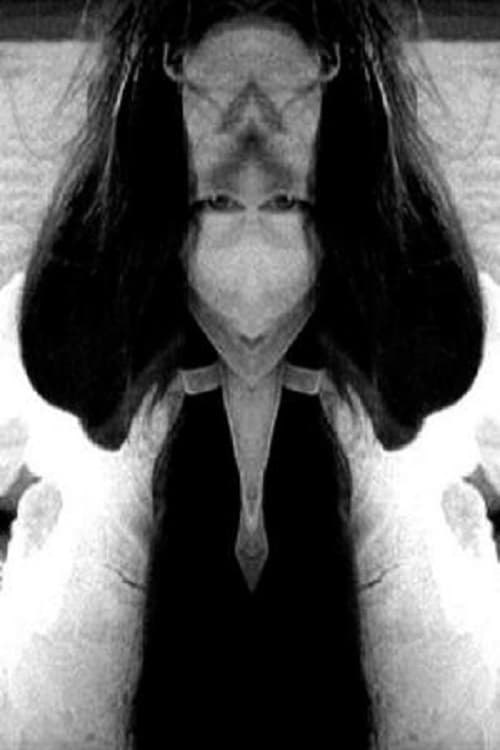
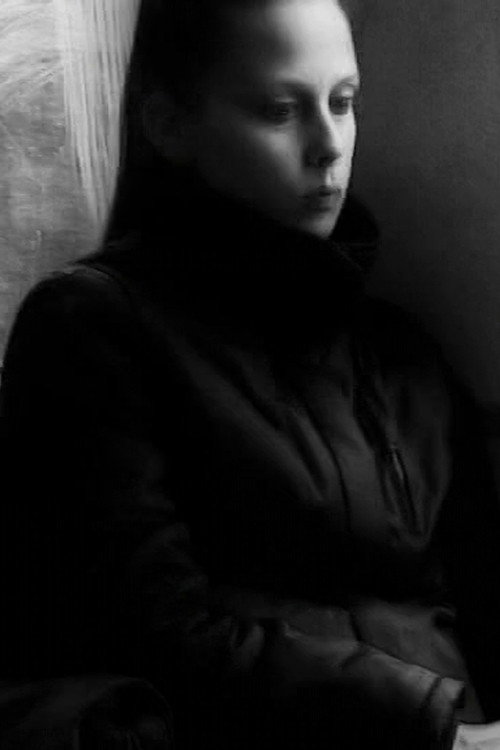
By subjecting fragments from the film 'Rashomon' by Akira Kurosawa to the mirror effect, Provost creates a hallucinating scene of a woman's reverse chrysalis into an imploding butterfly. Papillon d'amour produces skewed reflections upon love, its lyrical monstrosities and wounded act of dissappearance.
No description available.
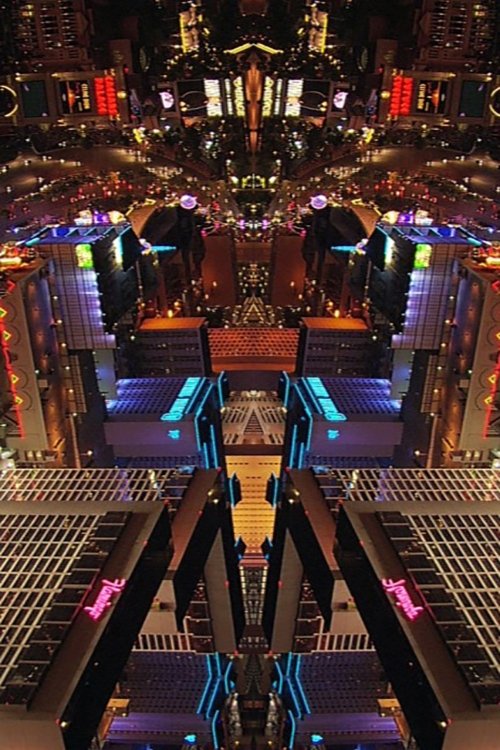
Storyteller recomposes aerial shots from the Las Vegas casino skyline maneuvering and influencing the interpretation of images, carefully balancing between the figurative and the abstract.
A fascinating hall of mirrors through a montage of film noir scenes where the actors face a painted portrait. This perfect blend of cinema and painting was commissioned to supplement a book study. Provost exploits the rules of editing to create an imaginary museum visit. He guides us through living rooms and picture galleries of 1940s and 1950s noir crime thrillers, gothic melodramas, and ghost stories.
An experimental journey through the textures and iconography of horror cinema.
A series of three mirror-image video films about love and sorrow, narcissism and loss. With rewritten synthetic dialogues and a recomposed sound image, the maker uses scenes from films by Resnais and Bergman to evoke a surreal, alienating and bizarre nostalgic mood.