
Atahualpa Lichy
Writing
Biography
Jean Pierre Atahualpa Charles Lichy Verdier, best known as Atahualpa Lichy, is a Franco-Venezuelan filmmaker, known for his film Río Negro (1992). Born in Caracas, Venezuela. In 1956, he moved to Paris and became the assistant of Henry Langlois at the Cinémathèque Française. From 1969 to 1975, he participated in the creation and organization of the Directors’ Fortnight (Quinzaine des cinéastes) in Cannes. Lichy has written, directed and produced more than 60 films in France and Venezuela.
Known For
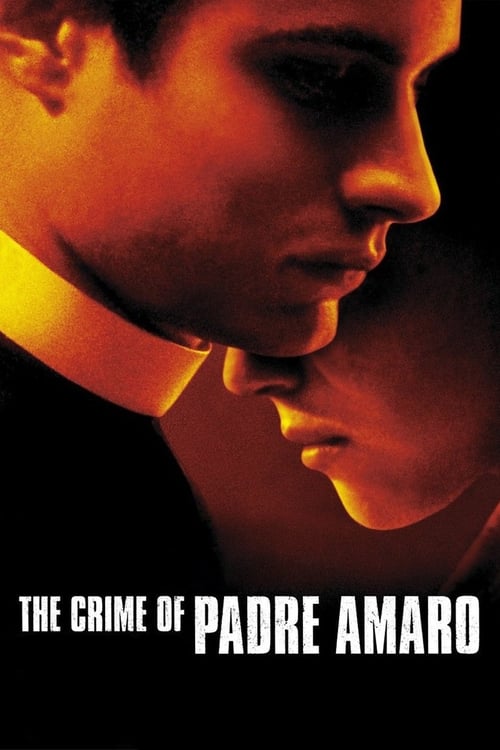
Sent to Mexico to help take care of aging Father Benito, young Father Amaro faces a moral challenge when he meets a 16-year-old girl who he starts an affair with. Likewise, the girl's mother had been having an affair with Father Benito. Father Amaro must choose between a holy or sinful life.
The Crime of Padre Amaro
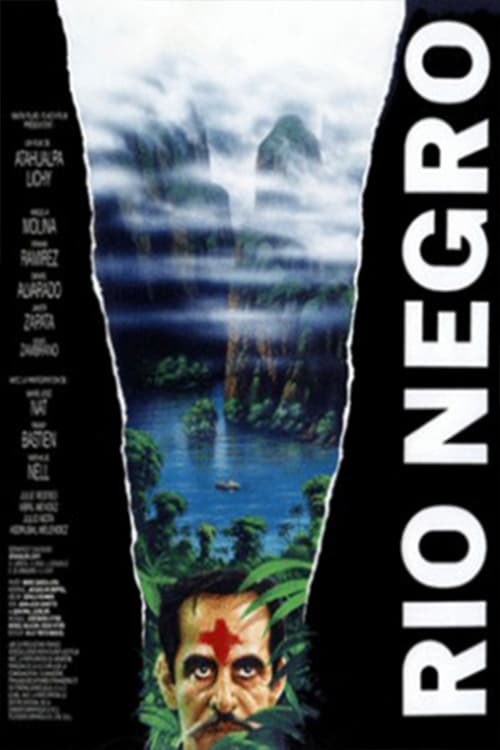
The struggle of two men, Osuna and Funes, hungry for power and wealth in a small town in Venezuela, during the dictatorship of Juan Vicente Gómez.
Black River
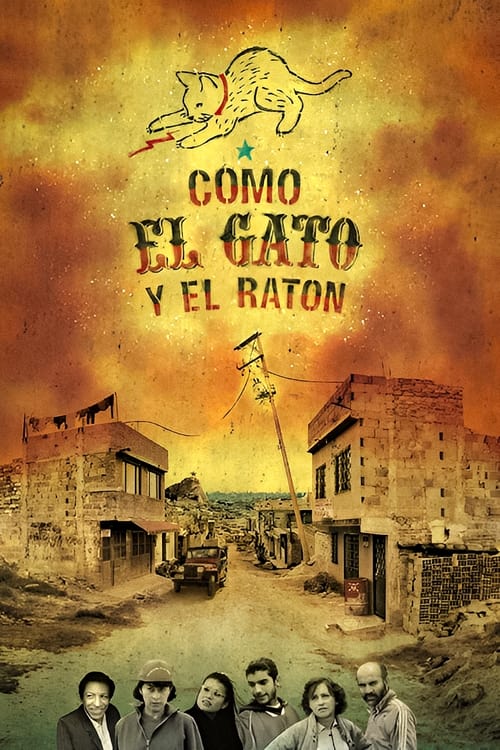
The neighborhood La Estrella, in Bogotá, is inhabited by families displaced by the violence. Before the event which is the arrival of the electric light, that night there is a celebration. Cristancho and Brochero families, neighbors, friends and leaders of La Estrella, will be involved in a series of incidents and jokes.
A Game of Cat and Mouse
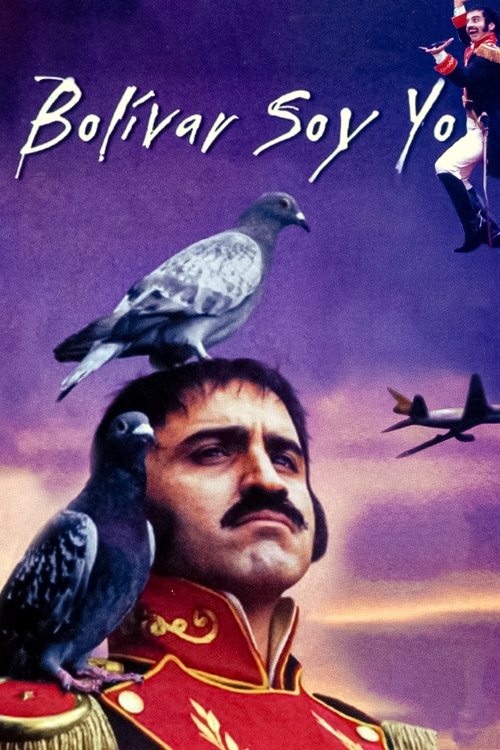
A soap opera actor wants to finish Bolivar's dream of a "Great Colombia": a super-state of 5 Latin-American countries to stop institutional chaos, lack of opportunity and ignite the rebuilding of the region after 160 years of internal war.
Bolivar Is Me
Documentary in four parts on Latin American cinema. Fourth episode: in Cuba, the ICAIC, created in the aftermath of the Castro revolution, is at once a film school, a production company and a state cultural branch. Cuban filmmakers testify to the situation and themes specific to their national cinema.
Claves, 4: Memories of Cuban cinema
According to Bernard Cohn's review, the directors "show that the painter of British society at the beginning of the 18th century was not only ahead of his time in his aesthetic theories, but that he carried within him the signs that allow us to recognize a creator." (Positif, no. 70, June 1965, p. 73.)
William Hogarth
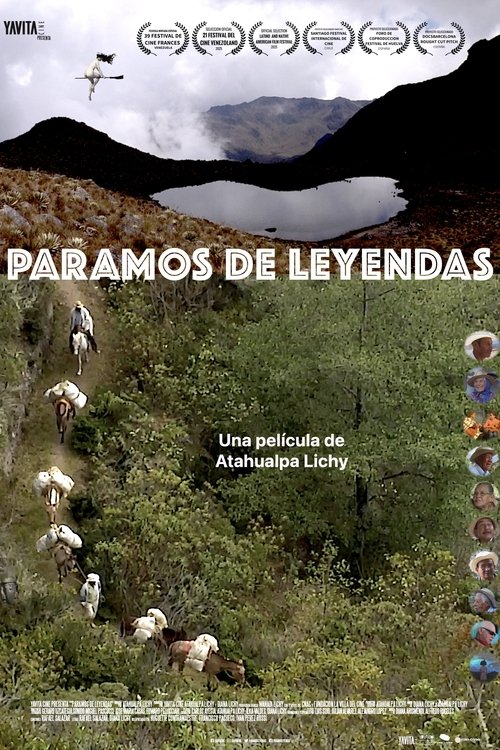
At the highest point of Venezuela, where the fog envelops the memory of time and the wind whispers ancestral tales, Páramos de Leyendas reveals, through portraits of muleteers and peasants, the courage of those who braved the heights and the relentless cold, often barefoot and wearing only a poncho. In this hostile environment, tough personalities were forged, but with an unparalleled spark of humor and wisdom.
Páramos de leyendas
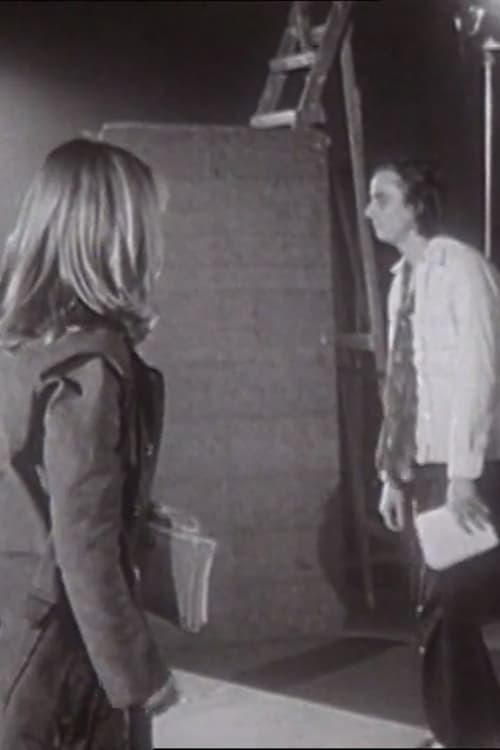
We follow the rehearsals and the staging work of Bertold Brecht's play 'Dans la jungle des villes' in 1972 by the company Théâtre de l'Espérance. The three directors: Jean-Pierre Vincent, Jean Jourdheuil and André Engel discuss their joint work of staging and their vision of the play. Interviews with the actors (Gérard Desarthe, Maurice Bénichou, Hélène Vincent), whom we follow at different stages of the work (source: Média Scérén). The film was screened for the 1973 Directors' Fortnight, at the Cannes Festival.
Travail du comédien
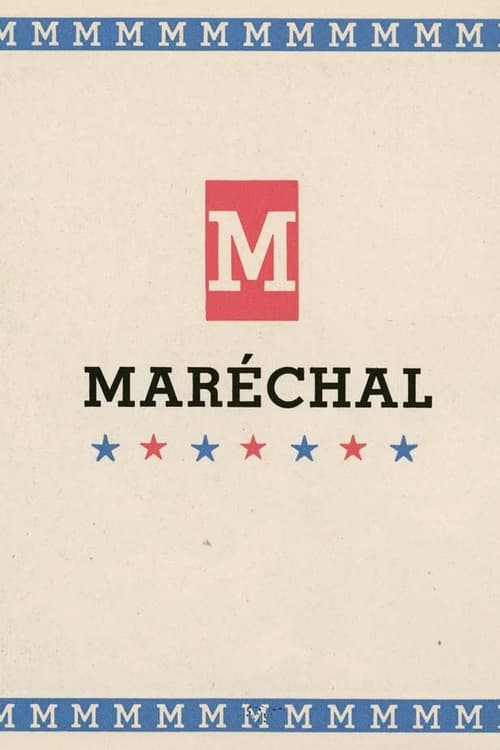
This film shows the instruments of the Vichy government's propaganda among young people and, more specifically, the images distributed in the form of ABC books, posters, newsreels or propaganda. It shows the speech of Pétain, Georges Lamirand, general secretary for youth, Marcel Déat, founder of the National Popular Rally and Jacques Doriot, founder of the French Popular Party.
L'Abécédaire du Maréchal
Documentary in four parts on Latin American cinema. First episode: the influences of Cahiers du cinéma, the New Wave, Italian neorealism. In Brazil, Cinema Novo draws inspiration from these models while drawing on the historical and cultural singularity of the country. The documentary was awarded the Prix Makhila d’or at the Festival de Biarritz, France.
Claves, 1: How Tasty Was My Little Frenchman
Investigation in 1967 on the profession of variety singer. Round table with young singers little known at the time, including Michel Fugain: his hopes and the difficulties of a young singer. They give their opinion on the programmers. Two programmers, Jean Peigné and Lucien Morisse, give their criteria for selecting records. Eddy Mitchell discusses the phenomenon of stardom and the keys to success (source: Média Scérén).
Idoles et chanteurs II : La chanson, un métier
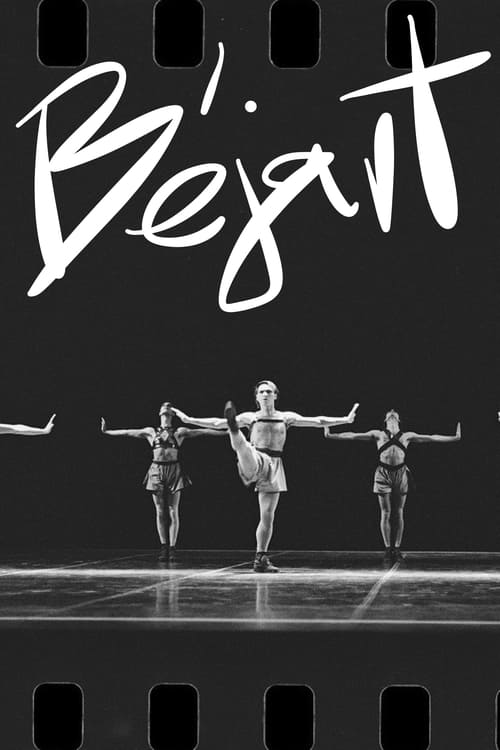
Maurice Béjart answers an interview about choreographic creation; it shows ballets and improvisations. The film was screened for the 1970 Directors' Fortnight, at the Cannes Festival.
Béjart

This program is presented as a report on the way the weekly Paris Match deals with information through images. Two of the newspaper's main managers explain what their job is. As a counterpoint to these interviews with image professionals, the philosopher and essayist Jean-François Revel recalls his attachment to marking the limits of information through images (source: Média Scérén)
Le mot et l'image
Investigation in 1967 on the profession of variety singer through the testimonies of Michel Fugain whom we follow during a studio recording, of Lucien Morisse artistic director in a record company, of the lyricist and musical arranger of Michel Fugain (Jean Morlier), of the disc-jockey Mini Max. They analyze the keys to success, their respective roles, the evolution of French song in relation to Anglo-Saxon music (source: Média Scérén).
Idoles et chanteurs I : La chanson, un métier
The Roman city is essentially a meeting place, a radiant center of Latinity. Gaul is Romanized by road and by the city. The city is a place of residence, of worship, a cultural center of exchanges and leisure. We end up with the Gallo-Roman civilization (source: Média-Scérén)
La Narbonnaise I : Période pré-romaine
Documentary in four parts on Latin American cinema. Third episode: from the 1960s, France and Europe showed a real enthusiasm for Latin American cinema, but the latter remained hampered by numerous economic and political obstacles.
Claves, 3: Small mother country, great mother country
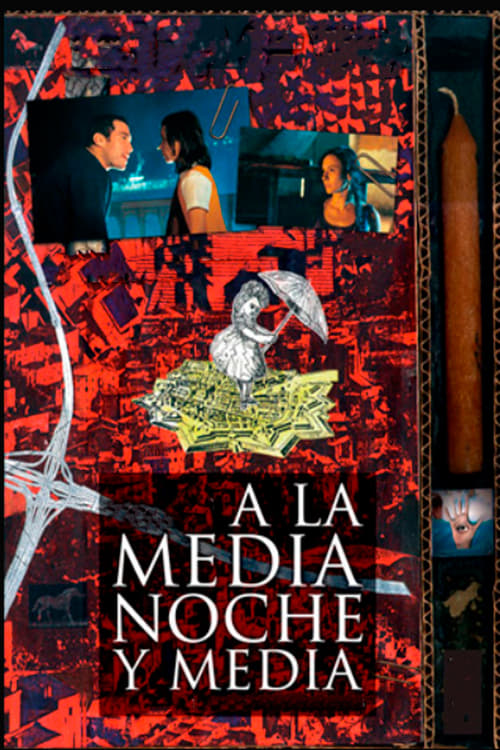
A huge wave is about to destroy the city. Many people leave in panic, only a few remain in the lonely streets. Among them are SEBASTIAN, a skeptical and irresolute young loner; ANA, a woman who seeks in others the passion she can’t live; and an apocalyptic GIRL. They turn the city into a games board where the stakes are love and the end of the world.
At Midnight and a Half
Documentary in four parts on Latin American cinema. Second episode, evoking the border between fiction and documentary. With his film Tire dié (1960), the Argentinian Fernando Birri proposed this manifesto: to create a realistic and critical national cinema, closer to society without falling into populism.
Claves, 2: We will return younger
A mysterious individual, silent and taciturn, appears one evening in a Breton inn and arouses curiosity before provoking hatred, fear and, finally, his own death. The film was screened for the 1972 Directors' Fortnight, at the Cannes Festival.
Celui qui venait d'ailleurs
Evocation of André Breton's role in the surrealist movement, on images of landscapes, Paris, surrealist paintings, faces of young girls and ruins of castles. The main themes addressed: poetry, love, freedom. (source: Media-Scéren)