Shinsuke Ashida
Acting
Biography
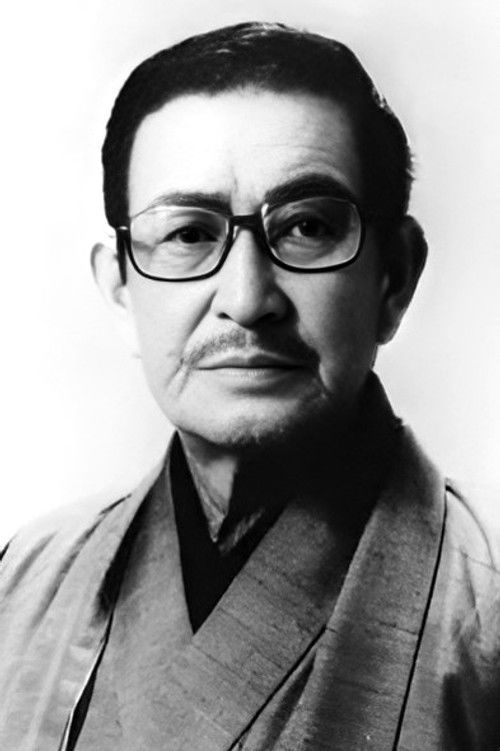
Shinsuke Ashida (芦田伸介, Ashida Shinsuke, 14 March 1914 – 10 January 1999) was a Japanese actor. He appeared in more than 90 films between 1952 and 1996.
Known For

The story chronicles the life of Ii Naosuke.
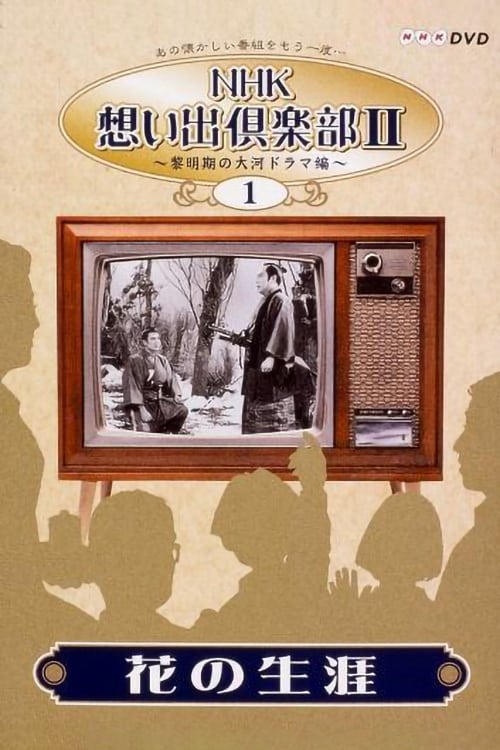
Life of a Flower

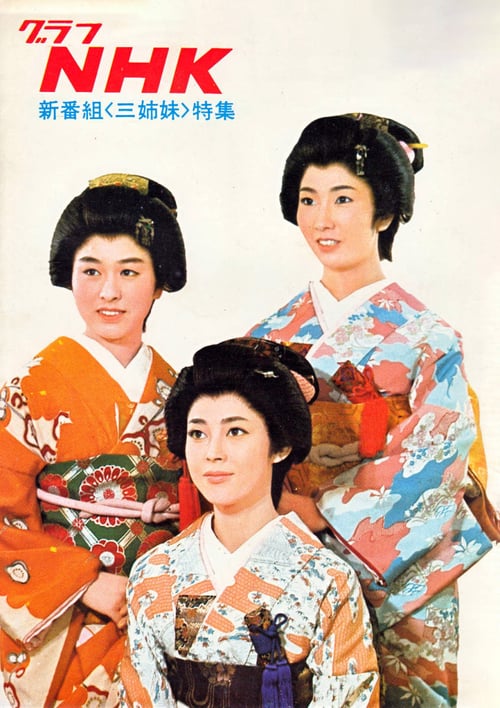
The Story is about three daughters of a "Hatamoto" during the end of the Edo period and the Meiji Restoration.
Three Sisters

No description available.
Genroku Taiheiki

Through the lives of people aging in a seaside retirement home, the drama depicts the aging process that comes to everyone.
Korekara: Umibe no Tabibitotachi

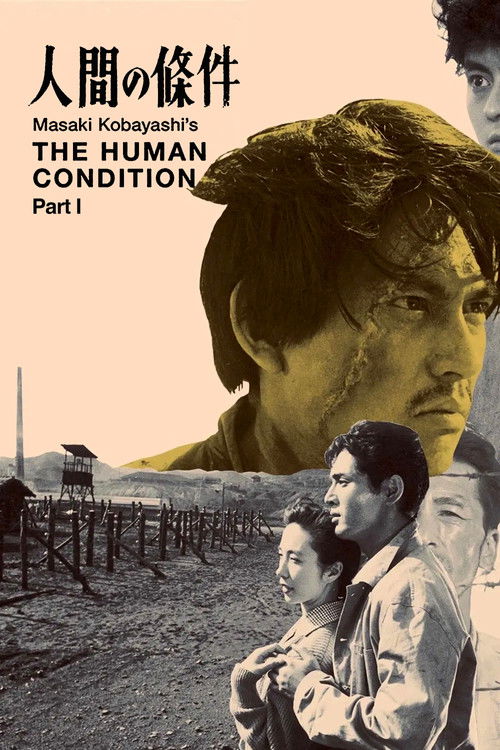
After handing in a report on the treatment of Chinese colonial labor, Kaji is offered the post of labour chief at a large mining operation in Manchuria, which also grants him exemption from military service. He accepts and moves with his newlywed wife Michiko, but when he tries to put his ideas of more humane treatment into practice, he finds himself at odds with scheming officials, cruel foremen, and the military police.
The Human Condition I: No Greater Love

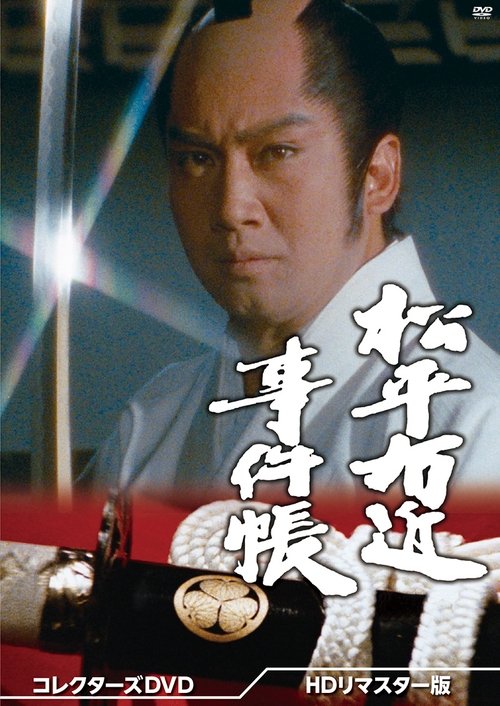
In this gripping period drama, Matsudaira Ukon, the younger brother of the 11th Tokugawa Shogun Ienari, lives in the city as Yabutaro, a doctor in the Ukiyo Koji district, while fighting the evil that has infested the city of Edo.
Matsudaira Ukon Jikencho

The tumultuous life of the fallen Isoroku Yamamoto is depicted, along with his family, friends, and subordinates, his bonds with the women who loved and watched over him, and the sorrows of the nameless people who have disappeared in the torrent of history.
Umi ni kakeru Niji: Yamamoto Isoroku to Nippon Kaigun

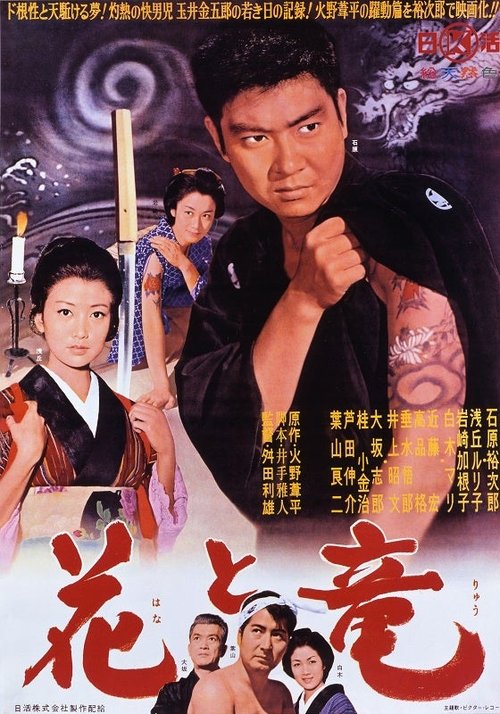
Based on the novel of the same name by Jiro Ikushima, this drama series aired on NET TV (now TV Asahi) in 1972 for a total of 26 episodes. Starring the talented actor Kinnosuke Yorozuya, who had previously shown his skills in various period films such as "Mabuta no Haha," "Seki no Yatappe," and "Kutsukake Tokijiro: Yoyo ichi-hiki," the show follows the tragic hero and is sure to captivate audiences with its compelling storyline. Viewers are sure to be drawn into the drama and root for the protagonist as the story unfolds.
Wandering Wolf: Ryu the Branded Cross

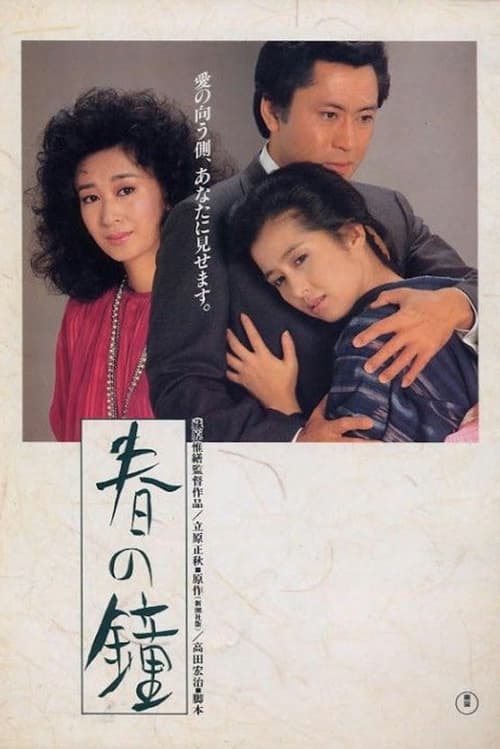
Rokuheita Narumi is fascinated by oriental art and works as the director of the Saho Art Museum in Nara. His wife, Noriko, is unable to leave Tokyo, despite his wishes, and the two live separately. Feeling lonely and neglected by her husband, she immerses herself in the depraved life of the city and continues to have a loveless relationship with a doctor, Katsumori. One day, Narumi arrives in Tokyo and learns of Noriko's affair, but he cannot divorce her for the sake of their child, so he devotes himself to his work.
Spring Bell

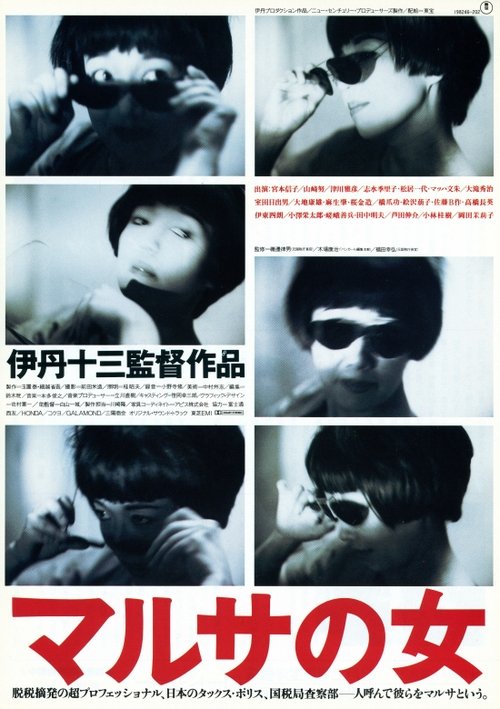
Intrepid tax investigator Ryoko Itakura sets her sights on the mysterious and philandering Hideki Gondo, a suspected millionaire and proprietor of a thriving chain of seedy hourly hotels, who has for years succeeded at hiding the true extent of his assets from the Japanese authorities. Itakura and Gondo soon find themselves engaged in a complicated, satirical battle of wits.
A Taxing Woman

Following the death of the second Tokugawa shogun, it is revealed that he was poisoned by retainers of his son Iemitsu in hopes of gaining him the shogunate despite the stammer and birthmark which undermine his respect. Iemitsu and his brother Tadanaga become bitter rivals for the shogunate, and the land is split into factions, eventually erupting into warfare. Iemitsu's mentor, his fencing instructor Yagyu, is fixated upon securing Iemitsu the shogunate and ends up betraying everyone, even his own family, in pursuit of the goal.
Shogun's Samurai

This is the story of "The Forty-Seven Ronin." Based on historical events in 1701-2, the movie tells the tale of the Asano clan's downfall and the revenge of its former samurai on the perpetrator of the catastrophe. Lord Asano was goaded, or tricked, into drawing his sword inside the Shogun's palace -- a crime which carried the death penalty. The newly installed Shogun was furious at Asano and ordered all his clan's assets seized, meaning some 20,000 samurai and commoners were unemployed and landless at a stroke. Forty-seven of these ronin (masterless samurai) banded together to take attempt revenge on Lord Kira, who had goaded Asano into drawing his sword.
The Fall of Ako Castle

Based on the "2.26 Incident", an attempted coup d'état in Japan 1936, launched by radical ultra-nationalist parts of the military. Several leading politicians were killed and the center of Tokyo was briefly held by the insurgents before the coup was suppressed.
Four Days of Snow and Blood

Two detectives begin a stakeout based on the slim chance of catching a murderer whom they suspect will try to reunite with an old flame.
Stakeout

A bumbling stockbroker-turned-yakuza is tasked with ensuring that an alcoholic boss is up to the task of arbitrating his syndicate's succession ceremony.
Succession

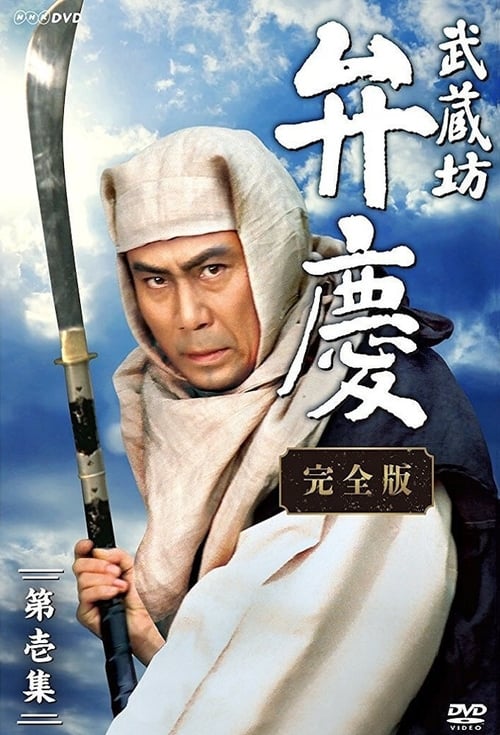
After being carried in his mother’s womb for three years, Benkei is born with long hair and teeth and the body of a small child. It is said that he immediately laughed and commented on the brightness of the outside world, leading local people in his native Kii (modern Wakayama) to proclaim that he is a devil. Abandoned on a mountainside, he is adopted by Dainagon, a Kyoto resident who rears him until age seven when he leaves to become a monk. Thrown out of the monastery for his violent behavior, Benkei wanders Japan in search of enlightenment, though only trouble seems to find him. After accidentally causing a temple to burn down, he decides to begin a quest to defeat 1,000 of the hated Heike samurai in battle and donate their swords to a temple. Obtaining the first 999 swords proves relatively easy but the final weapon belongs to Yoshitsune, a young boy whose appearance belies his great skill as a warrior.
Musashibo Benkei

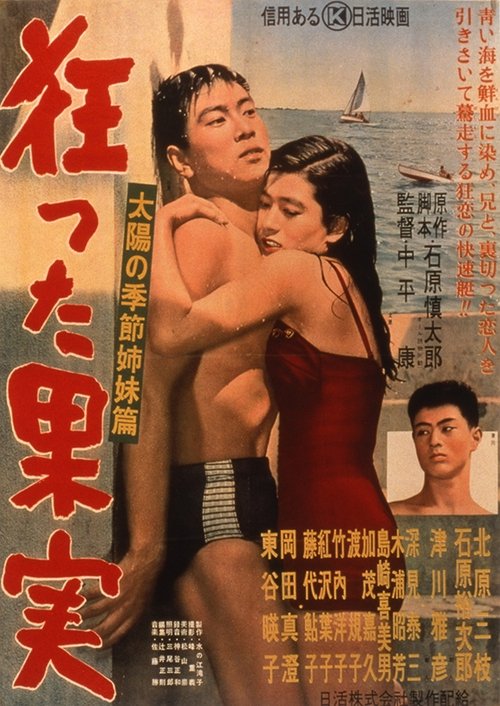
Two brothers compete for the amorous favors of a young woman during a seaside summer of gambling, boating, and drinking.
Crazed Fruit

The upstart Godai family conglomerate plans to strengthen ties with the hardliners in the Kwantung Army as they plan military expansion into Manchuria.
Men and War I: Prelude to Destiny

A sniper kills two prisoners in a police van, and the driver sets out to find the killer.
Take Aim at the Police Van

The film tells the story of four orphans living in an impoverished mining town. An adaptation of a best-selling book based on the diary of a ten-year-old zainichi (ethnic Korean Japanese) girl, it was one of the first films to deal with the subject of zainichi identity and struggles in Japan.