Editing
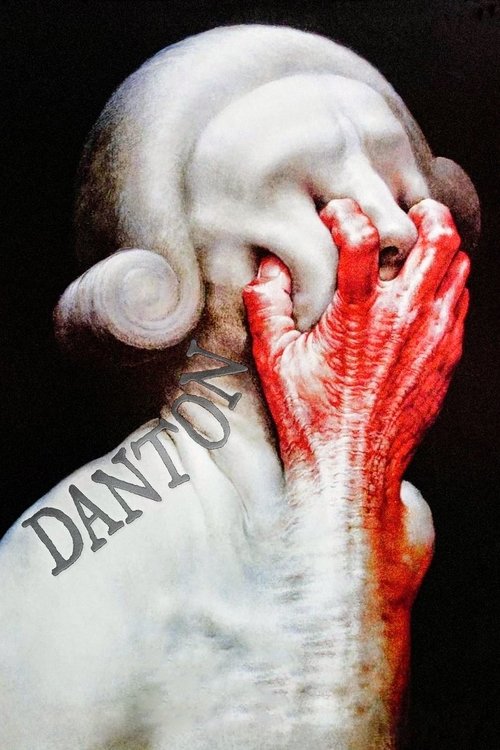
Danton and Robespierre were close friends and fought together in the French Revolution, but by 1793 Robespierre was France's ruler, determined to wipe out opposition with a series of mass executions that became known as the Reign of Terror. Danton, well known as a spokesman of the people, had been living in relative solitude in the French countryside, but he returned to Paris to challenge Robespierre's violent rule and call for the people to demand their rights. Robespierre, however, could not accept such a challenge, even from a friend and colleague, and he blocked out a plan for the capture and execution of Danton and his allies.
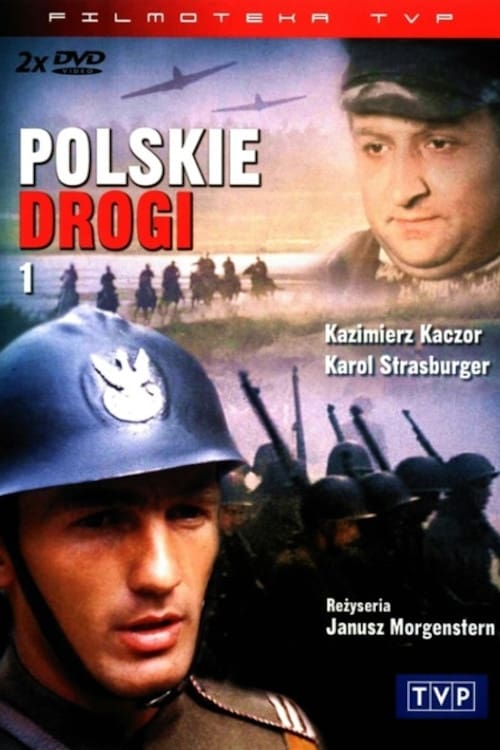
An epic, multi-threaded story about the fate of Poles during World War II. "Czas pogardy" was shown primarily from the perspective of two main characters - Lieutenant Władysław Niwiński and Leon Kuraś - a petty crook, but not without heroic traits. The authors of the series sought to show, in particular, everyday life under Nazi occupation in Poland.
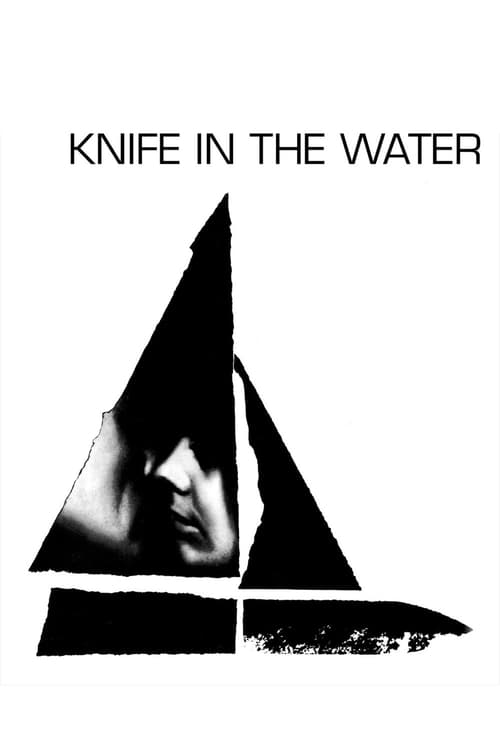
On their way to an afternoon on the lake, husband and wife Andrzej and Krystyna nearly run over a young hitchhiker. Inviting the young man onto the boat with them, Andrzej begins to subtly torment him; the hitchhiker responds by making overtures toward Krystyna. When the hitchhiker is accidentally knocked overboard, the husband's panic results in unexpected consequences.
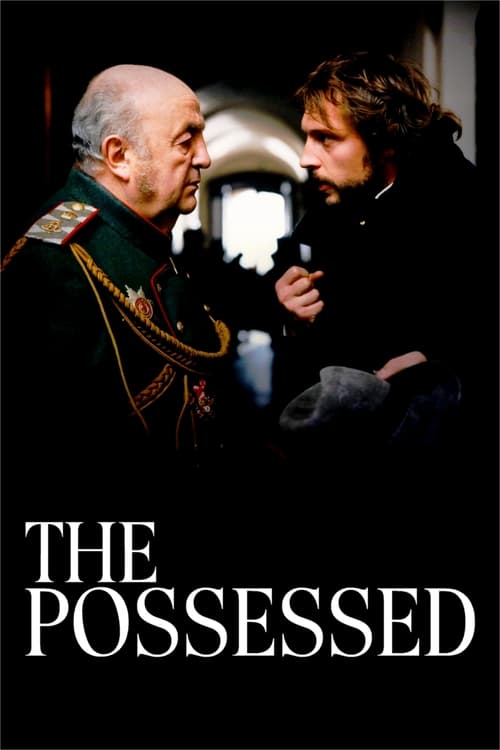
Russia, 1870. A group of young anarchist revolutionaries set out to overthrow the Czarist regime through violence. Their attacks create a climate of psychosis and mutual distrust among the population, but in reality, both revolutionaries and repressors are being manipulated by a diabolical individual.
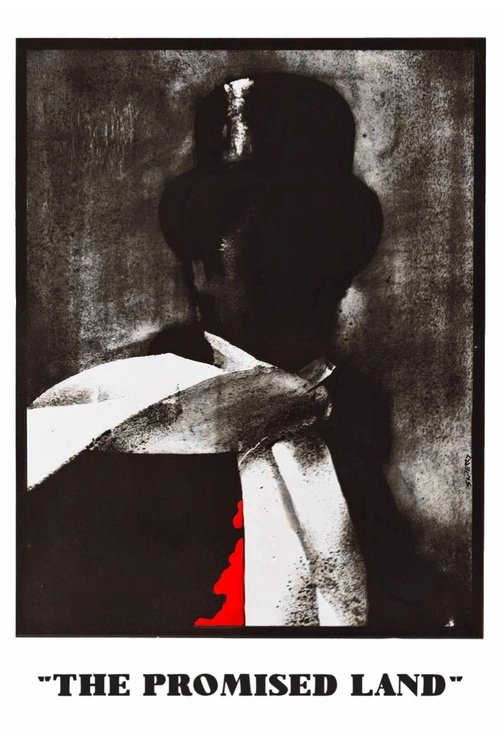
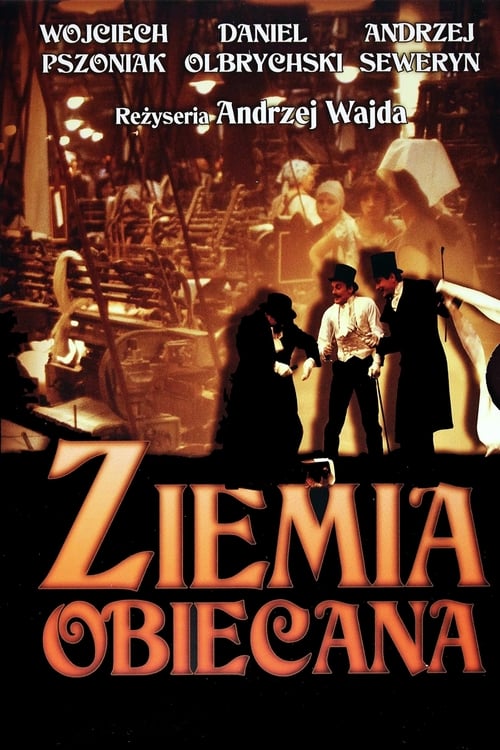
At the turn of the century, Lodz, Poland, was a quick-paced manufacturing center for textiles, replete with cutthroat industrialists and unsafe working conditions. Three young friends, a Pole, a Jew, and a German, pool their money together to build a factory.
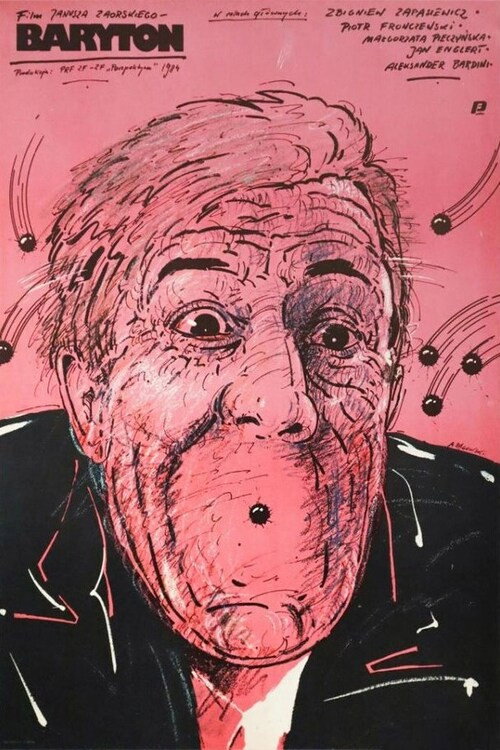
A famous opera singer comes to his hometown in Poland, where he loses his voice.
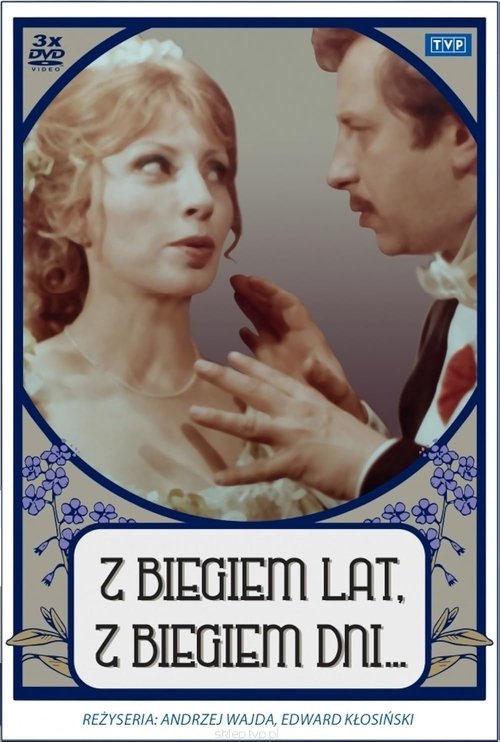
Created to mark the 60th anniversary of Poland's regained independence, Andrzej Wajda's acclaimed seven-hour stage production As the Years Go By, As the Days go By... follows two Kraków families between 1874 and 1914.
Set during the Nazi occupation of Poland, the story follows Michał, who witnesses the murder of his mother, wife and child and then is hurled into a life that literally is not his own; a surreal world littered with trapdoors, doppelgängers and wormholes.
A dream-like meditation on post-industrial life in Communist Poland.
"Waiting for Godot" on ice and snow, without words. Against a barren winter landscape, a figure approaches: it's a man, pulling a small sleigh on which another man sits, plucking a dead bird. They stop to trade places; the one now on the sleigh takes out his knitting. Accidents, misunderstandings, disagreements, and an outright fight await our absurd protagonists as their trip to nowhere continues, first with one pulling, then the other. What if they were to lose the sleigh? What rules of civilization and partnership would guide them then?
In Warsaw in 1980, the Communist Party sends disgruntled radio reporter Winkel to Gdańsk to dig up dirt on the shipyard strikers - particularly on Maciek Tomczyk, an independent labour union leader whose father was killed in the December 1970 protests. Posing as sympathetic, Winkel interviews the people surrounding Tomczyk, including his detained wife, Agnieszka.
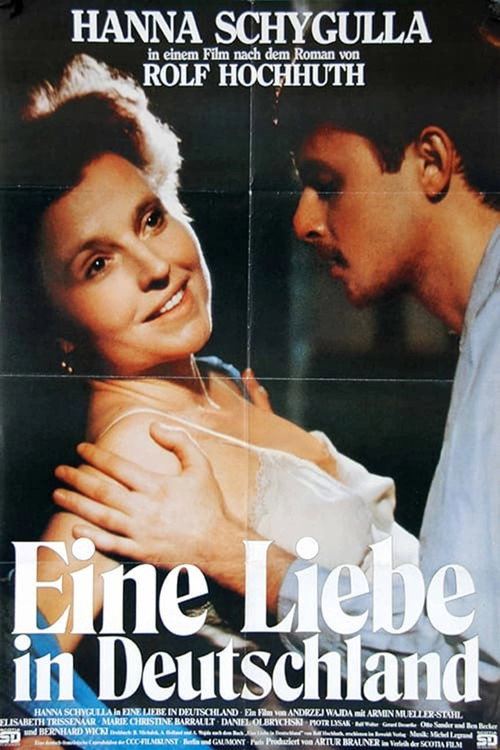
In May of 1983, a man turns 49 and, with his 17-year old son, journeys to the village in Baden that he left 40 years before. He wants to discover what happened then, the truth about an affair his mother had with a young Polish prisoner of war, how the authorities came to learn of it, the lovers' arrest, and the aftermath. While his son takes Polaroid photographs, he retraces the steps of his childhood and interviews those who should remember. The story is disclosed in flashbacks that focus on the lovers (Paulina and Stanislaus), on a jealous and conniving neighbor, and on Mayer, the local SS commander who wants to find a way out of inevitable consequences.
No description available.
A man is tried in court for failing to help his brother to avoid suicide.
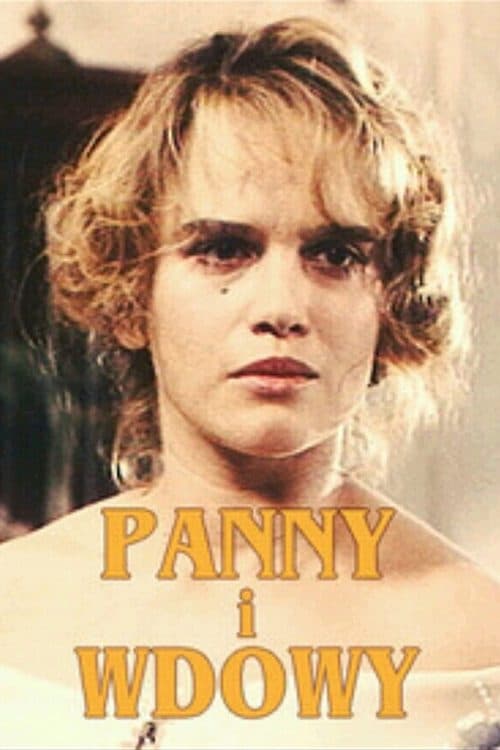
An epic tale of a hundred years of Polish history from the perspective of women, the titular maidens and widows. Set against the backdrop of turbulent historical events.
A young Polish filmmaker sets out to find out what happened to Mateusz Birkut, a bricklayer who became a propaganda hero in the 1950s but later fell out of favor and disappeared.
The main character, race car driver Ryszard Fox, is involved in many car accidents. After each car crash he gets a transplant for one or another internal organ. After a while there is a question: Who really is Ryszard Fox?
A famous Polish journalist presents a problem for the powers-that-be when he displays his full political skill and knowledge on a television show featuring questions and answers on a world conference by a panel of journalists. His enemies take away his privileges when he is away. The shock of being "unwanted" parallels a deeper disappointment in his private life: his wife has an affair with a jealous young rival, and after 15 years of marriage and two daughters wants a divorce. She offers no explanations as he tries to untie these problems himself. All the moves he makes are the wrong ones. He takes on drinking heavily with students eager to attend his seminar after discovering the class has been canceled. The journalist, once suave and commanding, is reduced to silence.
Wajda's homage to Zbigniew Cybulski, the "Polish James Dean" who starred in the director's ASHES AND DIAMONDS and died young. The movie follows the tribulations of a director attempting to make a movie with a Cybulski-like star who never shows up.