Acting
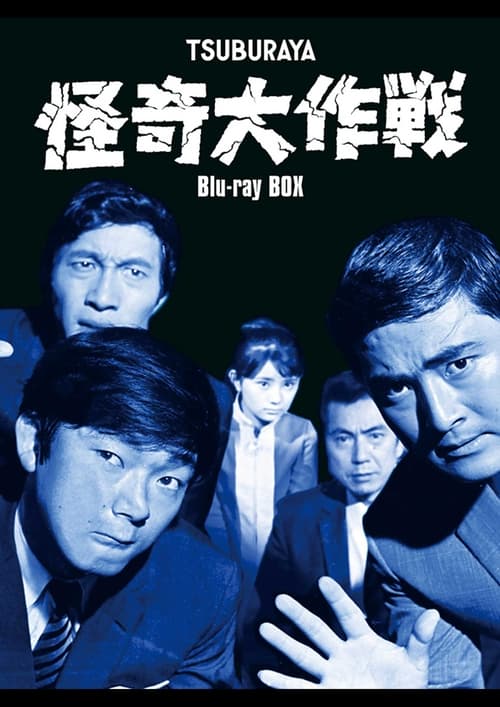
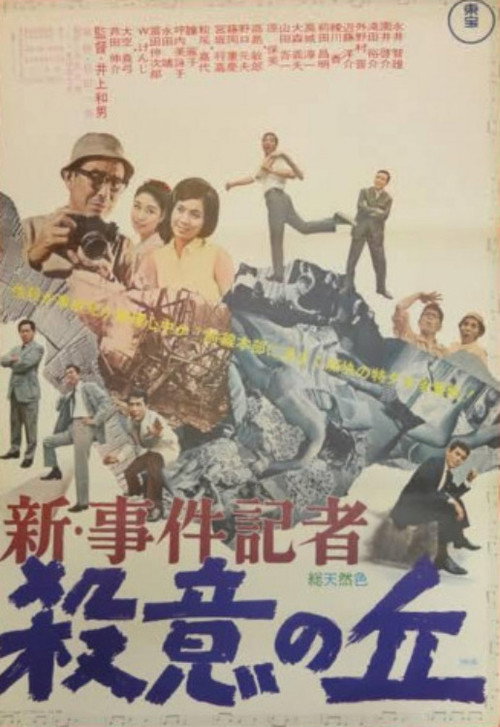
Advancements in science and the unchanging human psyche have given rise to new forms of terrifying crimes as the Science Research Institute (SRI) investigates various strange phenomena in Japan.
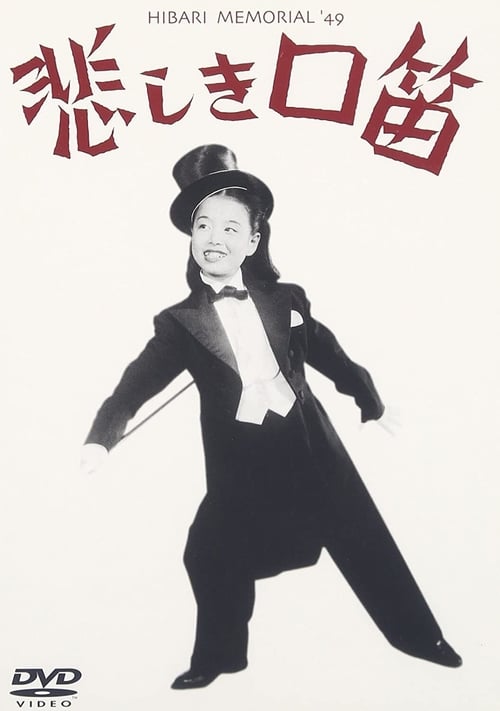
A young girl searches for her long-lost brother in postwar Tokyo, clinging to hope and music amid the rubble of a broken Japan. Along the way, she touches the hearts of those around her with her resilience and song.
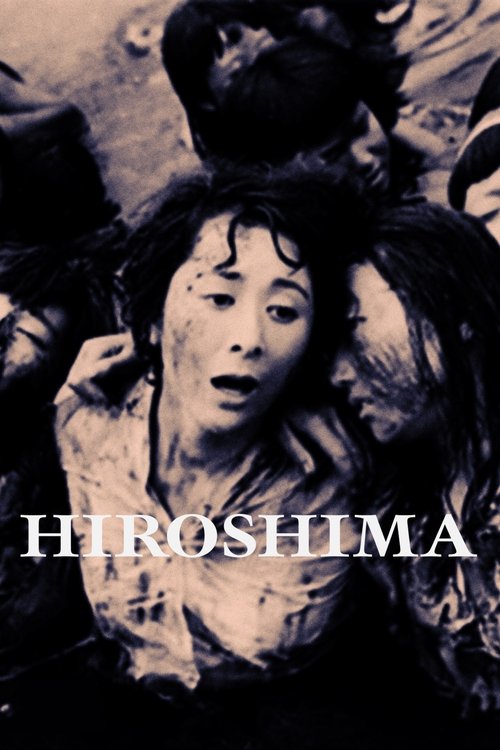
Historical fiction about the aftermath of the atomic bombing of Hiroshima, Japan, on 6 August 1945, and its effects on various civilians, especially children, of that city.
No description available.
Japanese drama
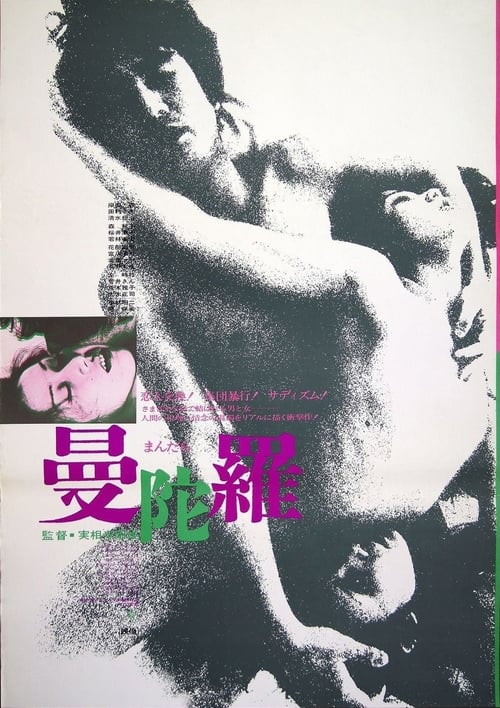
Two university students from Kyoto decide to swap partners and spend the night in an isolated motel. However, one of the couples is attacked. Desperate for answers, they search for the attackers and come across a cult that promotes sexual freedom.
Nagare, a painter who wanted to commit a lover’s suicide with Mizue, the wife of his friend and patron Takigawa. Growing afraid at the last moment, he doesn’t go through with it – but Mizue sinks to the bottom of Blue Lake. Some time later, Nagare follows an invitation by Takigawa, who claims to have forgiven everything. To Nagare’s shock, Takigawa’s new wife, Ameko, looks exactly like Mizue. While staying as Takigawa’s guest, Nagare becomes haunted by Mizue’s ghost, who wants to be reunited with him at the bottom of Blue Lake.
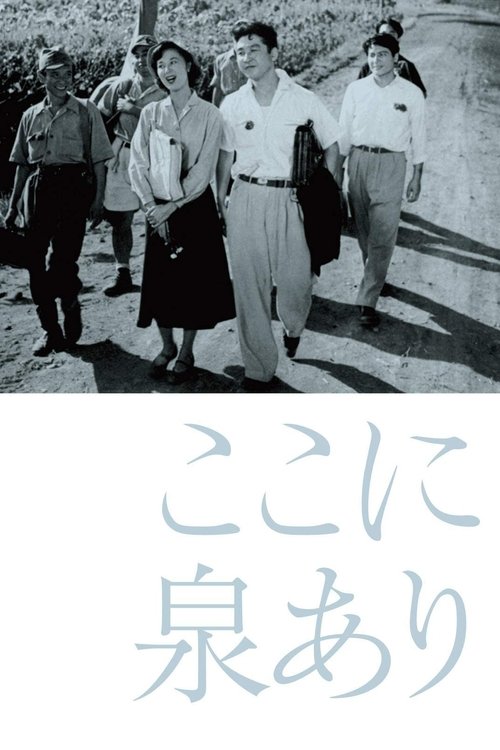
The story of a group of young people who organise their own travelling symphony orchestra to provide music for people living in remote villages shortly after the war.
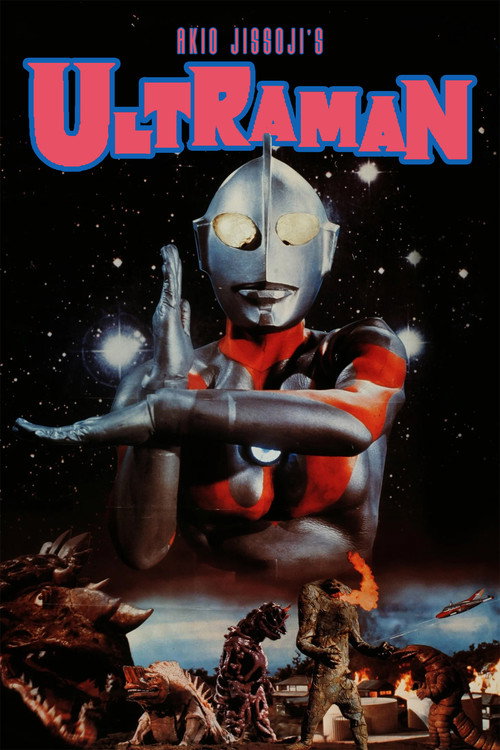
Akio Jissoji's Ultraman is a 1979 Japanese tokusatsu kaiju film directed by Akio Jissoji. It is a compilation film made up of scenes from Jissoji's episodes of the original Ultraman TV series.
University students Sudo and Mori make money by picking up rich girls in dance clubs and conning them into giving them cash. Mori is the brains of the operation, and Sudo is the suave dancer who picks up the girls. Sudo becomes gradually involved with three different girls and is drawn into the gangster milieu, which he seems unable to resist even though he is responsible for his mother, grandmother, and sister Masako. In this world of bad boys and girls, Masako is the pillar of strength and moral virtue who finally enables Mori to straighten out.
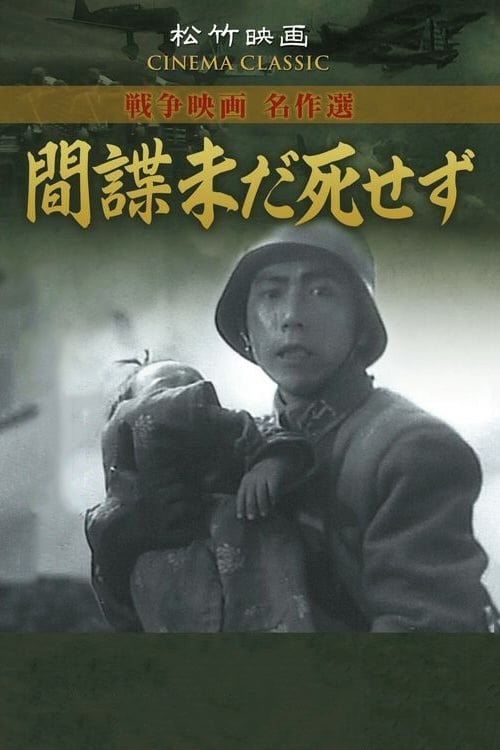
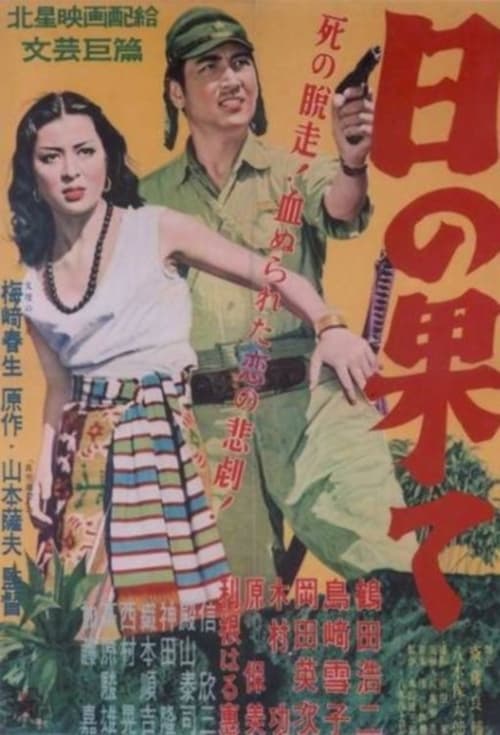
Military doctor Leutenant Hanada deserts during the war in the Philippines with a local girl. The officer in command orders Lieutenant Uji to shoot Hanada. Uji takes a sharpshooter called Takagi and tracks him. At first Uji cannot forgive Hanada but as Uji is isolated from the main force he too starts to think of desertion.
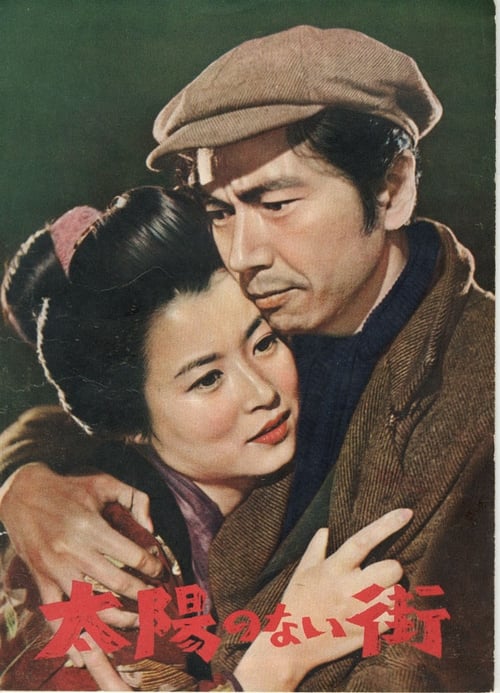
Based on the novel by proletarian writer Sunao Tokunaga. The story is about a long strike by workers at a large printing house and the strikers' steadfastness, which neither hunger nor violence could break. The heroine of this story actively participates in her colleagues' struggle against layoffs, oppression, and police brutality.
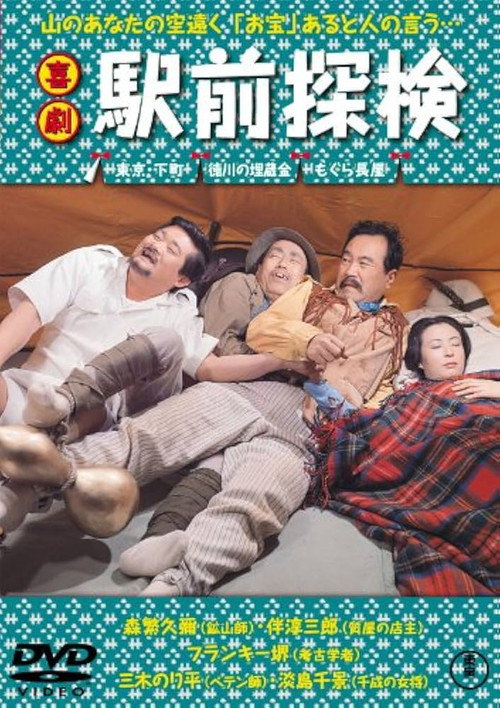
Late entry "Ekimae" feature, about the hunt for lost treasure.
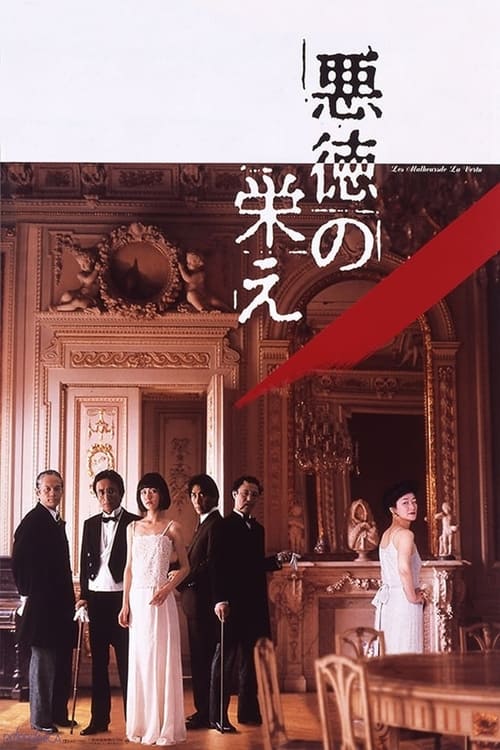
A decadent count in 1920′s Japan becomes obsessed with the life and works of the Marquis de Sade. He creates a theatre to show plays adapted from the notorious writer’s novels and recruits thieves, prostitutes and low lives to act out his fantasies on stage for the delectation of his rich, jaded friends. In search of new sensations the nobleman orders one of the actors, on pain of death, to make love to the nobleman’s wife while he watches. Unfortunately, this incursion of real life into his fantasy world will have dire consequences for the count and his divinely decadent coterie.
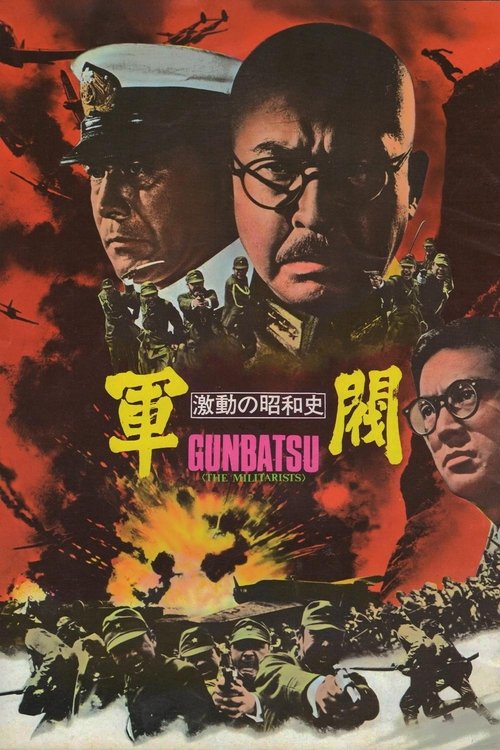
The second film in Toho's series on the military history of the Showa era, Hiromichi Horikawa's war drama offers a look at the career of controversial politician Hideki Tojo and the strained relationships between Japan's government, military, and the media.
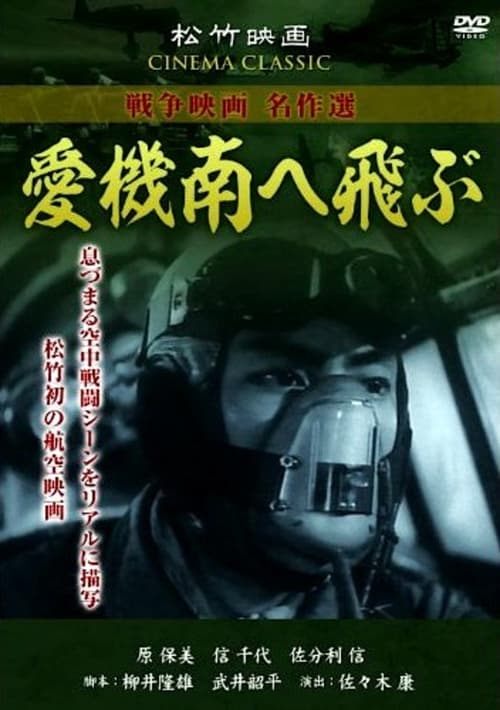
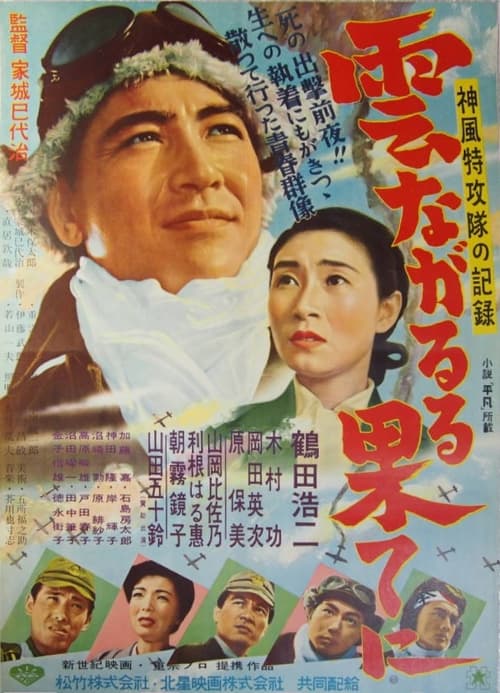
A movie that depicts the tragic fate of many Yokaren flight-academy pilots.