FEEL IT.STREAM
Raymond Depardon

Raymond Depardon

Directing

Biography

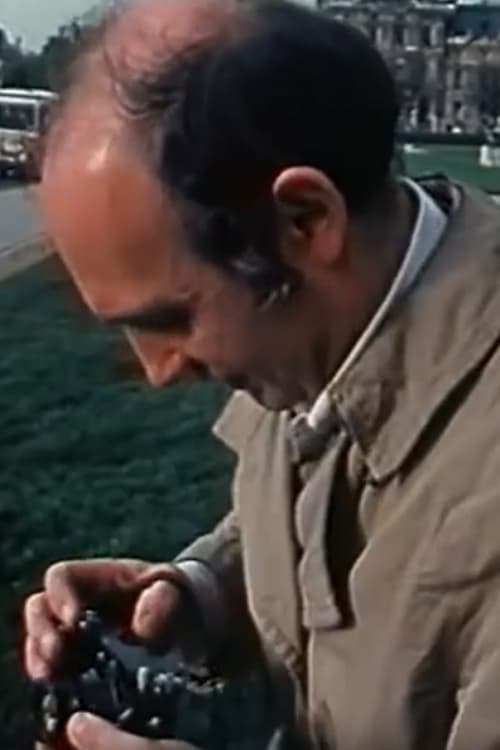
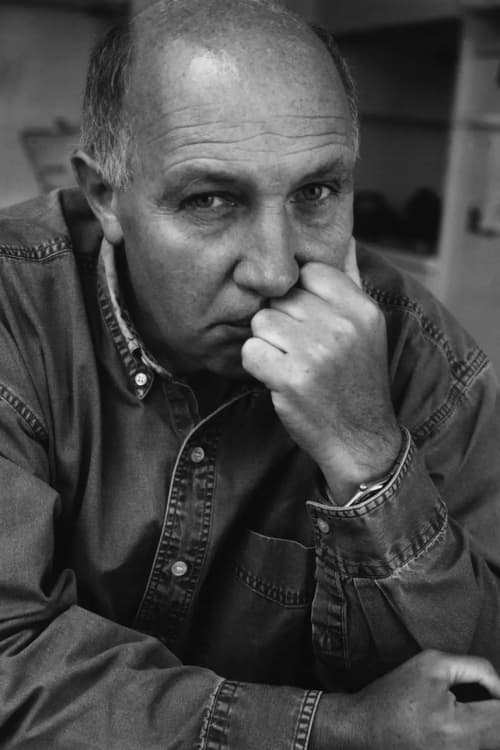
Raymond Depardon is a photographer, a journalist and a filmmaker, but, above all, his eyes view humans with compassion. He respects others and is kind with the reality of their lives. He was born into a family of farmers in 1942 in Burgundy and went to Paris in 1958, wishing to be a photographer. He was first taken on as a messenger in an agency and was sent to take photos of an opening-night at the cinema: the movie was none other than Jean-Luc Godard's Breathless. He finally established his own agency, Gamma, together with three reporters, in 1966 'not for money but for the freedom'. He suggested to set up a cinema department: 'we bought an Eclair- camera and tried to make news-films for television in addition to taking news-photograhs... It was then that I learned to hold the camera." When Depardon films people, he is silent. If one has the impression that he always keeps his eyes lowered in the face of the world's miseries, it is untrue. Raymond Depardon looks as through a lattice and reacts like quicksilver, keeping his deepest, innermost emotion secret, and allow his pictures to speak for themselves. His films are now screened in all international film festivals, from Cannes to Hong Kong.
Known For

To Each His Own Cinema
6.5

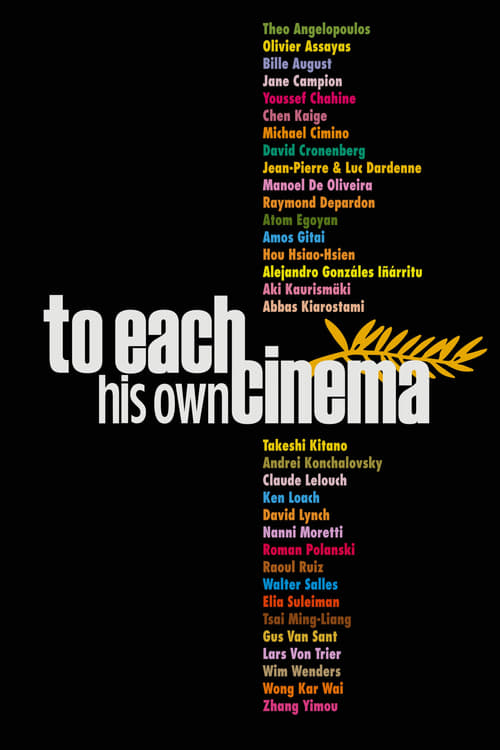
Commissioned to mark the 60th anniversary of the Cannes Film Festival, "To Each His Own Cinema" brought together 33 of the world's pre-eminent filmmakers to produce short pieces exploring the multifarious facets of cinema and their perspective on the state of their chosen artform in the early 21st century.

To Each His Own Cinema

2007
Lumière & Company
6.3

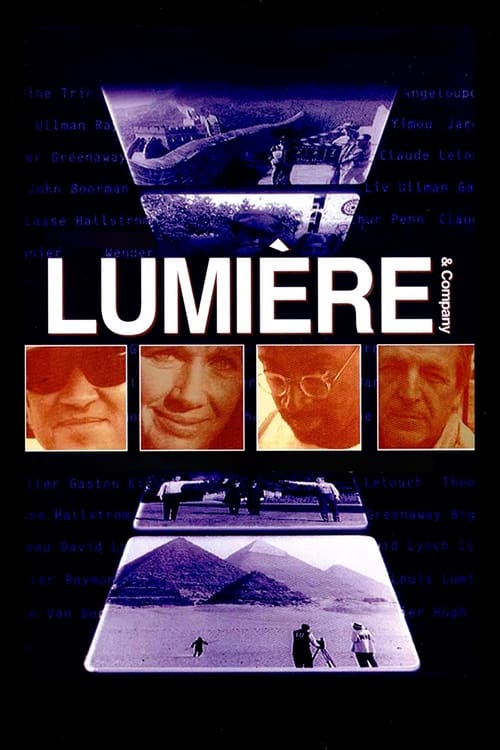
40 international directors were asked to make a short film using the original Cinematographe invented by the Lumière Brothers, working under conditions similar to those of 1895. There were three rules: (1) The film could be no longer than 52 seconds, (2) no synchronized sound was permitted, and (3) no more than three takes.

Lumière & Company

1995
L'Âge d'or de la pub
6.5

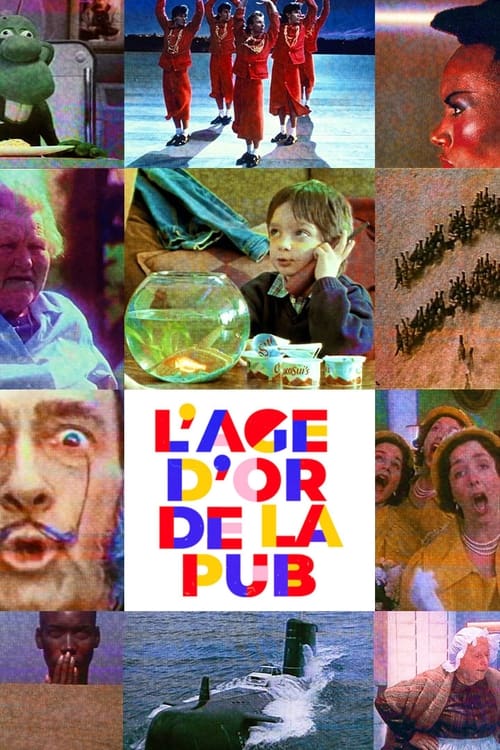
55 years ago, on October 1 1968, the first brand advertising spot appeared on the French television screen. Over the next three decades, thousands of creative little films would seduce and build our collective memory. Kitschy or cult spots, humor, slogans, music, stars, gimmicks, grand spectacle or sex appeal: during its golden age, how did advertising convince? Thierry Ardisson has brought together almost 400 advertising clips to relive the era of the conquest of minds and wallets.

L'Âge d'or de la pub

2023
Reporters
7.0

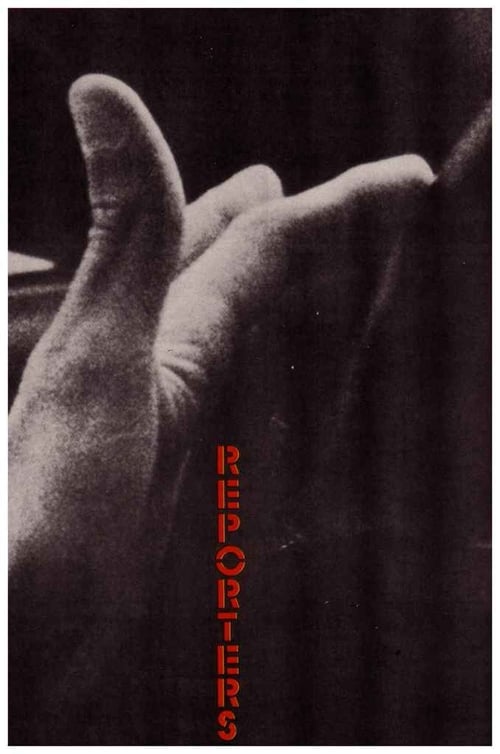
The co-founder of the Gamma press agency, Raymond Depardon, created this documentary of press photographers in Paris and their subjects by following the photographers around for one month, in October, 1980. In-between long hours waiting for a celebrity to emerge from a restaurant or a hotel, boredom immediately switches to fast action as the cameras click and roll when the person appears. The reaction to the gaggle of photographers is as varied as the people they often literally chase all around town. While some of the celebrities, such as Jacques Chirac who was mayor of Paris at the time, are perceived as comical caricatures, others are shown simply going about ordinary pursuits - including Catherine Deneuve, Gene Kelly, and Jean-Luc Godard.

Reporters

1981
The 8th Floor
6.0

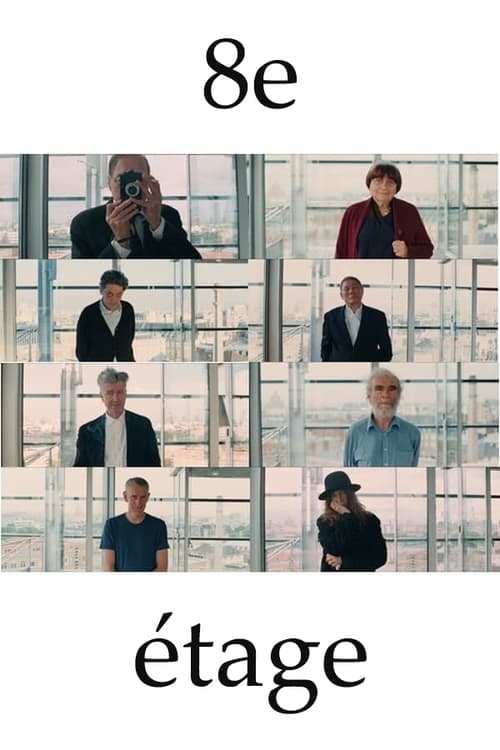
On the 8th floor of the Fondation Cartier in Paris, Raymond Depardon's film features a minute of silence with eight artists and scientists: David Lynch, Patti Smith, William Eggleston, Takeshi Kitano, Ron Mueck, Jean Michel Alberola, Agnès Varda and Misha Gromov.

The 8th Floor

2014
Lest We Forget
7.0

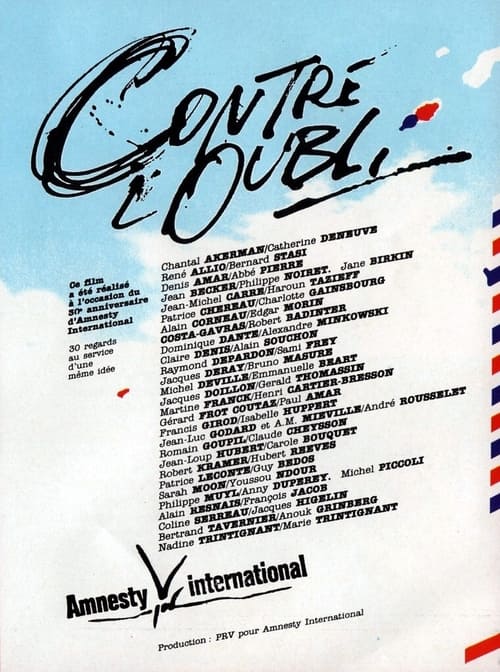
A compilation of 30 French filmmakers, Alain Resnais and Jean Luc Godard among them, who use film to make a plea on behalf of a political prisoner. Jean Luc Godard and Anne Marie Mieville's film concerns the plight of Thomas Wanggai, West Papuan activist who has since died in prison. The short films were commissioned by Amnesty International.

Lest We Forget

1991
Concerning Nice
5.6

Anthology of short films about the French city of Nice, by various directors. A homage to Jean Vigo and his "À propos de Nice" from 1930.

Concerning Nice

1995
Profils paysans : le quotidien
7.2

Second documentary of a trilogy produced on the long term (together with Profils paysans: l'approche (2001) and Profils paysans: La vie moderne (2008)), showing the simple lives of farmers in contemporary Southern France.

Profils paysans : le quotidien

2005
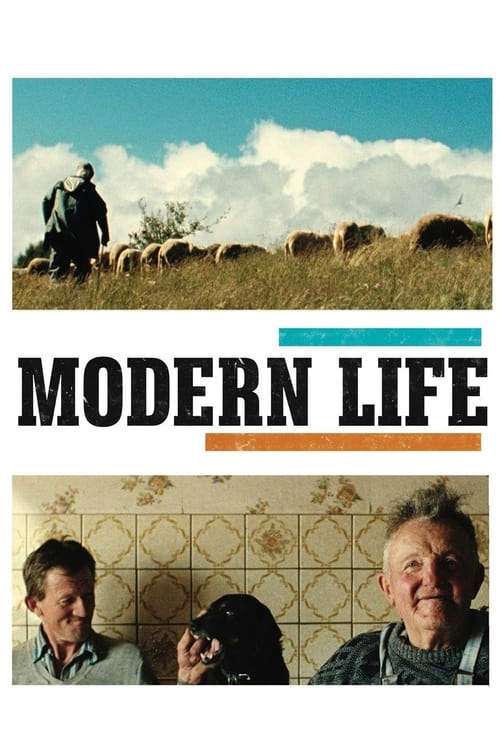
Modern Life
7.5

For ten years, Raymond Depardon has followed the lives of farmer living in the mountain ranges. He allows us to enter their farms with astounding naturalness. This moving film speaks, with great serenity, of our roots and of the future of the people who work on the land. This the last part of Depardon's triptych "Profils paysans" about what it is like to be a farmer today in an isolated highland area in France. "La vie moderne" examines what has become of the persons he has followed for ten years, while featuring younger people who try to farm or raise cattle or poultry, come hell or high water.

Modern Life

2008
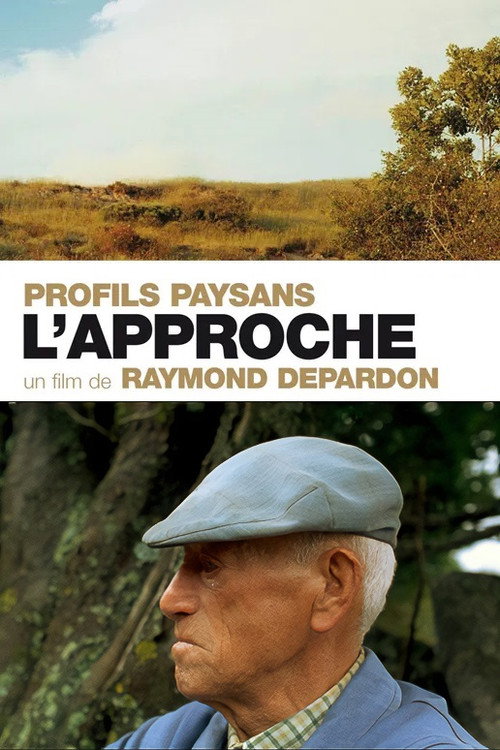
Profils paysans : l'approche
7.4

The first of a documentary serie about rural France.

Profils paysans : l'approche

2001
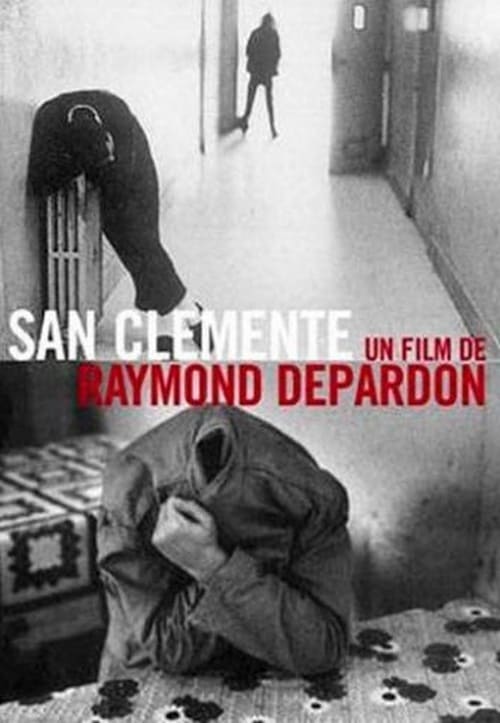
San Clemente
6.8

This documentary is about the life of a Venetian psychiatric hospital. The relationships between the doctors, the patients and their families are followed.

San Clemente

1981
1974, une partie de campagne
6.6

Following the 1974 French presidential campaign with Valéry Giscard d’Estaing.

1974, une partie de campagne

2002
Paris
5.3

Utilizing a combination of professional actors and man-on-the-street interviews, French director Raymond Depardon has created a film about filmmaking that centers on a rather discriminating director's search for the perfect leading lady. The main problem is that the helmer (Luc Delahaye) doesn't really know what his next film will be about, let alone what kind of woman should be his star. Looking for inspiration, the director and his casting agent (Sylvie Peyre) visit the Saint Lazare train station in Paris and shoot some footage of passengers entering and exiting the trains. Later he encounters a few actresses, but rather than asking about their professional experiences, the director focuses on their personal lives. After several fruitless interviews, the director confesses to the casting agent that he really wants to utilize a non-professional actress.

Paris

1998
Incognito
8.0

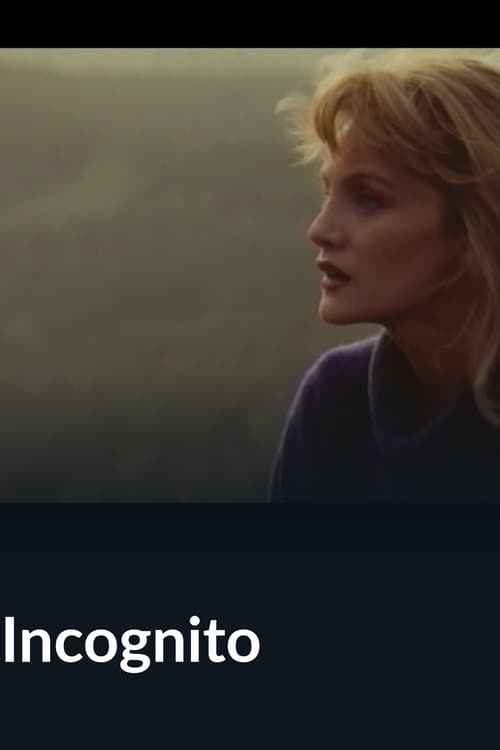
An almost blind writer moves to a hidden property in an Alpine village with a female friend, Renata. The two play sado-masochistic games including long recitals of elaborate texts. A neighbor, Serge, gets interested in the mysterious couple.

Incognito

1990
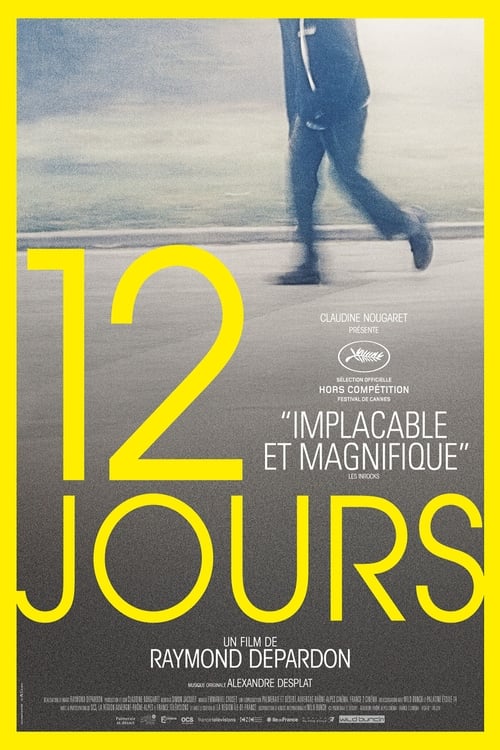
12 Days
7.1

A new documentary by filmmaker-photographer Raymond Depardon – where justice and psychiatry meet.

12 Days

2017
La rouge et la noire
N/A

Carrying on Luc Moullets unfinished screenplay about the theft of la pénélope, a camera created by Aaton and capable of recording equally well in 35 mm and digitally, LA ROUGE ET LA NOIRE is a film in kaleidoscope form. The portrait of Aatons founder, Jean-Pierre Beauviala creator, inter alia, of the time-code and the light cameras used by the New Wave (in particular the bush camera specially designed for Jean Rouch) is centered around the basic plot introduced by two women thieves who talk as voice-overs, and whose identities will only be revealed at the end.

La rouge et la noire

2011
Amour
6.5

Using a rostrum camera, Raymond Depardon films a long series of photos, from the narrow streets of Paris to the endless desert, accompanied by original sounds of the city. A Cartier Foundation initiative for the contemporary arts.

Amour

1997
Les Habitants
6.1

Raymond Depardon sets out to meet French people to listen to them tell their tales. From Charleville-Mézières to Nice, Sète to Cherbourg, he invites people encountered in the street to continue their conversation in front of Depardon's camera and us, unfettered from any constraints.

Les Habitants

2016
Pékin Central
3.3

The unique distinction of this standard comedy drama is that it is the first foreign, feature-length movie filmed in mainland China. Novice director Camille de Casabianca obtained permission from the authorities and set up her story around Valerie (Christine Citti), a woman who follows Yves (Yves Renier), the man she loves, to China. Yves is a journalist assigned to report on Western tourists behind the Bamboo Curtain, and it is an unintentionally comical group of tourists at that.

Pékin Central

1986
Tchad 2 : L'Ultimatum
8.0

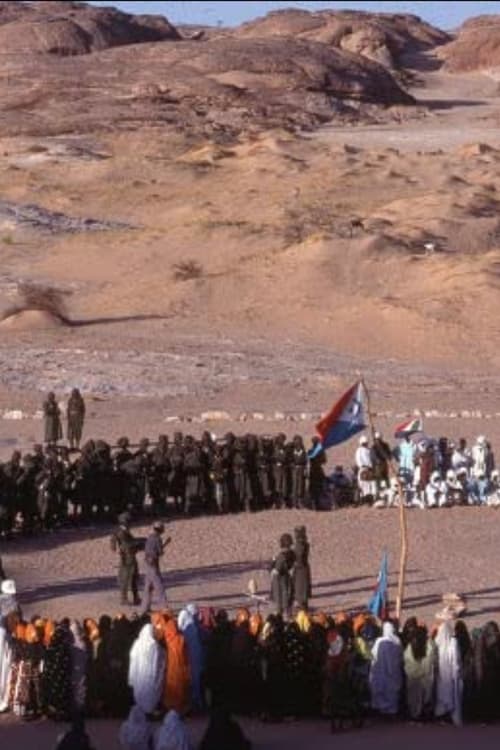
No description available.

Tchad 2 : L'Ultimatum

1975