FEEL IT.STREAM
John Banner

John Banner

Acting

Biography

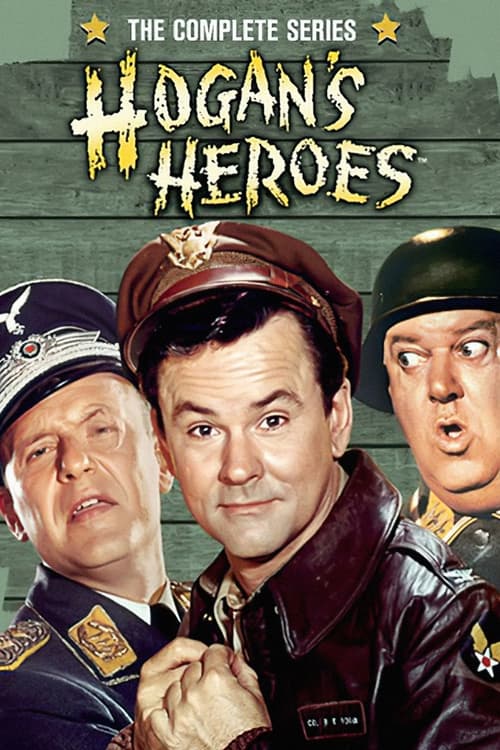
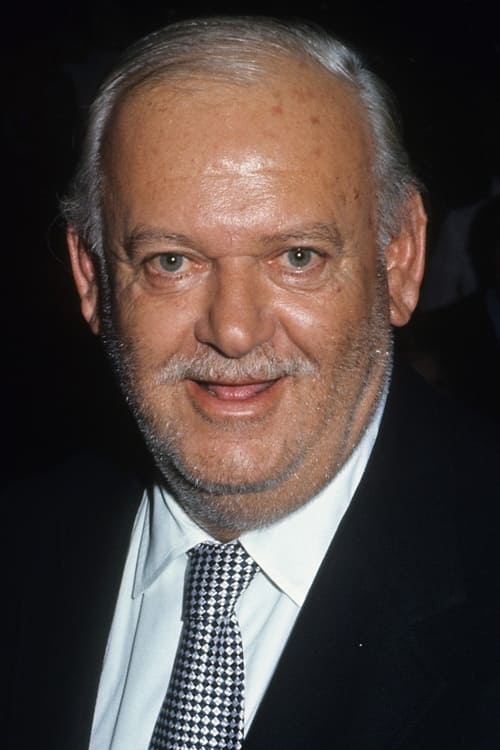
John Banner (Height: 6 feet 1 inch [1.85 meters]), born Johann Banner (January 28, 1910-January 28, 1973), was an Austrian-American actor who achieved lasting fame for his portrayal of the bumbling German Sergeant Hans Schultz in the beloved sitcom Hogan's Heroes (1965-1971). Banner was born in Vienna, Austria-Hungary (now Ukraine). He studied acting at the prestigious Reinhardt Seminar and began his career on the Viennese stage. In 1938, with the rise of the Nazis, Banner, a Jew, fled Austria for the United States. After arriving in America, Banner struggled to find work in his chosen profession. He took on odd jobs to make ends meet while continuing to pursue his passion for acting. Eventually, he began landing small roles in Hollywood films, often playing stereotypical Germans. In 1965, Banner landed the role of Sergeant Schultz in the CBS sitcom Hogan's Heroes. The show was set in a German prisoner-of-war camp during World War II and followed the exploits of a group of American officers led by Colonel Robert Hogan (Bob Crane). Banner's portrayal of Schultz, the guard who was always "seeing nothing" and "hearing nothing" while the prisoners tunneled out of the camp or conducted other escapades, was a comedic highlight of the show. Banner's comedic timing and delivery of the catchphrases "I see nothing!" and "I know nothing!" endeared him to audiences around the world. He remained with the show for its entire six-season run, becoming synonymous with the role of Sergeant Schultz. After Hogan's Heroes ended in 1971, Banner continued to act, appearing in guest roles on various television shows. He also returned to the stage, performing in a number of productions. In 1973, Banner died of a heart attack while visiting Vienna. He was 63 years old.
Known For

Matinee Theater
5.3

Matinee Theater is an American anthology series that aired on NBC during the Golden Age of Television, from 1955 to 1958. The series, which ran daily in the afternoon, was frequently live. It was produced by Albert McCleery, Darrell Ross, George Cahan and Frank Price with executive producer George Lowther. McCleery had previously produced the live series Cameo Theatre which introduced to television the concept of theater-in-the-round, TV plays staged with minimal sets. Jim Buckley of the Pewter Plough Playhouse recalled: When Al McCleery got back to the States, he originated a most ambitious theatrical TV series for NBC called Matinee Theater: to televise five different stage plays per week live, airing around noon in order to promote color TV to the American housewife as she labored over her ironing. Al was the producer. He hired five directors and five art directors. Richard Bennett, one of our first early presidents of the Pewter Plough Corporation, was one of the directors and I was one of the art directors and, as soon as we were through televising one play, we had lunch and then met to plan next week’s show. That was over 50 years ago, and I’m trying to think; I believe the TV art director is his own set decorator —yes, of course! It had to be, since one of McCleery’s chief claims to favor with the producers was his elimination of the setting per se and simply decorating the scene with a minimum of props. It took a bit of ingenuity.

Matinee Theater

1955Series
Four Star Playhouse
6.8

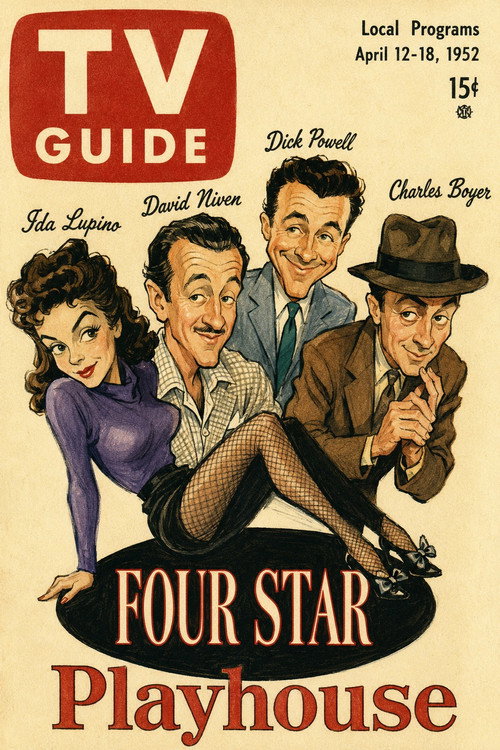
Four Star Playhouse is an American television anthology series that ran from 1952 to 1956, sponsored in its first bi-weekly season by The Singer Company; Bristol-Myers became an alternate sponsor when it became a weekly series in the fall of 1953. The original premise was that Charles Boyer, Ida Lupino, David Niven, and Dick Powell would take turns starring in episodes. However, several other performers took the lead from time to time, including Ronald Colman and Joan Fontaine. Blake Edwards was among the writers and directors who contributed to the series. Edwards created the recurring character of illegal gambling house operator Willie Dante for Dick Powell to play on this series. The character was later revamped and spun off in his own series starring Howard Duff, then-husband of Lupino. The pilot for Meet McGraw, starring Frank Lovejoy, aired here, as did another episode in which Lovejoy recreated his role of Chicago newspaper reporter Randy Stone, from the radio drama Nightbeat.

Four Star Playhouse

1952Series