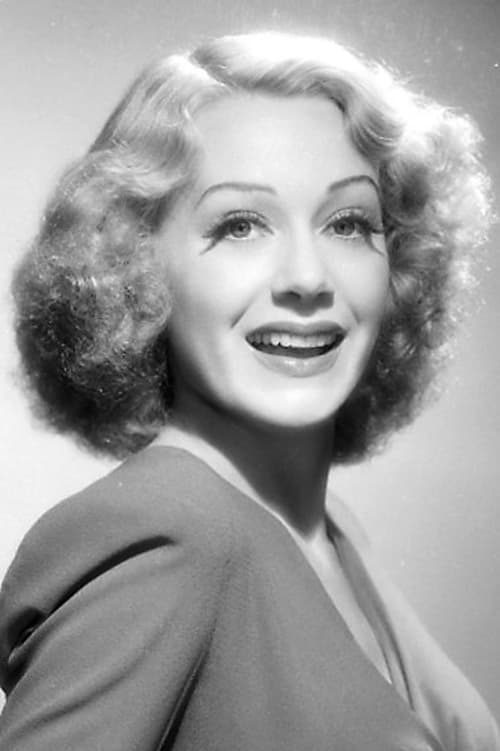
June Havoc
Acting
Biography
June Havoc (born Ellen June Evangeline Hovick), was a Canadian American actress, dancer, writer, and stage director. Havoc was a child vaudeville performer under the tutelage of her mother Rose Thompson Hovick. She later acted on Broadway and in Hollywood, and stage-directed, both on and off-Broadway. She last appeared on television in 1990 in a story arc on the soap opera General Hospital. Her elder sister Louise gravitated to burlesque and became the well-known striptease performer Gypsy Rose Lee. Following their parents' divorce, the two sisters earned the family's income by appearing in vaudeville, where June's talent often overshadowed Louise's. Baby June got an audition with Alexander Pantages, who had come to Seattle, Washington in 1902 to build theaters up and down the west coast of the United States. Soon, she was launched in vaudeville and also appeared in Hollywood movies. She could not speak until the age of three, but the films were all silent. She would cry for the cameras when her mother told her that the family's dog had died. In December 1928, Havoc, in an effort to escape her overbearing mother, eloped with Bobby Reed, a boy in the vaudeville act. Weeks later after performing at the Jayhawk Theatre in Topeka, Kansas, Rose reported Reed to the Topeka Police, and he was arrested. Rose had a concealed gun on her when she met Bobby at the police station. She pulled the trigger, but the safety was on. She then physically attacked her soon-to-be new son-in-law, and the police had to pry her off the hapless Reed. June soon married him, leaving both her family and the act. The marriage did not last, but the two remained on friendly terms. June's only child was a daughter, born April Rose Hyde. A marriage license, dated November 30, 1928 for Ellen Hovick and Weldon Hyde, would seem to indicate that Bobby Reed's real name was Weldon Hyde. April became an actress in the 1950s known as April Kent. She predeceased her mother, dying in Paris in 1998.
Known For

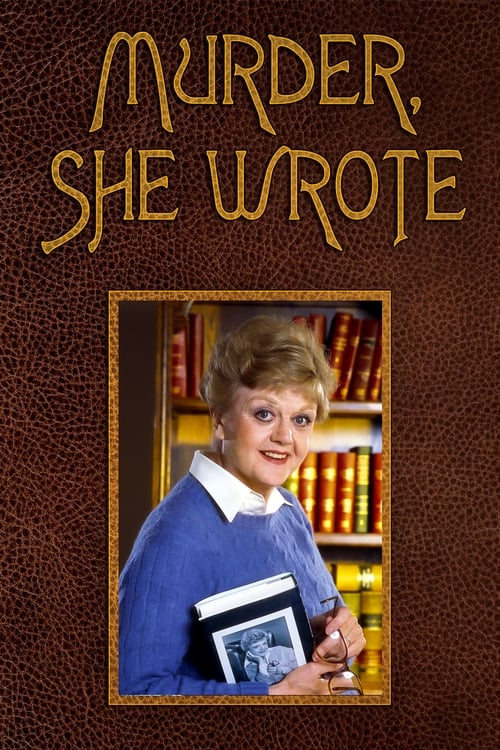
An unassuming mystery writer turned sleuth uses her professional insight to help solve real-life homicide cases.
Murder, She Wrote

The Mike Douglas Show is an American daytime television talk show hosted by Mike Douglas that originally aired only in the Cleveland area during much of its first two years on the air. It then went into syndication in 1963 and remained on television until 1982. It was distributed by Westinghouse Broadcasting and for much of its run, originated from studios of two of the company's TV stations in Cleveland and Philadelphia.
The Mike Douglas Show

The best in the performing arts from across America and around the world including a diverse programming portfolio of classical music, opera, popular song, musical theater, dance, drama, and performance documentaries.
Great Performances

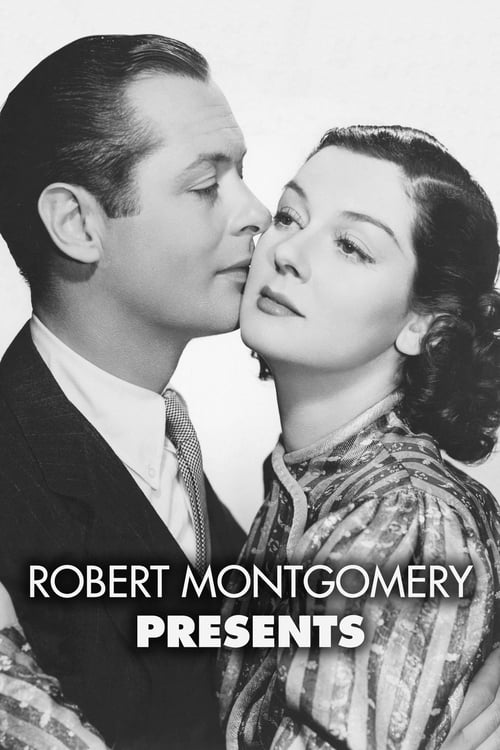
Robert Montgomery Presents is an American dramatic television series which was produced by NBC from January 30, 1950 until June 24, 1957. The live show had several sponsors during its seven-year run, and the title was altered to feature the sponsor, usually Lucky Strike cigarettes, for example, Robert Montgomery Presents Your Lucky Strike Theater, ....The Johnson's Wax Program, and so on.
Robert Montgomery Presents

No description available.
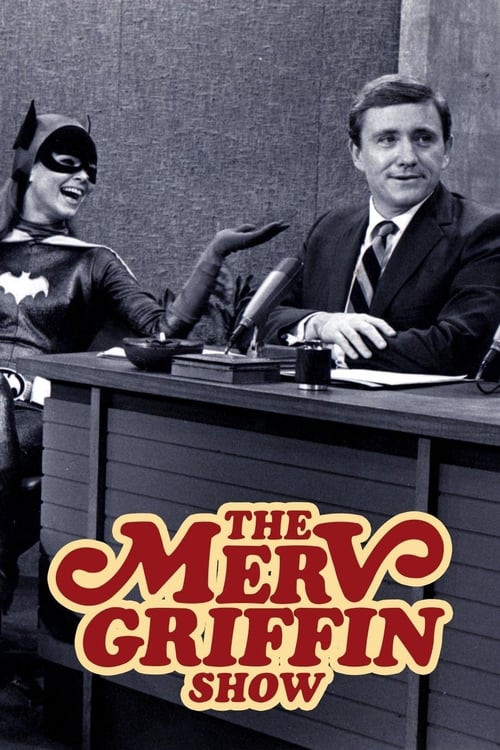
The Merv Griffin Show

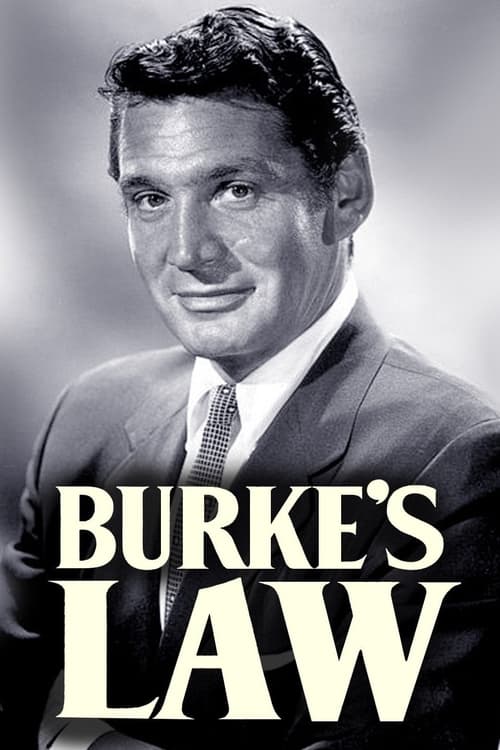
Burke's Law is an American detective series that ran on ABC from 1963 to 1965 and was revived on CBS in the 1990s. The show starred Gene Barry as Amos Burke, millionaire captain of Los Angeles police homicide division, who was chauffeured around to solve crimes in his Rolls-Royce Silver Cloud II.
Burke's Law

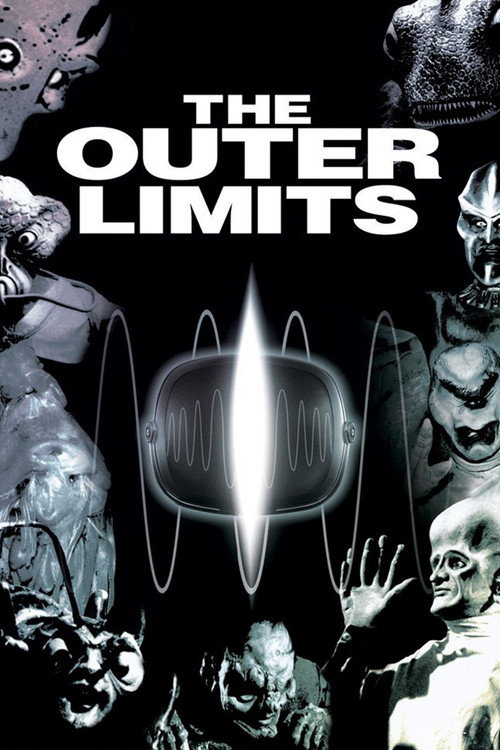
The Outer Limits is an anthology tv series of self-contained sci-fi-horror stories, sometimes with a plot twist at the end.
The Outer Limits

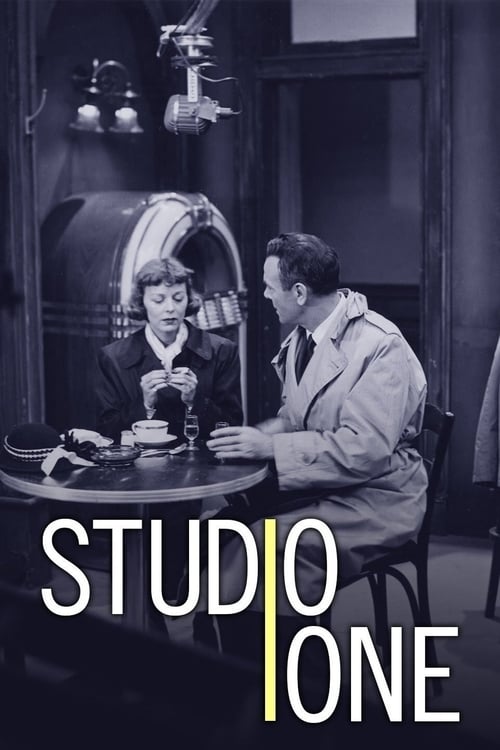
An American radio–television anthology series, created in 1947 by Canadian director Fletcher Markle, who came to CBS from the CBC. Studio One, presented by Westinghouse, was one of the first of the anthology TV programs. The episodes were often abridged remakes of movies from years gone by and many future well-known television and movie actors appeared in the productions.
Studio One

Matinee Theater is an American anthology series that aired on NBC during the Golden Age of Television, from 1955 to 1958. The series, which ran daily in the afternoon, was frequently live. It was produced by Albert McCleery, Darrell Ross, George Cahan and Frank Price with executive producer George Lowther. McCleery had previously produced the live series Cameo Theatre which introduced to television the concept of theater-in-the-round, TV plays staged with minimal sets. Jim Buckley of the Pewter Plough Playhouse recalled: When Al McCleery got back to the States, he originated a most ambitious theatrical TV series for NBC called Matinee Theater: to televise five different stage plays per week live, airing around noon in order to promote color TV to the American housewife as she labored over her ironing. Al was the producer. He hired five directors and five art directors. Richard Bennett, one of our first early presidents of the Pewter Plough Corporation, was one of the directors and I was one of the art directors and, as soon as we were through televising one play, we had lunch and then met to plan next week’s show. That was over 50 years ago, and I’m trying to think; I believe the TV art director is his own set decorator —yes, of course! It had to be, since one of McCleery’s chief claims to favor with the producers was his elimination of the setting per se and simply decorating the scene with a minimum of props. It took a bit of ingenuity.
Matinee Theater

The Colgate Comedy Hour is an American comedy-musical variety series that aired live on the NBC network from 1950 to 1955. The show starred many notable comedians and entertainers of the era, including Eddie Cantor, Dean Martin and Jerry Lewis, Fred Allen, Donald O'Connor, Bud Abbott and Lou Costello, Bob Hope, Jimmy Durante, Ray Bolger, Gordon MacRae, Ben Blue, Robert Paige, Tony Curtis, Burt Lancaster, Broadway dancer Wayne Lamb and Spike Jones and His City Slickers.
The Colgate Comedy Hour

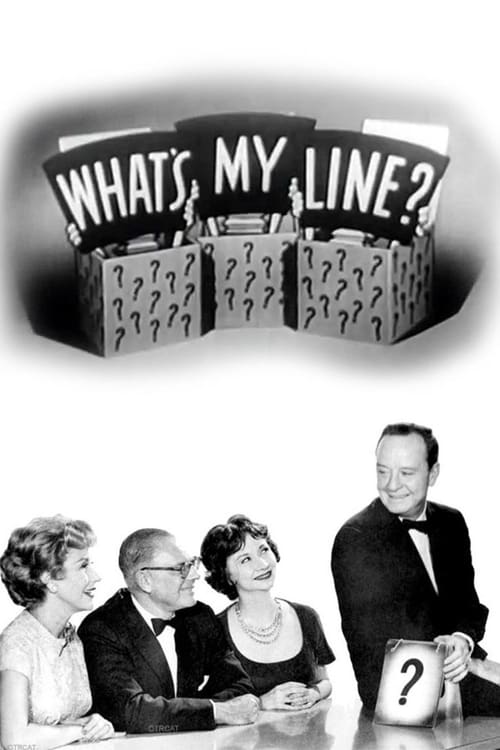
Four panelists must determine guests' occupations - and, in the case of famous guests, while blindfolded, their identity - by asking only "yes" or "no" questions.
What's My Line?

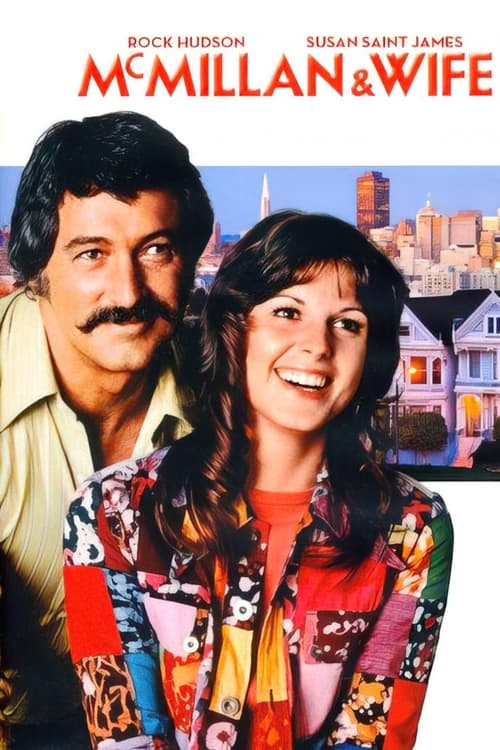
McMillan & Wife is a lighthearted American police procedural that aired on NBC from September 17, 1971 to April 24, 1977. Starring Rock Hudson and Susan Saint James in the title roles, the series premiered in 90-minute episodes as part of the wheel series NBC Mystery Movie, in rotation with Columbo and McCloud. Initially airing on Wednesday night, the original line-up was shifted to Sundays in the second season, where it aired for the rest of its run. This was the first element to be created specially for the Mystery Movie strand.
McMillan & Wife
Lux Video Theatre is an American anthology series that was produced from 1950 until 1959. The series presented both comedy and drama in original teleplays, as well as abridged adaptations of films and plays.
Lux Video Theatre

No description available.
Panic!

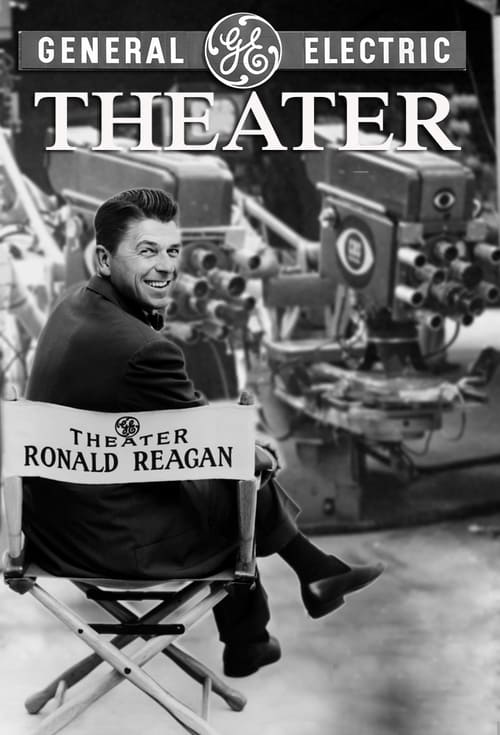
General Electric Theater is an American anthology series hosted by Ronald Reagan that was broadcast on CBS radio and television. The series was sponsored by General Electric's Department of Public Relations.
General Electric Theater

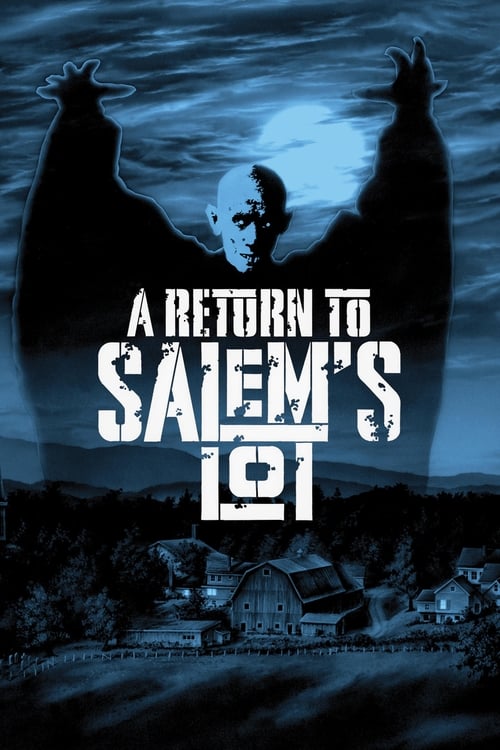
Anthropologist Joe Weber takes his son on a trip to the New England town of Salem's Lot, unaware of its vampire population. When the inhabitants reveal their secret, they seek Weber to write a bible for them.
A Return to Salem's Lot
Willy is an American sitcom that aired on CBS from September 18, 1954 to June 16, 1955. The series centers on Wilma "Willy" Dodger, played by June Havoc, a lawyer from rural New Hampshire who elocates to New York City to represent a vaudeville troupe.
Willy

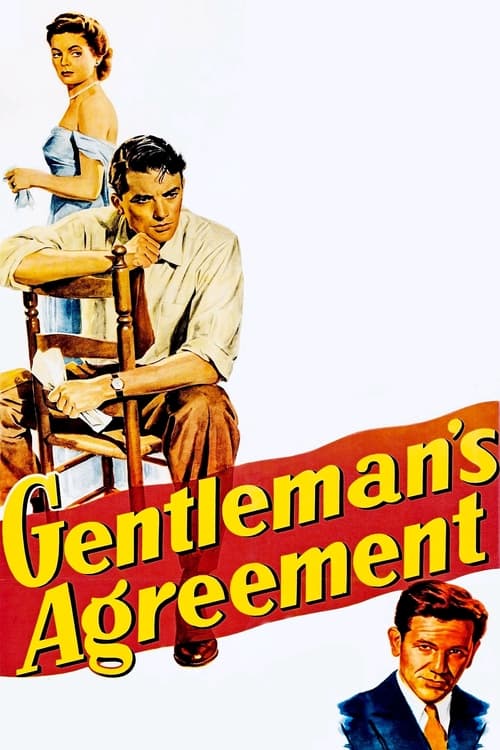
A magazine writer poses as a Jew to expose anti-Semitism.
Gentleman's Agreement

A loose biography of seminal disco hit-makers The Village People and their composer Jacques Morali.
Can't Stop the Music

In her attempts to make a splash on Broadway, a lively would-be-actress lands herself in hot water with the mob.