Kuang Yang
Writing
Known For
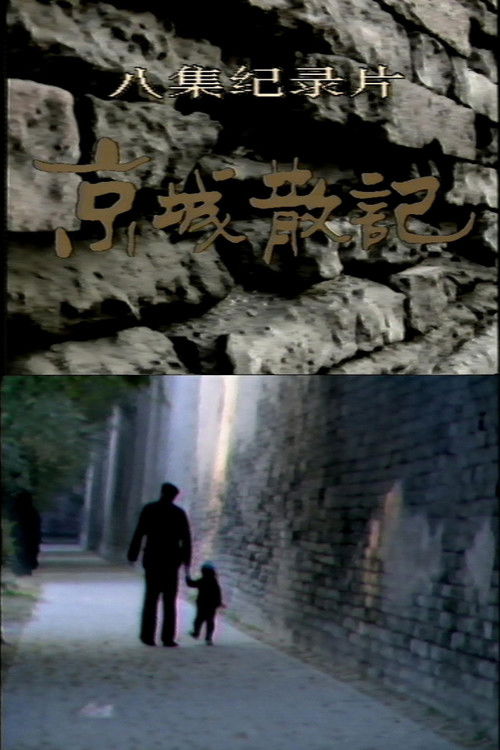
Eight-part documentary about the city of Beijing, shot from August 1988 to January 1991.
Notes from Beijing

“Only One Earth” (只有一个地球) is a pioneering Chinese environmental documentary series presented in four parts. The project was produced by CCTV with support from state environmental authorities (then the National Environmental Protection Agency, now the Ministry of Ecology and Environment), but it did not pass censorship and was not permitted to air. (It was originally planned to premiere on the first celebrated Earth Day in China in 1990.) It approaches ecological crisis through an experimental, essayistic lens shaped by the concerns of reform-era Chinese intellectuals, confronting the toll of global industrialization. Directed by Chen Jue (a member of SWYC, the same collective behind the following year's banned Tiananmen series), Only One Earth uses literary, academic, and archival materials alongside a visual style influenced by experimental cinema.
Only One Earth
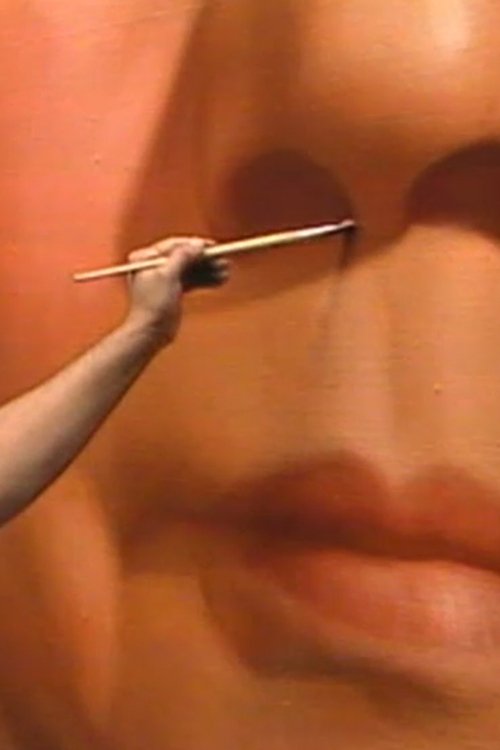
A CCTV-commissioned, 8-part series shot between 1988 and 1990, but barred from being released after the events of June 4th. A production of the Structure, Wave, Youth, Cinema (SWYC) Experimental Group, an informal collective of young filmmakers founded in the summer of 1989 and devoted to the production of documentaries, that includes: this series' two directors, Shi Jian and Chen Jue, as well as Beijing TV's Wang Zijun, and this series' screenwriter, Kuang Yang (under the name Guang Yi). Tiananmen documents various aspects of life surrounding the Square: survivors of the imperial era, street performers, fledgling entrepreneurs, fashion school students, foreigners marrying Chinese nationals, and so forth. Each episode starts with a close-up of a giant portrait of Mao hung over the Square, and proceeds as a hybrid of archival footage, direct cinema, and cinema verité, weaving a permanent dialectic between the present and the past, daily life and history.