
Vous aimerez aussi
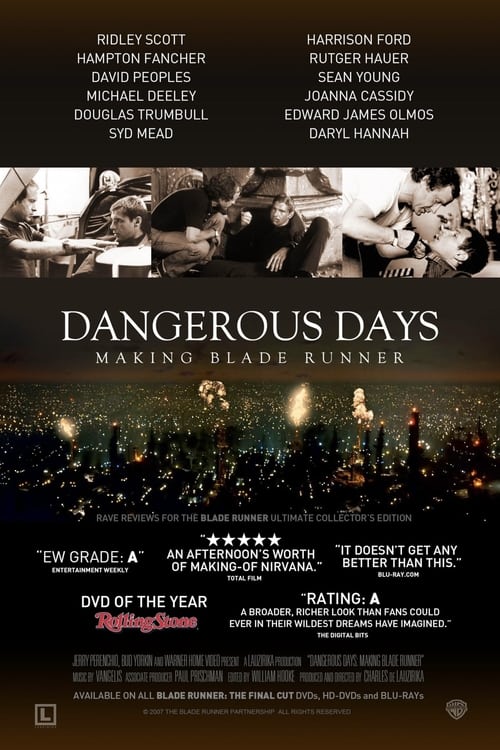
Le documentaire définitif de 3½ heures sur la création troublée et l'héritage durable du classique de science-fiction "Blade Runner", élaboré à partir de 80 interviews et de plusieurs heures d'extraits inédits et de séquences perdues.
Dangerous Days : Making Blade Runner
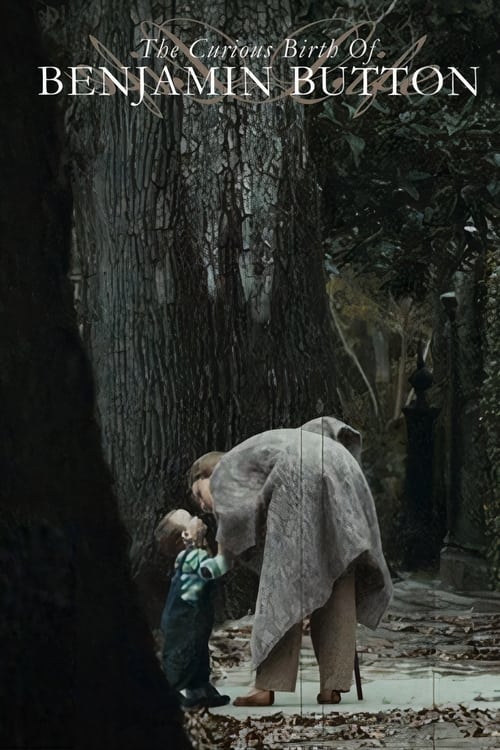
A documentary about the making of David Fincher's 2008 film THE CURIOUS CASE OF BENJAMIN BUTTON. Virtually every element in the evolution of the Fincher's film is documented here, from the project's attachment to numerous other directors during the 1990s, to its shoot in 2006 and 2007 in New Orleans, to its complex, CGI-intensive postproduction process.
The Curious Birth of Benjamin Button
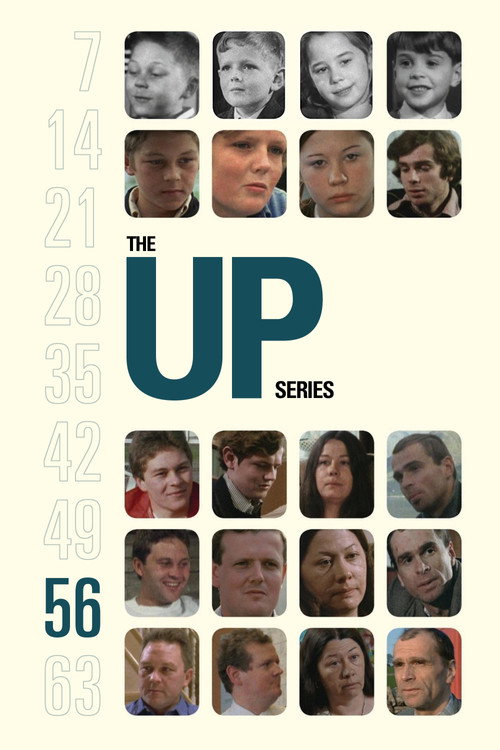
When a cross-section of seven-year-olds were interviewed for 7 Up in 1964 it was immediately evident that their social backgrounds influenced their attitudes towards life. While the upper class children were confident and self-assured, those from middle and working class backgrounds were resigned to a challenging life of hard work. This premise was put to the test every seven years when the same group were interviewed about the progression of their lives. 49 years in the making, the changes that occurred to the original 14 make for fascinating television and are in many ways the stories of all our lives. From success and disappointment, marriage and childbirth, to poverty and illness, nearly every facet of life has been captured on film. Now, at the age of 56, the group are once more brought together and, with the benefit of hindsight, assess whether their lives have been ruled by circumstance or self-determination.
56 Up
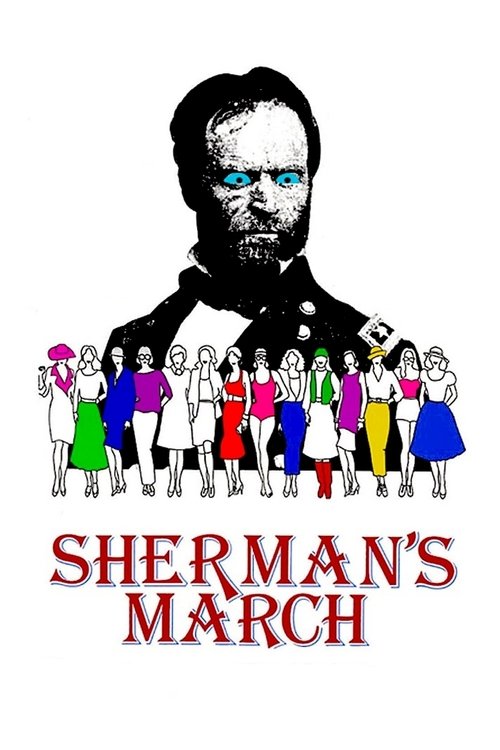
Documentarian Ross McElwee originally set out to make a travelogue of sorts tracing General William T. Sherman's infamous scorched-earth march through the Confederacy in the latter stages of the Civil War. Instead, haunted by a recent breakup with a girlfriend, McElwee ends up documenting his progress -- or lack thereof -- in starting a new relationship. His journey then becomes one of self-reflection and self-discovery rather than a historical/sociological exploration.
Sherman's March
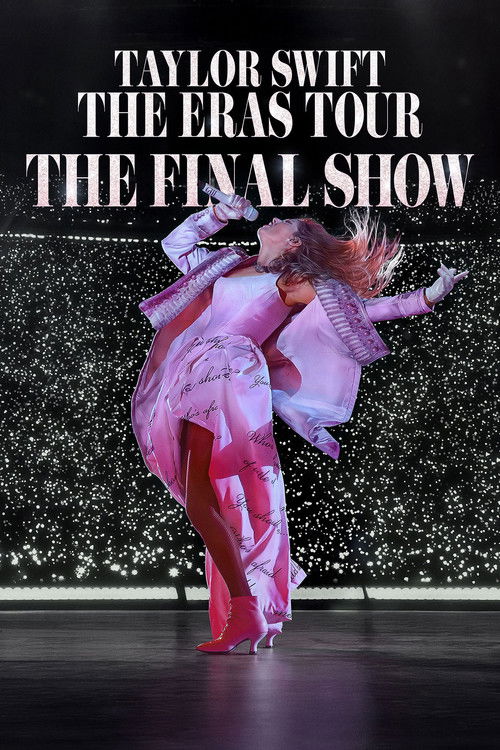
"Taylor Swift | Le Eras Tour | The Final Show" est le film du concert intégral, incluant "THE TORTURED POETS DEPARTMENT", tourné à Vancouver, en Colombie-Britannique, lors du dernier concert de la tournée historique.
Taylor Swift | The Eras Tour | The Final Show
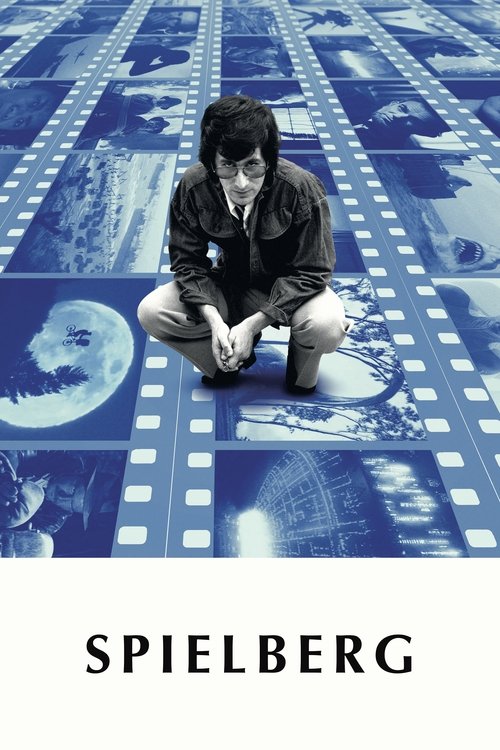
Un documentaire sur la vie et la carrière de l'un des réalisateurs les plus influents de tous les temps, Steven Spielberg. Ce documentaire, qui comprend des entretiens avec Steven Spielberg lui-même, nous raconte la carrière longue de 50 ans du réalisateur et nous donne un aperçu de la part de ses proches notamment J.J. Abrams, Christian Bale, Drew Barrymore, Cate Blanchett, Francis Ford Coppola, Daniel Craig, Daniel Day-Lewis, Brian de Palma, Laura Dern, Leonardo DiCaprio, Richard Dreyfuss, Ralph Fiennes, Harrison Ford, David Geffen, Tom Hanks, Dustin Hoffman, Holly Hunter, Jeffrey Katzenberg, Ben Kingsley, Kathleen Kennedy, George Lucas, Liam Neeson, Martin Scorsese, Oprah Winfrey et Robert Zemeckis
Spielberg
A compilation of over 30 years of private home movie footage shot by Lithuanian-American avant-garde director Jonas Mekas, assembled by Mekas "purely by chance", without concern for chronological order.
As I Was Moving Ahead Occasionally I Saw Brief Glimpses of Beauty
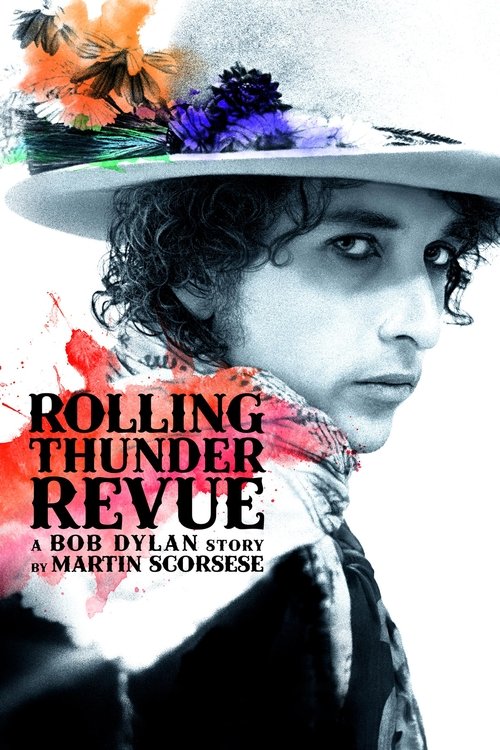
En véritable alchimiste, Martin Scorsese mélange les mythes et la réalité pour évoquer la tournée Rolling Thunder Revue de Bob Dylan, dans l'Amérique en mutation de 1975.
Rolling Thunder Revue : A Bob Dylan Story by Martin Scorsese
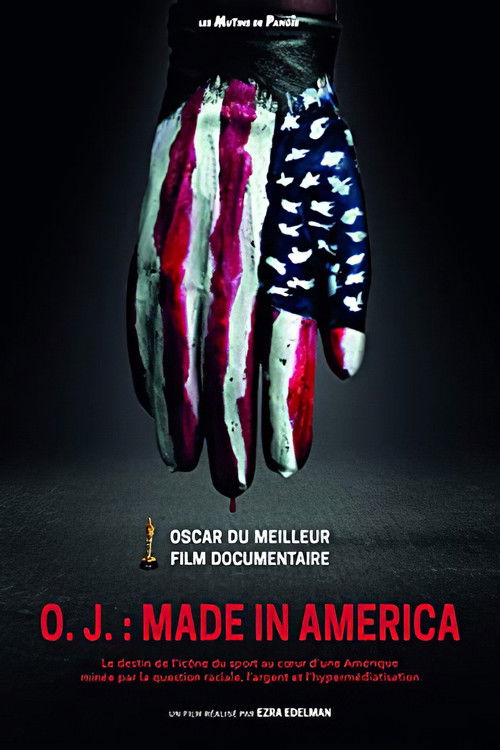
"O.J. - Made in America" retrace l'histoire de la race au cours des dernières décennies à travers la lentille de la montée et la chute de OJ Simpson. Il est peut-être la définition histoire culturelle de l'Amérique du 20e siècle, qui se concentre autour de deux des plus grands de notre pays fixations: race et célébrité. « JO: Made in America » explorera ces thèmes en traçant un parcours personnel, de la façon dont Orenthal James Simpson premier est devenu une star de football, la raison pour laquelle le pays est tombé en amour avec lui en dehors du terrain, à son être accusé du meurtre de son ex femme et son acquittement subséquent et pourquoi il est maintenant assis en prison 20 ans plus tard pour un autre crime.
O.J. - Made in America
Ce documentaire montre l'évolution des "Sociétés Anonymes" (appelées Corporations en anglais) aux USA, reprenant leur histoire depuis leur apparition avec la Révolution industrielle, où elles étaient conçues pour répondre au bien public mais furent détournées de cet objectif par la recherche du profit.
The Corporation
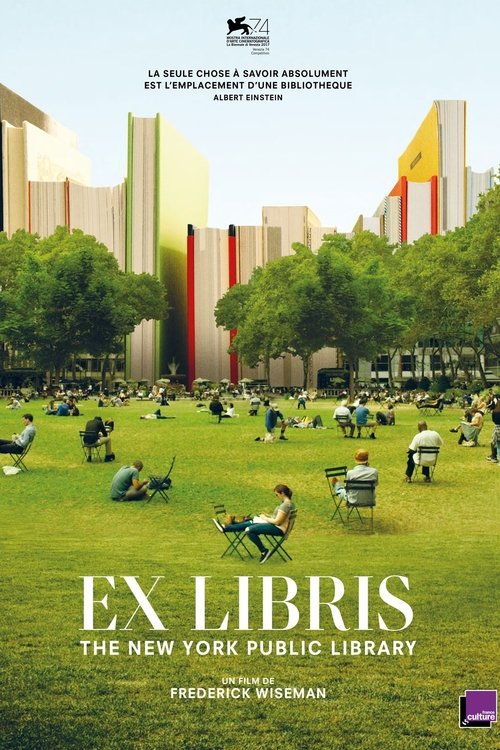
Un documentaire consacré à la New York Public Library, ou comment une institution culturelle et démographique dominante maintient ses activités traditionnelles tout en s'adaptant à la révolution numérique.
Ex Libris: The New York Public Library
Après 19 ans d’attente, Live Aid, le plus grand concert de l’histoire du rock sort enfin en DVD. Cet événement mondial inoubliable, qui a eu lieu sur deux continents, au stade Wembley à Londres et au stade JFK à Philadelphie, le samedi 13 juillet 1985, a été suivi en direct par plus de 1,5 milliards de téléspectateurs à travers le monde. Ces concerts ont permis de récolter plus de 140 millions de dollars pour la lutte contre la famine dévastatrice en Afrique. Ce jour-là, les plus grands artistes ont joué le meilleur de la musique pour la population la plus pauvre du monde et ont ainsi marqué à jamais la politique internationale…
Live Aid
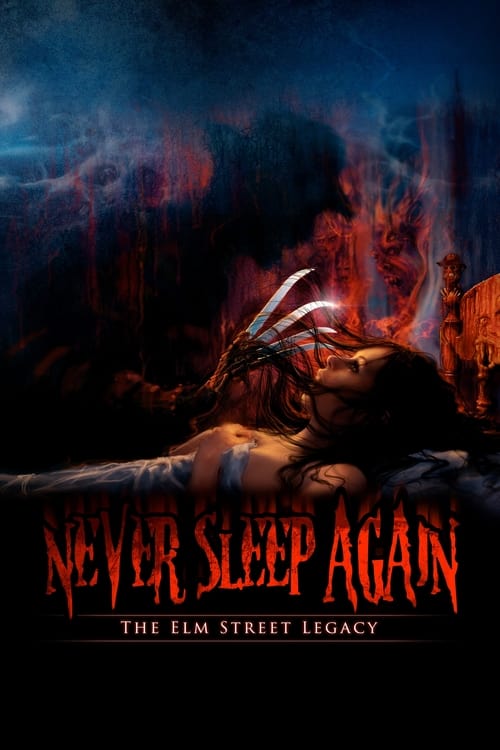
Depuis des décennies, Freddy Krueger s'est frayé un chemin à travers les rêves d'innombrables jeunes, effrayant plus d'un demi-milliard de dollars au box-office à travers huit films terrifiants et spectaculaires.
Never Sleep Again: The Elm Street Legacy
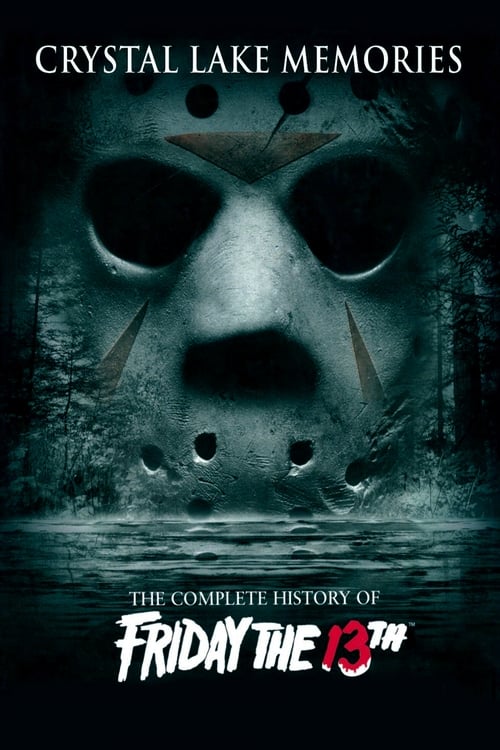
Taking inspiration from Peter M. Bracke's definitive book of the same name, this seven-hour documentary dives into the making of all twelve Friday the 13th films, with all-new interviews from the cast and the crew.
Crystal Lake Memories: The Complete History of Friday the 13th
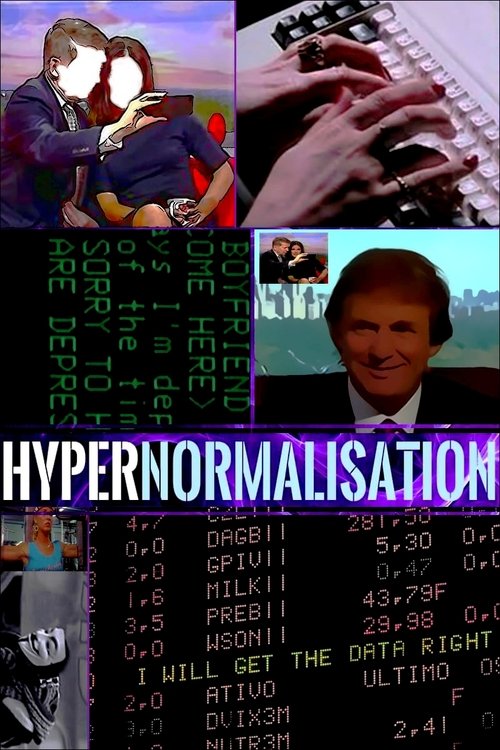
Dans le film, Adam Curtis avance que depuis les années 1970, les gouvernements, la finance et les utopistes technologiques ont abandonné la complexité du "monde réel" et ont construit un simple "monde factice" qui est géré par les entreprises et maintenu stable par les politiciens.
HyperNormalisation
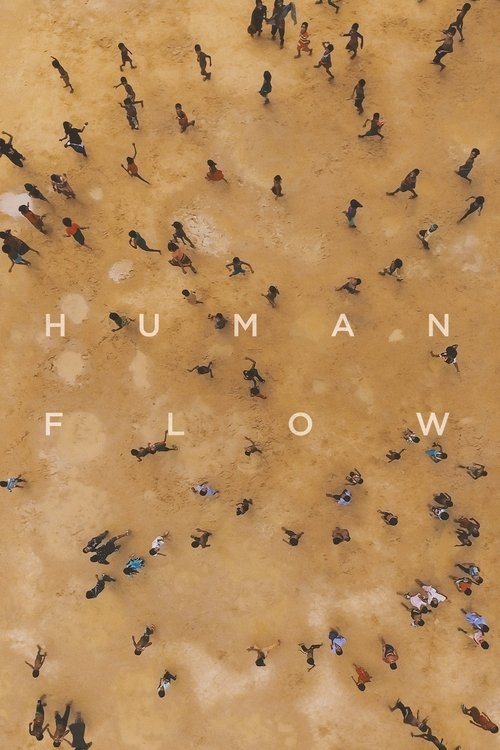
Plus de 65 millions de personnes ont été contraintes de quitter leur pays pour fuir la famine, les bouleversements climatiques et la guerre : il s'agit du plus important flux migratoire depuis la Seconde Guerre mondiale. Réalisé par l’artiste de renommée internationale Ai Weiwei, HUMAN FLOW aborde l'ampleur catastrophique de la crise des migrants et ses terribles répercussions humanitaires.
Human Flow
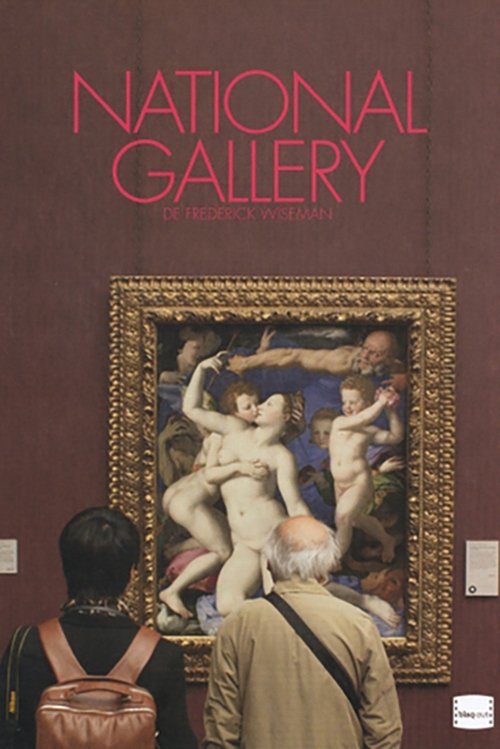
National Gallery s'immerge dans le musée londonien et propose un voyage au cœur de cette institution peuplée de chefs d'œuvre de la peinture occidentale du Moyen-âge au XIXe siècle. C’est le portrait d'un lieu, de son fonctionnement, de son rapport au monde, de ses agents, son public, et ses tableaux. Dans un perpétuel et vertigineux jeu de miroirs, le cinéma regarde la peinture, et la peinture regarde le cinéma.
National Gallery
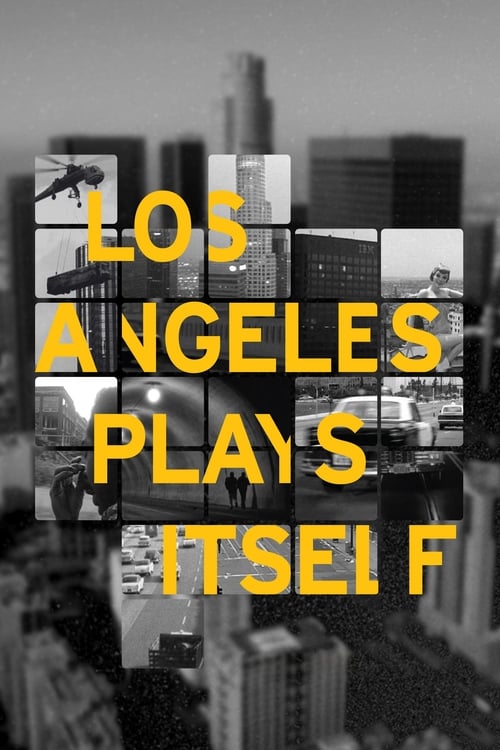
Une longue dérive dans Los Angeles vue à travers le cinéma de fiction hollywoodien.
Los Angeles Plays Itself
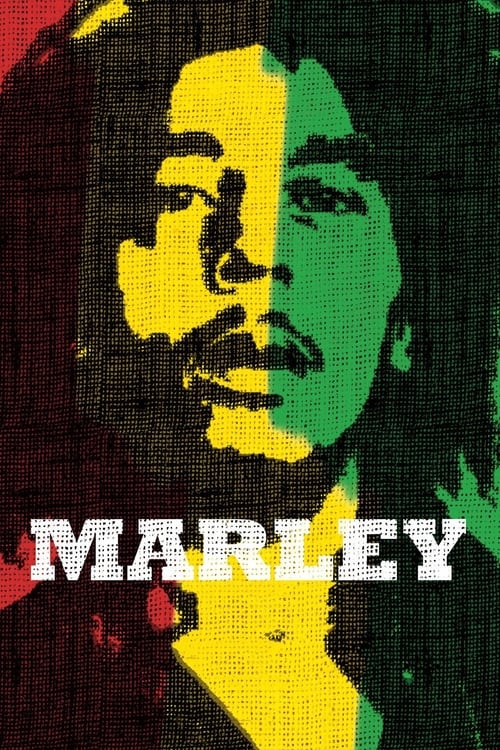
La place de Bob Marley dans l’histoire de la musique, son statut de figure sociale et politique et l’héritage qu’il nous laisse sont uniques et sans précédent. Ses chansons délivrent leur message d’amour et de tolérance, de résistance à l’oppression, et transcendent les cultures, les langues et les religions aujourd’hui encore, avec la même force que lorsqu’il était en vie. En collaboration avec la famille de l’artiste – qui a ouvert ses archives privées pour la première fois - Kevin Macdonald a réuni une mine d’informations, des images d’archives rarissimes et des témoignages poignants qui interrogent le phénomène culturel tout en dessinant le portrait intime de l’artiste, depuis sa naissance jusqu’à sa mort en 1981, faisant définitivement de MARLEY le film documentaire de référence, au moins pour les 30 années à venir.
Marley
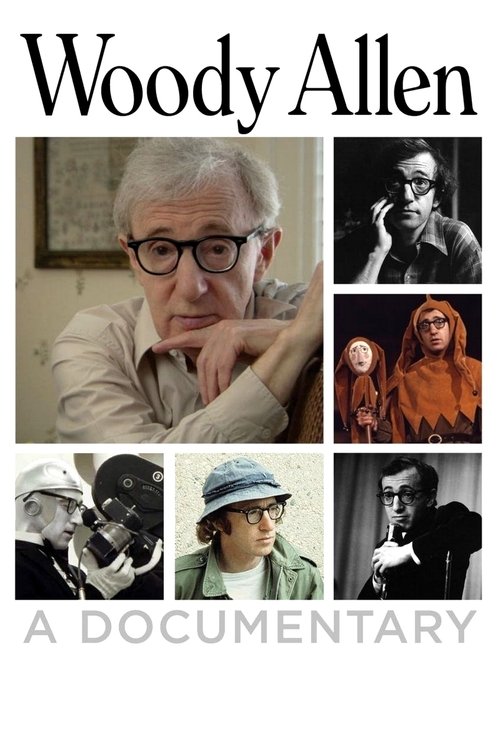
Un portrait intense de l'emblématique cinéaste, écrivain, acteur, comédien et musicien Woody Allen : sa vie, sa famille et ses amis ; ses habitudes d'écriture et de réalisation, et sa relation avec les artistes.