Acting
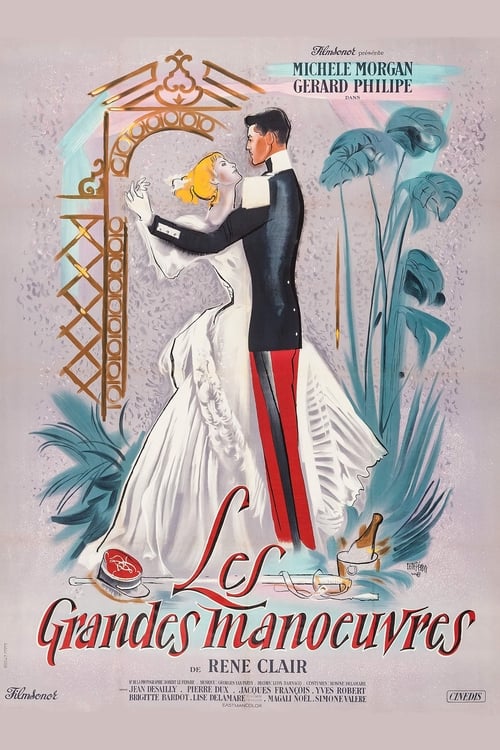
Armand, a boastful womaniser, makes a bet that he can seduce any girl he wants. He soon crosses paths with a beautiful Parisian divorcee, who is nothing like anyone he has ever met before.
Lola Montes, previously a great adventuress, is reduced to being the attraction of a circus after having been the lover of various important men.
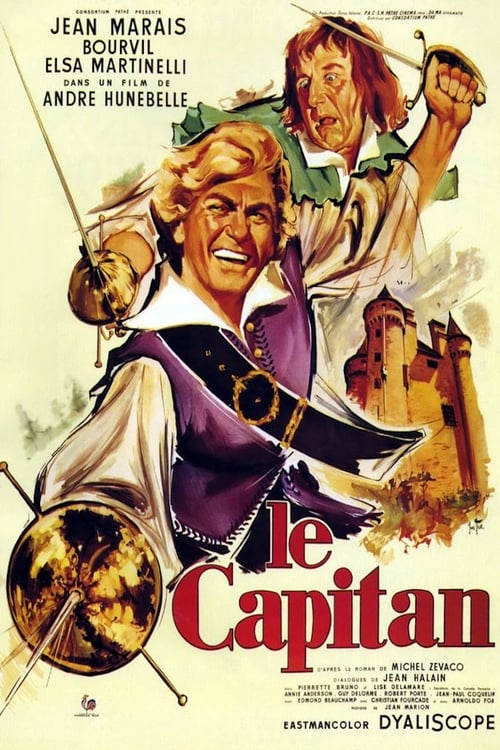
Le capitan is a 1960 French-Italian swashbuckler film directed by André Hunebelle and starring Jean Marais, Bourvil, Elsa Martinelli and Lise Delamare. It is based on a novel by Michel Zévaco.
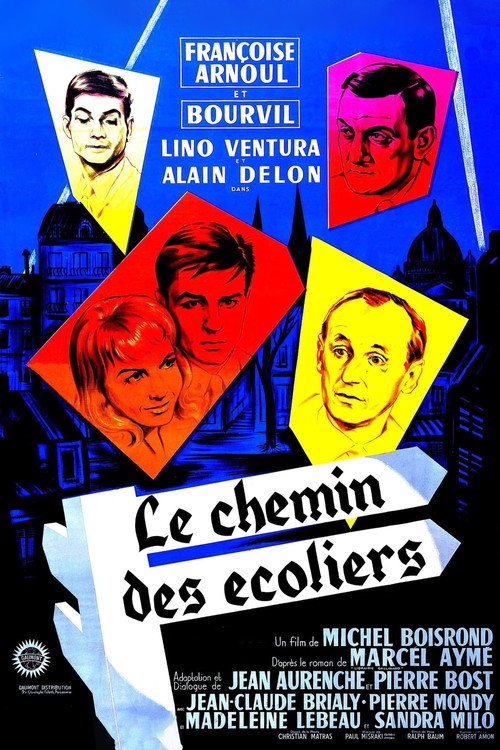
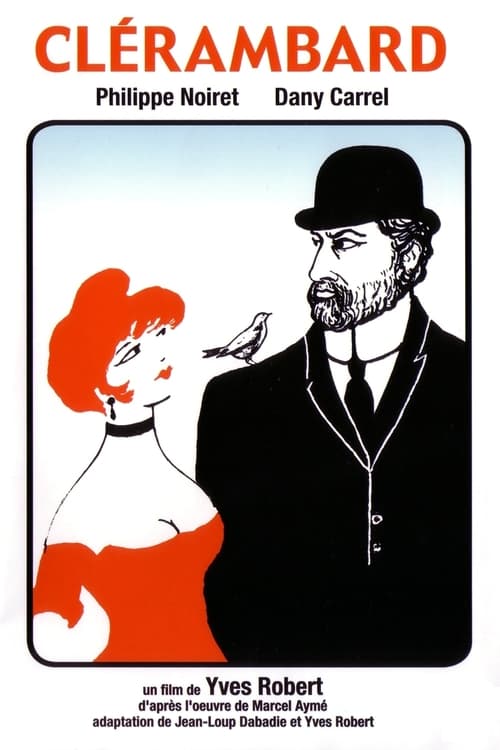
This movie is a Marcel Aymé adaptation and it deals with the not-so-glorious side of the Occupation: black market, war profiteers, cracking open bottles of Champagne while most of the Parisians are almost starving.
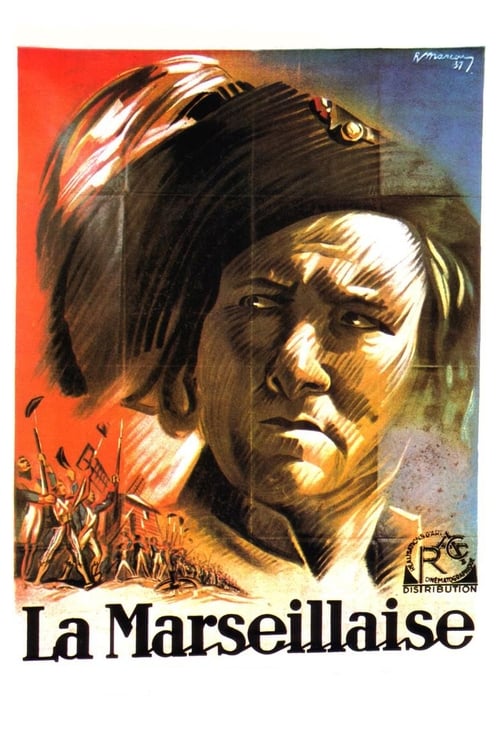
The early days of the French Revolution, as seen through the eyes of the ordinary citizens in Marseille and the royal court, including King Louis XVI and Marie Antoinette.
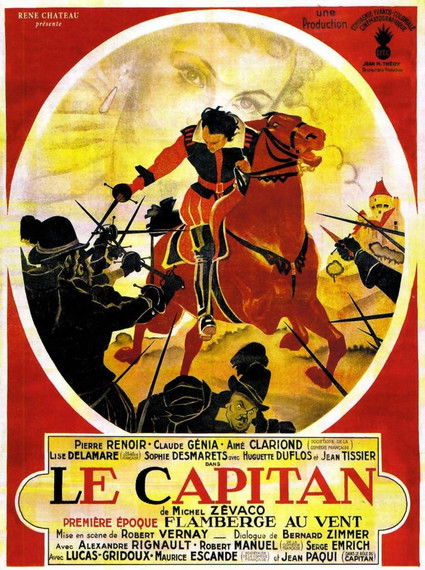
France under Louis XIII. 1615. The Duke of Angoulême is at the head of a group of gentlemen who are conspiring to drive the Florentines out of court, of whom Concini is the all-powerful leader. A cadet from Gascony, Adhémar de Capestang, who was later to become the Capitan, left his native province to come and try his luck in Paris. Along the way, he saves a young girl, Gisèle d'Angoulême, from a masked individual who wanted to kidnap her.
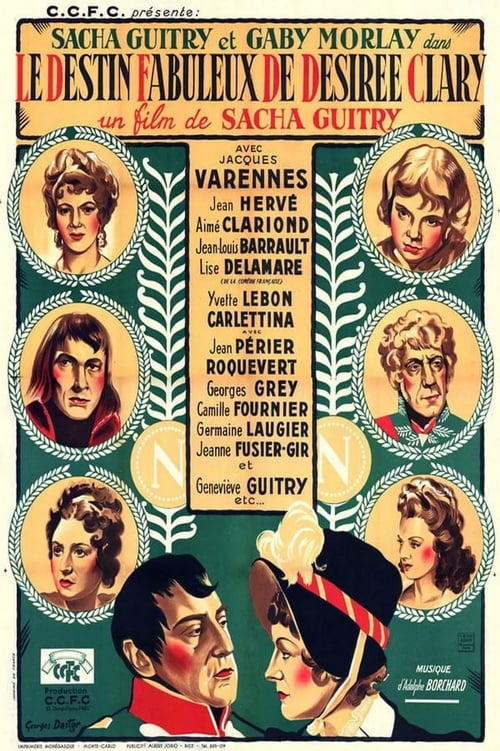
Julie and Désirée Clary are courted by the brothers Joseph and Napoleon Bonaparte. Joseph marries Julie and Napoleon is affianced to Désirée. When Napoleon breaks the engagement and marries Joséphine de Beauharnais, Désirée becomes involved with General Bernadotte.
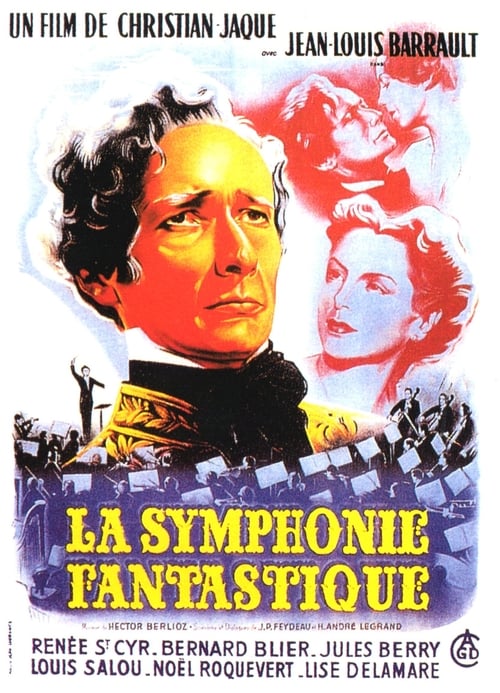
The film is biographical, telling the story of the life and artistic struggles of the French composer Hector Berlioz. Berlioz is shown as a recalcitrant medical student in an anatomy class dreaming of becoming a composer; at a demonstration during a performance at the Paris Opéra conducted by Habeneck; at supper with other young artists (Hugo, Janin, Dumas, Mérimée, Delacroix); and chasing after his future wife Harriet Smithson, after a performance of Hamlet. Also depicted are his life in a garret, while suffering from an illness due to an abscess in the throat; a visit from his mother who curses him; and the composition of the Symphonie fantastique. The film then shows his marital breakdown, the premiere of his opera Benvenuto Cellini, his travels throughout Europe, his second marriage to Marie Recio (called "Marie Martin" in the film), public acceptance in old age and reconciliation with his son.
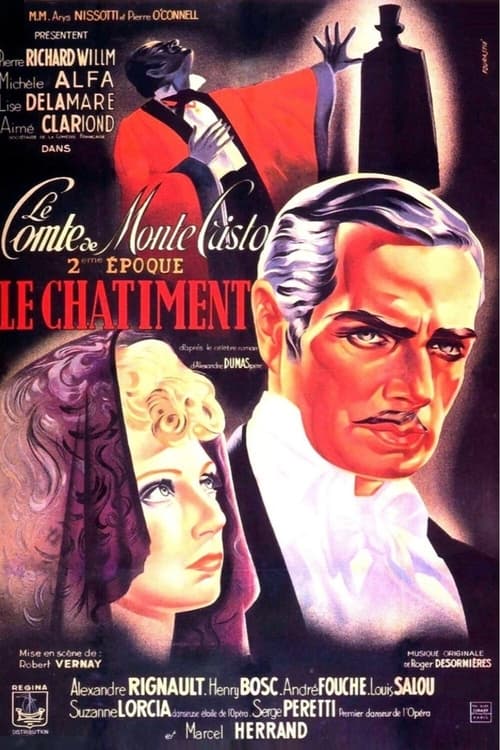
Having found the fabulous treasure of which Abbé Faria had spoken to him, Dantès has only one idea left: revenge. He will succeed patiently, but will not however have the heart to break the poor Mercedes. Then he will leave for the East, accompanied by a lovely Levantine, Haydé, who served him to accomplish his revenge.
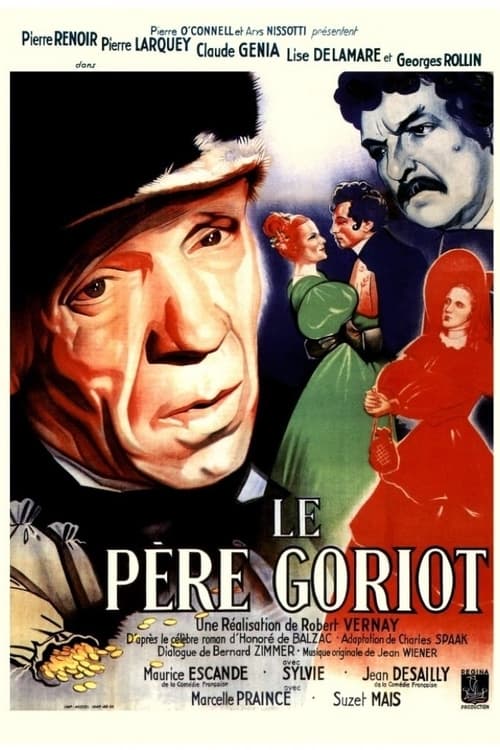
An old merchant ruined by the dot its two ungrateful daughters, moved to the Vauquer pension in Paris. In after Balzac.
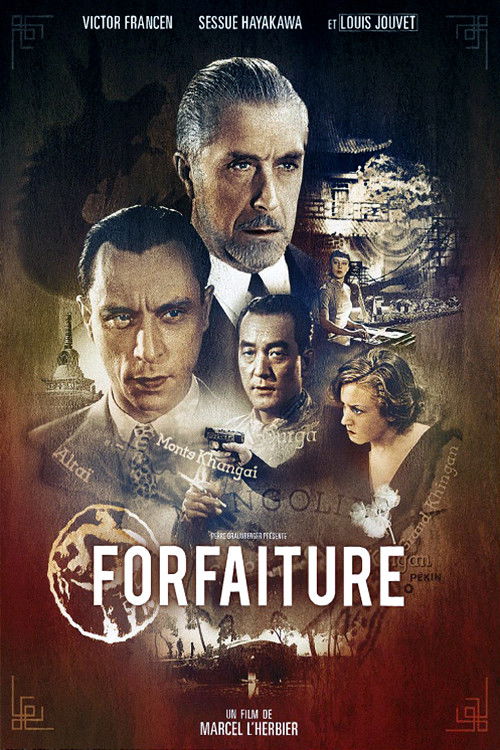
Denise Moret joins her husband, Pierre, in Mongolia where he works as a civil engineer. One night she loose a lot of money on the roulette and therefore is forced to borrow money from Prince Lee-Lang. The Prince immediately begins to flirt and make advances towards Denise. Advances she rejects.
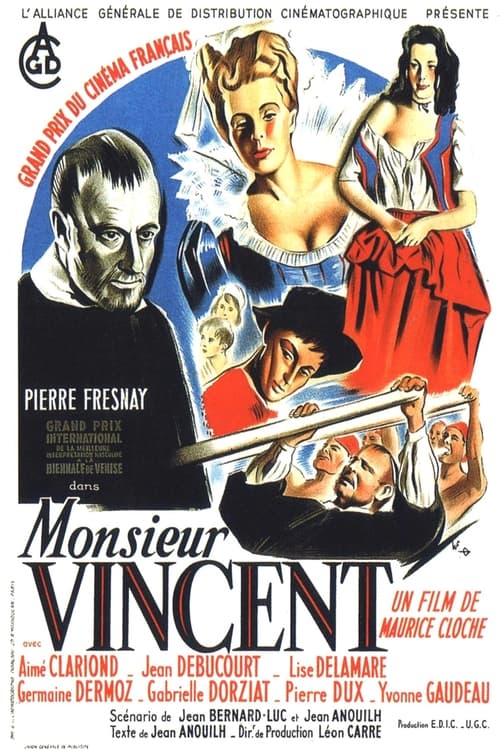
The life of Vincent de Paul, the 17th-century author and priest who founded two religious orders.
No description available.
A white Bull Terrier named Baxter is given to an elderly woman by her daughter. As time passes, the dog develops aggressive and murderous behavior in order to be adopted by another family.
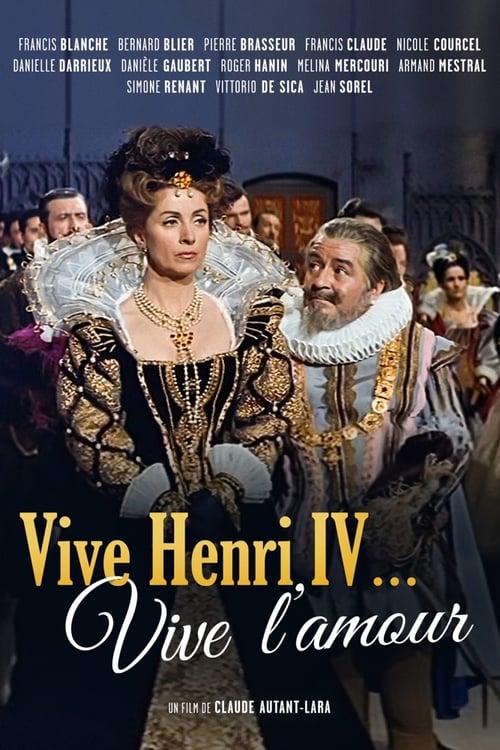
Henri IV falls in love with the young Charlotte de Montmorency, 40 years his junior. The king decided to marry her off to his nephew, Henri de Condé, so that he could later make her his mistress.
In 1662, ten years after the Fronde, King Louis XIV, then aged 24, was still feeling the insult. When the name of Baron de Fargues came to his ears, the king unleashed a blind vengeance against this amnestied former rebel. But Louise de La Vallière, Louis XIV's mistress, could jeopardize the plan.
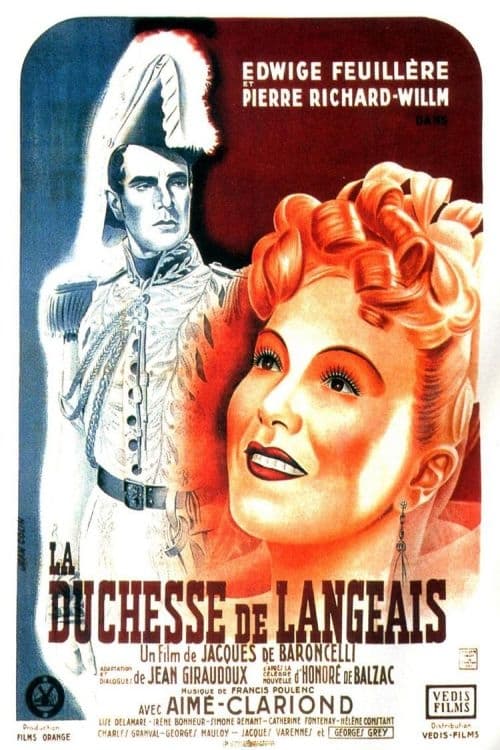
Edwige Feuillère and Pierre Richard-Willm star in director Jacques de Baroncelli's adaptation of the Balzac novella The Duchesse de Langeais, which tells the tale of a Parisian socialite who is romantically pursued by a Napoleonic war hero. With a screenplay by Jean Giraudoux.
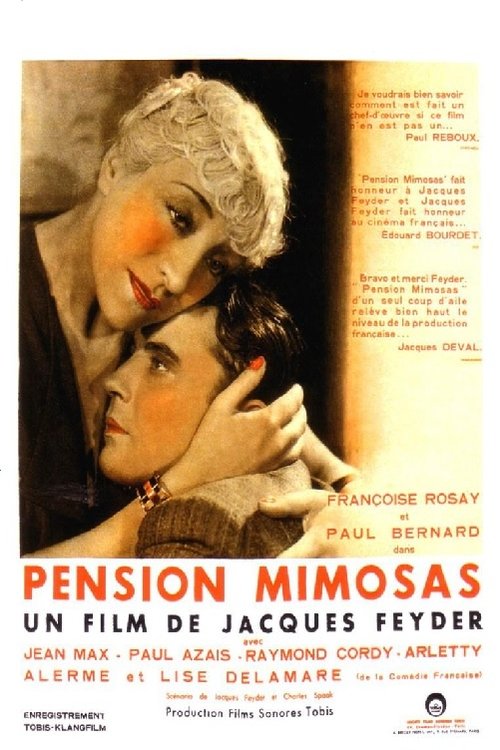
Mr. and Mrs. Noblet run a boarding house on the French Riviera. One day, they are led by circumstances to welcome a little boy Pierre, whose father is in jail, into their home. Which makes Louise Noblet all the happier as she can't have children herself. But, after a while, Pierre's father is released from prison and reclaims his son... Time passes and Pierre, now a young adult, lives in Paris more or less on the wrong side of the law. He has a mistress, Nelly, who does not say no to other men's money... Louise, who still loves Pierre as her own son, wants only one thing - to help him get by.
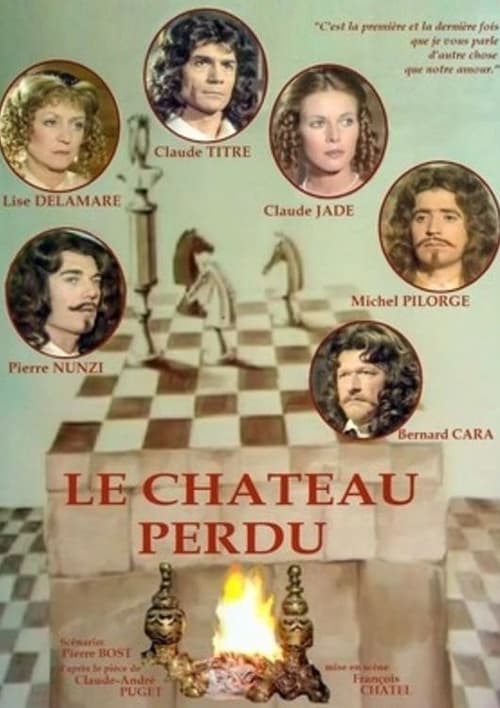
When a cruel man is visited by Saint Francis and convinced to change his ways, his family believes him to be insane and locks him away in order to sell his beloved castle