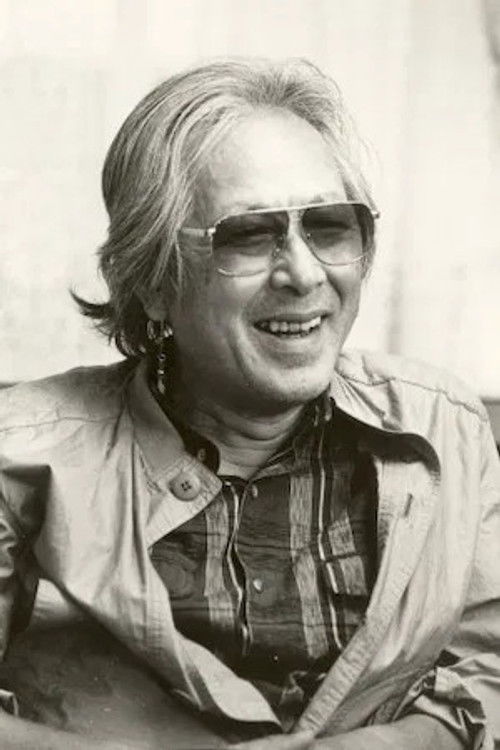
Kinji Fukasaku
Directing
Biography
Kinji Fukasaku (July 3, 1930 – January 12, 2003) was a Japanese film actor, screenwriter, and best known as a celebrated and innovative filmmaker. He was born in Mito, Ibaraki, Japan, and died in Tokyo, from prostate cancer. He is best known in the west for directing the Japanese portion of the Hollywood film Tora! Tora! Tora! (1970) and Battle Royale (2000).
Known For

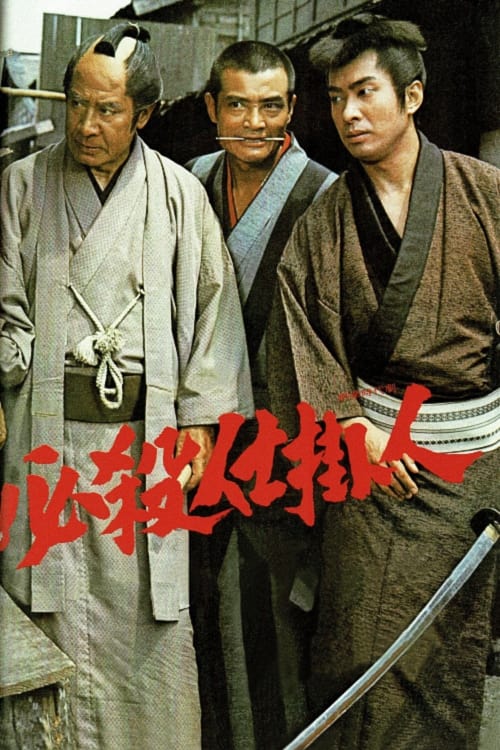
A shikakenin was an under-the-cover trade that undertook killing in Edo. Hanemon of Otowa, an agency that introduced laborers and maids, was also one of these. Katsugoro Iseya was a timber dealer who had come in as a client. His target was the constructions magistrate Hanno, and the Tatsumiya who sipped on the benefits. Hanemon who had a stong code towards killing, where he would only kill those who do no good to be in the world, accepts this request. Baian Fujieda, a needle doctor would carry out the killing. However, the professional killer Baian fails to bring down Tatsumiya. Hanemon then looks to another shikakenin, the ronin Sanai Nishimura for the role. Although Sanai's ability with the sword is good, he lives poorly in a tenement, and accepts this commission on the condition that it is kept a secret from his wife and child. Here, they close in on Hanno and Tatsumiya again...
Professional Killers

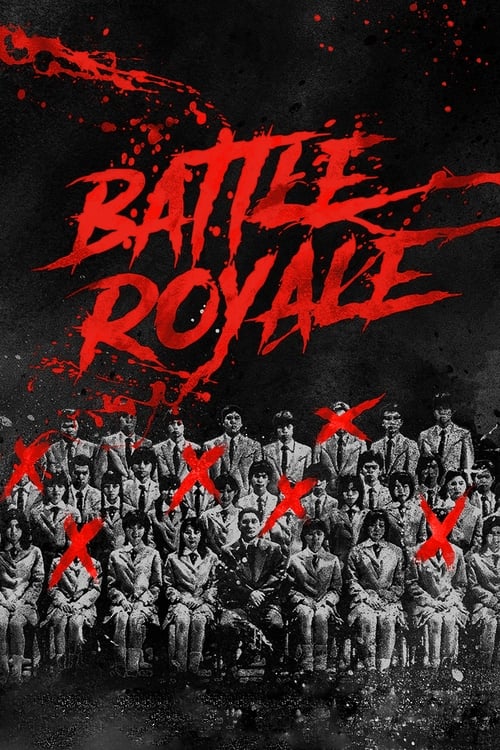
In the future, the Japanese government captures a class of ninth-grade students and forces them to kill each other under the revolutionary "Battle Royale" act.
Battle Royale

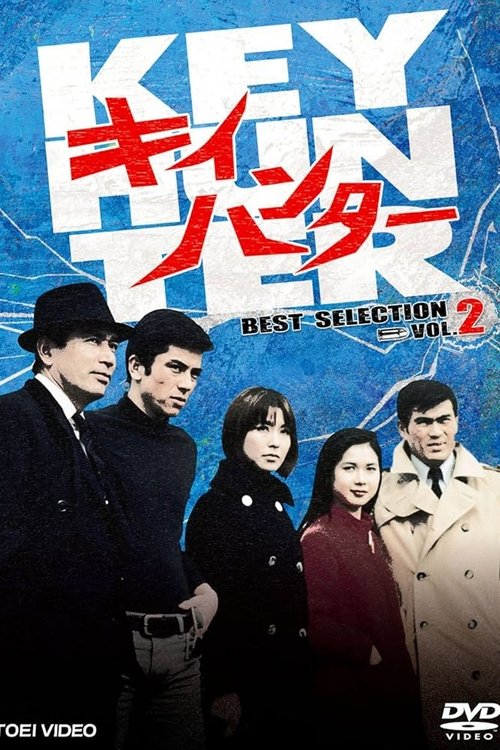
Key Hunter is a prime-time Japanese television detective series. It aired on Saturday nights in the 9:00–9:56 p.m. time slot on the Tokyo Broadcasting System network from April 6, 1968 to April 7, 1973. There were a total of 262 episodes, and it was one of the most popular action dramas in Japan at the time. The story involved "Key Hunter", a special clandestine unit of the International Police, which endeavored to solve various crimes. "Key Hunter" was a unique TV show, which started out as a grand scale spy thriller never before seen in Japan. The episodes were individually themed on global crimes and political strife. The initial hardboiled theme later evolved to include intellectual elements involving action, and occasionally with comical elements as well. Tetsuro Tamba starred in the 1967 film You Only Live Twice as Japanese Secret Service agent Tiger Tanaka, an ally of James Bond. This role greatly influenced his image in "Key Hunter".
Key Hunter

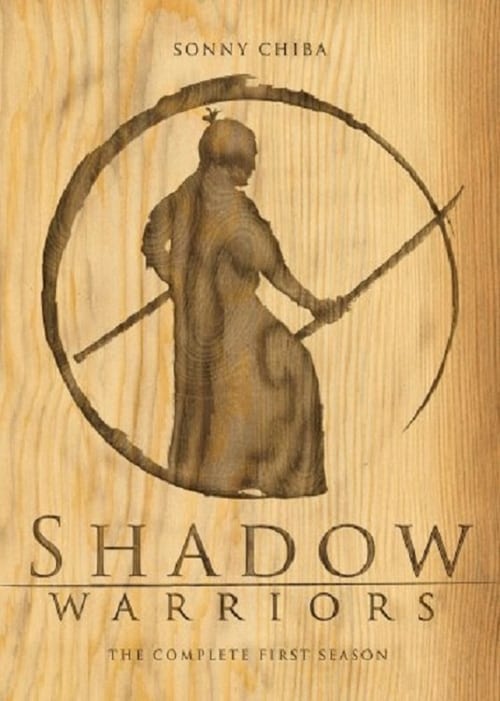
Shadow Warriors is a Japanese television jidaigeki show featuring Sonny Chiba that ran for four seasons in the early 1980s. Chiba played different ninja characters in each series. In the first series he played Hattori Hanzō III, in second one he played Tsuge Shinpachi, in the third one he played Tarao Hanzō, in the fourth series and in Bakumatsu Hen, he played Hattori Hanzō XV. In the 2003 direct-to-DVD series Shin Kage no Gundan he played Hattori Hanzō I.
Shadow Warriors

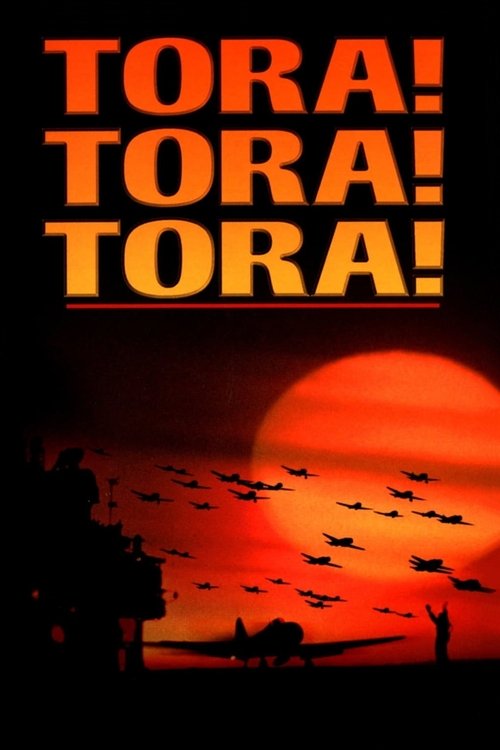
In the summer of 1941, the United States and Japan seem on the brink of war after constant embargos and failed diplomacy come to no end. "Tora! Tora! Tora!", named after the code words used by the lead Japanese pilot to indicate they had surprised the Americans, covers the days leading up to the attack on Pearl Harbor, which plunged America into the Second World War.
Tora! Tora! Tora!

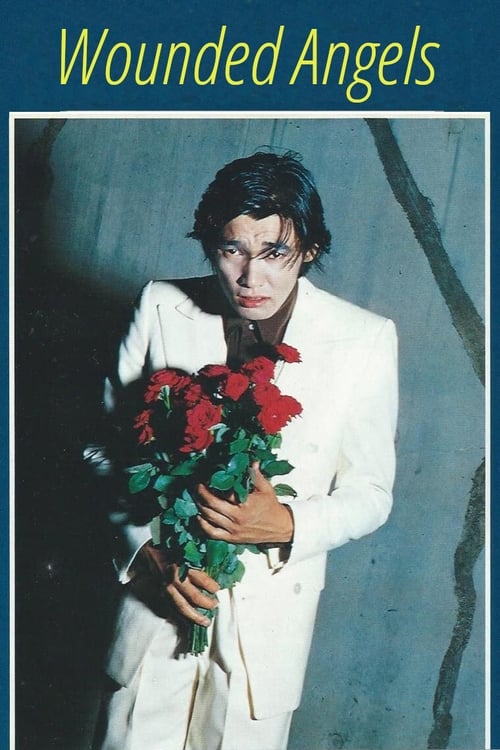
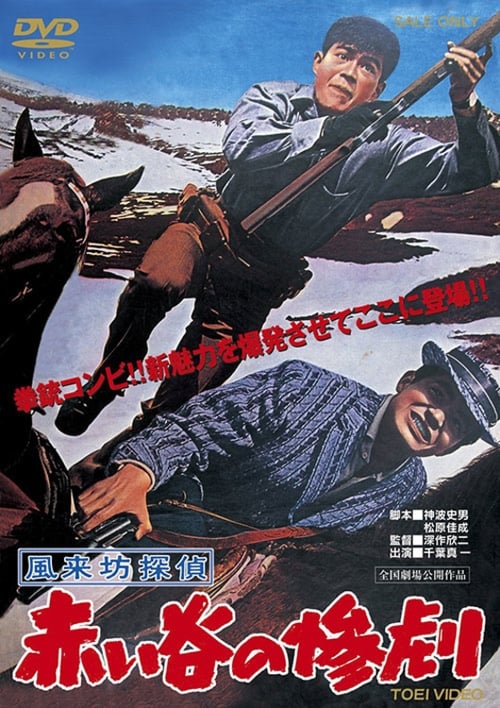
Two lovable idiot "private detectives" (or at least, that's their cover story —more like gangsters) try to make ends meet on the mean streets of Tokyo.
Wounded Angels

Scientists in Antarctica desperately try to find a cure to a military virus that was released in a plane crash and has wiped out the rest of the world.
Virus

Weaving two storylines together: the first is the story of 18th-century shogunate intrigue and loyalty, and the second is a ghost story about a beautiful woman who falls victim to passion and evil.
Crest of Betrayal

A legendary entertainer and a pioneer of gay activism, Miwa was born Akihiro Maruyama. As a young singer, Miwa popularized androgyny as a fashion statement, fusing the masculine and the feminine into a signal of a new generation of aesthetics. This evolved into performing as a woman and living off-stage as a man. With glitter, wit, evening gowns, and enchanting storytelling, Miwa looks back over a 50-year career and a fascinating life in music, film, and television.
Miwa: A Japanese Icon

A poignant love story between a 29-year-old woman, who has once been a prostitute but is now the mistress of a wealthy jewelry merchant, and a 19-year-old college student.
Lovers Lost

In the 50s, the complicated life of a popular writer who must share his life with his family, his numerous mistresses and his work
House on Fire

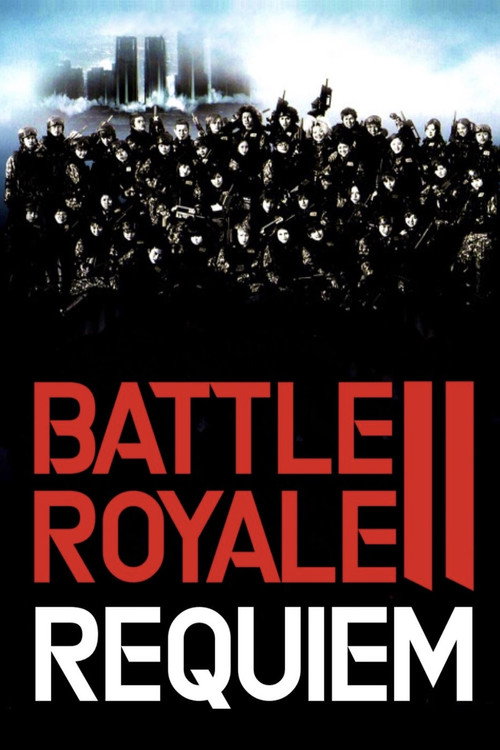
It's three years after the events of the original Battle Royale, and Shuya Nanahara is now an internationally-known terrorist determined to bring down the government. His terrorist group, Wild Seven, stages an attack that levels several buildings in Tokyo on Christmas Day, killing 8000 people. In order for the government to study the benefits of "teamwork", the new students work in pairs, with their collars electronically linked so that if one of them is killed, the other dies as well. They must kill Nanahara in three days - or die.
Battle Royale II: Requiem

During the Tenpo period, the three samurai under the command of the Nanba magistrate were responsible for handling exceptional cases. However, their true identities as shadow assassins were hidden because they were secretly sent to eliminate villains who had escaped punishment by the law.
Unified Shadows

After surviving the slaughter of many Christians 350 years ago, a samurai denounces God for ignoring the pleas of believers. He sells his soul to Satan and receives the power to resurrect the dead to join him in a murderous rampage.
Samurai Reincarnation

Following the death of the second Tokugawa shogun, it is revealed that he was poisoned by retainers of his son Iemitsu in hopes of gaining him the shogunate despite the stammer and birthmark which undermine his respect. Iemitsu and his brother Tadanaga become bitter rivals for the shogunate, and the land is split into factions, eventually erupting into warfare. Iemitsu's mentor, his fencing instructor Yagyu, is fixated upon securing Iemitsu the shogunate and ends up betraying everyone, even his own family, in pursuit of the goal.
Shogun's Samurai

The evil Hikita clan rises from the dead to fulfill a curse on the Satomi clan by restoring the face of their warlord by using the skin of Princess Shizu. In the process of trying to capture her, the clan murders her entire family, but Princess Shizu escapes their clutches. She enlists the aid of eight samurai warriors, possessors of powerful magic crystal, led by Dosetsu (Sonny Chiba!) to help rescue the remaining members of her court and revenge her family. Along the way, they must fight undead warriors, evil spirits, poisonous beauties and a giant centipede.
Legend of the Eight Samurai

The history of the Yakuza Eiga at the TOEI studio is roughly outlined. Real Yakuza and also their connections to the movie business are discussed, and many important actors and directors of the genres are interviewed. Former real yakuza boss turned actor Noboru Ando, Takashi Miike, Sonny Chiba and many more get a chance to speak.
Yakuza Eiga, une histoire du cinéma yakuza

When an American is murdered in a Japanese inn, Tokyo police detective Munesue follows the trail of the killer to New York. There he is joined by a New York City detective named Shuftan and together they sort out the crime.
Proof of the Man

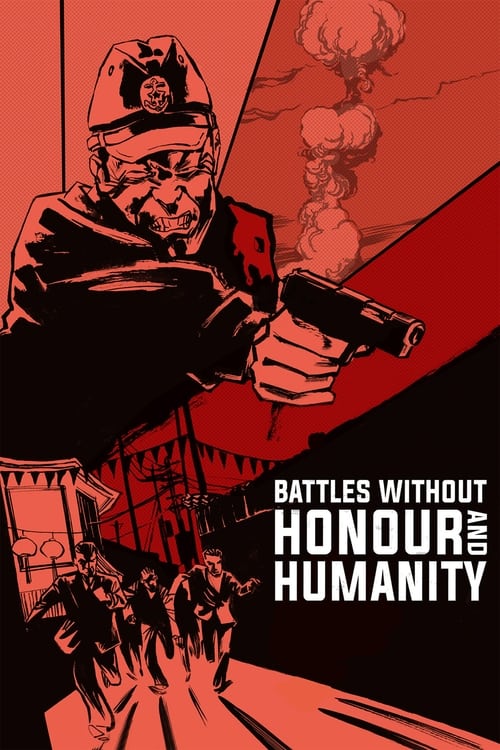
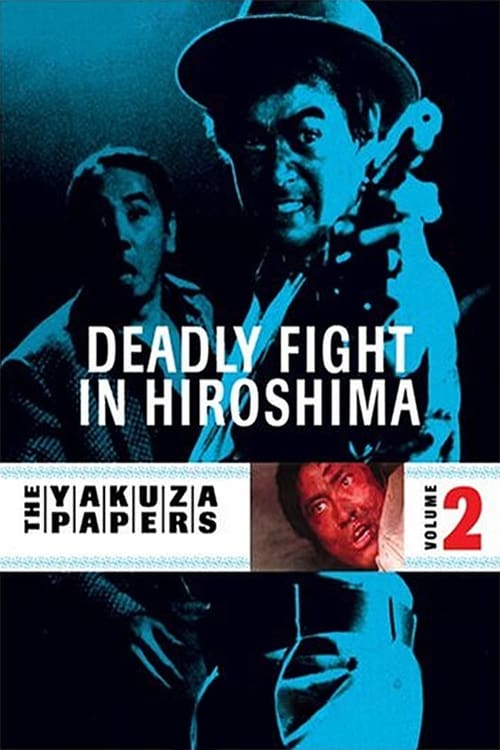
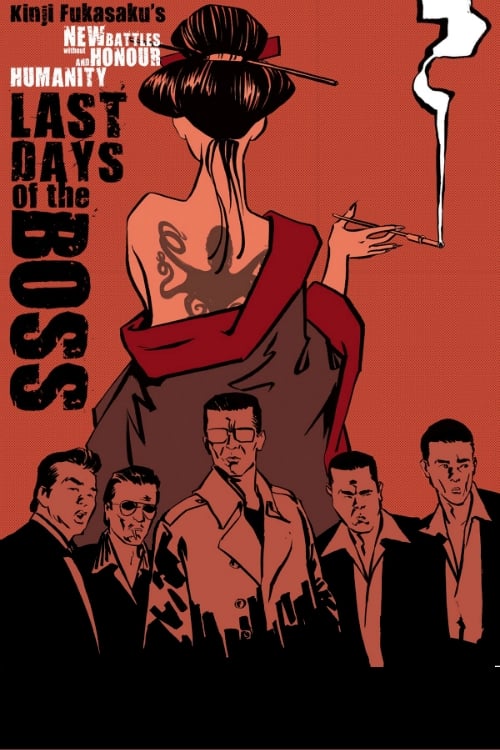
In the teeming black markets of postwar Japan, Shozo Hirono and his buddies find themselves in a new war between factious and ambitious yakuza.
Battles Without Honor and Humanity

Repeatedly beat to a pulp by gamblers, cops, and gangsters, lone wolf Shoji Yamanaka finally finds a home as a Muraoka family hitman and falls in love with boss Muraoka's niece. Meanwhile, the ambitions of mad dog Katsutoshi Otomo draws our series' hero, Shozo Hirono, and the other yakuza into a new round of bloodshed.