Directing
David Korn-Brzoza is a French documentary filmmaker.
French current affair show
La Case du Siècle is a French television program launched in 2010 and broadcast on France 5. Hosted by Fabrice d'Almeida, it airs documentaries every Sunday that aim to shed light on the history of the 20th century, both in France and around the world. Through these documentaries, viewers can deepen their knowledge of a specific subject or simply discover a particular era. *La Case du siècle* offers an in-depth look at the events that changed the course of history.
No description available.
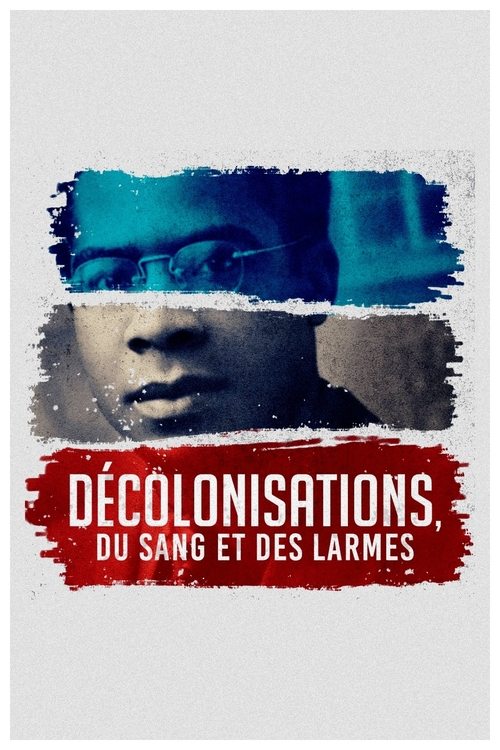
After World War II, the French colonial empire, which dominated the lives of over 110 million people on five continents, collapsed in just under a quarter century of blood and tears.
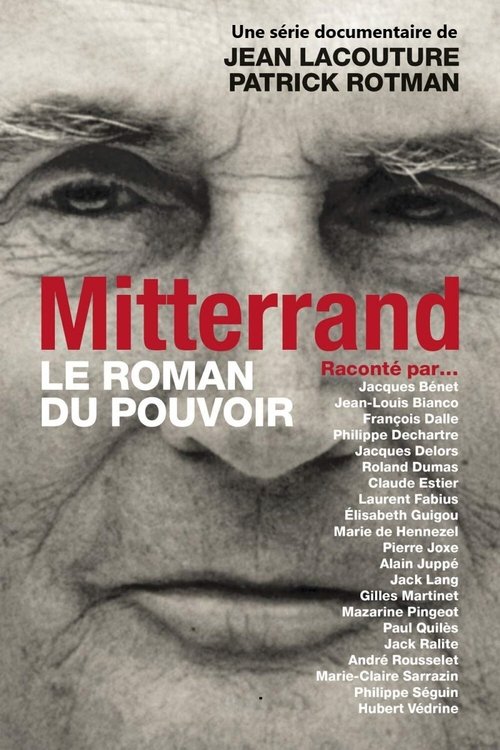
Jean Lacouture and Patrick Rotman interview the witnesses of François Mitterrand's life. Their testimonies, which both complement and contradict each other, write the story of a life: the youth, the Vichy regime and the Resistance during the Second World War, the Fifth Republic and the Algerian war, the conquest of the Elysée, the backstage of power and the secrets of a president.
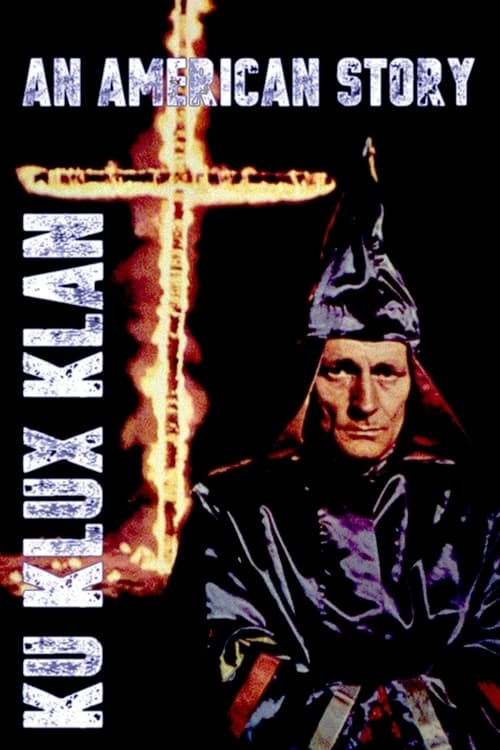
Since its birth in 1865, in the wake of the American Civil War, the history of the Ku Klux Klan has been inseparable from that of the United States. The debates over slavery, the populism in the roaring twenties, the struggle for civil rights in the sixties, the rise of the far-right in the early 21st century; the Klan seems to have always embodied the dark side of the nation, with its gray areas and blind spots.
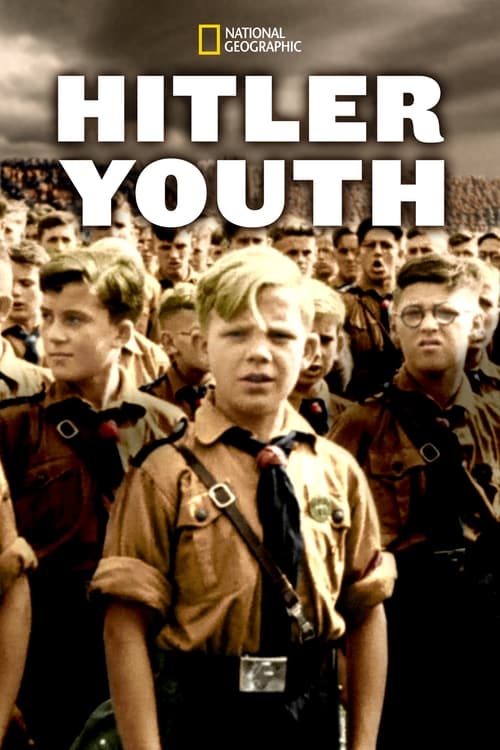
In 1930s Germany, the Nazi Party created the Hitler Youth to indoctrinate children and adolescents with Nazi ideology and prepare them to become a child army for Hitler. The first programme traces the rise of the movement through to the war. The second programme starts at the height of WW2 and traces the story of the Hitler Youth as they face defeat.
In 1935, German scientists dug for bones; in 1943, they murdered to get them. How the German scientific community supported Nazism, distorted history to legitimize a hideous system and was an accomplice to its unspeakable crimes. The story of the Ahnenerbe, a sinister organization created to rewrite the obscure origins of a nation.
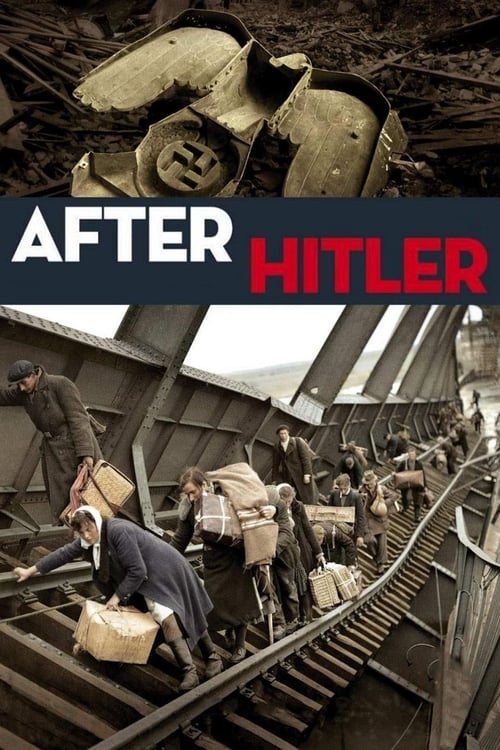
What happened in France just after WWII, between 1945 and 1949? An interesting historic documentary looks at the fate of male and female (presumed) collaborators with the Nazis, the use of the POW in the reconstruction of the plundered and devastated country.
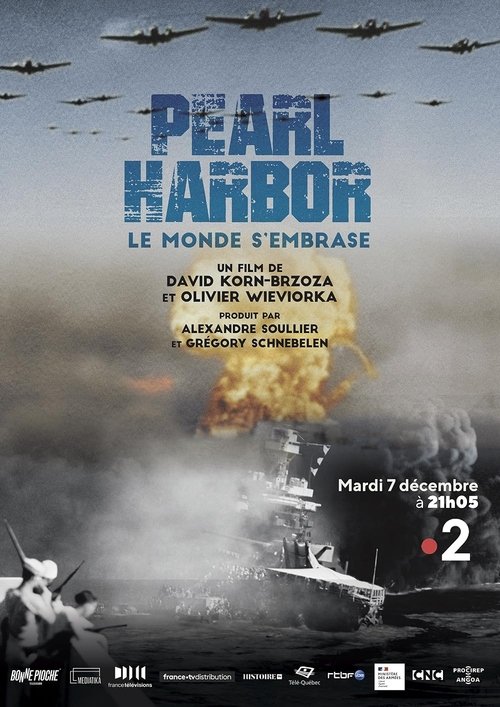
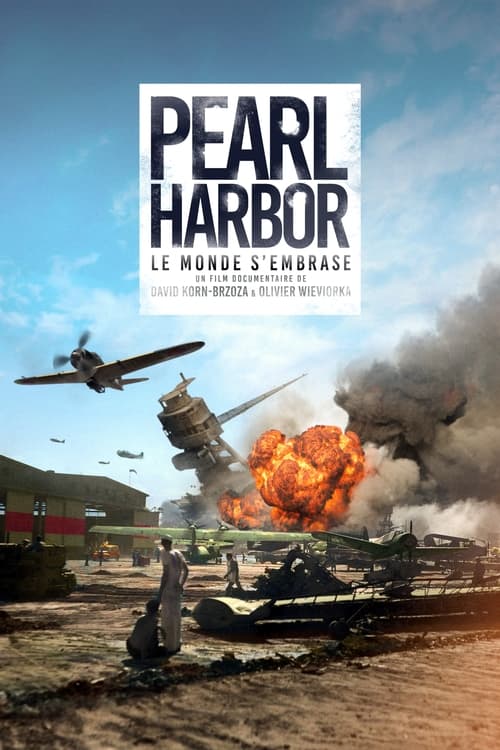
Hawaii, Pacific Ocean. A postcard decor. Clean. Azure. Yet in this heavenly place, one of the most memorable battles of WWII took place 80 years ago.
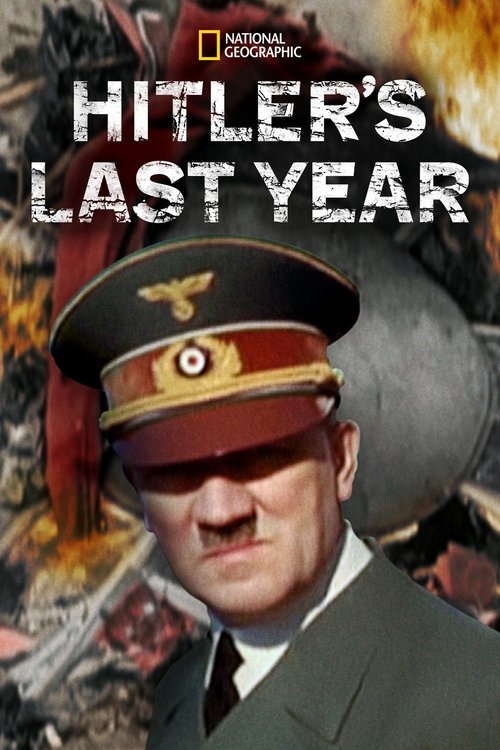
The story of the last year of the war in Europe, from the D-Day landings in Normandy in June 1944 to the dual German surrender, first in Reims then Berlin, in May 1945. Eleven months of unprecedented combat.This was the deadliest year of WW2.
There were 23 young women, aged 18 to 20, doing their mandatory military service in a very special unit responsible for video surveillance of the Gaza Strip. In Israel, these young women are nicknamed the eyes of the state. Before October 7, they saw everything, understood everything. They sounded the alarm, but no one listened. They were both the Cassandras of the Hamas assault and its first victims. Today, the surviving watchwomen from the Gaza border and the parents of those who were killed have given themselves a mission. Together, they are demanding justice and truth and shedding light on the flaws in a security system that Israeli society believed to be guaranteed.
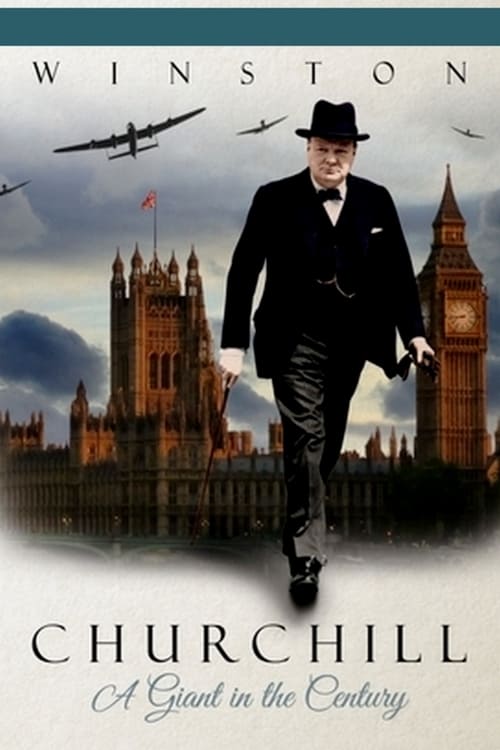
A new look at the public and private life of one of the most important statesmen in the history of Europe: Winston Churchill (1874-1965), soldier, politician, writer, painter, leader of his country in the darkest hours, winner of the Nobel Prize in Literature, a myth, a giant of the 20th century.
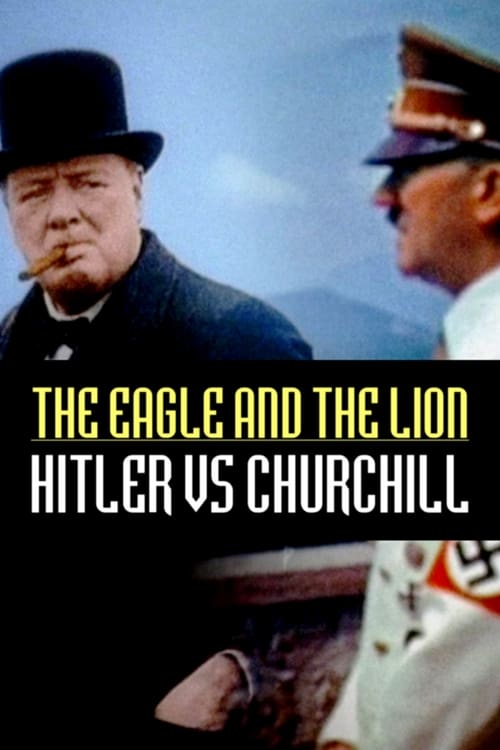
Winston Churchill, one of the most revered men of the twentieth century. Adolf Hitler, one of the most hated leaders in contemporary history. Between 1940 and 1945, these two enormously contradictory personalities faced each other in both politics and war. A clash of giants whose story begins in the trenches of the World War I and ends with the debacle of the World War II.
François Mitterrand has dominated French history over the last 30 years. Through the longevity of his political career, which spanned two republics; through his rise to the highest office, which he held for 14 years; and through his leadership of the Left, François Mitterrand’s political destiny has been exceptional. Successively leader of a Resistance party a year after leaving Vichy, a minister at the age of 29, leader of the anti-Gaullist movement, the man who reinvented the Socialist Party, President of the Republic and architect of the Maastricht Treaty establishing the European Union, he appears to be a character straight out of a novel, whose life is divided into distinct chapters.
Hawaii, Pacific Ocean. In this heavenly place, one of the most memorable battles of the Second World War took place 80 years ago. On December 7, 1941, at 7:53 am, a Japanese air squadron struck the American fleet which anchored in the waters of Pearl Harbor. The United States were struck at the heart of their defensive system and entered the conflict the very next day. How Pearl Harbor changed the face of World War II and therefore the face of the world? What are the diplomatic undersides of Pearl Harbor? Was the attack really a surprise attack? Is it really a Japanese victory?