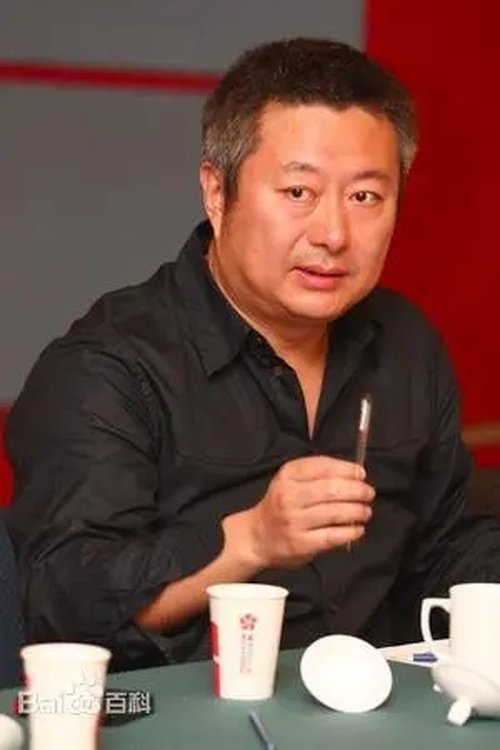
Shi Jian
Directing
Known For
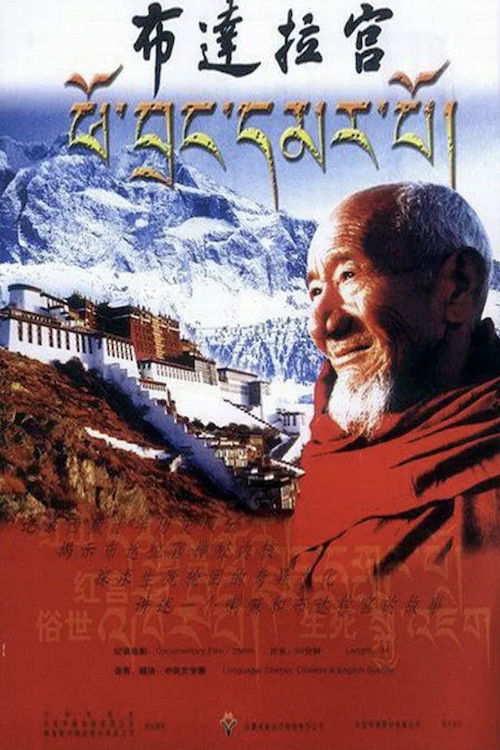
After five years of work, Chen Zhen of CCTV has made the first feature length documentary about the Potala Palace, a film that reveals the long history and the splendid culture of the Tibetan heritage. Chen provides us with a rare chance to get to know more about Tibet and to reflect upon the important issues -- more specifically, the director offers us a chance to really think about how to appreciate our historical and cultural achievements and the relationship between the past, today's present reality, and future developments in society. The film is told through the eyes of someone who entered the Potala at the age of 13 and has lived there for 60 years, experiencing personally the rise and fall of its fortunes during this long period.
The Potala Palace

Short documentary for Oriental Time and Space.
Mei Lanfang 1930
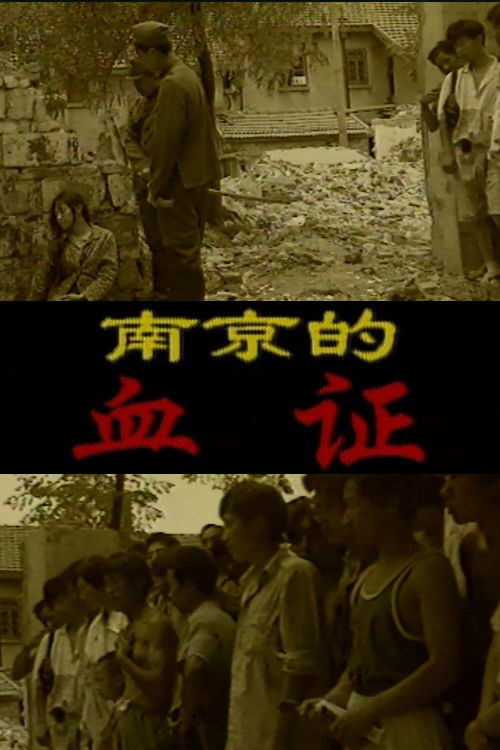
Reenactment documentary made for Oriental Time and Space (东方时空). The story concerns the discovery of a photo album containing 16 photographs which documenti the atrocities committed by the Japanese army during its 1937 occupation of Nanjing. This photo album later became a significant piece of evidence used during the trial of Hisao Tani, one of the primary perpetrators of the Nanjing Massacre.
Blood Evidence: Nanjing
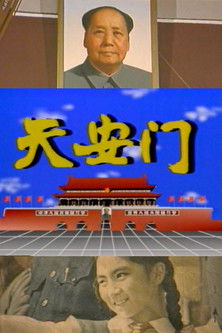
A version of Tiananmen that aired as a 'commemorative topic film' on CCTV-1, most likely in or around National Day, 1989.
Tiananmen
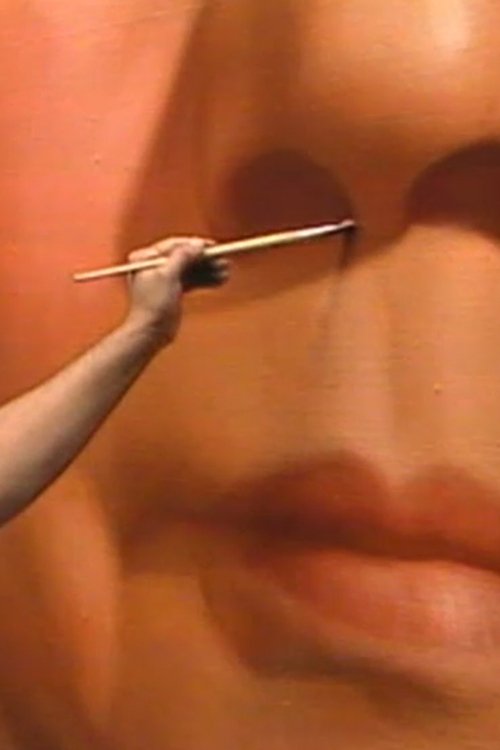
A CCTV-commissioned, 8-part series shot between 1988 and 1990, but barred from being released after the events of June 4th. A production of the Structure, Wave, Youth, Cinema (SWYC) Experimental Group, an informal collective of young filmmakers founded in the summer of 1989 and devoted to the production of documentaries, that includes: this series' two directors, Shi Jian and Chen Jue, as well as Beijing TV's Wang Zijun, and this series' screenwriter, Kuang Yang (under the name Guang Yi). Tiananmen documents various aspects of life surrounding the Square: survivors of the imperial era, street performers, fledgling entrepreneurs, fashion school students, foreigners marrying Chinese nationals, and so forth. Each episode starts with a close-up of a giant portrait of Mao hung over the Square, and proceeds as a hybrid of archival footage, direct cinema, and cinema verité, weaving a permanent dialectic between the present and the past, daily life and history.
Tiananmen
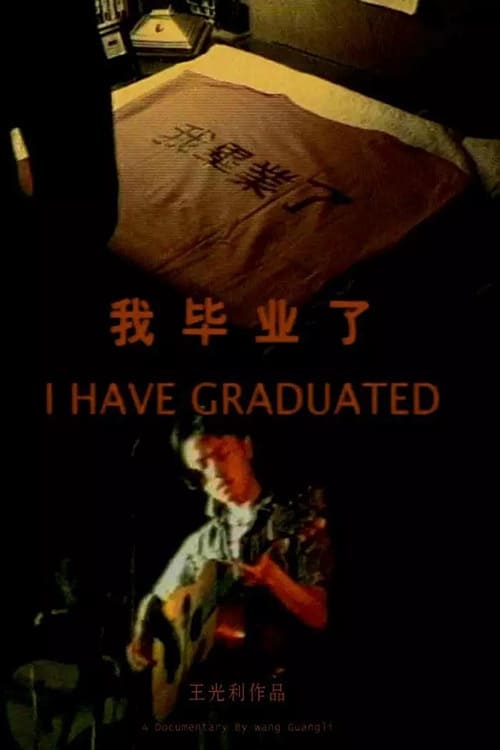
A group of chinese students talk to the camera about love, sex, career prospects, decisions to stay or leave the country, and the impact events in Tiananmen had had on their lives.
I Have Graduated
A 6-part CCTV documentary.
Zhou Enlai
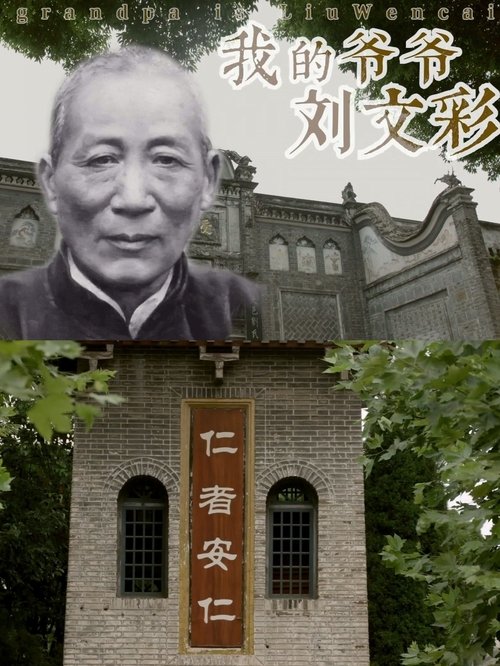
In the first 30 years of the PRC, in order to maintain and consolidate CCP’s rule, political campaigns were frequently launched. Landowner Liu Wencai’s home in Sichuan province became the "Landlord Manor Exhibition Hall," serving to educate people about the class struggle. Tens of thousands visited daily. The cluster of sculptures entitled "Rent Collection Courtyard" was the subject of a documentary film and the prototype for copies of statues exhibited across the country. The overwhelming media publicity turned Liu Wencai into the representative of the "heinous crimes" of the landlord class and he became a household name, influencing several generations. Liu Xiaofei, grandson of Liu Wencai, has suffered from injustice since his childhood and began his interviews and investigations into this catastrophe for his family twenty years ago, in order to “clear” the charges against his grandfather and restore the historical truth.
My Grandfather Liu Wencai
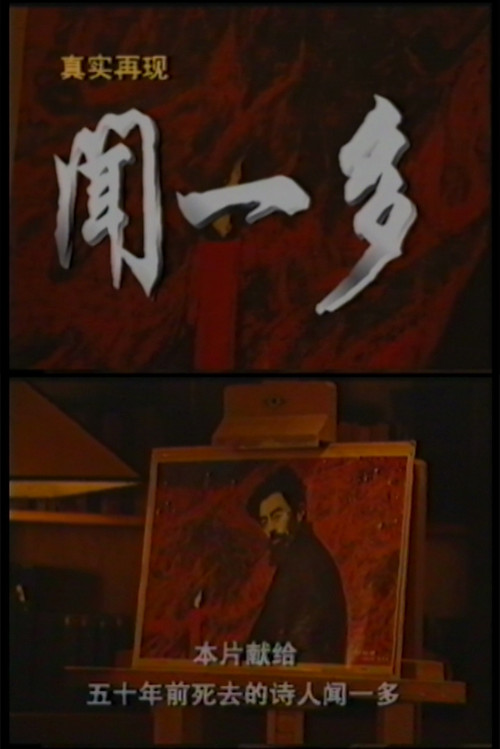
Documentary on the life of Chinese poet and scholar Wen Yiduo with reenactment sequences on his last few days. Shot but not fully finished or aired in 1996, a different 33-minute re-edit version was aired later in 2001.
Wen Yiduo
Short documentary film made for CCTV's "Portraits of People" program about the life and work of landscape architect Zhang Yuanchu.
My Father as I See Him
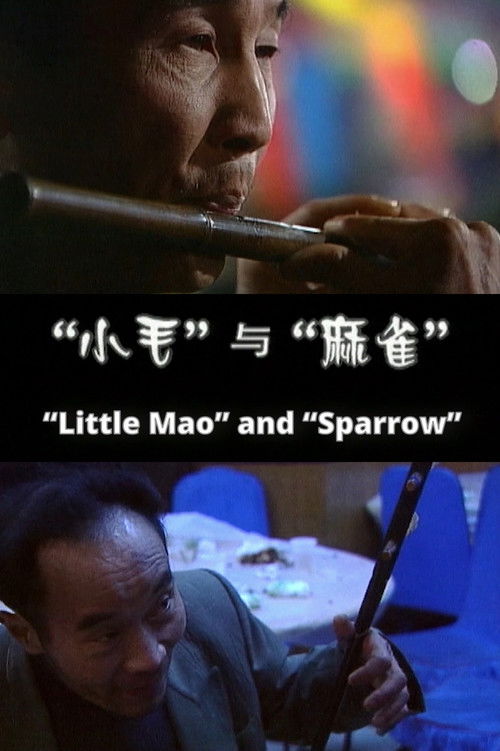
Documentary about street performers in Wuhan. It received a nomination for the TV Documentary Works Award at the 18th China TV Golden Eagle Awards, and subsequently received several honors, including Second Prize (Feature-Length Documentary) at the 6th China Television Documentary Academic Awards and Second Prize in the 1999 Hubei Radio & Television News Awards (Social Education category).
Little Mao and Sparrow
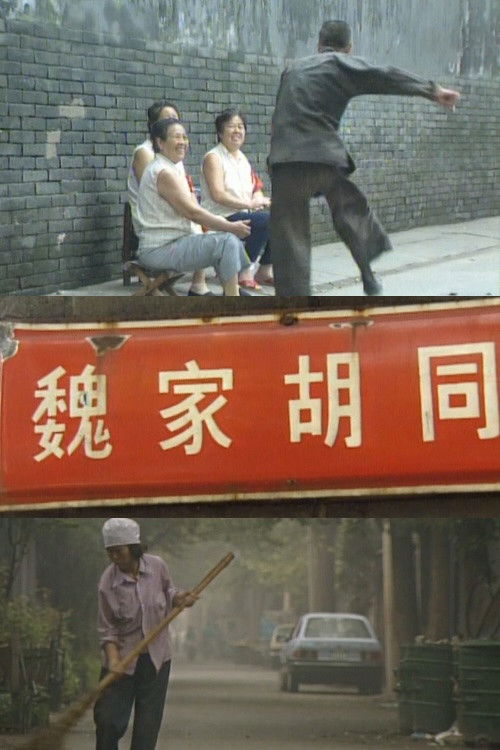
Short documentary film directed by Shi Jian. Aired as part of Oriental Time and Space.
Weijia Hutong

TV documentary by Shi Jian.
Back to Yan'an
TV documentary special directed by Shi Jian for the 40th anniversary of China Central Television.
Forty Years of Spring Breeze and Summer Rain 1958-1998
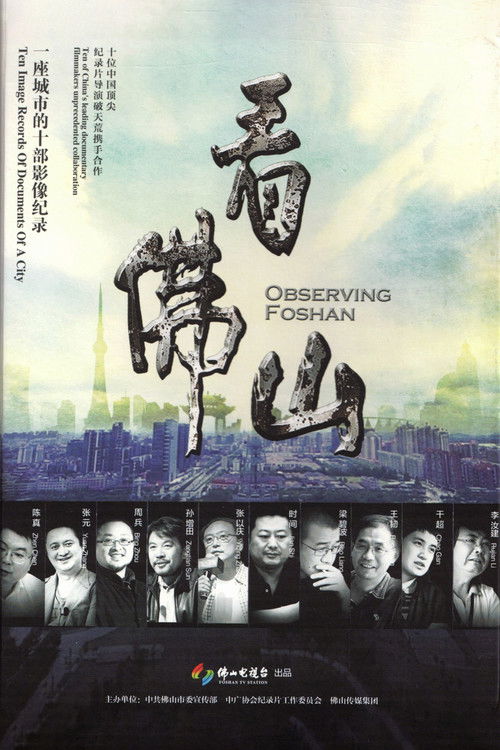
Anthology propaganda documentary film commissioned by the government of Foshan city. Ten documentary short on this city by ten different directors.
Observing Foshan
Short documentary for Oriental Time and Space, about the massacre done by Japanese army in Yechang Village on May 7th, 1954.