Production
No description available.
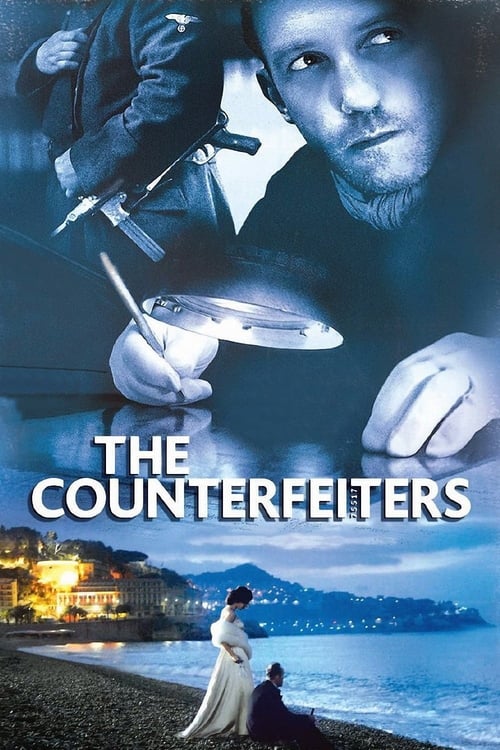
The story of Jewish counterfeiter Salomon Sorowitsch, who was coerced into assisting the Nazi operation of the Sachsenhausen concentration camp during World War II.
Franz West (1909-85) remembers his youth in Vienna: the variety of the Jewish population of the so called Matzah-Island, his commitment to the worker’s movement of the Red Vienna and the rise of Austro-fascism and National Socialism. West’s masterly narration combined with impressing archive footage illustrate and elucidate the complex Austrian history between WW1 and WW2.
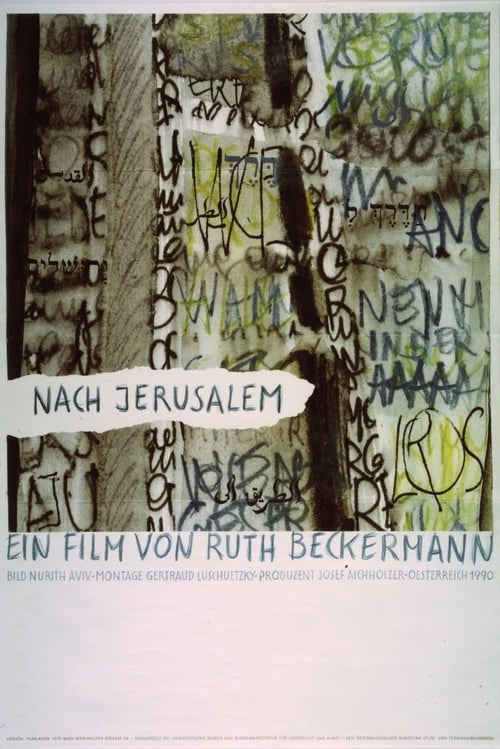
In this documentary road movie, Austrian filmmaker Ruth Beckermann records the diverse views and activities of Israelis and Arabs as she travels along the route from Tel Aviv to Jerusalem.
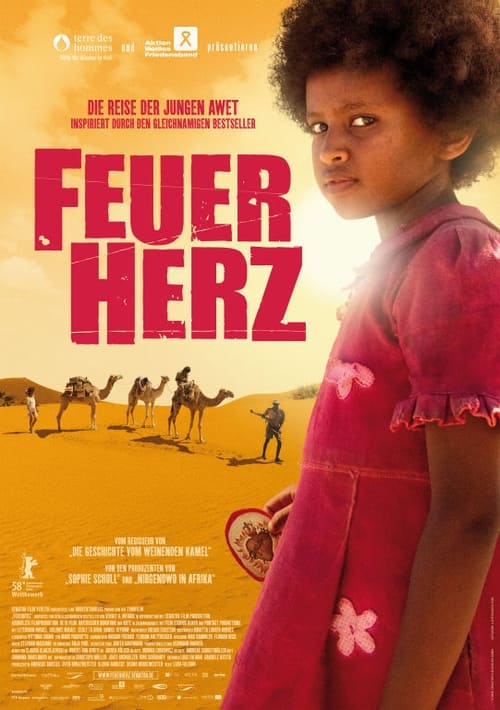
The true story of a young female soldier who comes of age during the Eritrean civil war.
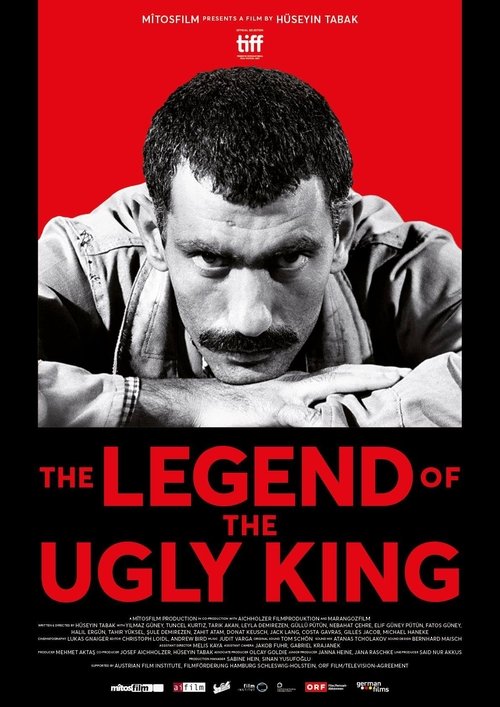
Director Hüseyin Tabak explores the legacy of Yilmaz Güney — political dissident, convicted murderer, and visionary Kurdish filmmaker — who directed the 1982 Palme d'Or–winning Yol from inside prison and died in exile just two years later.
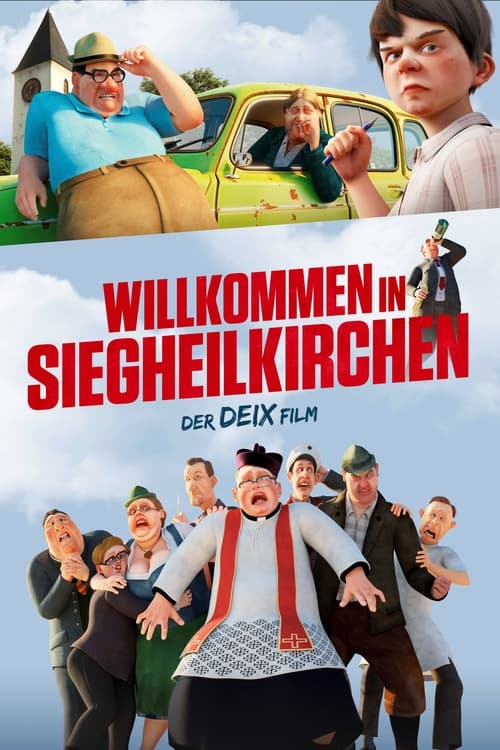
1960's Siegheilkirchen, a small town in the Austrian hinterland is steeped in reactionary and ultra-Catholic attitudes. The son of a hard-working innkeeper and his wife, called Snotty Boy by all and sundry, is at odds with the narrow-minded confines of his home town. But his unstoppable talent for drawing gives him an outlet for his discontent.
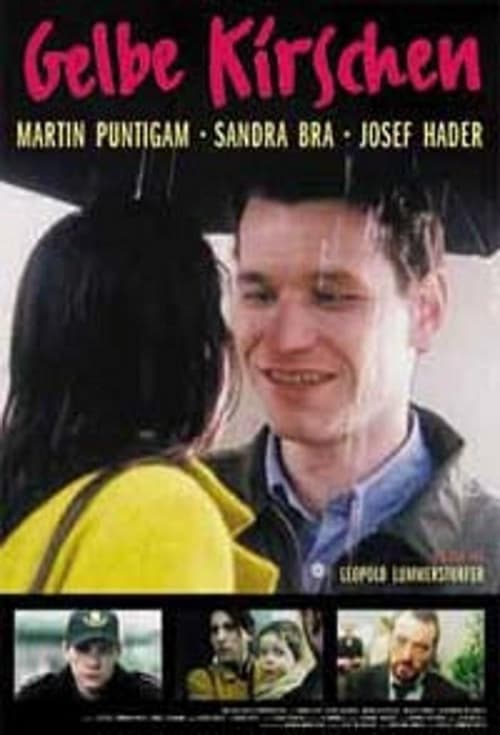
Honest cop Rudi is a new member of a police unit commanded by his brother-in-law Otto which deals with foreigners. Rudi falls in love with Alena, a young Czech living illegally in Austria
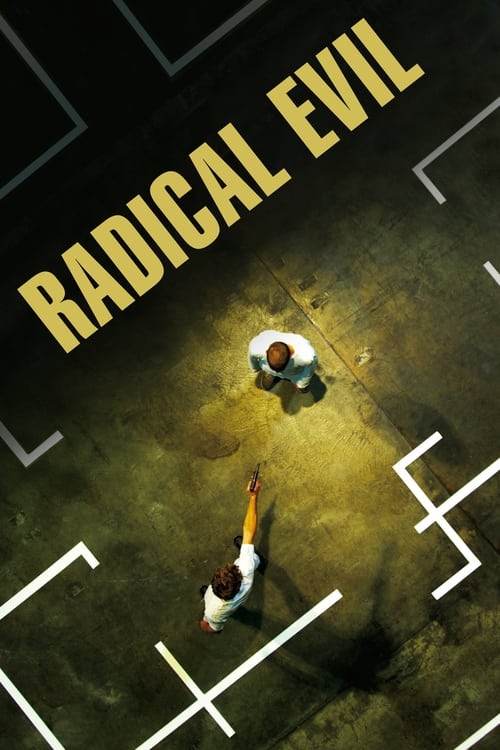
Das radikal Böse is a German-Austrian documentary that attempted to explore psychological processes and individual decision latitude "normal young men" in the German Einsatzgruppen of the Security Police and SD, which in 1941 during the Second World War as part of the Holocaust two million Jewish civilians shot dead in Eastern Europe.
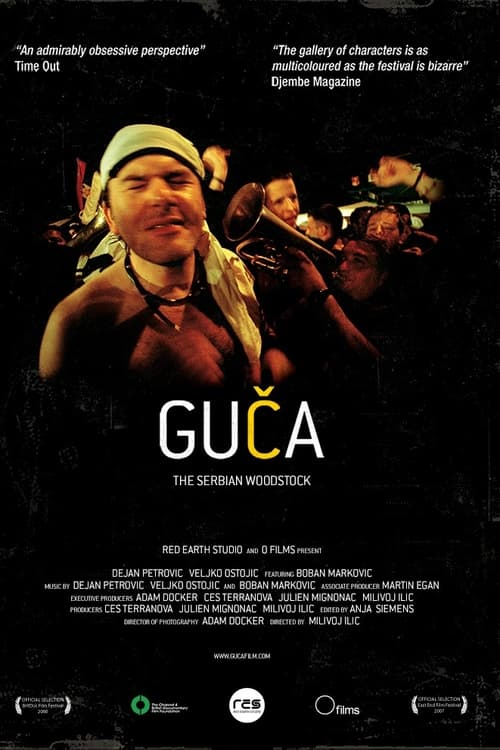
Juliet, a white girl, falls in love with a dark-skinned romeo, a divine trumpet player from the Roma orchestra. But her father Satchmo doesn't accept Romeo. Romeo needs to fight for Juliet at the legendary Festival of the trumpeters in Gucha.
Ozren is raised in Vienna by his mother Silvija, who works as a prostitute, and his aunt and uncle. The film shows the demimonde of Vienna in the early 1990ies and deals with Ozren's finding out that his mother is not a waitress (as he was initially told) and with the way he copes with it.
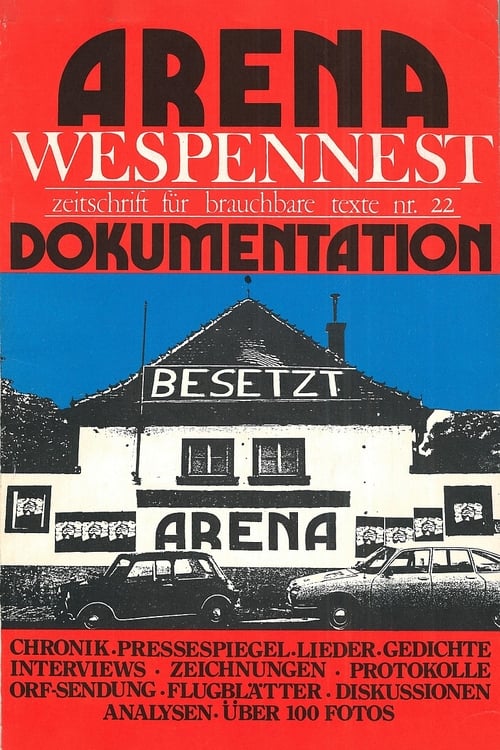
Based on material that emerged during the occupation of the arena in the summer of 1976, the film shows the organization of collective work, the negotiations with the city and community and finally the demolition of the buildings.
Psychiatric patients refer to themselves as survivors, victims, former inmates, consumers, or users. "Nerve" potraits four persons from Vienna and New York expressing different positions and experiences of former psychiatric patients.
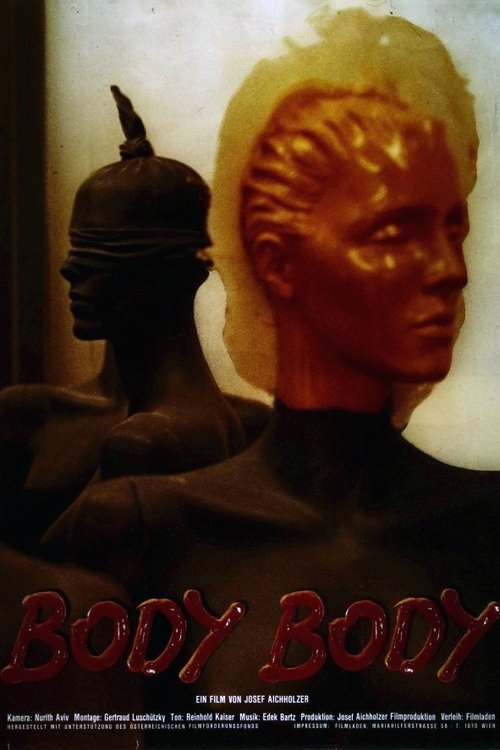
In his film, Josef Aichholzer observes the search for the perfect body, the golden calf of the leisure society: Meditation, sport, medicine or gene technology may be used but the goal remains the same: the individual gets a sense of life, efficiency and recognition from the fitness studio and the operating table. Experiments on genetic methods of selection are carried out under the microscope. The struggle against wrinkled skin, thin legs and flabby bellies is becoming more intensive and successful. The more time a person devotes to his body, the more possibilities he has to perfect it. The human hand seems to have a tight grip on evolution.
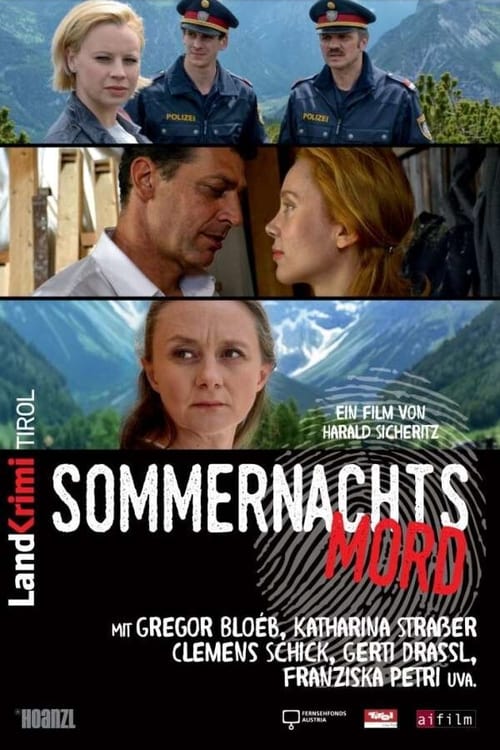
The dead body of a tourist is found in the mountains of Tyrol. The murder investigation focuses on the residents of a seemingly quiet village.
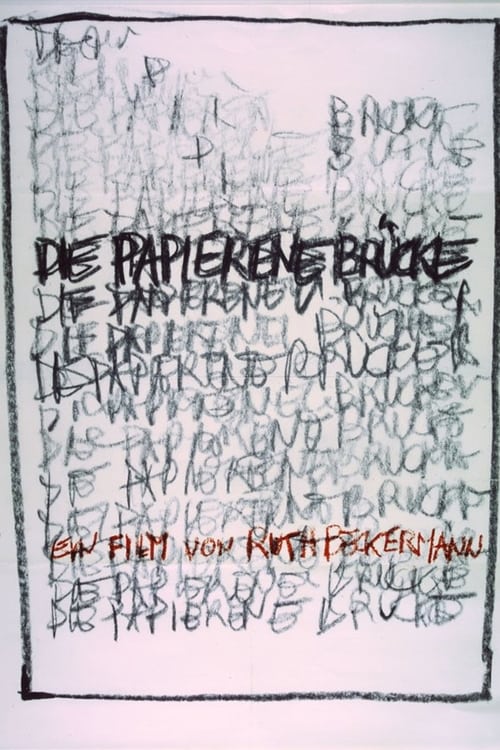
Beckermann's parents met in Vienna after the Holocaust. Tracing the migratory paths of her family before World War II, Beckerman returns to the European Jewish communities which inspired her childhood stories.
White-tiled rooms, neon lighting; on the walls black and white photographs documenting the atrocities committed by the german Wehrmacht on the Eastern Front in WW2. Against this background former soldiers talk about their experiences beyond the bounds of "normal" warfare. An uncompromising film on remembrance and oblivion.
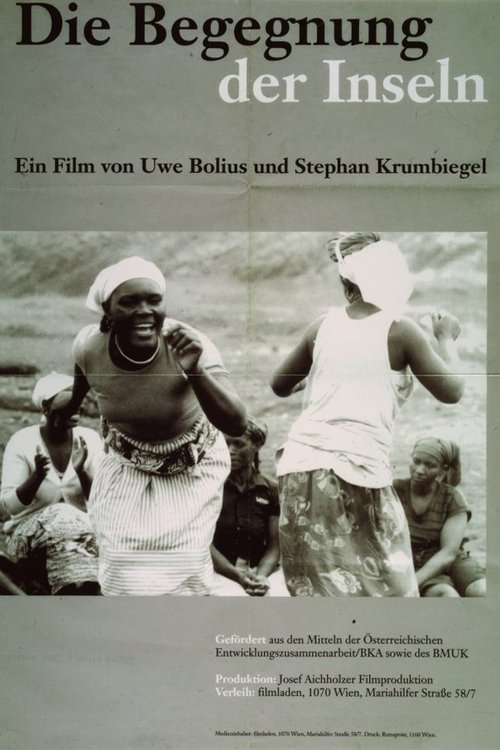
This film begins with black women dancing and black men expressing their praise: They are praising Austria. For over ten years, the 'alpine republic' has been cooperating with the ten parched Cape Verde Islands in the Atlantic Ocean near the west coast of Africa. In total, seven completely different projects are presented and evaluated critically. In passing, the viewer also learns something about the country and its people: Young people curse the beautiful archipelago, calling it a hole, a prison, hell... They are unable to find work. The individual character of the Austrian projects enable the cinematic discussion of some basic concepts of development politics. This film takes a look, both affectionate and critical, at a distant and exotic country which comes closer to us the longer The Meeting of the Islands lasts.
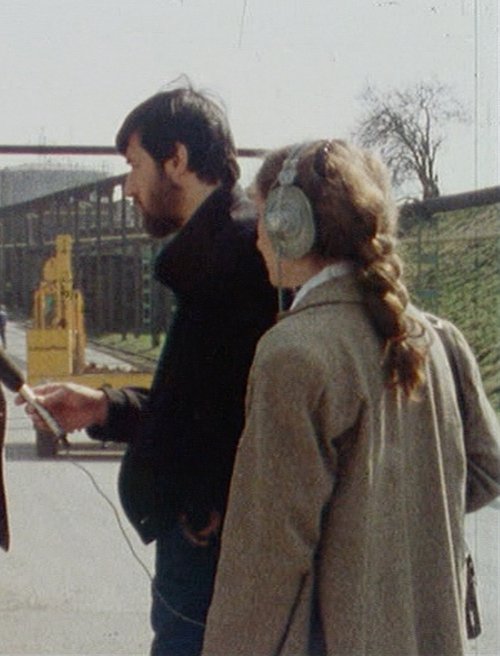
On March 28th 1981, 10.000 people take to the streets. The city of Judenburg demonstrates for the preservation of their steel plant. The demonstration is a start, a late attempt to avert the threat of job loss. The film shows how the international steel crisis affects Austria.
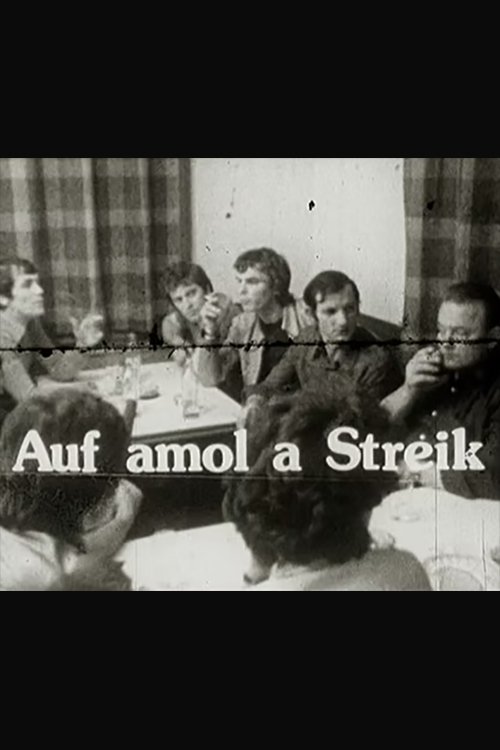
In the Semperit tyre factory, the only strike after World War II takes place in May 1978, lasting for three weeks. The film shows the course of the strike in interviews, photos, graphics and talks at a pub; it draws attention to the position of the union between its loyalty to the workers and its responsibilities towards the entrepreneurs.