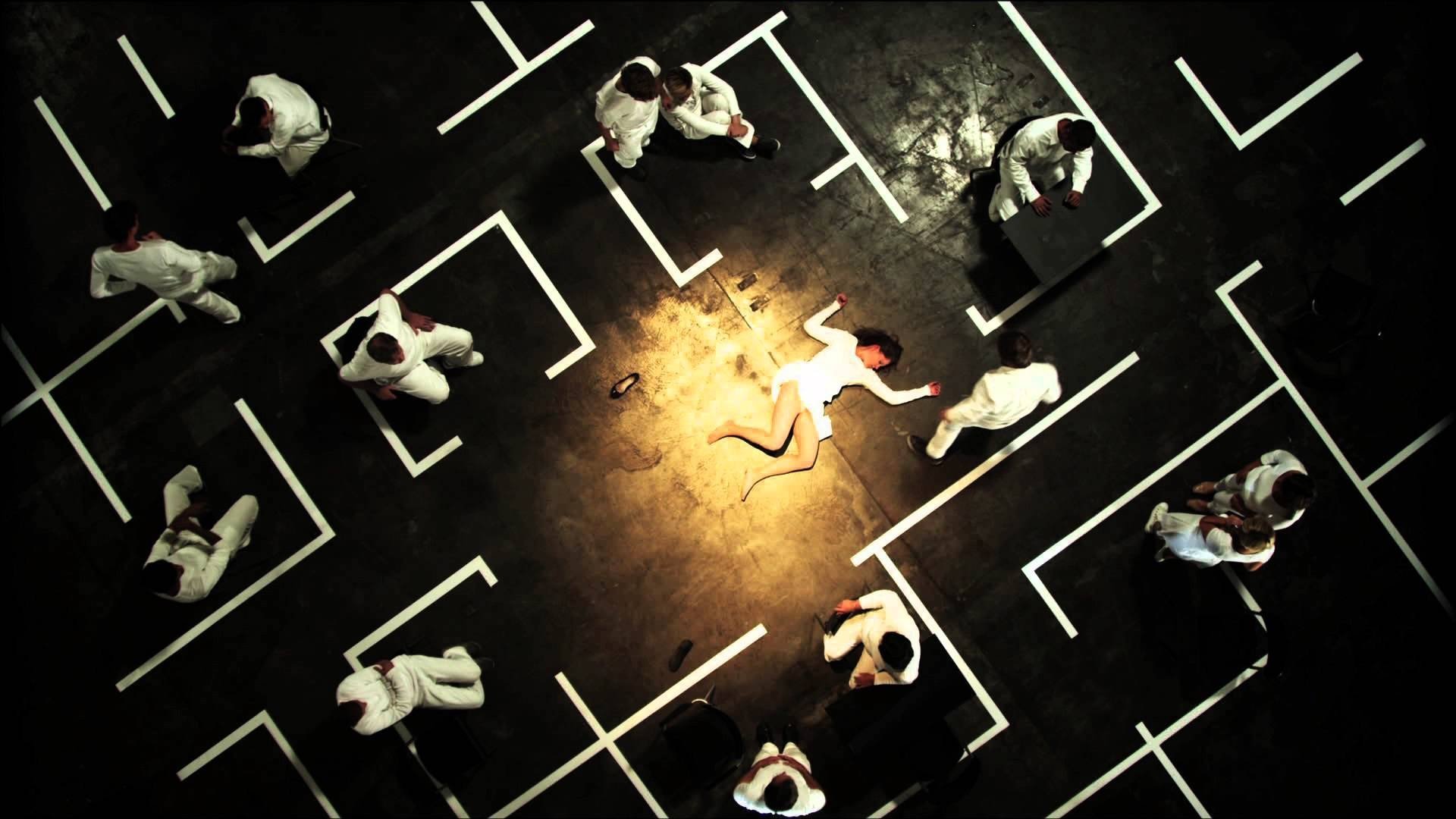

En 1945, le cinéaste Alfred Hitchcock est engagé pour superviser le montage d'un documentaire produit par l'armée britannique sur la libération des camps de concentration nazis. Un film qui était destiné à montrer au peuple allemand les atrocités qui avaient été commises en son nom par les nazis. Une fois le film terminé, celui-ci fut cependant enterré pour des raisons politiques et jamais diffusé. Il fut alors simplement déposé à l'Imperial War Museum, à Londres, où dans les années 1980, les pellicules y ont été redécouvertes par un chercheur américain. Le film a fait l'objet d'une restauration complète respectant les choix du cinéaste. "Night Will Fall" retrace l’histoire de ce film pas fini, qui était connue longtemps sous le nom "The missing Hitchcock"...
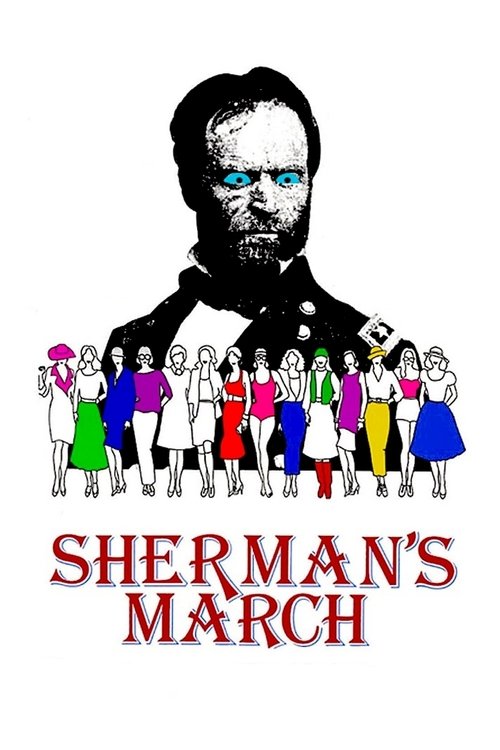
Ross McElwee sets out to make a documentary about the lingering effects of General Sherman's march of destruction through the South during the Civil War, but is continually sidetracked by women who come and go in his life, his recurring dreams of nuclear holocaust, and Burt Reynolds.
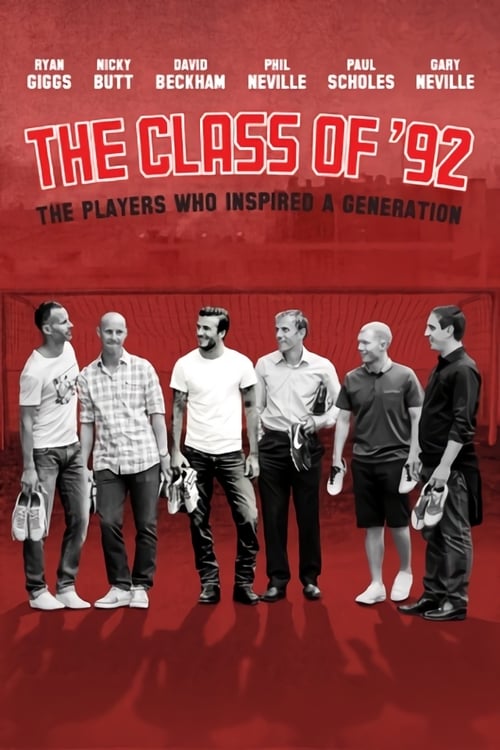
L'histoire de six garçons issus de la working-class anglaise de la banlieue de Manchester qui intègrent l'équipe de foot de leur ville en 1992.
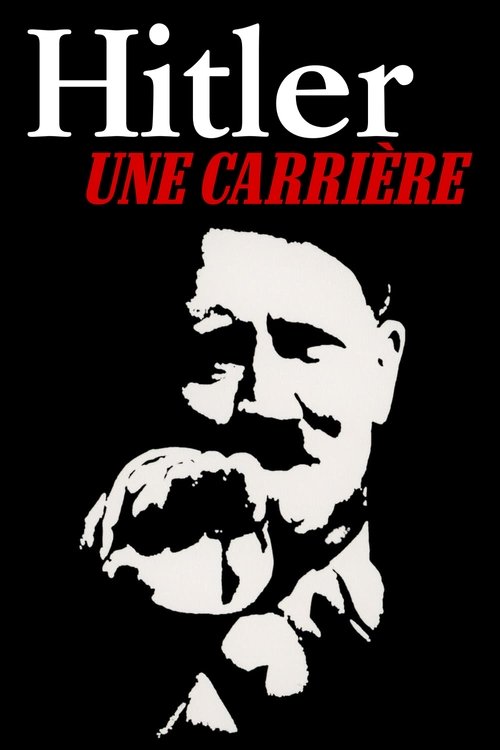
Inspiré du best-seller de l’historien Joachim C. Fest, ouvrage de référence absolu, ce documentaire est uniquement composé d’images d’archives et d’un commentaire fidèle à l’œuvre monumentale de Fest. Il permet de comprendre comment un homme a pu conduire un peuple à commettre l’irréparable et à plonger le monde dans l’horreur…
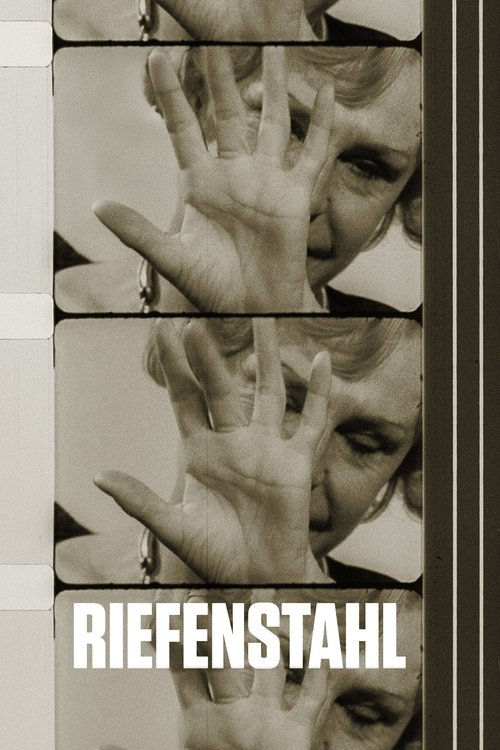
Explore l'héritage artistique de Leni Riefenstahl et ses liens complexes avec le régime nazi, en juxtaposant son autoportrait avec des preuves suggérant une conscience des atrocités du régime.
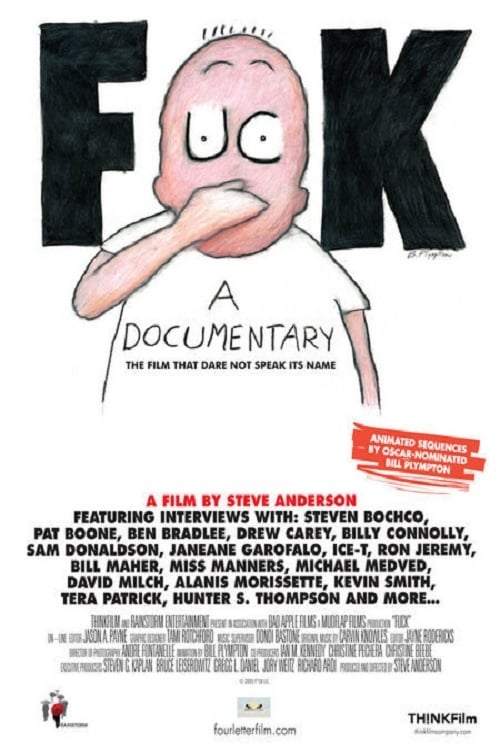
A documentary on the expletive's origin, why it offends some people so deeply, and what can be gained from its use.
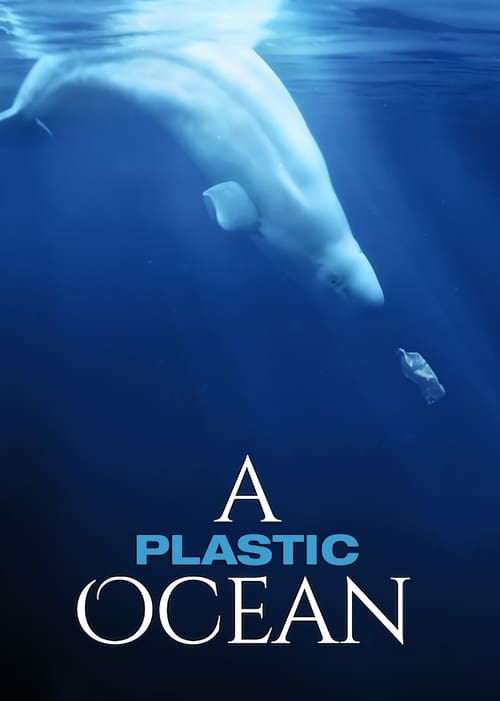
Ce documentaire montre l'amoncellement de débris plastiques flottants dans les océans et met en lumière les conséquences de cette forme de pollution sur l'environnement.
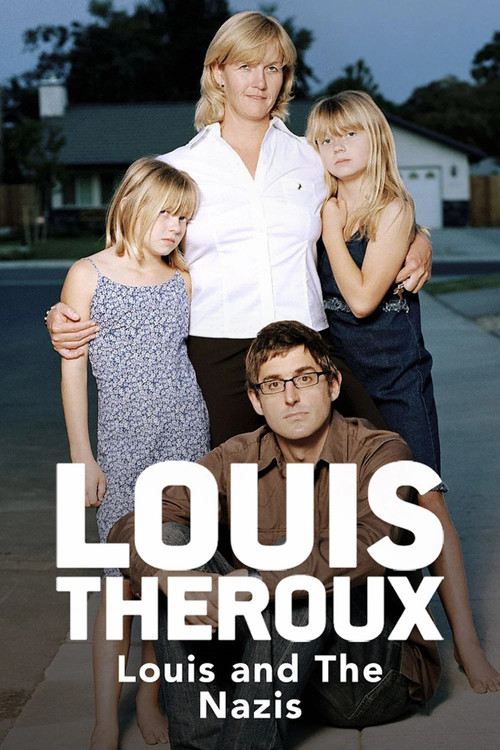
Louis Theroux travels to California to meet the man dubbed "the most dangerous racist in America"; Tom Metzger. Louis meets him, his family and his publicity manager as well as following him to skinhead rallies and on a visit to Mexico.
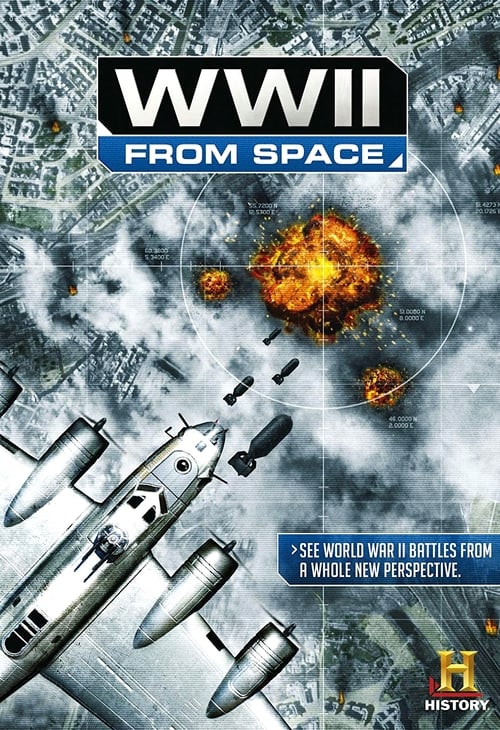
WWII from Space delivers World War II in a way you've never experienced it before. This HISTORY special uses an all-seeing CGI eye that offers a satellite view of the conflict, allowing you to experience it in a way that puts key events and tipping points in a global perspective. By re-creating groundbreaking moments that could never have been captured on camera, and by illustrating the importance of simultaneity and the hidden effects of crucial incidents, HISTORY presents the war's monumental moments in a never-before-seen context. And with new information brought to the forefront, you'll better understand how a nation ranked 19th in the world's militaries in 1939 emerged six years later as the planet's only atomic superpower.
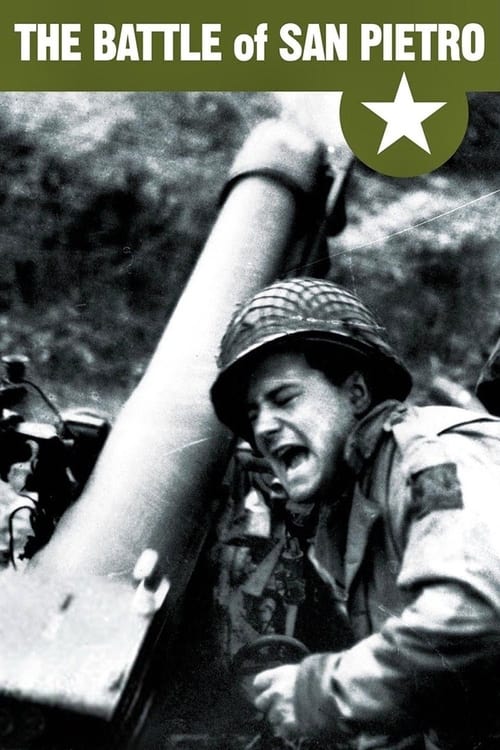
Fin 1943, après le débarquement en Italie, John Huston fut chargé de réaliser un documentaire sur l’avancée triomphale des troupes américaines sur Rome. Filmant des combats d’une rare violence, il réalisa l’un des plus bouleversants témoignages sur les horreurs de la guerre.
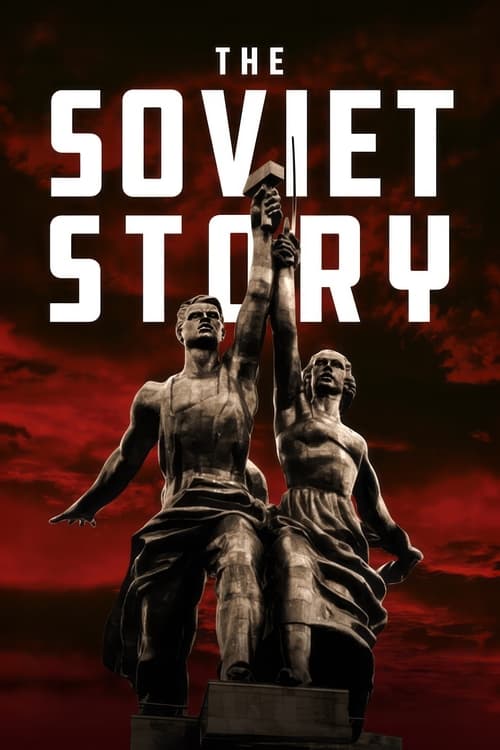
“The Soviet Story” is a story of an Allied power, which helped the Nazis to fight Jews and which slaughtered its own people on an industrial scale. Assisted by the West, this power triumphed on May 9th, 1945. Its crimes were made taboo, and the complete story of Europe’s most murderous regime has never been told. Until now...
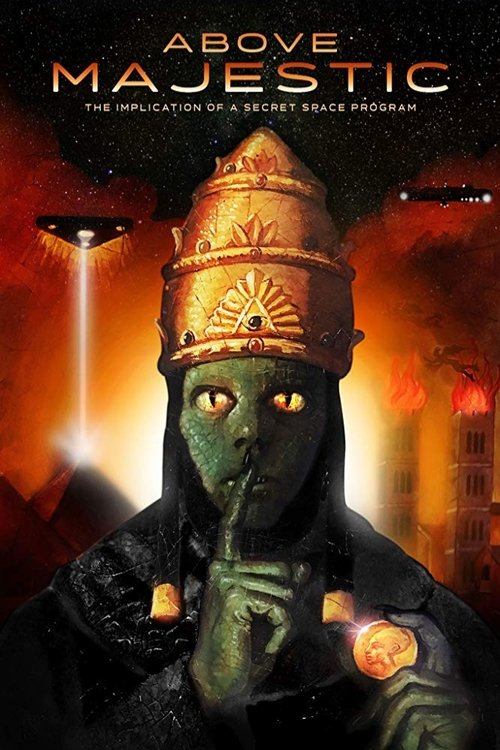
Le 10 septembre 2001, le Secrétaire à la Défense Donald Rumsfeld a annoncé que 2 300 milliards de dollars ne pouvaient pas être justifiés dans les dépenses du département de la Défense. Le lendemain, le bureau de l’analyste du budget du Pentagone a été détruit dans les attaques du 11 septembre. Above Majestic porte un regard choquant et provocateur sur ce qui serait nécessaire pour cacher au public un Programme Spatial Secret de plusieurs milliards de dollars (un groupe clandestin de militaires d’élite et de figures de proue des entreprises, chargés de comprendre le fonctionnement de technologies extraterrestres, aussi appelé “Majestic 12”) et les implications que cela aurait pour l’humanité. Le public est plongée dans les origines, les technologies, l’histoire, les dissimulations, les conspirations, les témoignages et la recherche dans Above Majestic. Avec les plus célèbres auteurs, chercheurs, lanceurs d’alerte et propagateurs du mouvement pour la vérité et l’entière divulgation.
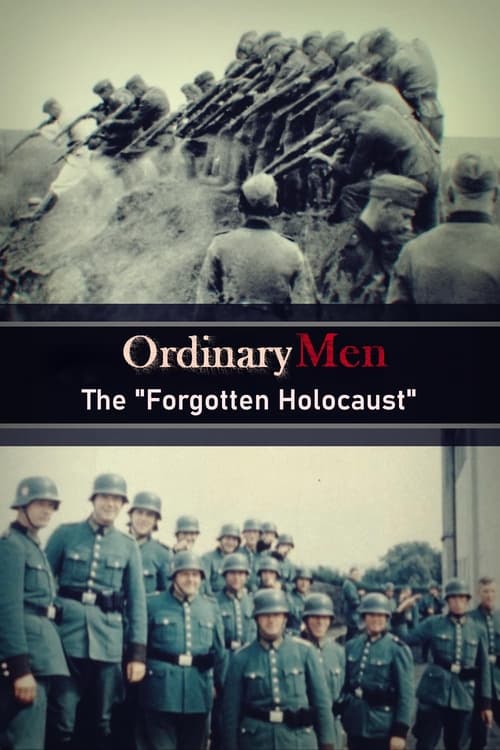
Ce documentaire examine comment et pourquoi des milliers d'Allemands ont participé à des atrocités de masse au sein des bataillons de police nazis pendant l'Holocauste.
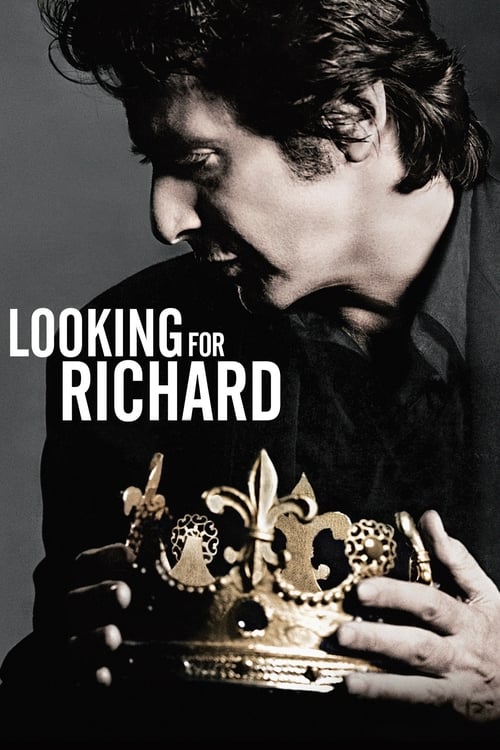
La rumination profondément ressentie d'Al Pacino sur la signification et la pertinence de Shakespeare pour le monde moderne à travers des interviews et une analyse approfondie de 'Richard III'.
Ce documentaire examine les attentats à la bombe de Londres de 1999 qui ont visé les communautés noires, bangladaises et gays, et la course à la recherche de l'agresseur d'extrême droite. Il a terrorisé une ville, cherchant à déclencher une guerre raciale, mais la justice était rendue par ceux qui ne voulaient pas laisser sa haine l'emporter.

L'actrice Mariska Hargitay, lauréate d'un Emmy® et d'un Golden Globe, se penche sur l'histoire de sa mère Jayne Mansfield, soixante ans après sa mort.
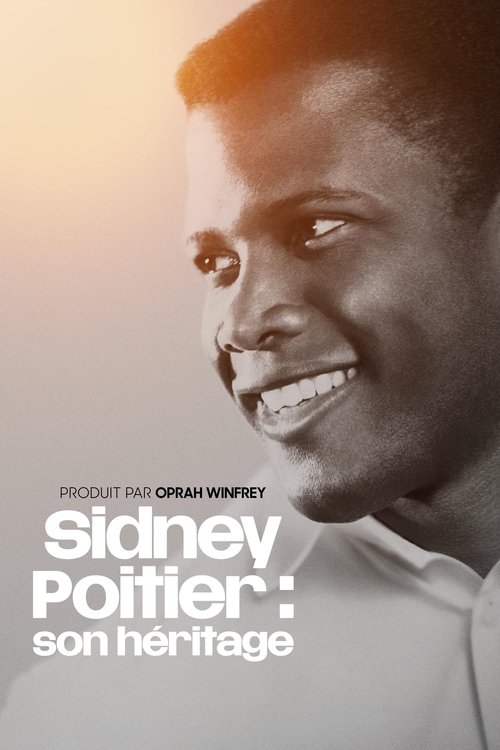
Réalisé par Oprah Winfrey, ce documentaire révélateur rend hommage au légendaire Sidney Poitier, acteur, cinéaste et militant des droits civiques. Découvrez des entretiens avec Denzel Washington, Spike Lee, Barbra Streisand, et bien d'autres.
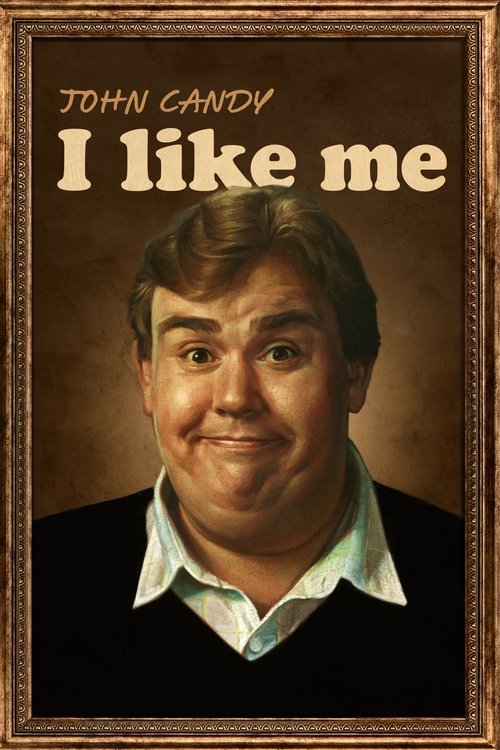
Réalisé par Colin Hanks et produit par Ryan Reynolds, John Candy: I Like Me donne la parole à ceux qui ont le mieux connu John. Ils racontent son histoire à leur façon à travers des films, des photos et des interviews d'archives inédites. C'est un documentaire sur la vie, la carrière et la disparition d'un des acteurs les plus aimés de tous les temps.
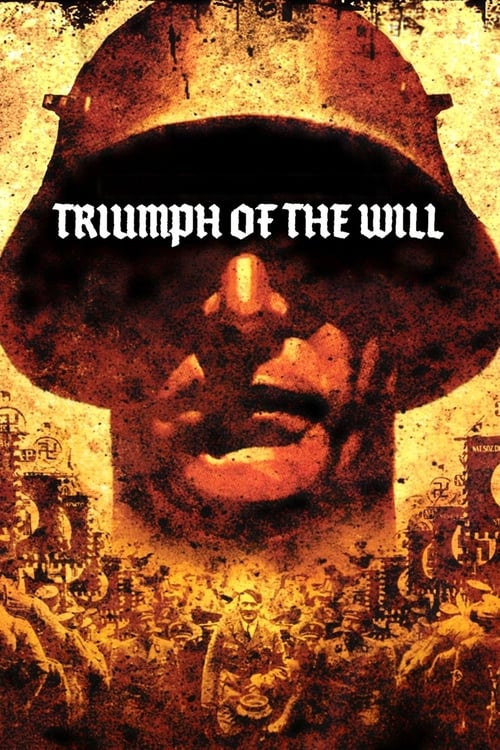
"Chef d'œuvre de haine, de vanité provocante, d'orgueil démoniaque, mais chef-d'œuvre tout de même." - Riefenstahl utilise le langage cinématographique pour glorifier et mythifier le sujet : contre-plongées héroïques, contre-champ nombreux de spectateurs (soldats, militants et "civils") enthousiastes. Le cadrage de la foule, lors de travellings ne permet pas un décompte exact. Travellings circulaires lors des discours et très grands plans lors des parades. - La séquence d'ouverture fait d'Hitler un dieu descendu des cieux pour sauver le peuple allemand. "Un dieu nouveau descendant du Walhalla", selon Mitry qui reprend l'analyse de Sadoul:("L'avion du nouveau Messie se posait à Nuremberg.") qui, plus loin, parle de "pompeuse déification wagnérienne". Ferro évoque "l'avion du Führer qui descend du ciel tel le démiurge"

Un documentaire sur la réalisation de la cinquième saison de la célèbre série du diffuseur télévisé AMC, Breaking Bad.
Connectez-vous pour donner votre avis
Partagez votre opinion avec la communauté.