Howard Guttenplan
Acting
Known For

Cinématon is a 156-hour long experimental film by French director Gérard Courant. It was the longest film ever released until 2011. Composed over 36 years from 1978 until 2006, it consists of a series of over 2,821 silent vignettes (cinématons), each 3 minutes and 25 seconds long, of various celebrities, artists, journalists and friends of the director, each doing whatever they want for the allotted time. Subjects of the film include directors Barbet Schroeder, Nagisa Oshima, Volker Schlöndorff, Ken Loach, Benjamin Cuq, Youssef Chahine, Wim Wenders, Joseph Losey, Jean-Luc Godard, Samuel Fuller and Terry Gilliam, chess grandmaster Joël Lautier, and actors Roberto Benigni, Stéphane Audran, Julie Delpy and Lesley Chatterley. Gilliam is featured eating a 100-franc note, while Fuller smokes a cigar. Courant's favourite subject was a 7-month-old baby. The film was screened in its then-entirety in Avignon in November 2009 and was screened in Redondo Beach, CA on April 9, 2010.
Cinématon

I give a methodical account of my film work: the creation of new series (Lire, Trio, Avec Mariola), the shooting of a new feature film (Amours décolorées which will take ten years to edit) with Mariola San Martin.
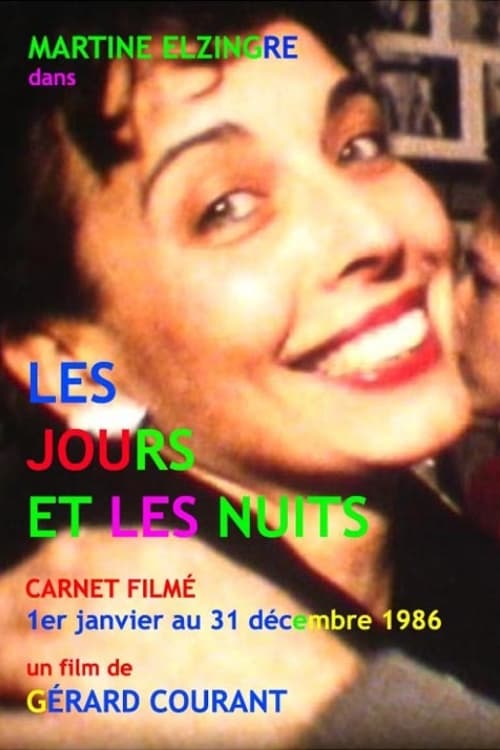
Les Jours et les Nuits

No description available.
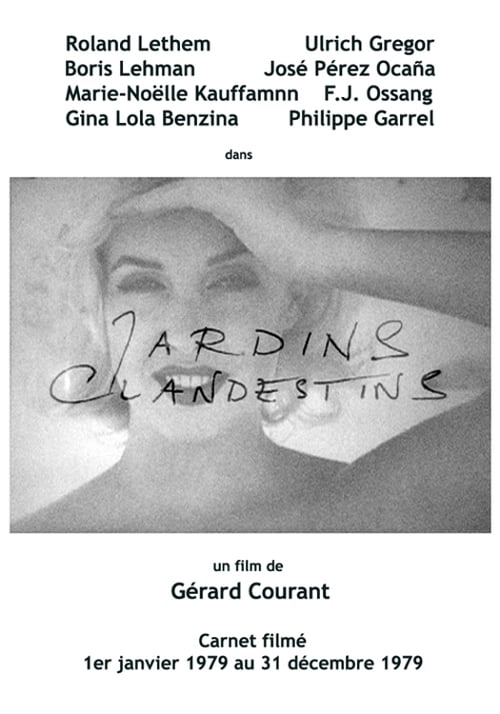
Jardins clandestins
Reel 7 of Gérard Courant's on-going Cinematon series.
Cinématon VII

Country: United States of America. Profession: Filmmaker. Done in Paris (France) on July 7, 1979 at 3:15 p.m.
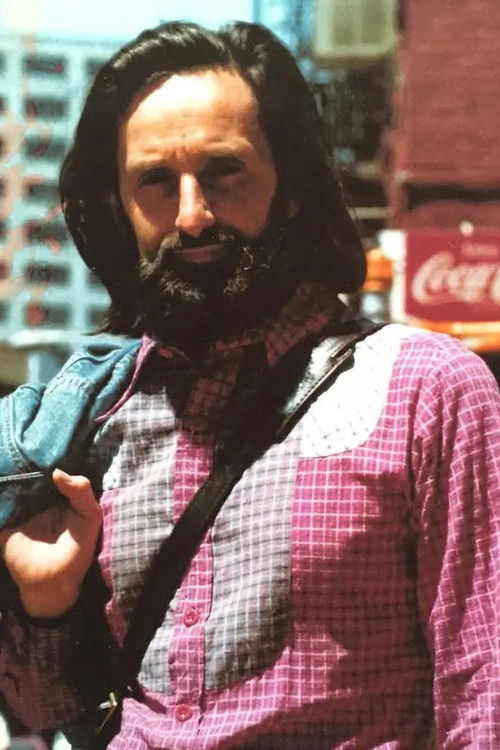
Cinématon n°65 : Howard Guttenplan

"Guttenplan uses the term 'diary' in a way that is unique to him. In fact, the term can be confusing. There is no doubt that this film is not a diary like those made by Jonas Mekas. It contains little, if any, imagery with an emotional or autobiographical message. Its interest lies in the static objects that tell us nothing about the life of the filmmaker. The NEW YORK CITY DIARY '74 is filled with color and texture, mostly abstract. (...) Guttenplan dislocates the viewer's vision by a perpetual permutation of surfaces. The film's field of vision can unpredictably change from a small area of bricks to a cloudy sky covering several kilometers. The intensity of colors and patterns remains constant while the photographed space changes completely. Such fluctuations amplify the feeling of disjuncture that we get from fleeting visions of things." —Scott Hammen.
New York City Diary ’74

One week in November 1979, passing the time in Carmen Virgil's house. Probably the last in this series of diaries.
San Francisco Diary ’79

Filmed in the south of France and in Paris at the end of August and the beginning of September 1978.