Acting
La que se avecina is a Spanish television comedy created by Alberto Caballero, Laura Caballero and Daniel Deorador. The TV-series focusing around the inhabitants of Mirador de Montepinar, a fictional building located on the outskirts of a big city. Both its storylines and cast are heavily based on Aquí no hay quien viva, which ended when Telecinco bought Miramón Mendi, the series production company. The episodes debuted on the Telecinco network, and were later rerun by the same network as well as cable/satellite channels FactoríaDeFicción and Paramount Comedy. The series debuted in 22 April 2007 and became popular thanks to its funny characters, witty script, use of catchphrases and capacity to integrate and poke fun at contemporary issues; the program presents a caustic satire of many of the 'types' found in Spanish society. The name of the show involves wordplay, as "vecina" is the Spanish word for neighbour.
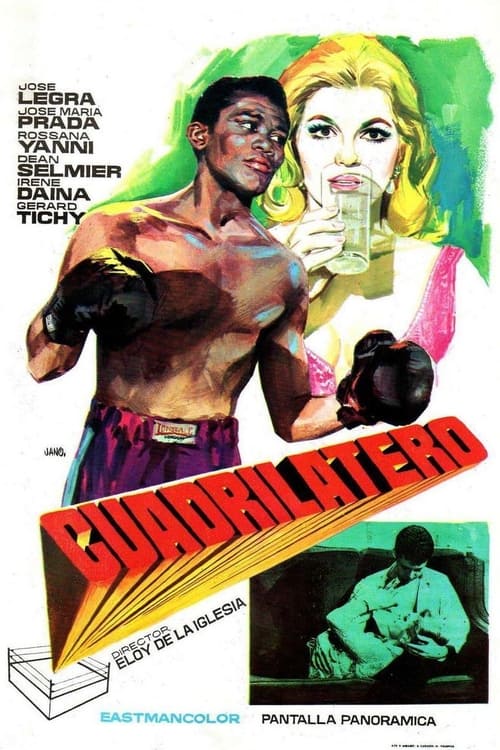
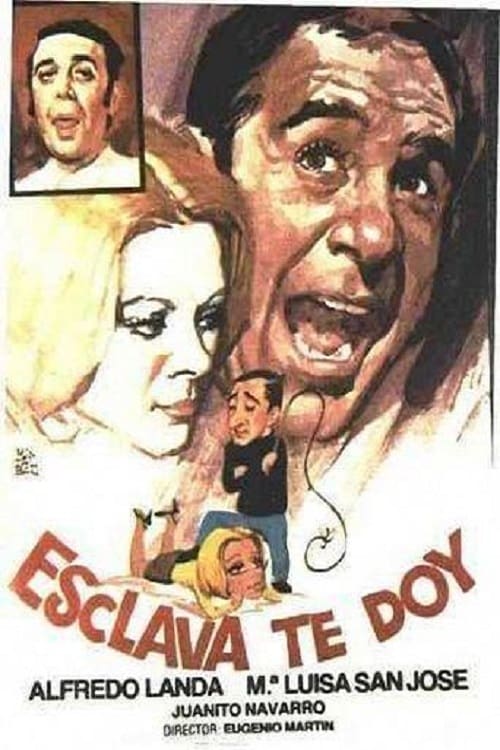
A boxing manager discovers that one of the boxers who have been promoted in love with a protected model and his mistress. Mad with jealousy, organized a match between it and another fighter who are friends with each other. Revenge in this case will be bitter.
No description available.
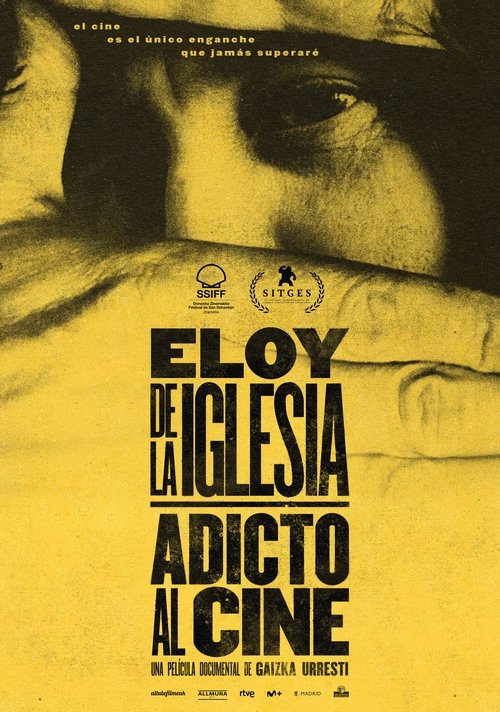
A dauntless film director, an enfant terrible in his early days, confrontational with censorship, always pushing the boundaries of freedom of expression, chronicler of the darkest corners of the transition, De la Iglesia will fall into the clutches of drug addiction, being forgotten and sometimes repudiated for more than a decade before eventually shaking off the ostracism to make films once again, that habit he could never kick.
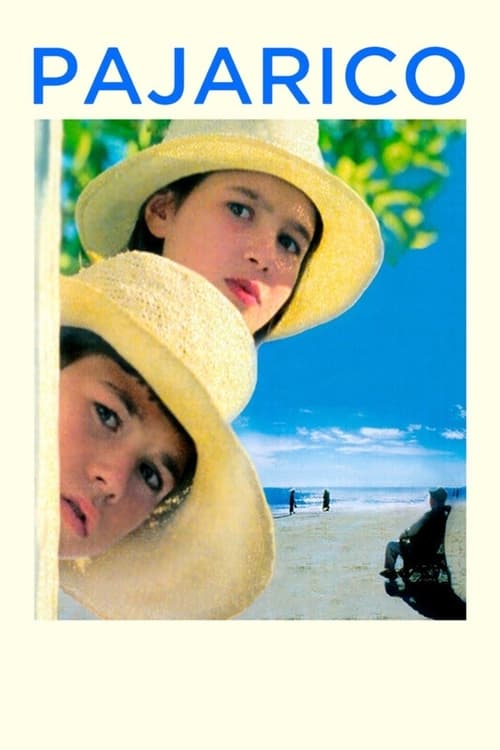
Manu travels to Murcia to spend the summer with their grandparents because their parents are getting divorced. Surrounded by gardens, sea, nature, and lush, warm family, Manu find his first love and the first signs of adulthood.
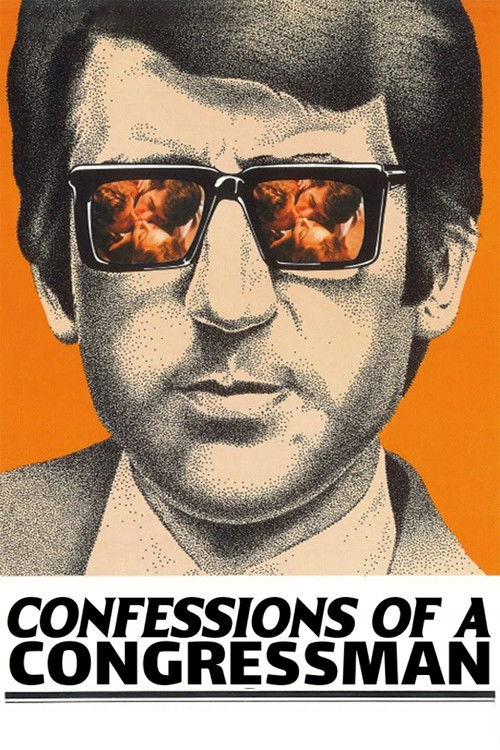
Roberto, a leader and follower of the ideals of his radical leftist opposition party, can’t resist the cheap beautiful street teenagers that are thrown his way for various pleasures.
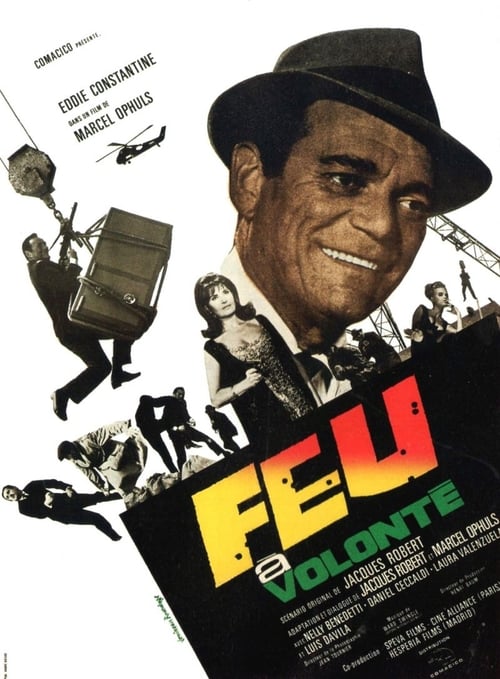
A famous American secret service agent tries to rescue a German 17-year-old prodigy scientist who has been captured by the Russians.
Erika and George are two crooks hired by a rich lady to get rid of her philandering husband.
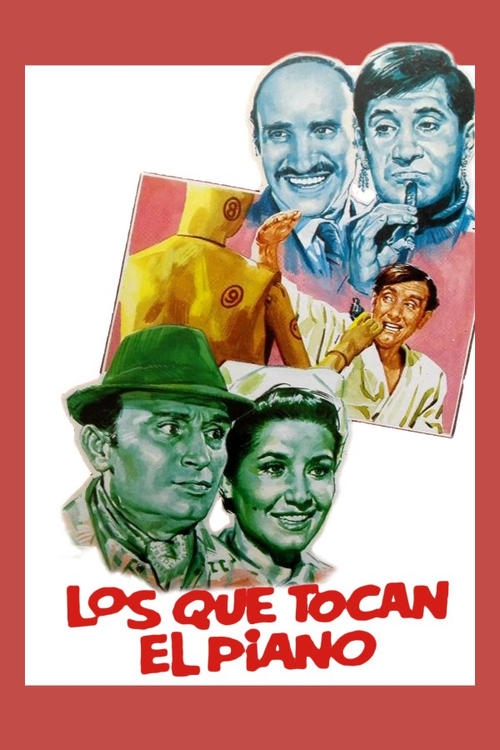
Cayetana, her boyfriend Paco and Venancio, her foster brother, commit small thefts and, from time to time, spend a few days in jail. Until they meet with Federico, a thief who has traveled abroad and convince them that using European methods success is guaranteed. Paco then decides to act scientifically and seizes a hospital surgical equipment. When they want to realize, poor Venancio is forced to give an injection to a dentistry patient and, even worse, Paco has to pull out a tooth. And all that, before entering the operating room
A useless kidnapper tries to kdnap a rich industrialist.
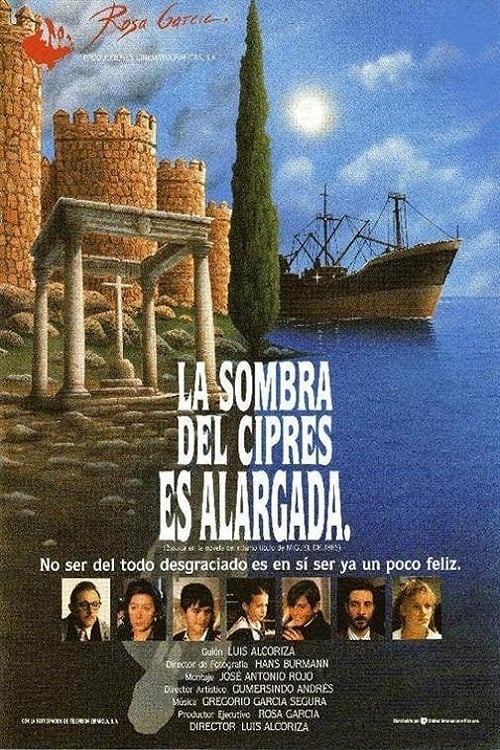
Avila, early twentieth century. Pedro, a boy of nine years, accompanied by his tutor, comes to live in the house of Don Mateo, a teacher that from that moment will be responsible for his education. Pedro begins an almost familiar relationship with Doña Gregoria and Martina, wife and daughter of his master. The appearance of Alfredo, and roommate and colleague of studies, complete the circle of his emotional environment. Provincial life, relationships with peers and the special relationship between life and death instilled by Don Mateo, definitely will influence his future life.
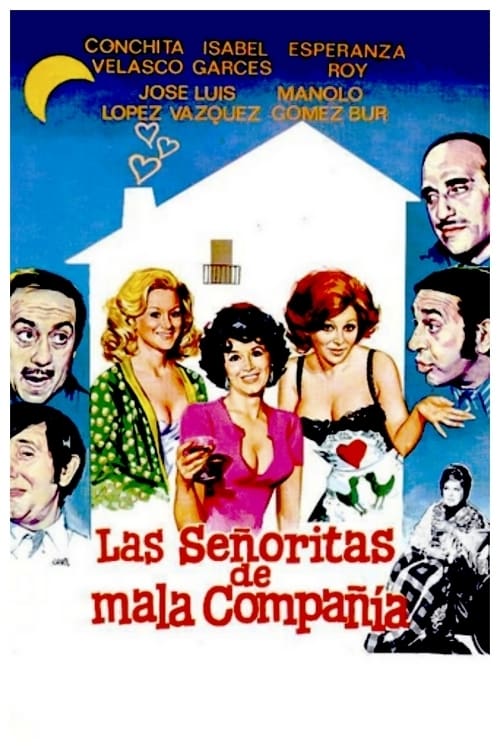
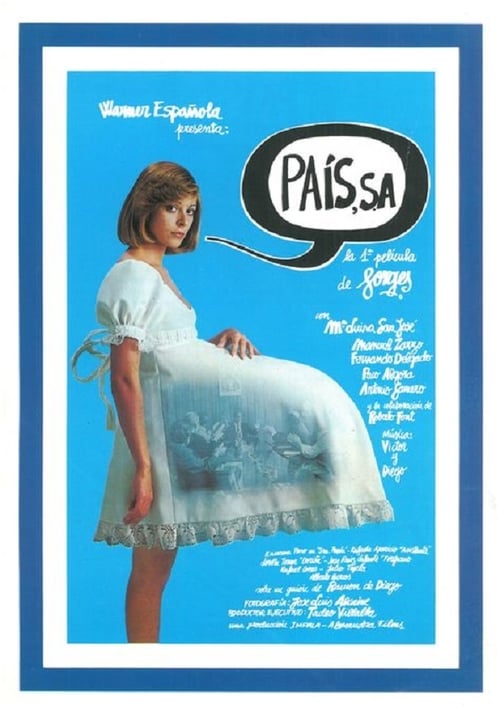
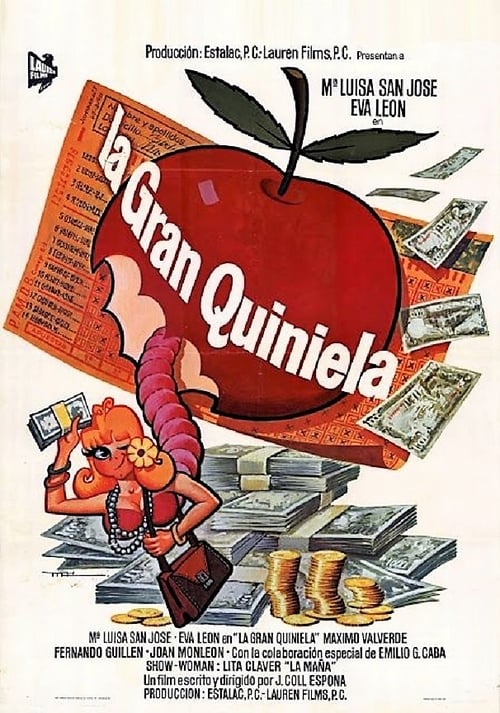
A young woman wins 200 million pesetas at the 'quiniela' football pool with 14 successfull 'aciertos' and begins to help everybody with the fortune.
Hypocrisy and betrayal are the two dramatic pivots in this effective, emotionally gripping tragedy about the life and death of Paco (Antonio Banderas), a Spanish peasant who had been fighting against the feudal landowning system that kept farmers impoverished. Paco's life is told in flashbacks by a priest (Antonio Ferrandis) who is seen officiating at an anniversary mass attended by three wealthy landowners and no one else. The priest recalls Paco's baptism, his communion, his marriage ceremony and then his work for the peasants as he advocated and led them in a land-reform movement. The rest of the story will rest heavy on the priest's conscience, as he looks out at his empty church.
Miguel is a young Spanish naval engineer in love with an American student of History of Art. When she becomes pregnant, she decides that the easiest solution to her situation is to marry her civilly. However, in Spain in the 1970s, prior to the passage of the Divorce Law, the only way to do so is to apostatize the Catholic Church. For Miguel, a believing devotee, taking this step involves a deep inner conflict.
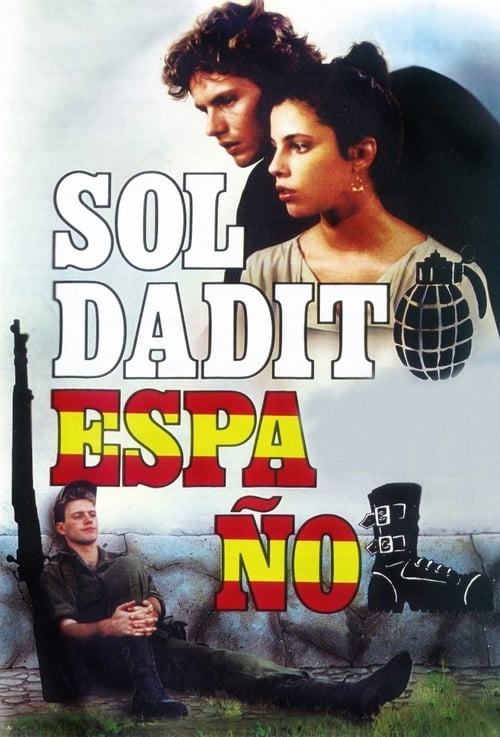
A young man, son and grandson of soldiers, refuses to perform military service, causing a commotion in the whole family. Finally, social, environmental and family pressures, will force the young to make a decision that will have unforeseeable consequences.