Alain Bonnamy
Directing
Known For

Ali in Wonderland unveils the condition of immigrant workers in Paris in the 1970s. It is a cry of anger against exploitation and racism, uncompromisingly raising the role of the French state, the media, capitalism, and colonization in this system of domination that crushes those who suffer it. In this experimental essay on the condition of Algerian migrants in Giscard's France in the mid-1970s, every aesthetic choice has a precise and legible political motivation and gives body and voice to a figure completely absent from the experimental cinema of the time: that of the immigrant worker. Abouda is one of the children of immigrants seen in the film, and not a simple activist serving a cause, which is why the emotion of her experimental gesture, which she throws in the viewer's face, springs from a ferocity inscribed in her body, from an insatiable anger that inhabits her gaze.
Ali in Wonderland
No description available.
Film inexistant pyramidal n°1
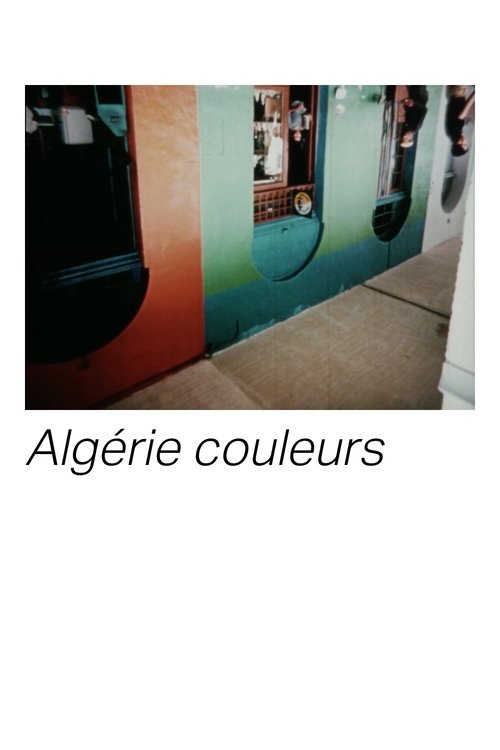
"Film shot on the 'bench' from hundreds of photos, buildings, streets, towns unusually colorful for a North Mediterranean eye. The editing was composed on a score because the shots are generally very short, up to two images, and they do not follow each other "cut" or crossed but in "racket". The progression of shots varies from faintly colored recognizable to strongly colored unrecognizable. The soundtrack is composed of Arabic music that gradually turns into free-jazz. » Mannheim Festival, 1973
Algérie Couleurs
No description available.
Film sans caméra TQ

In the Seventies, Djouhra Abouda developed a cinematographic project in the labs of the Université de Vincennes in Paris with the architect Alain Bonnamy. Together, they produced various experimental films in 16mm “conceived as kaleidoscopic assemblages grounded on a musical paradigm” (Bouhours).