

Vous aimerez aussi
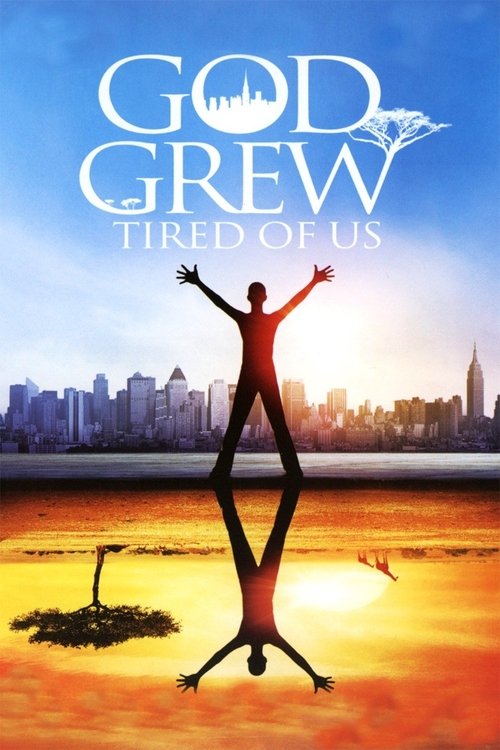
Quatre jeunes garçons originaires du Soudan embarquent pour un voyage aux États-Unis après des années de dérive en Afrique sub-saharienne à la recherche de sécurité.
Les Enfants de l'Exil
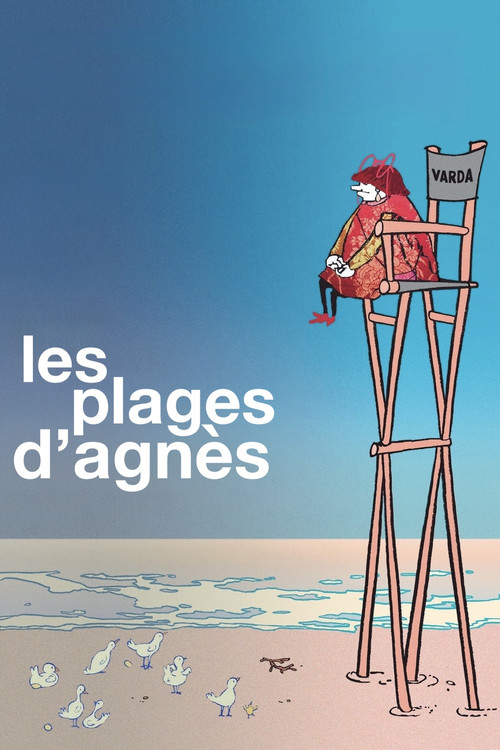
En revenant sur les plages qui ont marqué sa vie, Varda invente une forme d'autodocumentaire. Agnès se met en scène au milieu d'extraits de ses films, d'images et de reportages. Elle nous fait partager avec humour et émotion ses débuts de photographe de théâtre puis de cinéaste novatrice dans les années cinquante, sa vie avec Jacques Demy, son engagement féministe, ses voyages à Cuba, en Chine et aux USA, son parcours de productrice indépendante, sa vie de famille et son amour des plages. Une femme libre et curieuse !
Les Plages d'Agnès
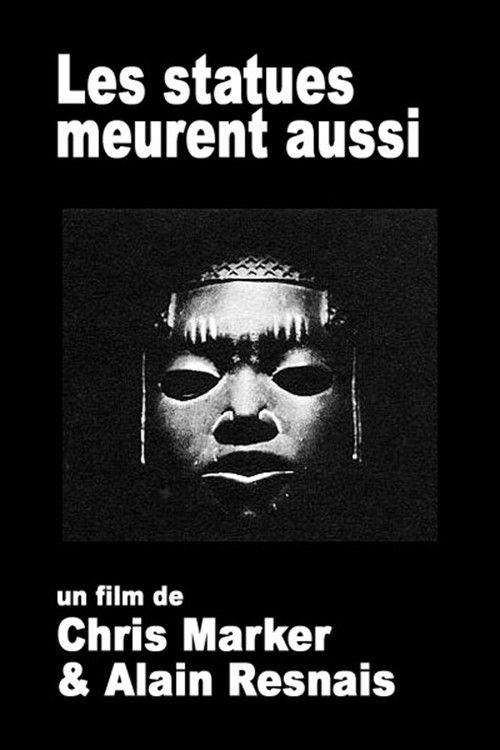
Documentaire sur l'art africain, pamphlet anticolonialiste et première collaboration entre Alain Resnais et Chris Marker. Le film fut censuré pendant onze ans.
Les statues meurent aussi
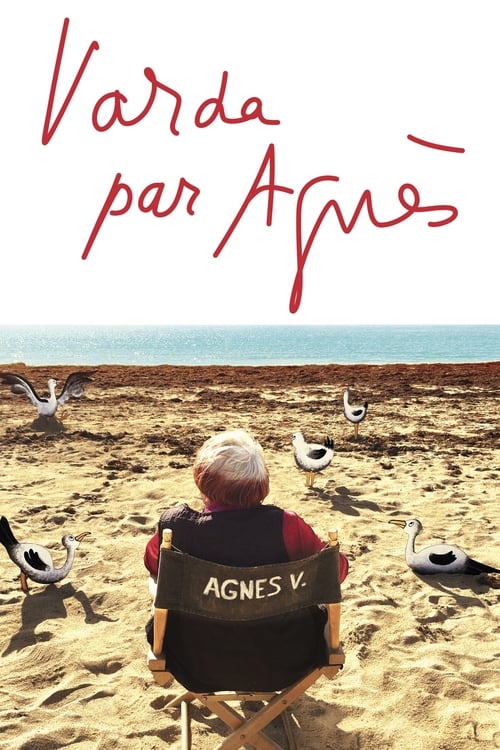
Agnès Varda prend place sur une scène de théâtre. Cette photographe professionnelle, artiste d'installation et pionnière de la Nouvelle Vague est une institution du cinéma français mais un féroce opposant à tout type de pensée institutionnelle. Dans ce film, elle offre un aperçu de son œuvre en utilisant des extraits de son travail pour illustrer - de manière plus associative que chronologique - ses visions et ses idées artistiques. Son discours vif, riche en anecdotes et intelligent est divisé en deux parties.
Varda par Agnès

Les stars de « The Walking Dead », Andrew Lincoln et Danai Gurira, se remémorent le passé et visitent les lieux emblématiques où ont été tournées les scènes marquantes entre leurs personnages, Rick et Michonne.
The Walking Dead: The Return
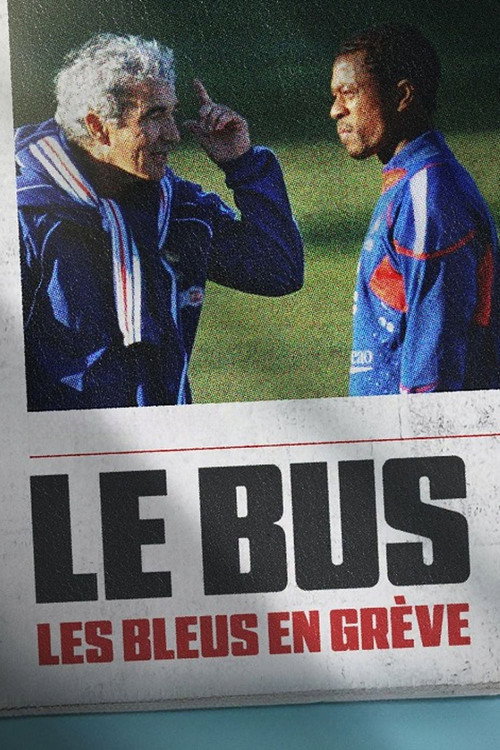
Ce documentaire revient sur la controverse entourant l'équipe de France de football lors de la Coupe du monde 2010 et sur la grève qui a fait la une et indigné tout un pays.
Le Bus : Les Bleus en grève
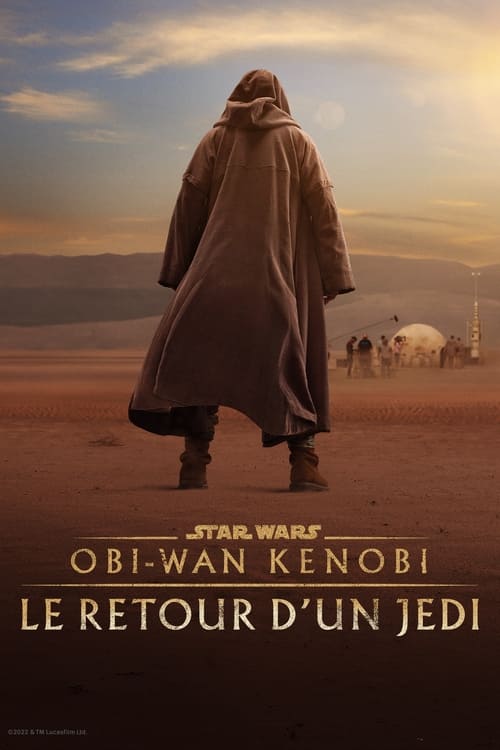
Cette émission spéciale explore les coulisses du retour d'Obi-Wan Kenobi et d'Anakin Skywalker à l'écran, ainsi que d'Ewan McGregor et Hayden Christensen dans leurs rôles emblématiques. La réalisatrice Deborah Chow dirige les acteurs et l'équipe alors que de nouveaux héros et méchants voient le jour aux côtés de nouvelles incarnations des personnages iconiques de Star Wars. Cette histoire épique fait le pont entre les films de la saga.
Obi-Wan Kenobi : Le retour d'un Jedi
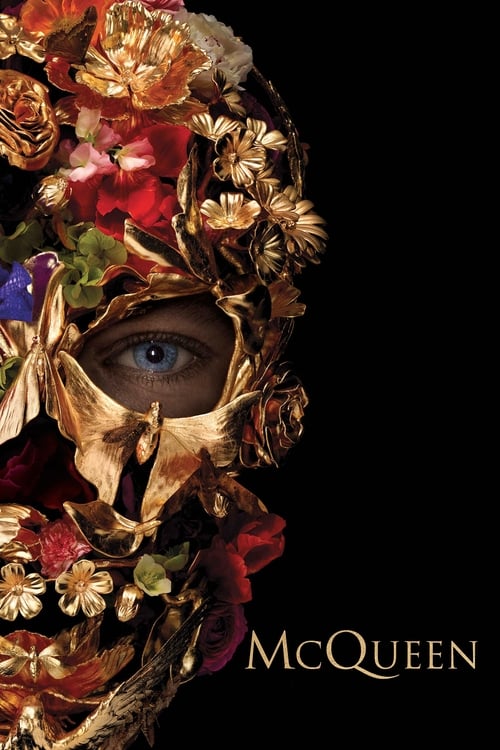
Un regard personnel sur la vie, la carrière et le talent hors du commun de l’enfant terrible de la mode, Alexander McQueen, icône d’ascendance modeste qui a brillé comme une étoile filante... Mêlant témoignages exclusifs de sa famille et de ses proches, archives inédites, images et musiques bouleversantes, McQUEEN est un vibrant hommage en même temps qu’un portrait captivant de ce visionnaire aussi tourmenté qu’inspiré.
McQueen
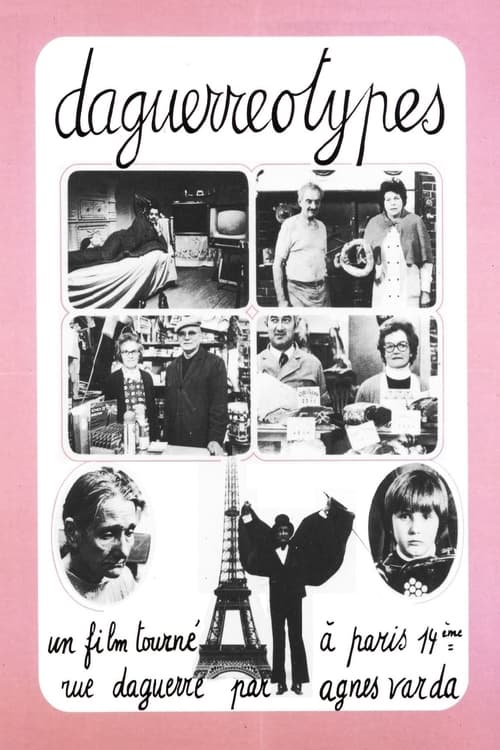
« Daguerréotypes » n'est pas un film sur la rue Daguerre, pittoresque rue du 14e arrondissement, c'est un film sur un petit morceau de la rue Daguerre, entre le numéro 70 et le numéro 90, c'est un document modeste et local sur quelques petits commerçants, un regard attentif sur la majorité silencieuse. C'est un album de quartier, ce sont des portraits stéréo-daguérréotypés. Ce sont des archives pour les archéo-sociologues de l'an 2975.
Daguerréotypes
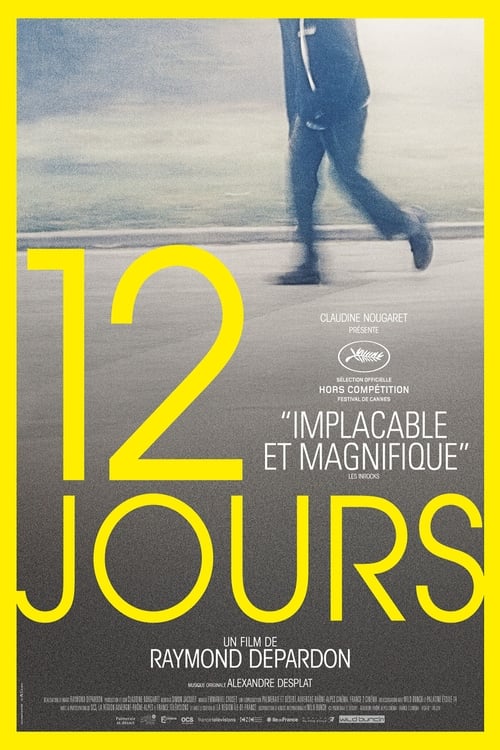
Avant 12 jours, les personnes hospitalisées en psychiatrie sans leur consentement sont présentées en audience, d’un côté un juge, de l’autre un patient, entre eux naît un dialogue sur le sens du mot liberté et de la vie.
12 jours
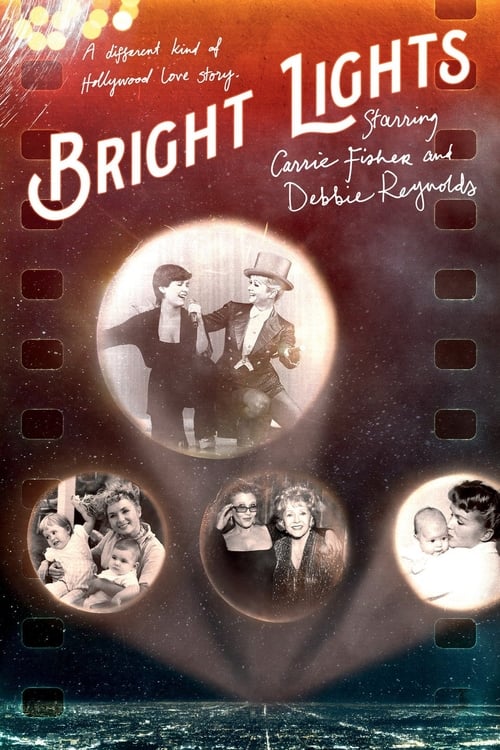
Gros plan sur la vie et la relation intime de deux actrices, Carrie Fischer, héroïne de la saga «Star Wars», et sa mère, Debbie Reynolds, la légendaire interprète de «Chantons sous la pluie». Des images d'archives et des témoignages de proches et de célébrités construisent ce double portrait, complété par de nombreux extraits de films et d'interviews.
Bright Lights: Starring Carrie Fisher and Debbie Reynolds
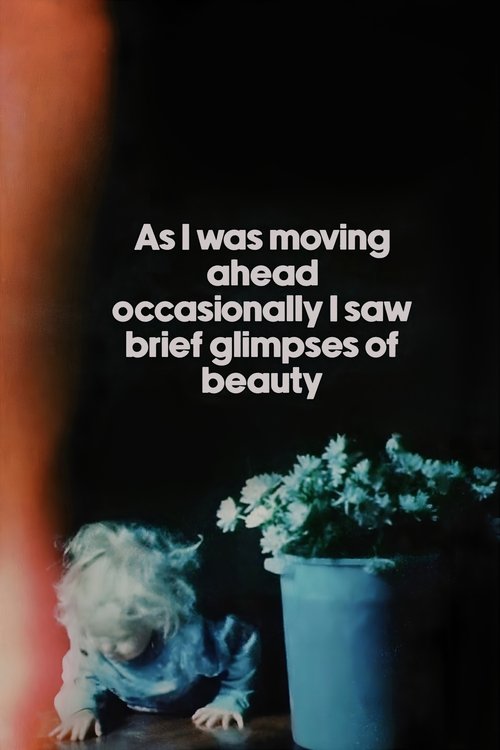
A compilation of over 30 years of private home movie footage shot by Lithuanian-American avant-garde director Jonas Mekas, assembled by Mekas "purely by chance", without concern for chronological order.
As I Was Moving Ahead, Occasionally I Saw Brief Glimpses of Beauty
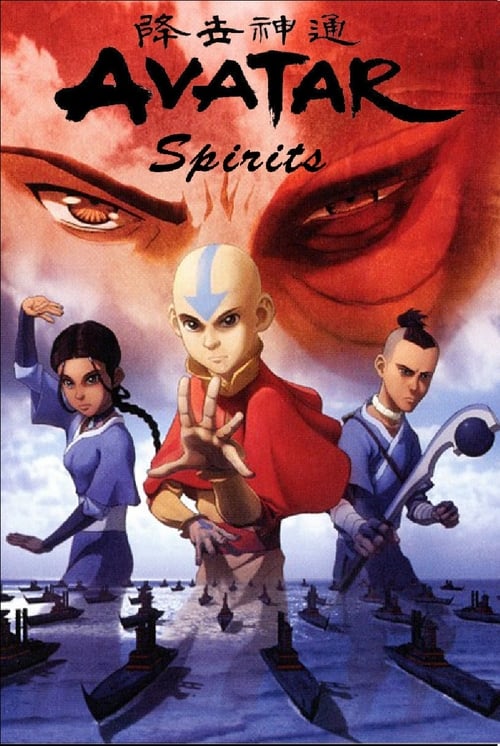
Bryan Konietzko and Michael Dante DiMartino, co-creators of the hit television series, Avatar: The Last Airbender, reflect on the creation of the masterful series.
Avatar Spirits
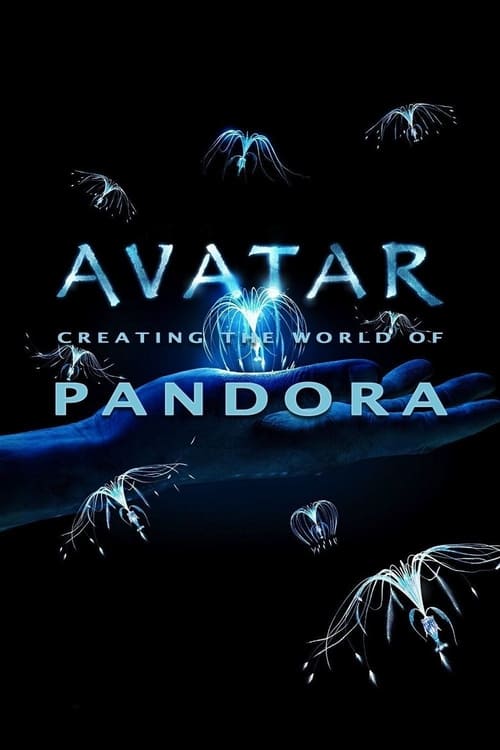
Le making-of du film Avatar de James Cameron, montrant des parties intéressantes du travail sur le plateau.
Avatar: Creating the World of Pandora
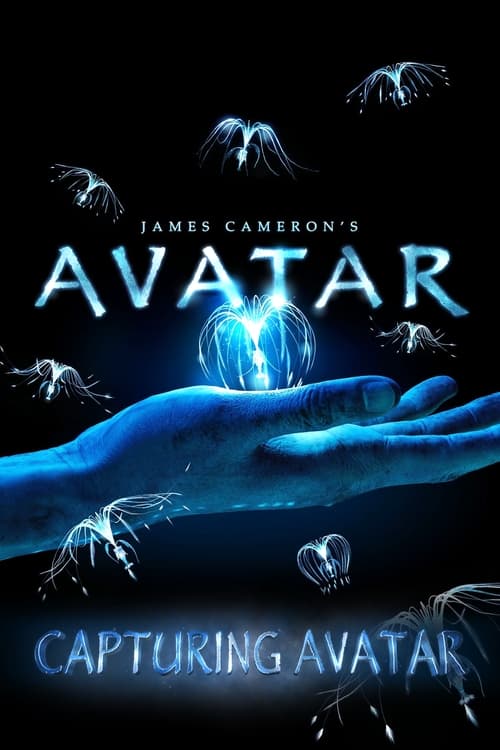
Capturing Avatar is a feature length behind-the-scenes documentary about the making of Avatar. It uses footage from the film's development, as well as stock footage from as far back as the production of Titanic in 1995. Also included are numerous interviews with cast, artists, and other crew members. The documentary was released as a bonus feature on the extended collector's edition of Avatar.
Capturing Avatar
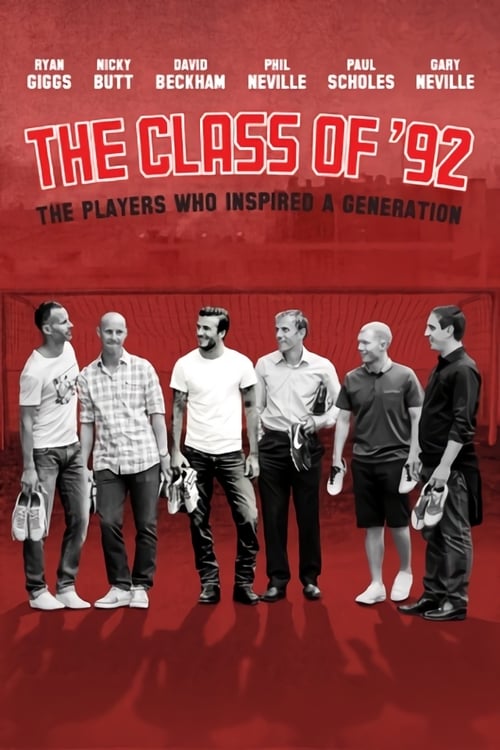
L'histoire de six garçons issus de la working-class anglaise de la banlieue de Manchester qui intègrent l'équipe de foot de leur ville en 1992.
The Class of ‘92
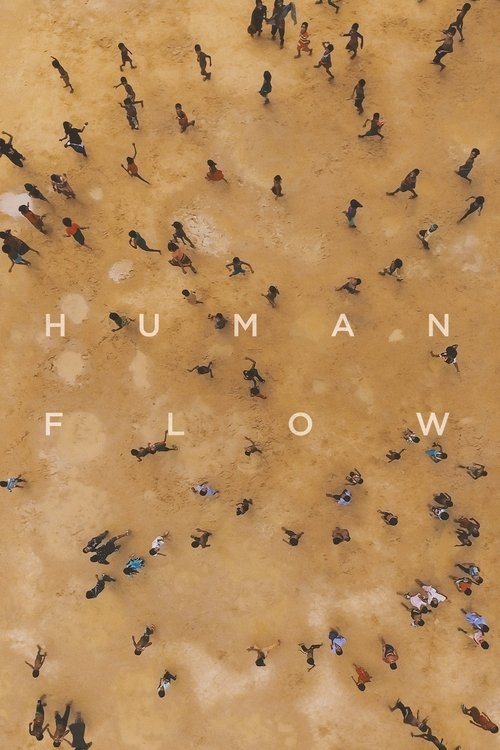
Plus de 65 millions de personnes ont été contraintes de quitter leur pays pour fuir la famine, les bouleversements climatiques et la guerre : il s'agit du plus important flux migratoire depuis la Seconde Guerre mondiale. Réalisé par l’artiste de renommée internationale Ai Weiwei, HUMAN FLOW aborde l'ampleur catastrophique de la crise des migrants et ses terribles répercussions humanitaires.
Human Flow
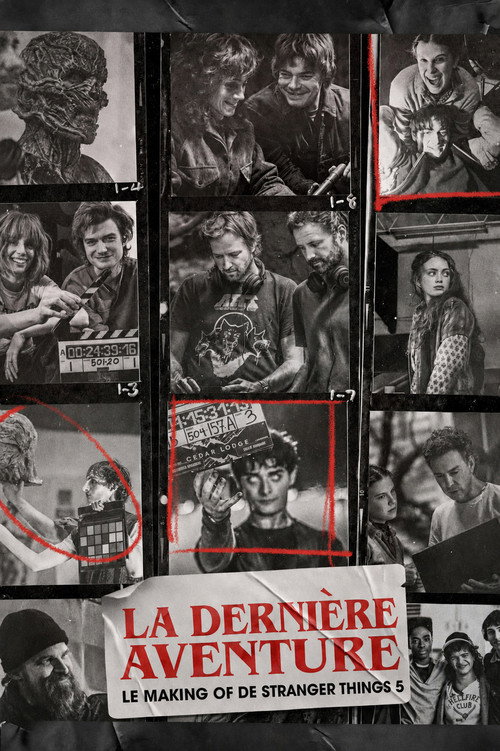
Découvrez les années d'efforts et de créativité qui se cachent derrière le dernier volet de la série phénomène des frères Duffer qui a marqué toute une génération.
La Dernière Aventure : Le making-of de Stranger Things 5

Shannon Whisnant a acheté un gril lors d'une vente aux enchères. Mais à l'intérieur du gril, il a trouvé une jambe amputée. Whisnant mène son enquête et retrouve John Wood, l'homme dont la jambe s'est retrouvée dans le gril à la suite d'une étrange suite d'événements.
Finders Keepers
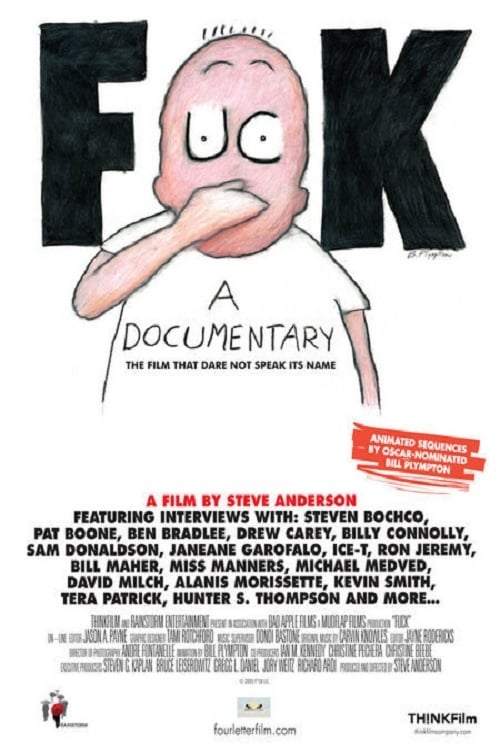
A documentary on the expletive's origin, why it offends some people so deeply, and what can be gained from its use.