Acting
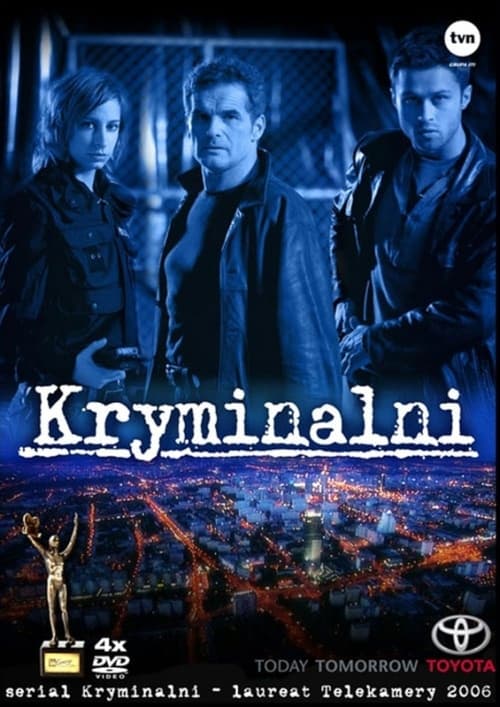
Kryminalni was a Polish crime drama television series that aired on TVN network from September 18, 2004 until May 24, 2008. It ran for 8 seasons and 101 episodes were broadcast in total. It was created by Polish director and screenwriter Piotr Wereśniak and produced by MTL Maxfilm studio. The series followed life and work of police officers from the elite Criminal Terror and Murders Division of the Warsaw Metropolitan Police; the title refers to police officers in the crime section. The three main characters were Adam Zawada, an experienced, tough cup, his younger colleague Marek Brodecki and Barbara Storosz, an ambitious female officer who in the first season joins the team just after graduating. Although none of the main actors had had star status before the series debuted, all three of them rose to prominence and popularity during the 5-year-long run. Many of Poland's best known actors guest starred, usually playing roles of people involved in just one particular investigation. The serial was one of the most popular in Poland: each week it had an audience of 4 million.
No description available.
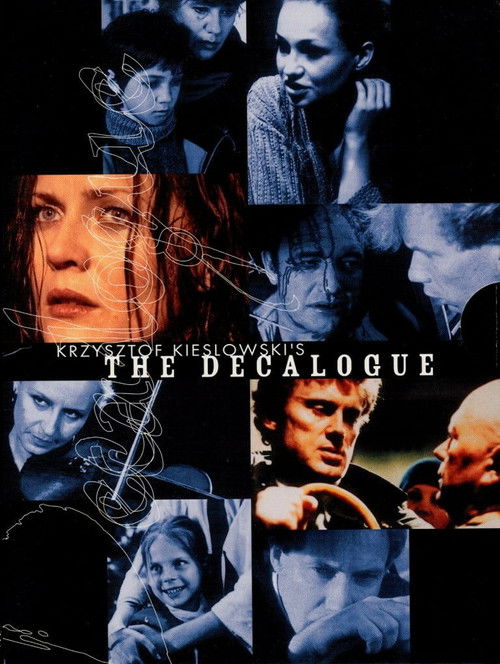
The Ten Commandments, exact and uncompromising, literally cast in stone, continues to provide a source of moral conflict in contemporary society. In the ten part collection of films, The Decalogue, Krzysztof Kieślowski examines the dilemma of fundamental sin in the lives of ordinary Warsaw citizens.
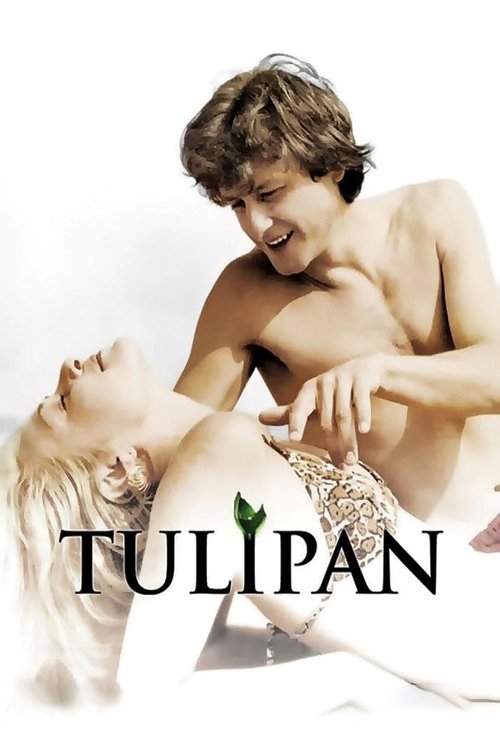
Michał, a mature man and father, is full of bitterness, regret, and longing for unfulfilled youthful dreams of true love. He reminisces about all his past lovers. With his first, Asia, he went on a seaside camping trip. He was 19 at the time, and she was two years younger. Despite his unambiguous advances, the girl resisted for a long time. Eventually, however, she gave in. For Michał, it was the proverbial pebble that caused an avalanche.
It is a bitter story about a middle-aged man, who hates his life and other people, including himself. Adam Miauczynski, the character known from director Marek Koterski's previous films, is a 49 year-old teacher, who reads poetry during school lessons and later goes home swearing and calling his neighbours' names. The worst pain for him is the next 5 minutes of living. He doesn't accept himself and even everyday contacts with others cause his aggression. Though constantly dreaming of a romantic love, he is not bold enough to make his dreams come true. The desperate Miauczynski personalizes our own fears and obsessions, which have become so visible recently.
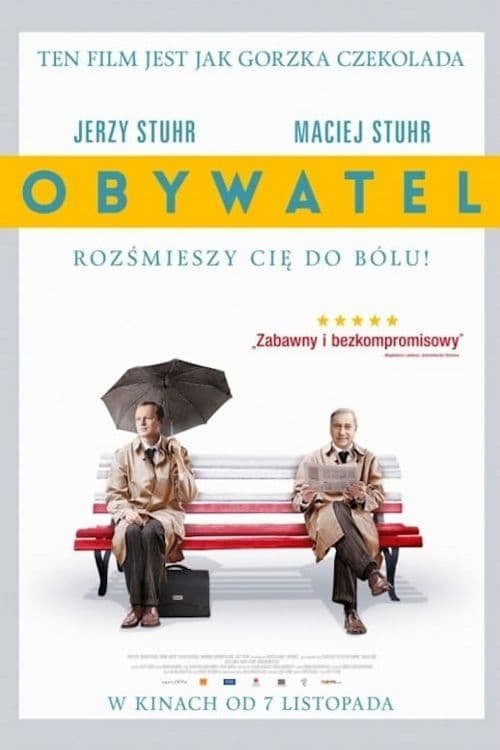
Jerzy and Artur’s father dies, leaving behind a valuable stamp collection, which, they discover, is coveted by dealers of varying degrees of shadiness. The more involved the brothers get in their father’s world, the more dire and comical their situation becomes.
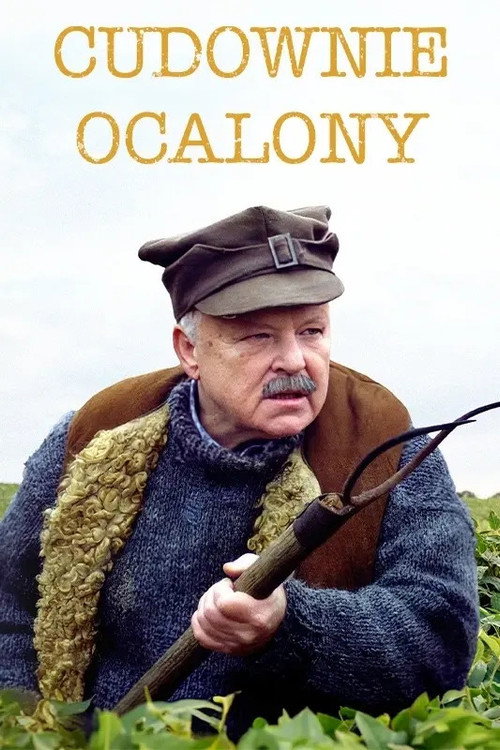
The 1960s in Masuria. Mikołaj Biesaga, seriously injured during the war, swore that if he survived, he would build a chapel to the Blessed Virgin Mary. Years passed, and the "miraculously saved" person did not keep his promise. Now feeling that it is probably time to die, he decides to fulfill his obligations.
Piotr is a psychiatrist. He is on night duty when a boy is brought to his ward. It is Kamil, the son he hasn't seen in years. The boy disappears from the hospital as quickly as he appeared. However, Piotr decides to get in touch with him. He invites him to his place and introduces him to his beautiful young fiancée. After Kamil's visit, the woman realizes that Piotr is a mystery to her and that she really knows nothing about him. And Piotr does indeed hide a dark secret...
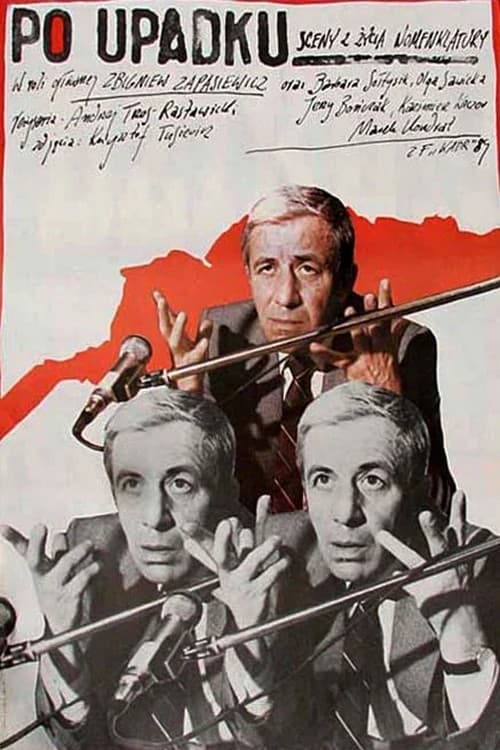
A story of high-ranking party members from the 1970s embroiled in political deception.
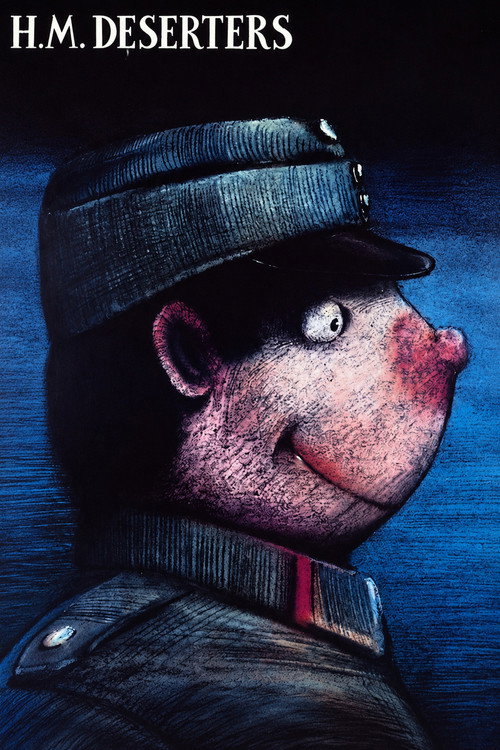
Set in 1918, this World War I drama follows a group of Austro-Hungarian soldiers—Czechs, Jews, Italians, and others—confined in a provincial barracks under German officers. Subjected to the cruelty of a sadistic lieutenant, they rebel, humiliate him, and later attempt escape. Disguised as guards for veterinary surgeons in Budapest, the deserters are eventually recaptured and returned for court-martial, forced once more to face their tormentor.
An attempt at depicting the life of a generation born and raised in communist Poland; a generation that lived through all the stages of that system and made it to democracy. Throughout his life, the film's protagonist has always tried to be active, but something always got in his way, either through an absurd coincidence, as a result of his own lack of ability, or due to the unpredictable nature of certain events in our recent history.
TV presenter Katarzyna has been a teetotaller for a year now. She attends regular AA meetings and even takes care of a novice there. Will she really manage to stay sober?
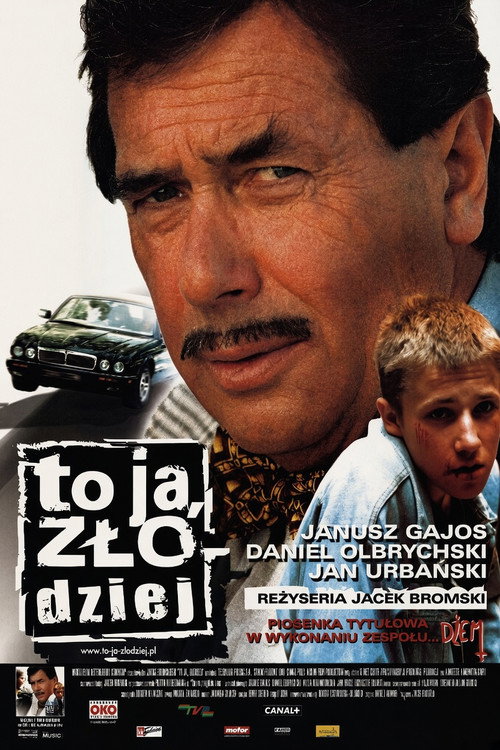
A teenager works in a car repair shop and makes a living from petty thefts. In order to impress the boss of a gang of car thieves, he decides to steal a jaguar. What’s more, he can realize his grandmother's dream – he can drive her to mass in the basilica.
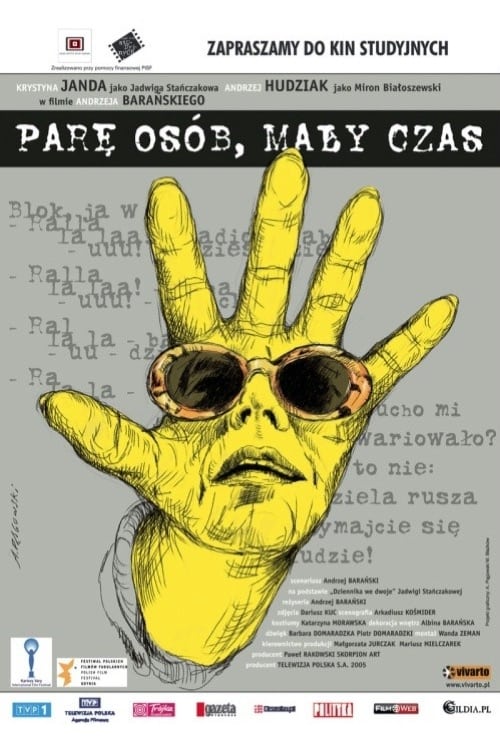
The unusual bond between a blind female writer and an acclaimed poet changes their lives and forms an exceptional creative cooperation, free of politics and the complexities of mundane life.
Adaś Miauczyński, a Polish intellectual, has severe alcohol problems which affect his relationship with his son Sylwek.
This film is a sequel to Munk's Zezowate Szczescie and it's much the same, only more so. The film begins in a cinema, where the last scenes of Zezowate Szczescie are being shown. Born unlucky, a victim of the errors and distortions of Stalinism, he is released in 1956. He meets a politically feverish woman, her influential parents, and finally becomes the father of her child. But bad luck, or perhaps an unlucky era, will not let him forget.
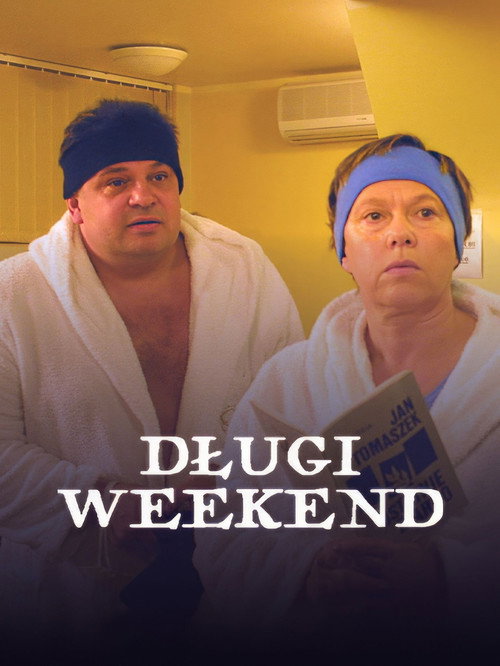
Bogdan and Marta take part in a TV show 'Blind Date' and eventually win a romantic stay at the luxurious hotel for the long May Day weekend. They seem to be so different, however, that they hardly stand each other.
A portrait of cabinet intrigues, the false aspirations of the party elite and the grinding reality of the 1960s, or "our little stability." Robert Meller and Janusz Dymek's documentary drama concerns the famous 1964 meat scandal, in which three death sentences were demanded and one was adjudicated and executed. The victim was Stanislaw Wawrzecki. Ostensibly, it was about fraud and bribes in the meat industry. In fact, it was about covering up the government's economic ineptitude, shortages of supplies and directing the people's anger at a few defendants.
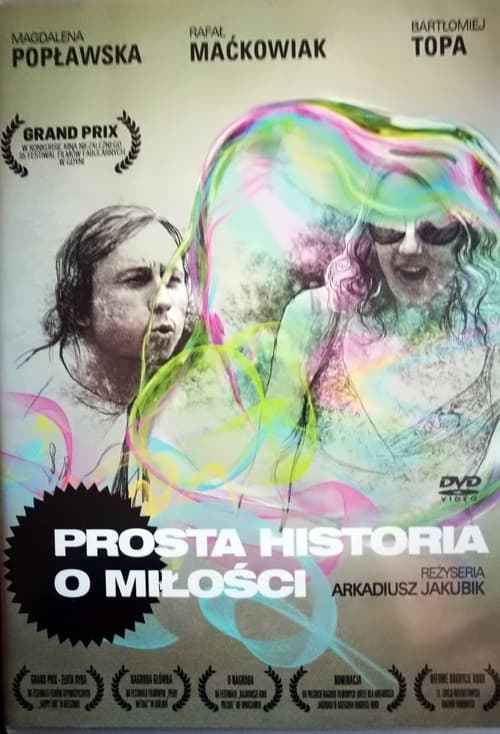
Arkadiusz Jakubik's directorial debut plays out on many levels. One of them is, as in the title, a simple love story. However, parallel to it and on the same footing is the reality of filmmaking.