
Synopsis
Vous aimerez aussi
L'histoire de Milada Horáková, une politicienne tchèque démocrate d'avant la Seconde Guerre mondiale, arrêtée et jugée par les nazis pendant la guerre, puis par le gouvernement communiste d'après-guerre pour son refus de cesser ses activités d'opposition et de quitter le pays.
Milada
Pendant la crise des missiles de Cuba, un génie des maths est réquisitionné pour une partie d'échecs opposant les États-Unis et l'URSS et un redoutable jeu d'espionnage.
The Coldest Game
Dans la Pologne d’après-guerre, le célèbre peintre Władysław Strzemiński, figure majeure de l’avant-garde, enseigne à l’École Nationale des Beaux Arts de Łódź . Il est considéré par ses étudiants comme le grand maître de la peinture moderne mais les autorités communistes ne partagent pas cet avis. Car, contrairement à la plupart des autres artistes, Strzemiński ne veut pas se conformer aux exigences du Parti et notamment à l’esthétique du « réalisme socialiste ». Expulsé de l'université, rayé du syndicat des artistes, il subit, malgré le soutien de ses étudiants, l’acharnement des autorités qui veulent le faire disparaître et détruire toutes ses oeuvres.
Les fleurs bleues

Tomasz Komenda was 23 years old when his normal life was brutally interrupted. Overnight he was arrested, thrown into prison and charged with murder. Subsequent expert opinions confirmed his participation in the crime, and any evidence was against him. For nearly two decades in prison, he was beaten, intimidated, humiliated and on his own. Finally, after 18 years of imprisonment, prosecutors and a policeman appeared on his way, who decided to discover the truth behind the mysterious case of the detainee.
25 Years of Innocence
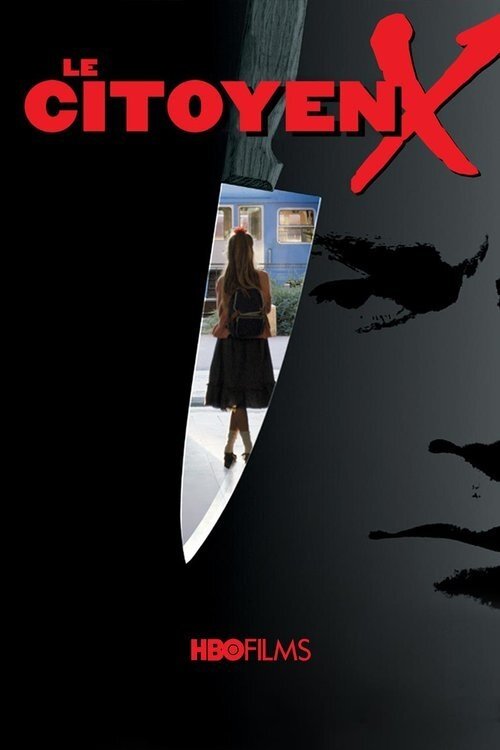
Fiction sur le parcours du tueur en série ukrainien Andreï Tchikatilo, reconnu coupable du meurtre de 52 femmes et enfants, et des efforts des forces de police russes pour l'appréhender.
Citizen X
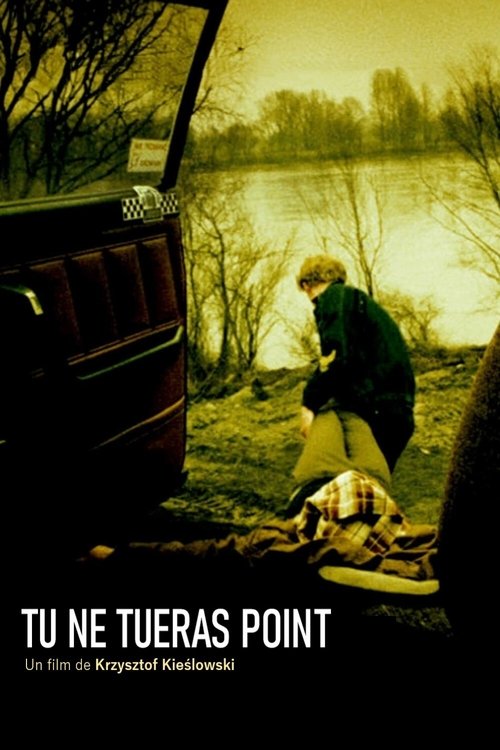
Yatzek, 20 ans, déambule, arrogant et maussade, dans les rues sombres de Varsovie. Ailleurs, un chauffeur de taxi nettoie méticuleusement son véhicule, tandis que dans le centre-ville un brillant élève juriste apprend sa réussite à l'examen du barreau. Ces trois destins vont se croiser...
Tu ne tueras point
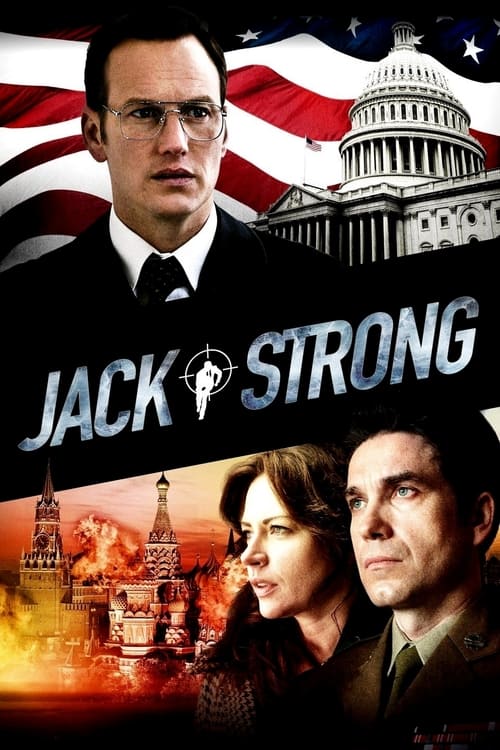
Décembre 1970. Sur la côte baltique, la grève ouvrière est brutalement stoppée par la démonstration de force de l'armée polonaise. L'officier Ryszard Kukliński, promis aux plus hautes fonctions, est profondément marqué par cette répression sanglante. Il supporte de plus en plus mal l'ingérence et les manières des soviétiques. Sa connaissance des plans d'une Troisième Guerre mondiale élaborés par l'URSS renforce encore son malaise. Au péril de sa vie et des siens, il contacte l'ennemi juré, les Etats-Unis…
Jack Strong
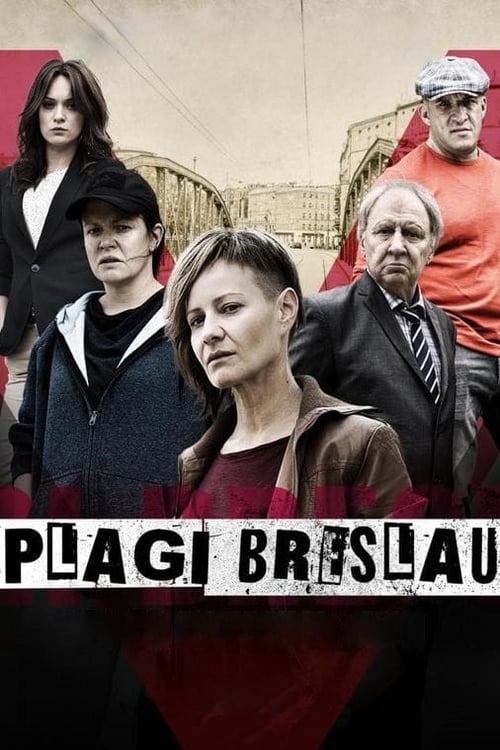
Après la découverte d'un cadavre cousu dans une peau de vache, une policière de Breslau enquête sur un tueur qui exécute ses victimes comme au 18e siècle.
Le Fléau de Breslau

Pendant l’été 1958, dans un quartier résidentiel paisible, deux jeunes soeurs récemment devenues orphelines ont été confiées à leur tante Ruth, une femme mentalement instable. Son sens pervers de la discipline va la mener à des actes innommables de violence et de torture envers l’une des deux soeurs alors jeune adolescente. Actes qui impliquent ses deux jeunes fils, des enfants du voisinage et un garçon de 12 ans dont la vie ne sera plus jamais le même. Basé sur des faits réels, The Girl next door est une adaptation du best-seller controversé de Jack Ketchum. L’enfer infligé à cette jeune fille dans la cave de cette maison d’apparence parfaite, est devenu l’un des crimes les plus choquants de l’histoire des États-Unis.
The Girl Next Door
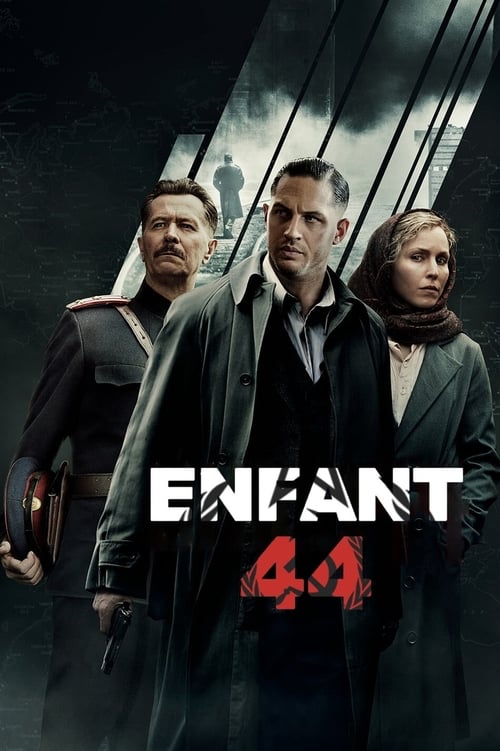
Hiver 1952, Moscou. Leo Demidov est un brillant agent de la police secrète soviétique, promis à un grand avenir au sein du Parti. Lorsque le corps d'un enfant est retrouvé sur une voie ferrée, il est chargé de classer l'affaire. Il s'agit d'un accident, Staline ayant décrété que le crime ne pouvait exister dans le parfait État communiste. Mais peu à peu, le doute s'installe dans l'esprit de Leo et il découvre que d'autres enfants ont été victimes « d'accidents » similaires. Tombé en disgrâce, soupçonné de trahison, Leo est contraint à l'exil avec sa femme, Raissa. Prenant tous les risques, Leo et Raissa vont se lancer dans la traque de ce tueur en série invisible, qui fera d'eux des ennemis du peuple...
Enfant 44
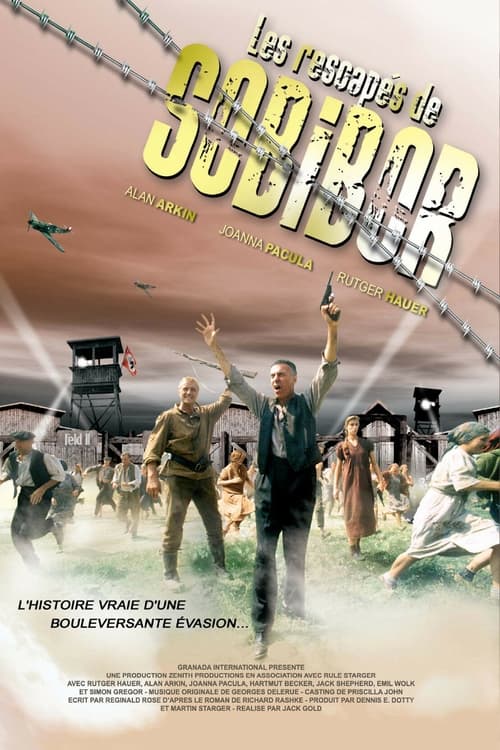
Shlomo et Moses sont déportés dans le camp de concentration de Sobibor. Alors que les nouveaux venus partent directement dans les chambres à gaz, eux sont mis de côté car ils sont orfèvres. En effet, ils fabriqueront des bijoux pour les nazis. Parallèlement, un déporté de longue date décide de s'allier avec un chef de soldats russes afin d'organiser une rebellion...
Les rescapés de Sobibor
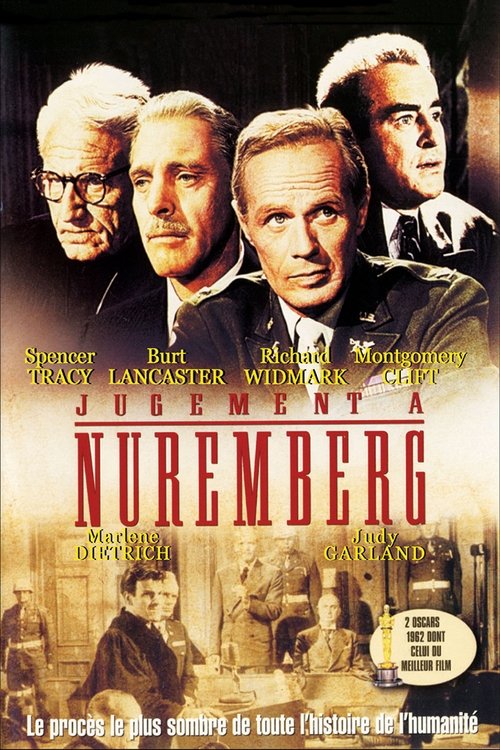
En 1948, le juge Haywood est envoyé à Nuremberg pour présider le procès de quatre magistrats allemands accusés de trop de complaisance à l'égard du régime Nazi. L'un d'eux, Janning, se renferme dans un silence méprisant et, en écartant les témoignages et les films sur les camps de concentration, dit qu'il n'a fait qu'appliquer la loi en vigueur...
Jugement à Nuremberg

Le journal américain The Evening Sun de Liberty dans le Kansas possède une antenne nommée The French Dispatch à Ennui-sur-Blasé, une ville française fictive évoquant Paris dans les années 1950-60. Arthur Howitzer Jr., le rédacteur en chef du French Dispatch, meurt subitement d'une crise cardiaque. Selon les souhaits exprimés dans son testament, la publication du journal est immédiatement suspendue après un dernier numéro d'adieu, dans lequel trois articles des éditions précédentes du journal sont republiés, ainsi qu'une nécrologie : Les trois articles traitent de Moses Rosenthaler, un détenu psychopathe qui se révèle être un grand artiste peintre, des évènements de Mai 68 et enfin d'une enquête gastronomique qui vire au polar.
The French Dispatch
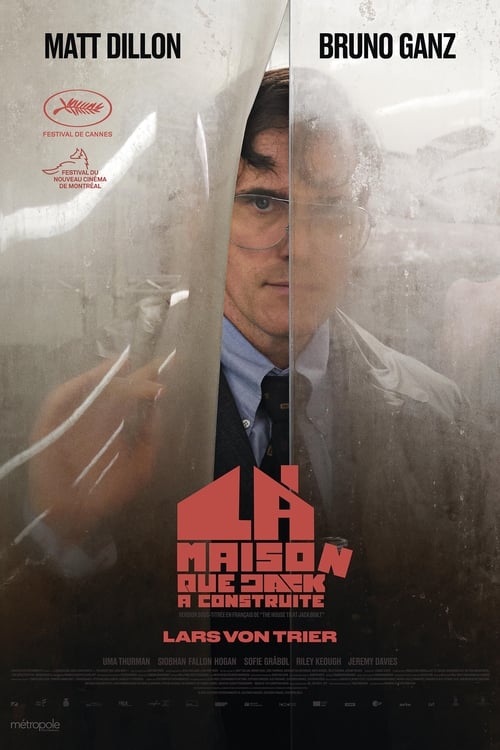
États-Unis, années 70. Nous suivons le très brillant Jack à travers cinq incidents et découvrons les meurtres qui vont marquer son parcours de tueur en série. L’histoire est vécue du point de vue de Jack. Il considère chaque meurtre comme une œuvre d’art en soi. Alors que l’ultime et inévitable intervention de la police ne cesse de se rapprocher (ce qui exaspère Jack et lui met la pression) il décide — contrairement à toute logique — de prendre de plus en plus de risques. Tout au long du film, nous découvrons les descriptions de Jack sur sa situation personnelle, ses problèmes et ses pensées à travers sa conversation avec un inconnu, Verge. Un mélange grotesque de sophismes, d’apitoiement presque enfantin sur soi et d'explications détaillées sur les manœuvres dangereuses et difficiles de Jack.
The House That Jack Built
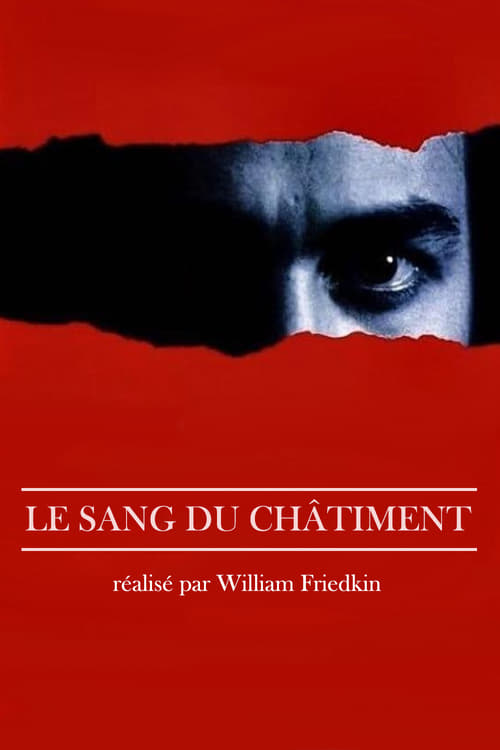
Charles Reece est arrêté après avoir commis plusieurs meurtres brutaux accompagnés d'actes de mutilation. Reece justifie ses actes par la nécessité de boire du sang pour se purifier. Le procureur Anthony Fraser est chargé de requérir la peine de mort contre Reece. Fraser, hanté par le souvenir de sa fille morte, est en proie à des doutes sur la validité de cette peine, d'autant que la défense soutient la thèse de l'irresponsabilité pénale. Reece est déclaré sain d'esprit et condamné, mais un nouvel examen médical par IRM le rend finalement irresponsable pour cause de maladie mentale. Enfermé, il met fin à ses jours par overdose médicamenteuse.
Le sang du châtiment
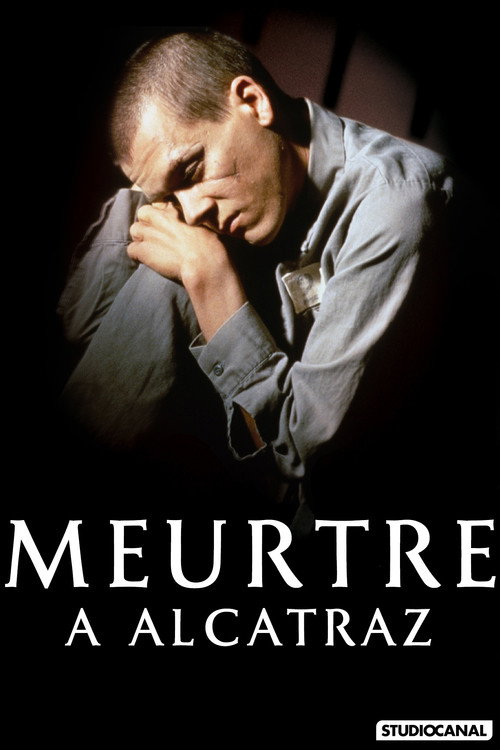
Henry, un petit délinquant, est envoyé à Alcatraz dans les années 30. Après une tentative d'évasion ratée, il est placé trois ans en cellule d'isolement, alors que le temps réglementaire y est de 19 jours maximum. Il en sort à moitié fou et décidé à se venger de celui qui l'a trahi.
Meurtre à Alcatraz
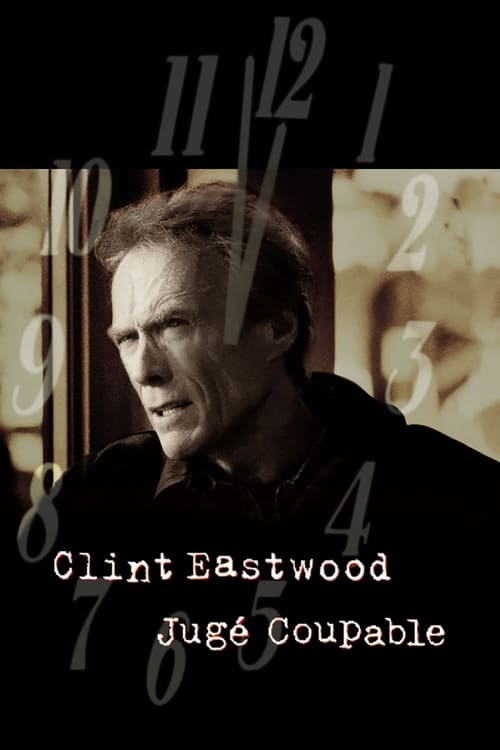
Cabochard, amateur de femmes et de boissons fortes, Steve Everett, grand reporter qui avoue son penchant immodéré pour les sujets chocs, finit par se faire licencier du "New York Times". Il échoue sur la côte Ouest à "l'Oakland Tribune". Là il est chargé de reprendre une enquête interrompue après la mort accidentelle d'une jeune collègue. Cette dernière était chargée de couvrir l'exécution d'un criminel noir, Frank Beechum, condamné pour le meurtre d'une caissière. Très vite, Everett a de sérieux doutes sur la culpabilité de Beechum, qui doit être exécuté à minuit.
Jugé coupable

Wenxiu est une jeune citadine dont le destin a basculé dès qu’elle a pris la route pour la campagne. Dans les régions pastorales désolées du Tibet, Wenxiu vit sous la tente du vieux Jin. Mais les événements prennent une tournure inattendue. Wenxiu, incapable de supporter la vie dans le désert, cherche à obtenir une place pour retourner en ville. C’est précisément pour cette place qu’elle se fie à tort aux promesses d’un agent commercial. Ce n’est qu’après avoir perdu sa virginité qu’elle se rend compte qu’il s’agit d’une supercherie. Pourtant, pour avoir une chance de retourner en ville, elle sacrifie son corps et devient l’objet des abus de tous.
Xiu Xiu

Varsovie, au mois d’octobre 1939. Un jeune pianiste juif, Wladyslaw Szpilman, est enfermé dans le ghetto avec sa famille. Il assiste, impuissant, aux humiliations que subissent quotidiennement les siens. Grâce à une aide extérieure, il échappe de justesse à la déportation mais voit partir toute sa famille. Le jeune homme se cache alors dans les maisons vides et observe passivement les derniers habitants se révolter contre l’occupation allemande. Après avoir réussi à s’échapper miraculeusement, il se terre dans des quartiers détruits et tente de survivre, ce qui s’avère de plus en plus dur. C’est alors qu’il rencontre un nazi mélomane…
Le Pianiste
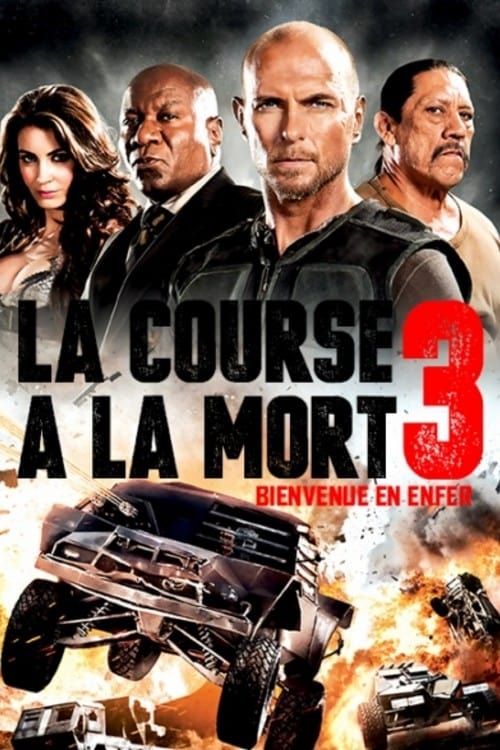
Le condamné Carl Lucas, alias Frankeinstein, est un pilote superstar dans une prison brutale connue sous le nom de Death Race. Lucas est plongé dans une compétition toute nouvelle pour lui et terrible par rapport à tout ce qu’il avait vécu auparavant, mais il ne lui reste plus qu’une seule course à remporter pour recouvrer sa liberté. Bien qu’il ait des adversaires redoutables et impitoyables, Lucas se bat pour que son équipe reste en vie et pour lui-même, dans une course en Afrique, dans le désert infernal du Kalahari.