Hideko Takamine
Acting
Biography
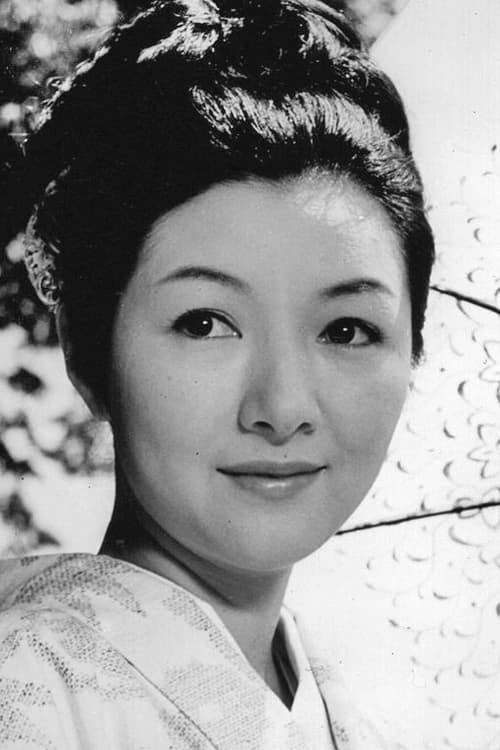
Hideko Takamine (高峰 秀子, Takamine Hideko, March 27, 1924 – December 28, 2010) was a Japanese actress who began as a child actress and maintained her fame in a career that spanned 50 years. She is particularly known for her collaborations with directors Mikio Naruse and Keisuke Kinoshita, with Twenty-Four Eyes (1954) and Floating Clouds (1955) being among her most noted films. Takamine was born in Hakodate, Hokkaidō, in 1924. At the age of four, following the death of her mother, she was placed in the care of her aunt in Tokyo. Her first role was in the Shochiku studio's 1929 film Mother (Haha), which brought her tremendous popularity as a child actor. She toured as a singer to entertain Japanese troops and, after the war, sang for American occupation troops in Tokyo. In 1950, she left Shintoho and became a freelance actress. She was especially favoured as leading actress by Naruse, appearing in 17 of his films between 1941 and 1966, which are considered "some of her finest performances." She married writer-director Zenzo Matsuyama in 1955, but continued her acting career, stating that she wanted to "create a new style of wife who has a job". After retiring as an actress in 1979, she published her autobiography and several essay collections. She died of lung cancer on 28 December 2010 at the age of 86.
Known For

The Ed Sullivan Show is an American TV variety show that originally ran on CBS from Sunday June 20, 1948 to Sunday June 6, 1971, and was hosted by New York entertainment columnist Ed Sullivan. It was replaced in September 1971 by the CBS Sunday Night Movie, which ran only one season and was eventually replaced by other shows. In 2002, The Ed Sullivan Show was ranked #15 on TV Guide's 50 Greatest TV Shows of All Time.
The Ed Sullivan Show

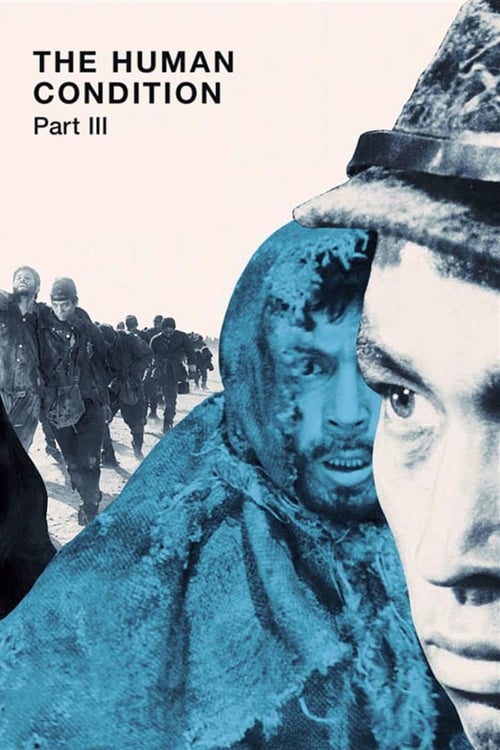
After the Japanese defeat to the Russians, Kaji leads the last remaining men through Manchuria. Intent on returning to his old life, he faces great odds in a variety of different harrowing circumstances as he and his men sneak behind enemy lines.
The Human Condition III: A Soldier's Prayer

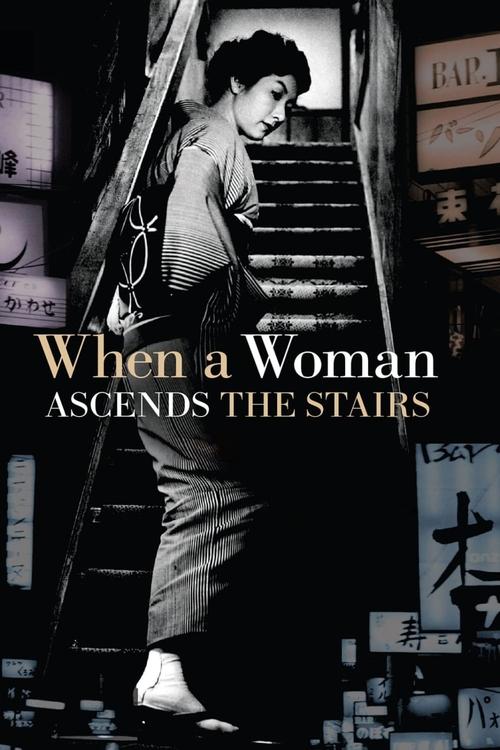
Keiko, whom everyone calls Mama, narrates her story: she's a hostess on the Ginza, 30, a widow. She describes life's vicious cycle: acting cheerful around drunks, dressing and living well to convey confidence, needing money for these expenses and for her demanding mother and brother, and knowing she's growing older.
When a Woman Ascends the Stairs

A woman marries, gives birth to a stillborn child, and divorces, falls in love with a hotel-keeper, only to find herself subordinated to his drive for success, takes up with a tailor who cannot console himself with her strong personality.
Untamed Woman

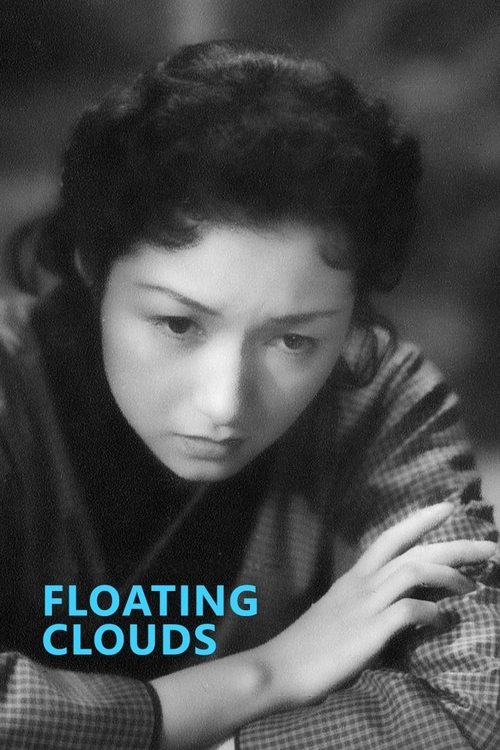
A married Japanese forester during WWII is sent to Indochina to manage forests. He meets a young Japanese typist and promises to leave his wife. He doesn't and after the war, she turns up and the affair resumes.
Floating Clouds

A poor rickshaw driver finds himself helping a young woman and her son after the woman's husband dies suddenly.
The Rickshaw Man

The real mother of the two children of a respectable university professor is not his wife, but his mistress, the hostess of a Ginza bar the family frequents.
The Other Woman

A student at a woman's university takes a controversial action against the school's old-fashioned doctrines.
The Garden of Women

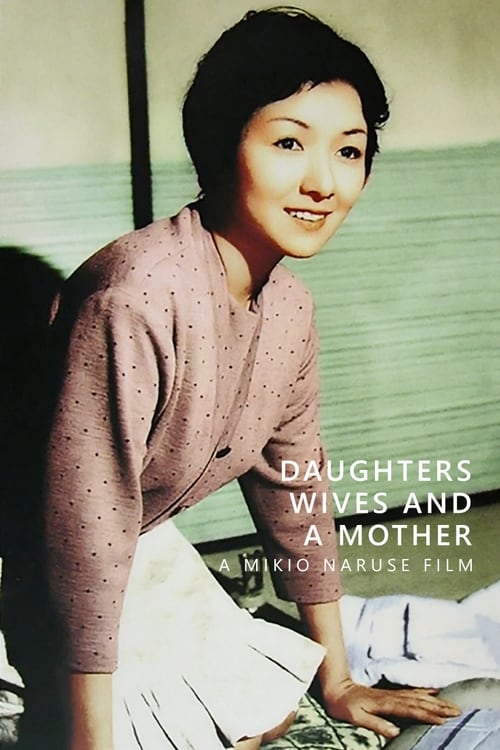
Sanae is left a widow after her prestigious husband dies, but holds the proceeds of a million yen insurance policy. Being childless, her former in-laws have no objection to her return to her own family.
Daughters, Wives and a Mother

A young woman tries to raise money to open her own coffee shop. She arranges a loan when her rigid family won't help and then her husband becomes jealous of the loan officer.
A Wife's Heart

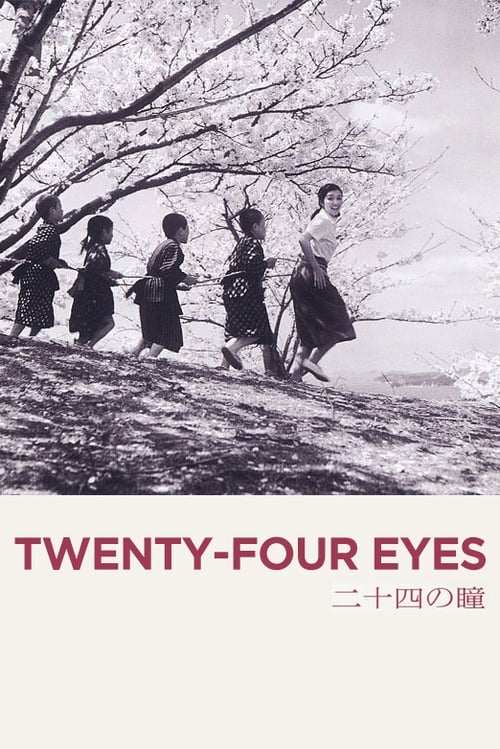
From 1928 to 1946, the lives of 12 young people and their school teacher in a poor Japanese village are profoundly affected by historical events and personal circumstances.
Twenty-Four Eyes

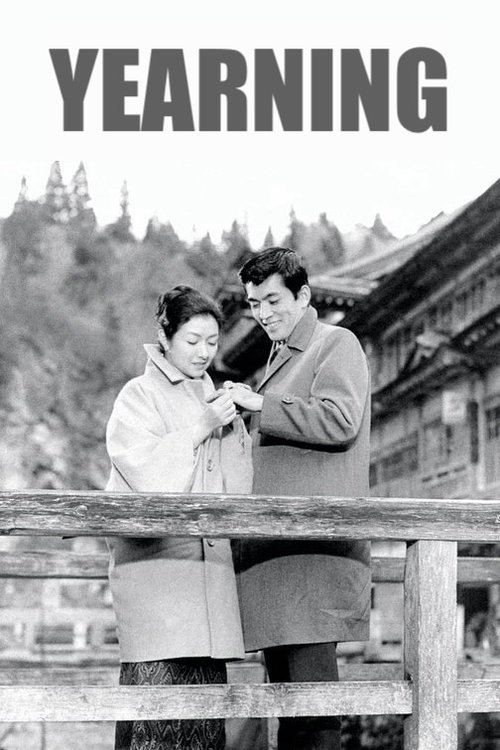
War widow Reiko rebuilds and runs the grocery shop in the house of her husband's family. Many years later, their business is threatened by a newly built supermarket and Reiko's in-laws plan to convert their small shop into a supermarket, to her detriment.
Yearning

In postwar Japan, two sisters—a film studio script girl and a revue dancer—become swept up in the growing labor movement when workers around them strike for better conditions. As their conservative father opposes their activism, his own dismissal forces him to confront the realities of class struggle and join their fight for a fairer future. Now considered a lost film, Those Who Make Tomorrow was produced by Toho to promote unionization during Japan’s Allied Occupation.
Those Who Make Tomorrow

A man whose son has been murdered pushes to create laws to financially protect victims' families.
Oh, My Son!

The disturbing story of a physician who conducted the first operation with general anaesthetic, and the women in his life who are both so determined to win his love that they volunteer as subjects for his experiments
The Wife of Seishu Hanaoka

Otsuta is running the geisha house Tsuta in Tokyo. Her business is heavily in debt. Her daughter Katsuyo doesn't see any future in her mother's trade in the late days of Geisha. But Otsuta will not give up. This film portraits the day time life of geisha when not entertaining customers.
Flowing

The three-hour Ai yo jinrui to tomo ni are / Love, Be with Humanity (1931) starts as a satire of alienation in the world of money, develops into a lumberland epic with a forest fire on Sakhalin Island, turns into a tragedy of King Lear dimensions, and manages to amaze the blasé audience with a happy end in the Wild West.
Love, Be with Humanity: Part 2

The story of Yoshinaka during the tumultuous period of warring related to us in the Heike Monogatari. Close in setting to Kinugasa’s famous Gate of Hell (1953).
Three Women Around Yoshinaka

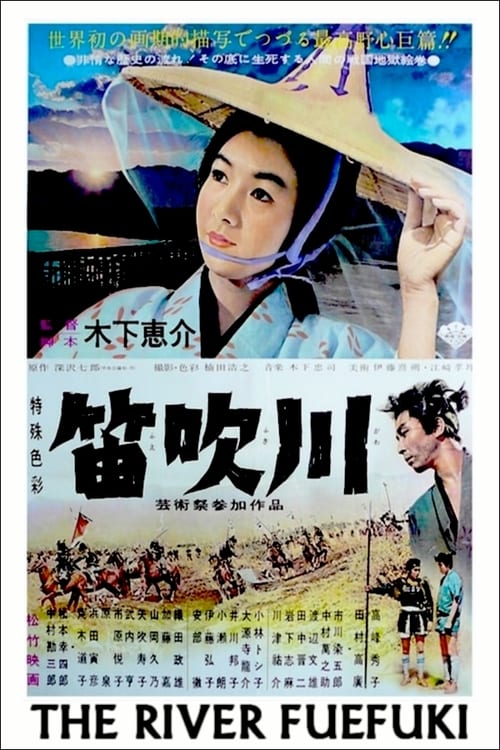
In a time of continuous civil wars ravaging the fields of feudal Japan, the eldest son of a very poor peasant family, living alongside the bridge over the Fuefuki river, decides to serve a warlord to escape his miserable condition, being soon followed by his younger brothers. Although not all the men of the family take this tragic path of death, women of the family will be doomed to endure the pain of loss during the next five generations.
The River Fuefuki

Setsuko is in an unhappy marriage to Mimura, an unemployed, alcoholic engineer. She had always been in love with Hiroshi but both failed to propose when Hiroshi left for France a few years ago. But now he's back and Mariko tries to reunite them, although she too is secretly in love with Hiroshi.