Shin Saburi
Acting
Biography
From Wikipedia, the free encyclopedia. Shin Saburi (佐分利 信, Saburi Shin; February 12, 1909 in Hokkaidō, Japan – September 22, 1982) was a Japanese film actor noted for his leading roles in a number of films by the director Yasujiro Ozu including Brothers and Sisters of the Toda Family (1941), Tea Over Rice (1952), Equinox Flower (1958) and Late Autumn (1960). Description above from the Wikipedia article Shin Saburi, licensed under CC-BY-SA, full list of contributors on Wikipedia.
Known For

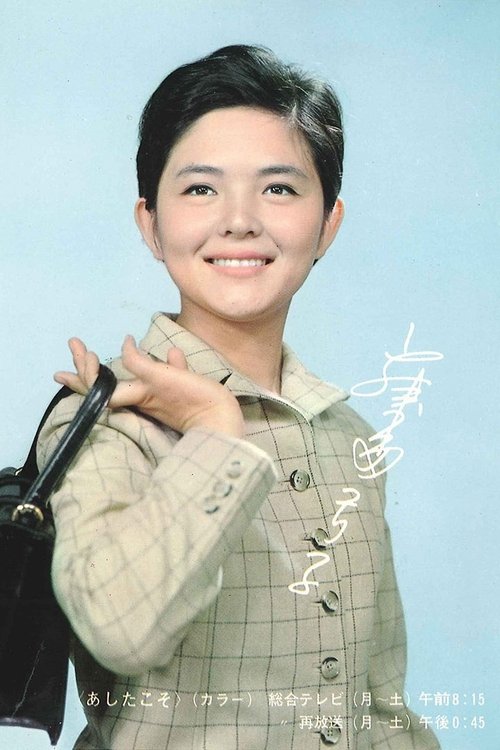
The 8th NHK Asadora. Starring Yumiko Fujita in a family drama. The first Asadora filmed in color.
Ashita Koso
The 3rd NHK Asadora. Starring Shin Saburi as a professor who quits the university to become a painter.
Akatsuki

Kuniko Mukōda's masterpiece, a poignant and subtle portrait of the jealousy and suspicion that secretly swirl behind seemingly peaceful family relationships.
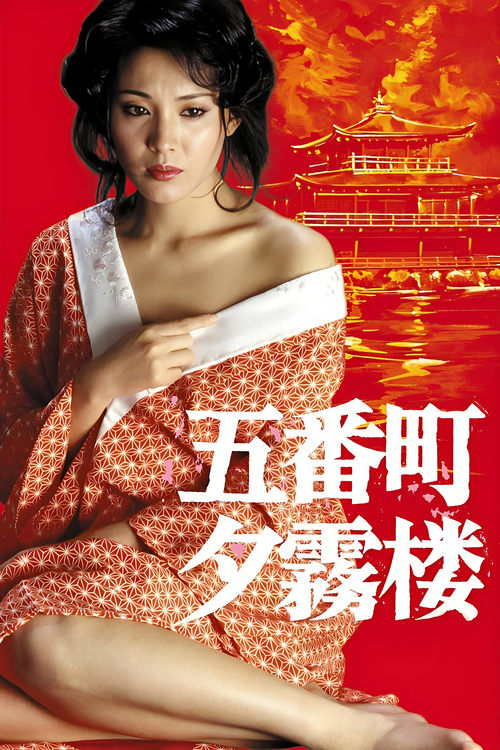
Ashura no Gotoku

A tragic love story between a prostitute and a young trainee monk.
May Love Be Restored

The arranged marriage between a capricious woman from Tokyo high society and a quiet rustic man is tested by a marital crisis.
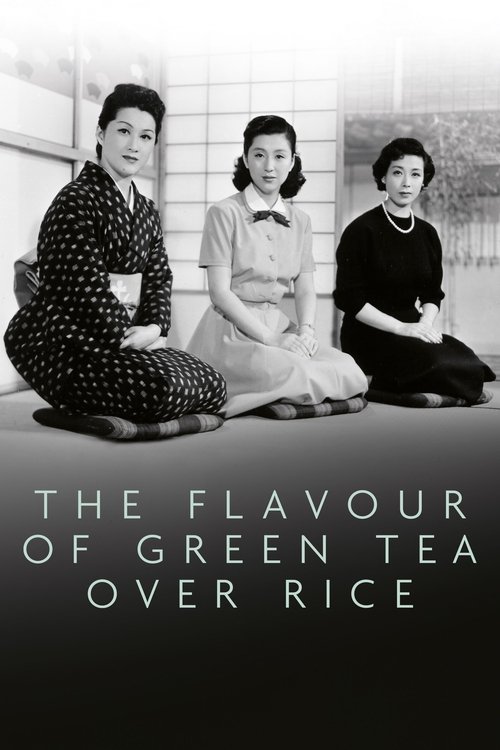
The Flavor of Green Tea Over Rice

A woman and her daughter are each forced to contend with an increasing pressure to marry, particularly from three men who knew her late husband.
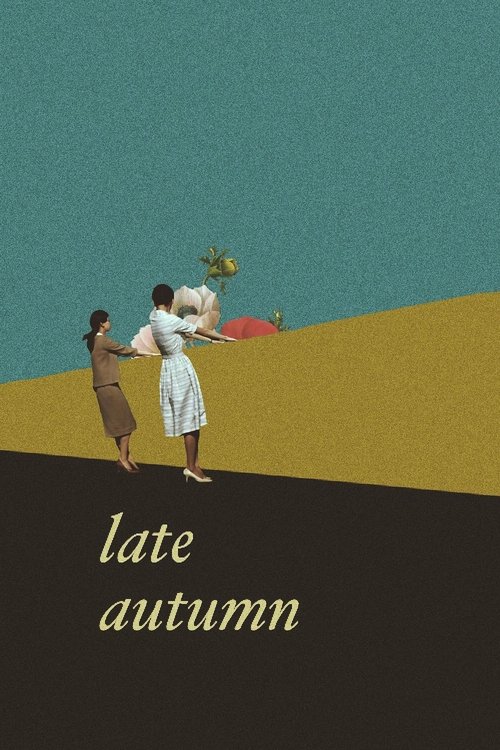
Late Autumn

Wataru's outwardly liberal views on marriage are severely tested when his daughter declares her love for a coworker and is adamant to live her own way, instead of agreeing to an arranged marriage. Outwitted by his female relatives, Hirayama stubbornly refuses to admit defeat.
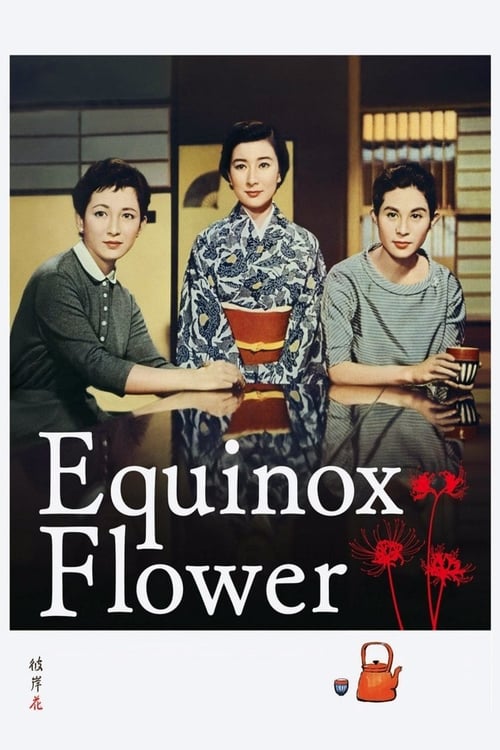
Equinox Flower

A yakuza leader must balance his violent tactics necessary for the rough streets of 1960s Tokyo with the domestic needs of his daughters.
Japan's Don

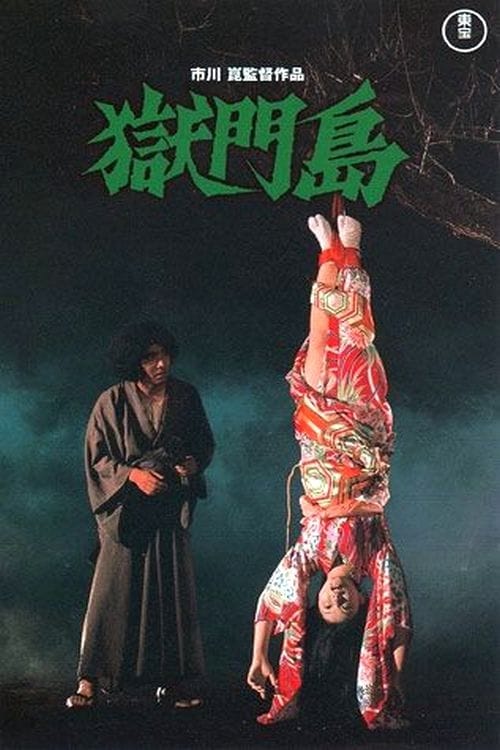
A scruffy detective investigates the murders of three sisters on a small Japanese island in 1946.
Island of Hell

Taking the Chilean coup as an example, a group of young officers plan to overthrow the Japanese government on V-J Day. They aim to abolish the post-war constitution, restore the national army and revive the traditional spirit of Japan. As the conspiracy is exposed, the coup squadrons are wiped out one by one. The remaining squadron takes over a night train bound for Tokyo.
August Without Emperor

Two detectives are tasked to investigate the murder of an old man, found bludgeoned to death in a Tokyo rail yard.
The Castle of Sand

Political fixer Homei Yamaoka's misdeeds come to light, throwing Japanese politics into deadly confusion. But he's not going down without a fight.
The Fixer

A botanist woos the secretary of an industrialist whose company threatens the local water supply.
Fountainhead

Though plagued by ill health all his life, a young Japanese man is obligated to fulfill his family's longstanding military tradition.
Army

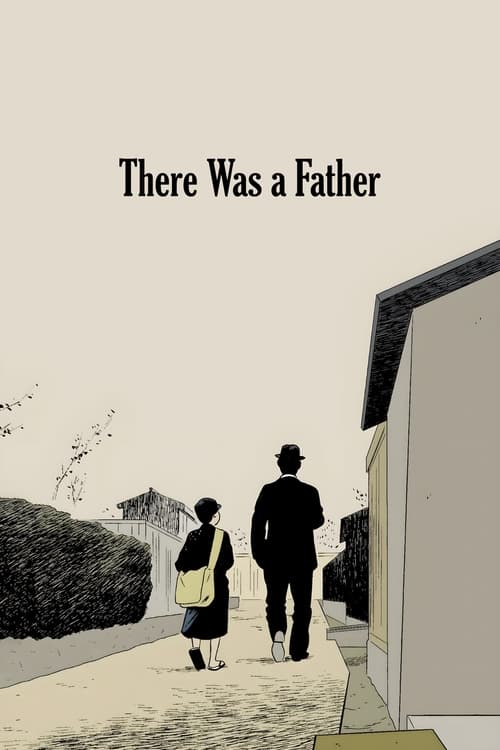
Shuhei Horikawa, a poor schoolteacher, struggles to raise his son Ryohei by himself, despite neither money nor prospects.
There Was a Father

The body of Sakai Hatsuko, a woman of 23 who has been slain with a knife, has been found in a forest. Some days later, Ueda Hiroshi, a 19-year-old shipyard worker, is arrested and charged with the murder. At Ueda's trial, a complex story unfolds.
The Incident

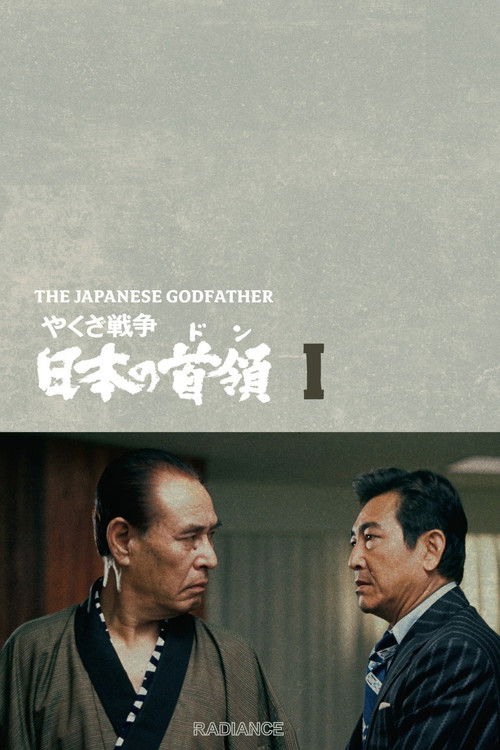
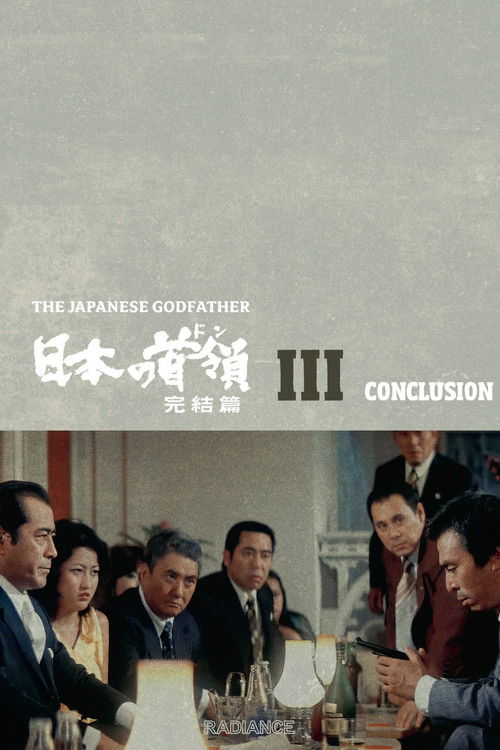
The three-film saga comes to a conclusion as three leaders of the underworld battle it out to determine who will become Don of Japan.
Japanese Godfather: Conclusion

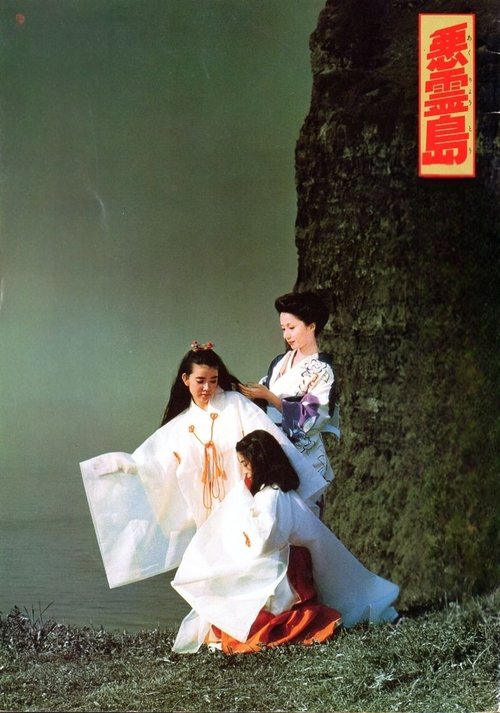
Famous detective Kosuke Kindaichi follows a dying man's words to an enigmatic island, where he meets beautiful twin sisters and tragic events unfold.
Island of the Evil Spirits

Set in the post-World War II climate of the 1960s in Kobe, the movie explores the struggle for power within the powerful Manpyo family.
The Family

Admiral Isoroku Yamamoto leads the Combined Fleet of the Imperial Japanese Navy to defeat the American Fleet.