Greg McCleary
Sound
Known For
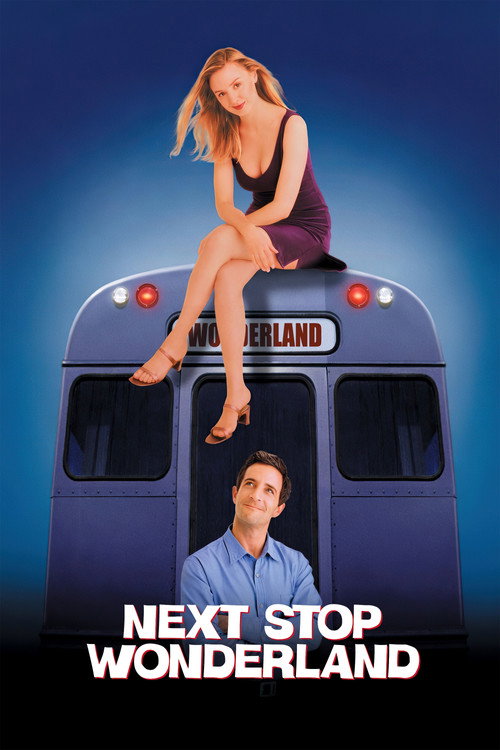
Dumped by her loser boyfriend, Erin's love life hits rock bottom when her overbearing mother places an embarrassing ad in the "personals" section of a local newspaper on her behalf. Erin's disgust turns to curiosity as she searches for the right guy in a hilarious series of disastrous dates. Meanwhile, a lonely ex-plumber named Alan clumsily searches for his dream job while narrowly missing one chance meeting with Erin after another.
Next Stop Wonderland

After connecting with the shy Madeline, a jazz trumpeter embarks on a quest for a more gregarious paramour, but through a series of twists and turns punctuated by an original score, the two lovers seem destined to be together.
Guy and Madeline on a Park Bench
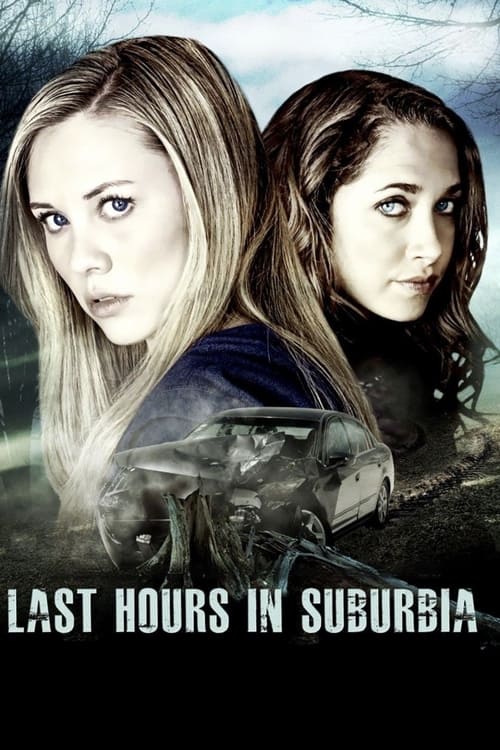
When Grace is accused of playing a role in a deadly accident, her best friend reaches out from beyond the grave to unveil the truth behind what happened.
Last Hours in Suburbia

To keep the family home from being sold, four very modern March sisters tackle home improvement on their own. But their romantic entanglements involving the boy next door, an old flame and a new acquaintance become a distraction.
The March Sisters at Christmas

We’ve all heard of the Warsaw Ghetto Uprising, but most people have no idea how widespread and prevalent Jewish resistance to Nazi barbarism was. Instead, it’s widely believed “Jews went to their deaths like sheep to the slaughter.” Filmed in Poland, Lithuania, Latvia, Israel, and the U.S., Resistance – They Fought Back provides a much-needed corrective to this myth of Jewish passivity. There were uprisings in ghettos large and small, rebellions in death camps, and thousands of Jews fought Nazis in the forests. Everywhere in Eastern Europe, Jews waged campaigns of non-violent resistance against the Nazis.
Resistance: They Fought Back
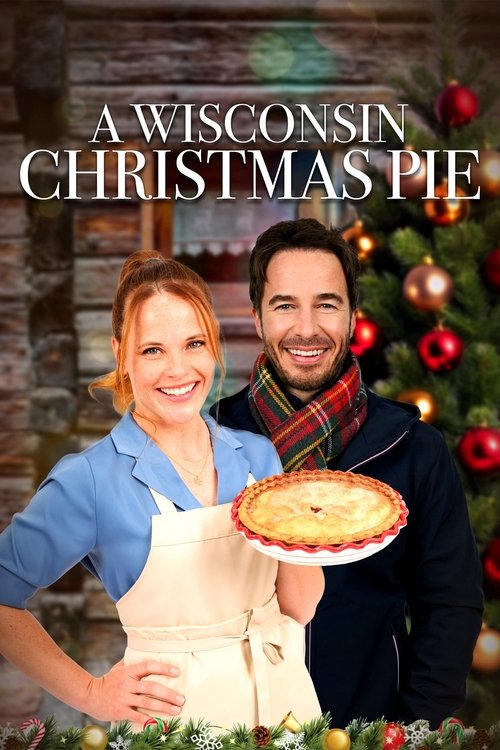
An ambitious pastry chef returns to her small-town roots in Door County, WI, and, over the holidays, needs to decide between her career dreams and her family’s struggling orchard business.
A Wisconsin Christmas Pie
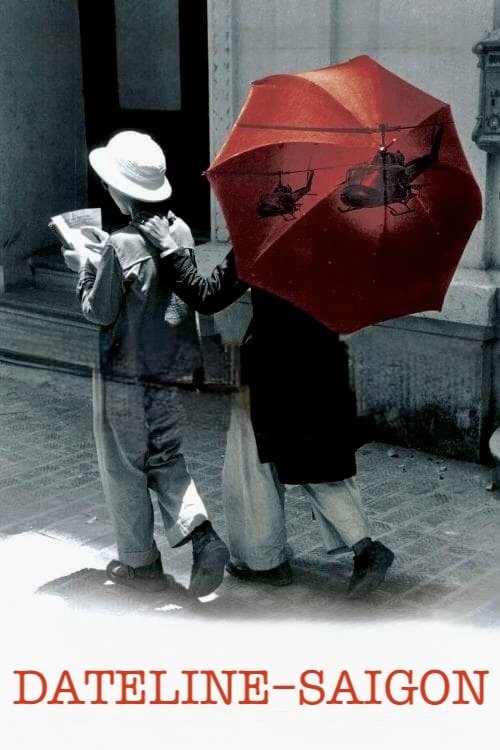
How does a nation slip into war? Dateline-Saigon profiles the controversial reporting of five Pulitzer Prize-winning journalists -The New York Times' David Halberstam, the Associated Press' Malcolm Browne, Peter Arnett, and legendary photojournalist Horst Faas, and UPI's Neil Sheehan -- during the early years of the Vietnam War as President John F. Kennedy is secretly committing US troops to what is initially dismissed by some as 'a nice little war in a land of tigers and elephants.' 'When the government is telling the truth, reporters become a relatively unimportant conduit to what is happening,' Halberstam tells us. 'But when the government doesn't tell the truth, begins to twist the truth, hide the truth, then the journalist becomes involuntarily infinitely more important.'
Dateline: Saigon
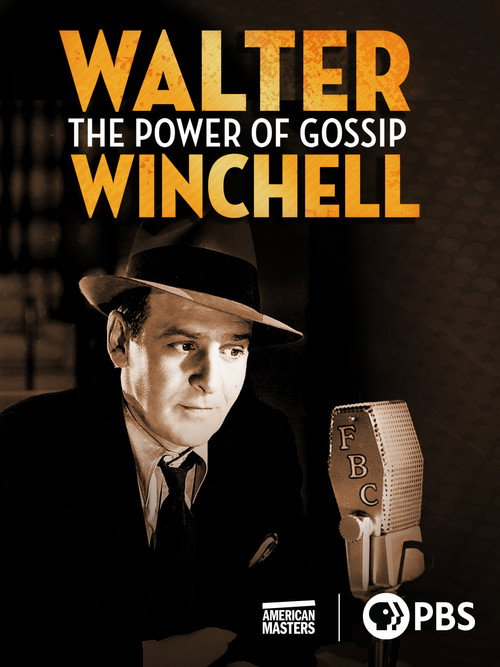
The life and times of radio commentator and syndicated newspaper gossip columnist Walter Winchell, who reached an audience of 50 million at his peak.
Walter Winchell: The Power of Gossip
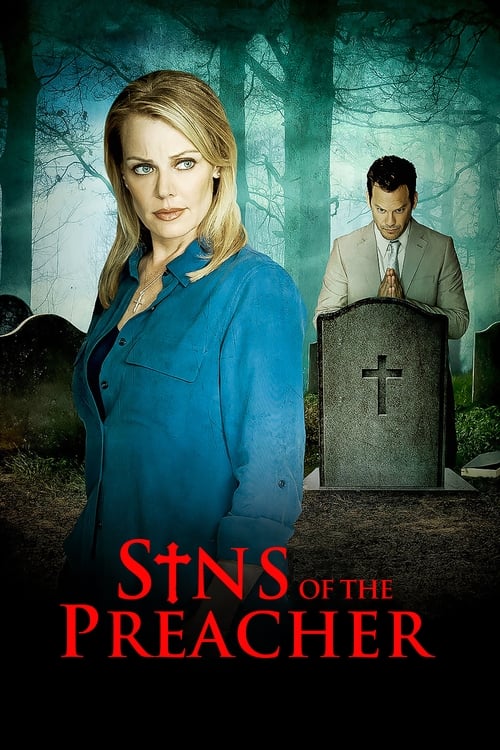
After the apparent suicide of her daughter, a woman tries to prove that her son-in-law killed her.
Sins of the Preacher
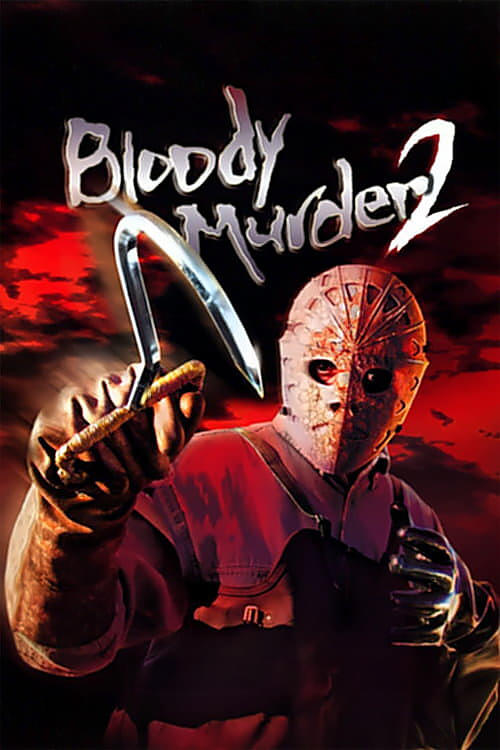
Coming to Placid Pines is difficult for Tracy, who's brother, Jason, was one of Trevor's victims near the end of the original. When Tracy's nightmares begin to come true as one by one the counselors are murdered. Someone is hunting them through the pitch-black Forest and is determined to kill them all. Could Trevor Moorhouse be back?!
Bloody Murder 2: Closing Camp
A young filmmaker living in Boston's Italian district, the North End, wants to make a film about the neighborhood. He needs the blessing of a local celebrity, famous for playing gangsters in movies.
The North End
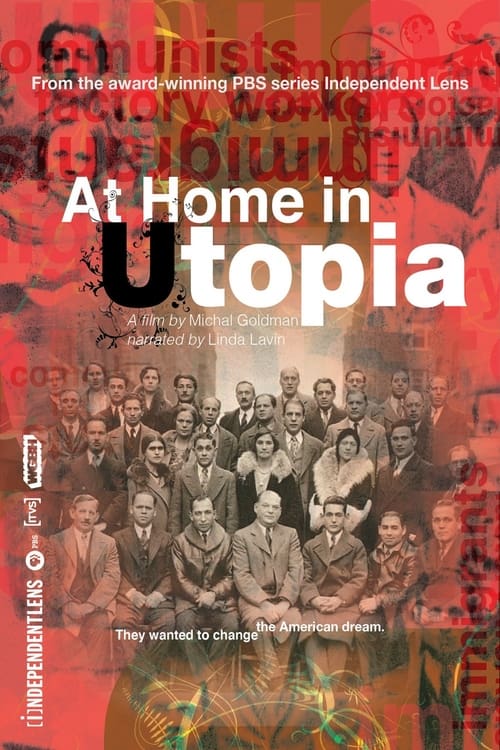
During the economic boom of the 1920s, thousands of immigrant Jewish factory workers managed to build the house of their dreams, a cooperative apartment complex at the edge of Bronx Park. Then they were hit by the Great Depression. At Home in Utopia bears witness to an epic social experiment across two generations in the Coops - a place known as "little Moscow" - where people tried to change the American dream into one that included racial justice and workers' rights.
At Home in Utopia

16-year-old Iris finds out she has a 60% chance of dying; she’s gotta live it up. Chasing a wild bucket-list, she makes unexpected discoveries along the way.
How I Learned to Die
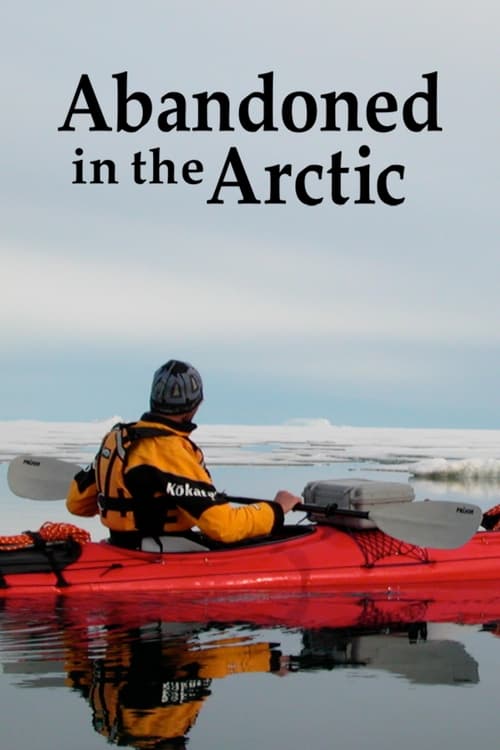
A team of scientists, field guides and a descendant of U.S. polar explorer Adolphus Greely set out to retrace the 1881 Lady Franklin Bay Expedition’s perilous attempt to build a scientific research station on Ellesmere Island near the North Pole. Chronicle their modern-day journey by kayak with a historical retelling of the Greely expedition through diary entries, letters and archival photographs.
Abandoned in the Arctic
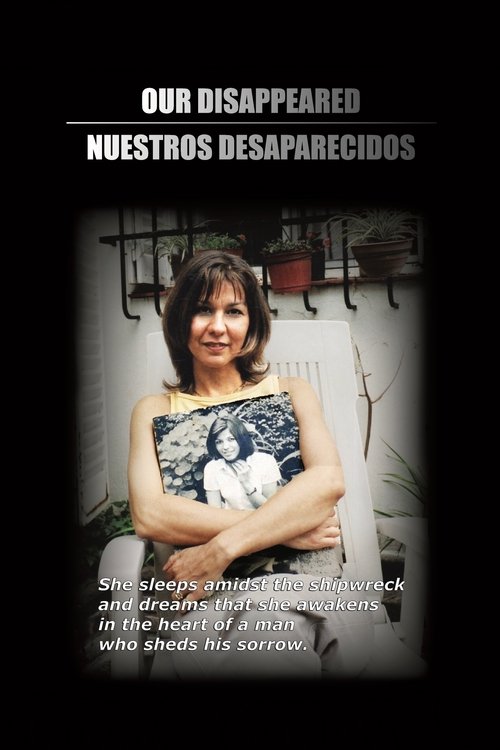
After learning that Patricia, a long-lost girlfriend, is among the desaparecidos, a filmmaker returns to his native Argentina to find out what happened to her and others he knew who mysteriously vanished during the 1976-1983 military dictatorship.
Our Disappeared
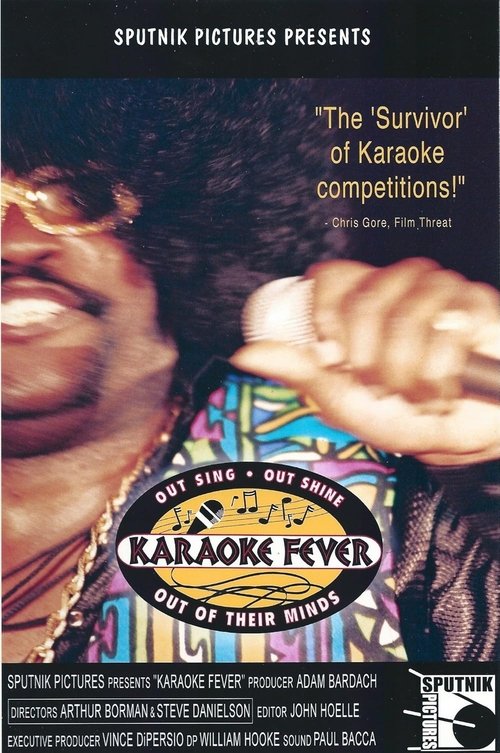
Some people sing in the shower and have dreams of being the next Barbara Streisand, Phantom of the Opera, or Blues Brother. Forget Star Search when there is Karaoke Fever. Shot in verité style, Karaoke Fever follows contestants from preliminary events through the finals of California’s biggest karaoke contest, Karaoke Fest. Participants sing their way to money, fame and a chance at a recording contract. As the Ambassador of Karaoke puts it, “This is the Academy Awards and the Miss America contest for karaoke singers.” Combined with personal interviews and contest footage discover the meaning karaoke has brought to contestants’ lives, the friendships forged, the rivalries built and the deep disappointments felt. This is competitive spirit at its most raw and vulnerable. One can’t stop watching until the emcee calls “And the winner is….”
Karaoke Fever
In 1981, two Massachusetts College of Art students, Sean J. Eunson and Greg McCleary, were given access to a pile of discarded 16mm film footage from an out of production international documentary series. Inspired by their film teacher Dan Barnett’s film White Heart, what began as a classroom exercise in editing, became a three-year exploration in non-narrative filmmaking.