


Vous aimerez aussi

En 1945, le cinéaste Alfred Hitchcock est engagé pour superviser le montage d'un documentaire produit par l'armée britannique sur la libération des camps de concentration nazis. Un film qui était destiné à montrer au peuple allemand les atrocités qui avaient été commises en son nom par les nazis. Une fois le film terminé, celui-ci fut cependant enterré pour des raisons politiques et jamais diffusé. Il fut alors simplement déposé à l'Imperial War Museum, à Londres, où dans les années 1980, les pellicules y ont été redécouvertes par un chercheur américain. Le film a fait l'objet d'une restauration complète respectant les choix du cinéaste. "Night Will Fall" retrace l’histoire de ce film pas fini, qui était connue longtemps sous le nom "The missing Hitchcock"...
Images de la libération des camps. Chronique d’un film inachevé
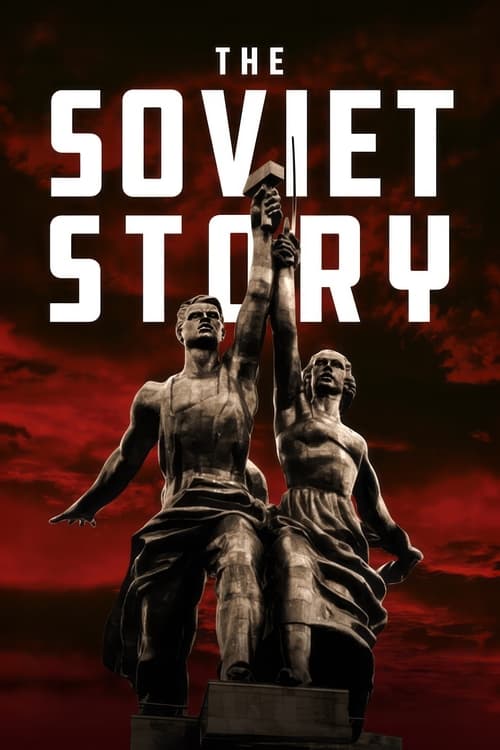
“The Soviet Story” is a story of an Allied power, which helped the Nazis to fight Jews and which slaughtered its own people on an industrial scale. Assisted by the West, this power triumphed on May 9th, 1945. Its crimes were made taboo, and the complete story of Europe’s most murderous regime has never been told. Until now...
The Soviet Story
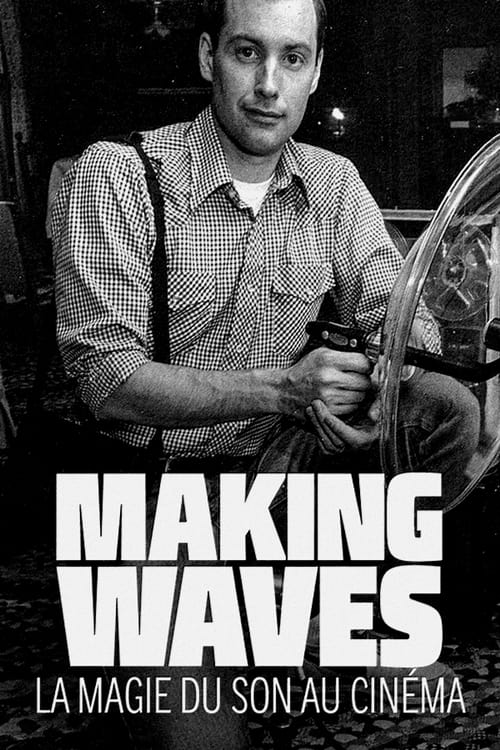
L'histoire du son au cinéma, racontée par des concepteurs sonores légendaires et des cinéastes visionnaires.
Making waves : la magie du son au cinéma
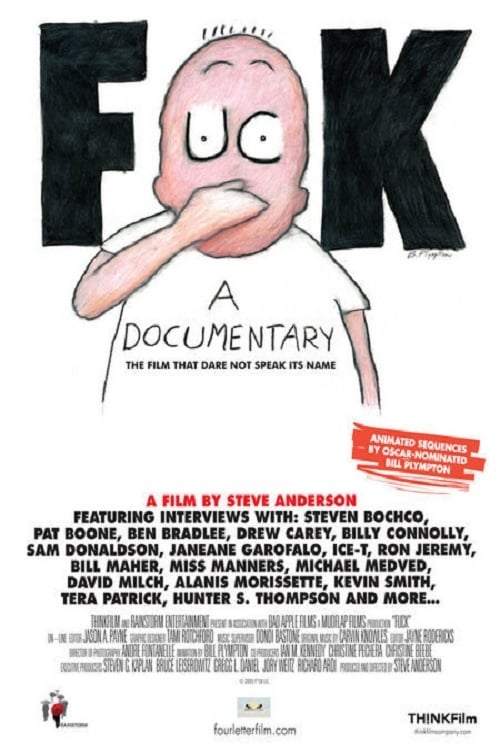
A documentary on the expletive's origin, why it offends some people so deeply, and what can be gained from its use.
Fuck
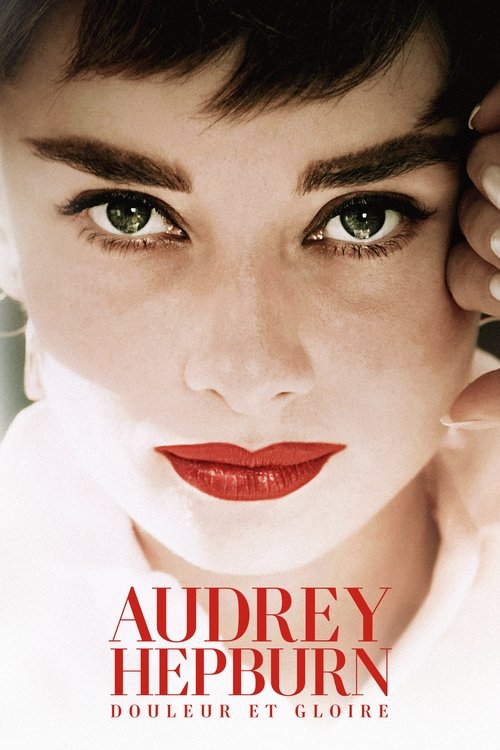
Un regard intime et sans précédent sur la vie, l'œuvre et l'héritage durable de l'actrice britannique Audrey Hepburn (1929-1993).
Audrey Hepburn : douleur et gloire

Fin 1943, après le débarquement en Italie, John Huston fut chargé de réaliser un documentaire sur l’avancée triomphale des troupes américaines sur Rome. Filmant des combats d’une rare violence, il réalisa l’un des plus bouleversants témoignages sur les horreurs de la guerre.
La Bataille de San Pietro

A behind-the-scenes documentary about the Clinton for President campaign, focusing on the adventures of spin doctors James Carville and George Stephanopoulos.
The War Room
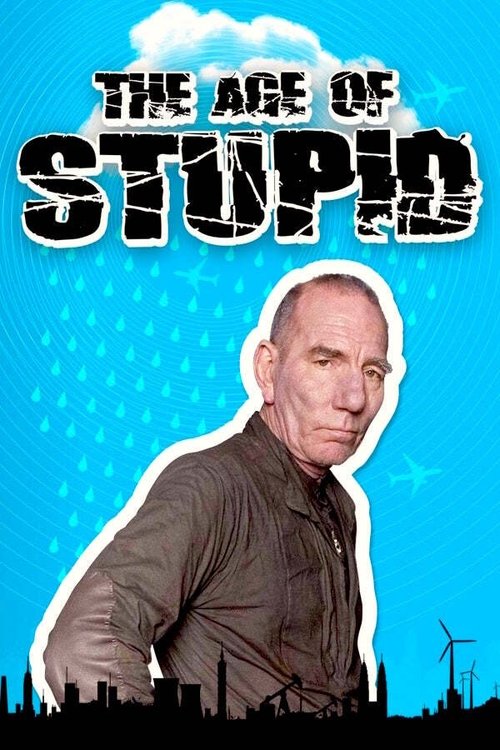
2055, un homme seul en haut d'une tour s'installe devant son ordinateur relié à l'ensemble des archives vidéo du monde. Face au monde dévasté qui l'entoure, il se pose la question suivante : pourquoi n'avons nous pas réagi lorsqu'il était encore temps ? Pour y répondre, il ouvre les archives de 2008.
L'âge de la stupidité
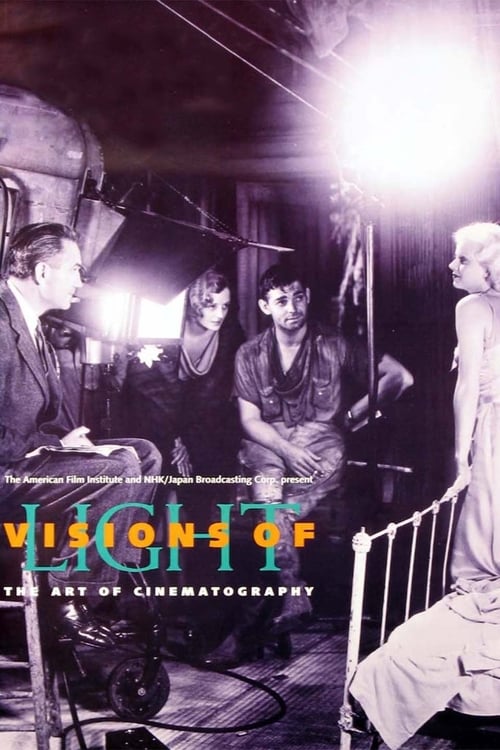
Cameramen and women discuss the craft and art of cinematography and of the "DP" (the director of photography), illustrating their points with clips from 100 films, from Birth of a Nation to Do the Right Thing. Themes: the DP tells people where to look; changes in movies (the arrival of sound, color, and wide screens) required creative responses from DPs; and, these artisans constantly invent new equipment and try new things, with wonderful results. The narration takes us through the identifiable studio styles of the 30s, the emergence of noir, the New York look, and the impact of Europeans. Citizen Kane, The Conformist, and Gordon Willis get special attention.
Visions of Light
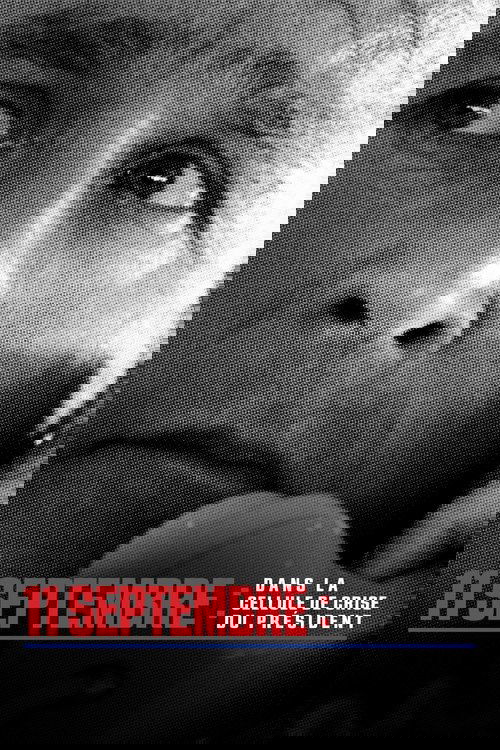
Vivez les évènements du 11 septembre 2001 à travers les yeux du Président Bush et de ses plus proches conseillers alors qu’ils revisitent les heures cruciales et les décisions clés de cette journée qui a marqué l’histoire.
11 septembre : dans la cellule de crise du Président

Ce documentaire montre l'amoncellement de débris plastiques flottants dans les océans et met en lumière les conséquences de cette forme de pollution sur l'environnement.
A Plastic Ocean
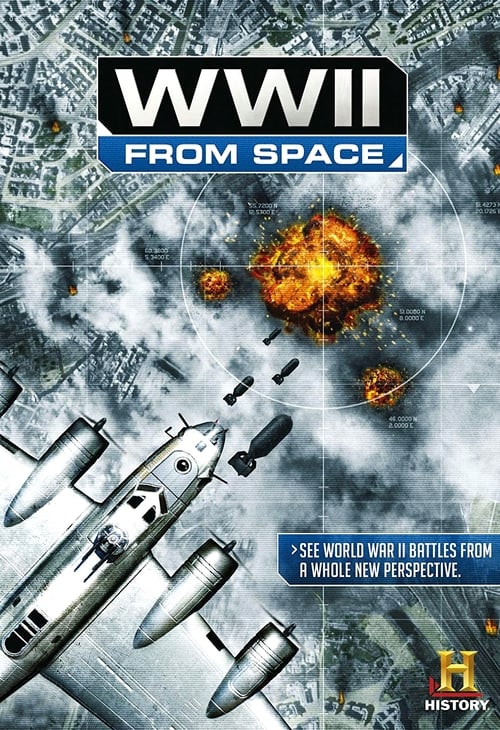
WWII from Space delivers World War II in a way you've never experienced it before. This HISTORY special uses an all-seeing CGI eye that offers a satellite view of the conflict, allowing you to experience it in a way that puts key events and tipping points in a global perspective. By re-creating groundbreaking moments that could never have been captured on camera, and by illustrating the importance of simultaneity and the hidden effects of crucial incidents, HISTORY presents the war's monumental moments in a never-before-seen context. And with new information brought to the forefront, you'll better understand how a nation ranked 19th in the world's militaries in 1939 emerged six years later as the planet's only atomic superpower.
WWII From Space
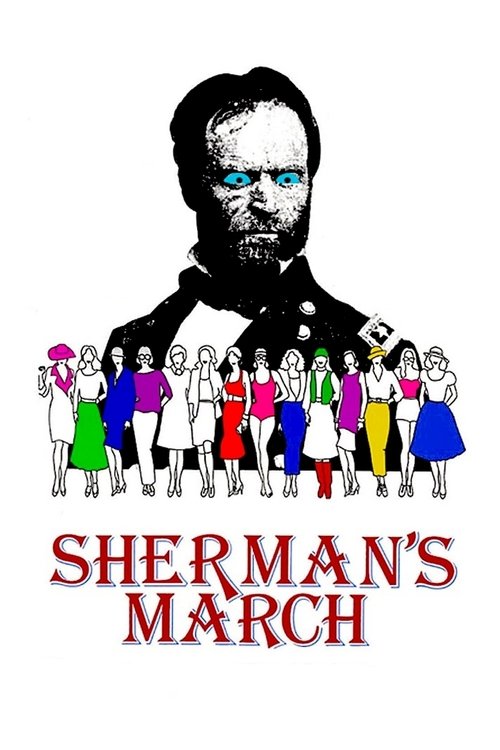
Ross McElwee sets out to make a documentary about the lingering effects of General Sherman's march of destruction through the South during the Civil War, but is continually sidetracked by women who come and go in his life, his recurring dreams of nuclear holocaust, and Burt Reynolds.
Sherman's March
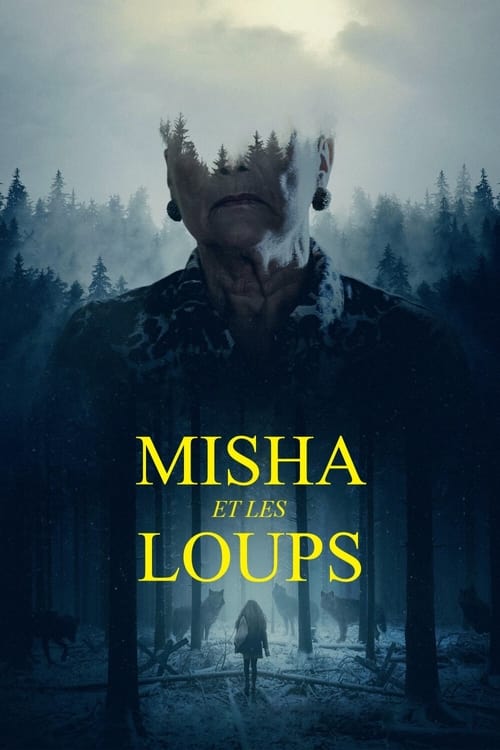
Dans un récit qui a fait sensation, Misha Defonseca disait avoir, enfant, traversé les forêts d’Europe pour retrouver ses parents déportés, survivant grâce à une meute de loups. Une mystification décryptée dans ce documentaire d’investigation passionnant. Une enquête d’investigation historique, menée à la manière d’un thriller sur une histoire trop belle pour être vraie.
Misha et les loups
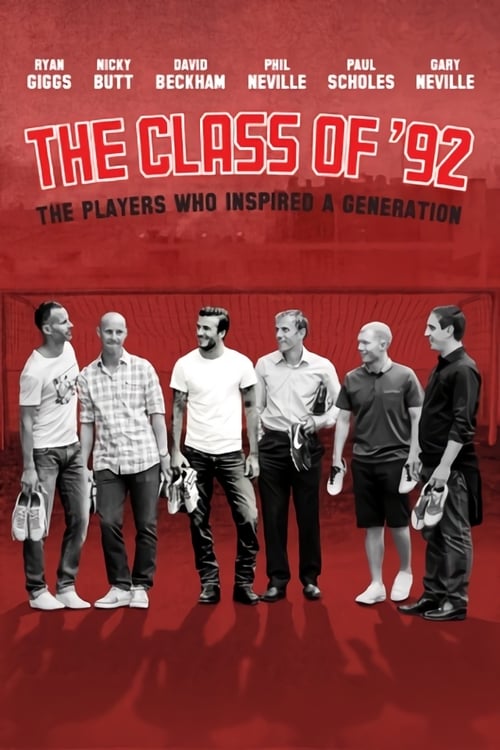
L'histoire de six garçons issus de la working-class anglaise de la banlieue de Manchester qui intègrent l'équipe de foot de leur ville en 1992.
The Class of ‘92
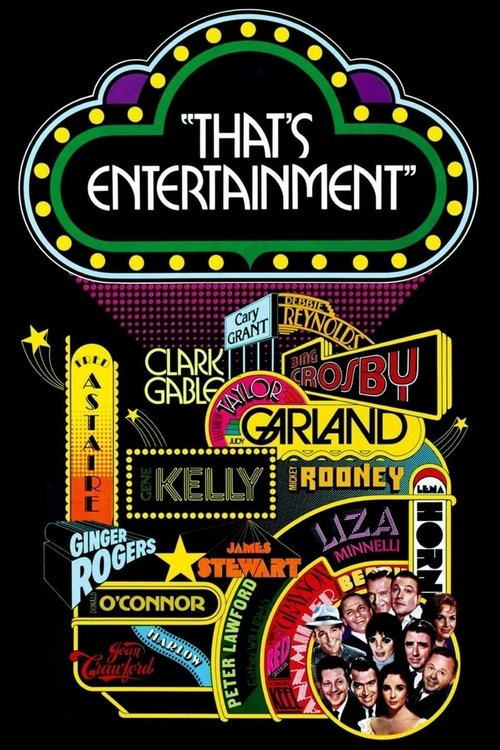
Cette nostalgique leçon d'histoire recèle les trésors cachés des plus grandes comédies musicales de la MGM ainsi que de nombreux autres extraits merveilleux mais moins célèbres, avec Esther Williams, Jimmy Durante, Eleanor Powell et même Clark Gable chantant et dansant. « Il était une fois Hollywood » est une véritable gourmandise pour cinéphiles et amateurs de comédies musicales.
Il était une fois à Hollywood

En 1980, Stanley Kubrick signe SHINING, qui deviendra un classique du cinéma d’horreur. A la fois admiré et vilipendé, le film est considéré comme une œuvre marquante du genre par de nombreux experts, tandis que d’autres estiment que Kubrick s’est dévoyé en la réalisant. Mais il y a aussi des fans acharnés qui ont voué leur vie au décryptage des messages cachés de ce film culte… Théories du complot ? Ont ils décrypté les messages secrets de Shining ?
Room 237
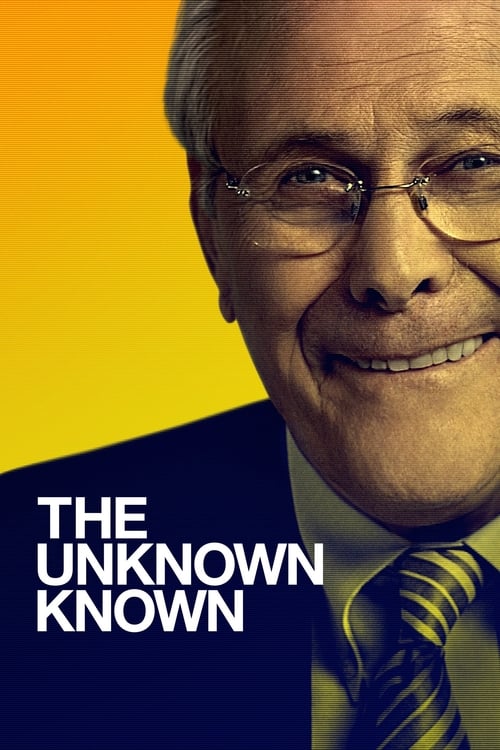
Former United States Secretary of Defense, Donald Rumsfeld, discusses his career in Washington D.C. from his days as a congressman in the early 1960s to planning the invasion of Iraq in 2003.
The Unknown Known
Documentary about the art of film editing. Clips are shown from many groundbreaking films with innovative editing styles.
The Cutting Edge: The Magic of Movie Editing
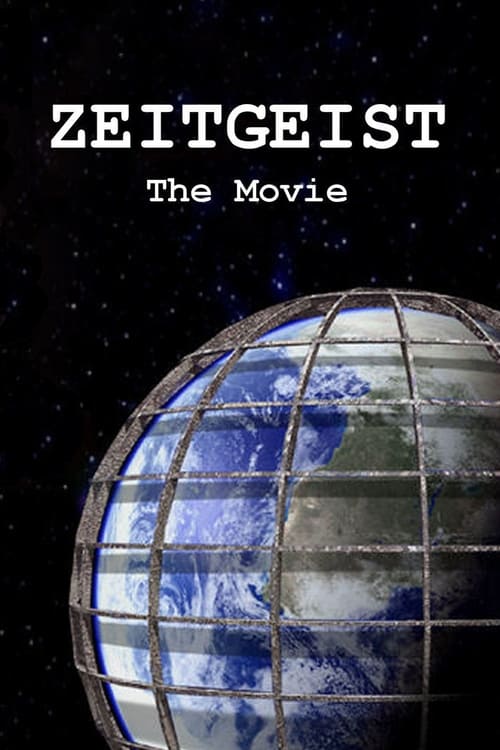
Le titre Zeitgeist est une expression allemande qui veut dire « esprit du temps », en faisant allusion à l'expérience du climat culturel dominant. Le site web officiel déclare que Zeitgeist, The Movie et sa suite Zeitgeist : Addendum ont été créés sans but lucratif pour communiquer les conclusions des auteurs. Peter Joseph utilise des appuis historiques et modernes afin de montrer que ces conclusions sont censurées par les institutions sociales actuelles dominantes. Le film se veut une déconstruction méthodique de trois grands événements ou mythes qui présideraient au fonctionnement des sociétés occidentales