Production
TV's most-watched history series brings to life the compelling stories from our past that inform our understanding of the world today.
In South Carolina, the only five women of the State Senate defy partisanship to fight for women's representation and reproductive justice in a male-dominated legislature.
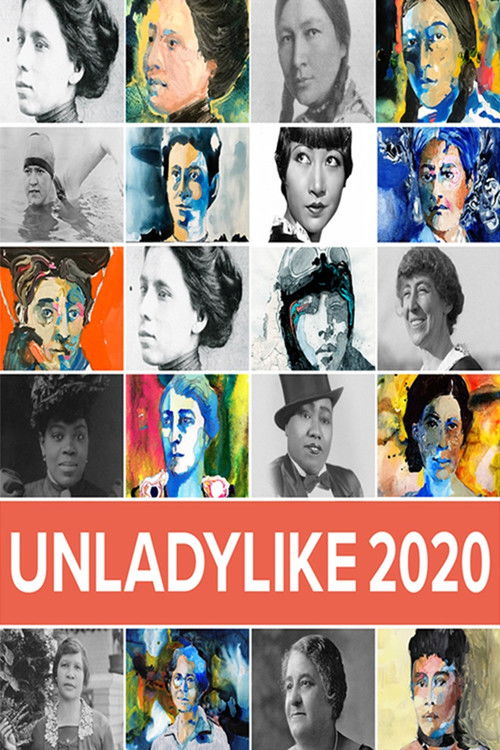
Upending expectations and challenging the definition of womanhood, these “first women” found themselves at the forefront of progressive movements, organizing campaigns and leading paths to cultural change. Female historians share the names and stories of five of these pioneers: Martha Hughes Cannon, Jovita Idár, Jeannette Rankin, Mary Church Terrell and Zitkála-Šá.
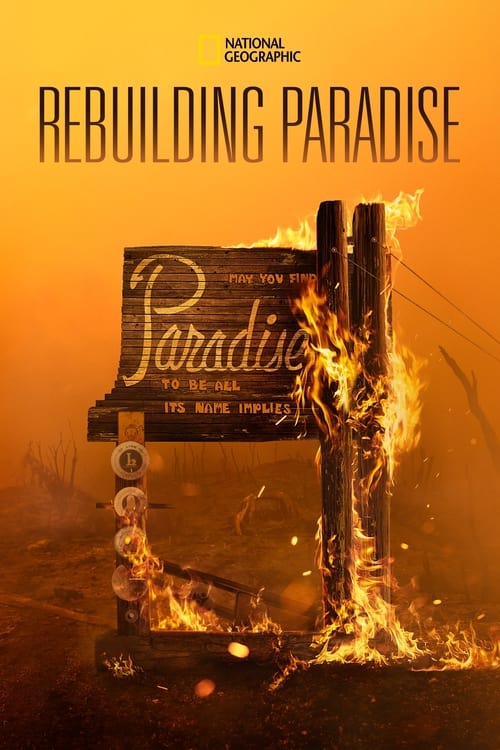
On November 8, 2018, a spark flew in the Sierra Nevada foothills, igniting the most destructive wildfire in California history and decimating the town of Paradise. Unfolding during the year after the fire, this is the story of the Paradise community as they begin to rebuild their lives.
The Letter follows a recently arrived immigrant and his family as they face an impossible deadline to leave the United States or risk deportation. Told through the lens of the filmmaker’s close friendship with the subject, the film centers on the slow dismantling of the family’s home—an act that becomes both practical and symbolic—capturing fear, love, and resilience as neighbors, church members, and community activists rally together, leaving a visible absence where a family once belonged.
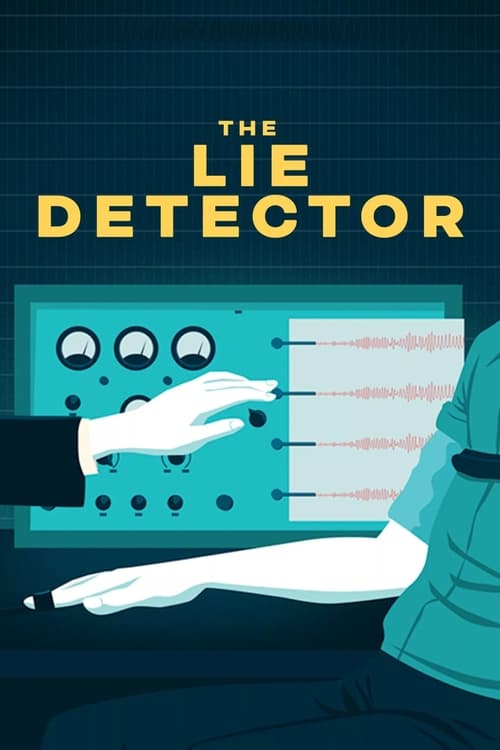
In the first decades of the 20th century, when life was being transformed by scientific innovations, researchers made a thrilling new claim: they could tell whether someone was lying by using a machine. Popularly known as the “lie detector,” the device transformed police work, seized headlines and was extolled in movies, TV and comics as an infallible crime-fighting tool. Husbands and wives tested each other’s fidelity. Corporations routinely tested employees’ honesty and government workers were tested for loyalty and “morals.” But the promise of the polygraph turned dark, and the lie detector too often became an apparatus of fear and intimidation. Written and directed by Rob Rapley and executive produced by Cameo George, The Lie Detector is a tale of good intentions, twisted morals and unintended consequences.
It follows Jaime Harrison's 2020 Senate run against Lindsey Graham.
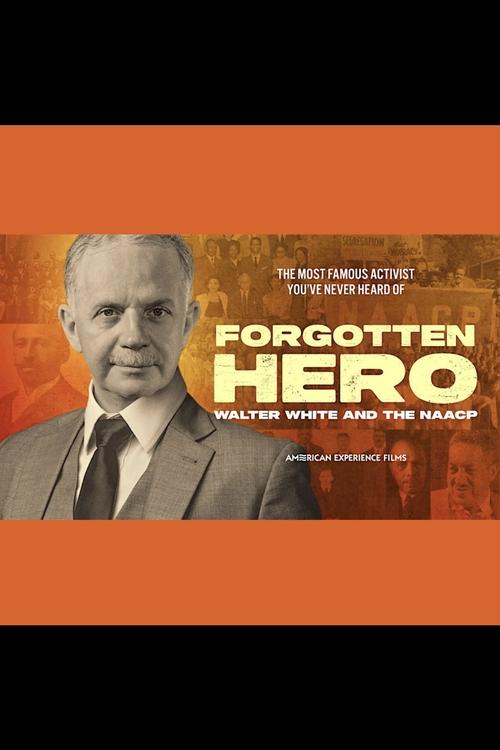
While many consider the birth of the civil rights movement to be 1955, when Rosa Parks refused to give up her seat on an Alabama bus, the stage had been set decades before by activists of the National Association for the Advancement of Colored People. Some of the NAACP leaders are familiar, including W.E.B. Du Bois and Thurgood Marshall, but Walter White, head of the NAACP from 1929 to 1955, has been all but forgotten. With his blond hair and blue eyes, Walter White looked white; he described himself as “an enigma, a Black man occupying a white body.” Like virtually all light-skinned African Americans of his day, White was descended from enslaved Black women and powerful white men. But he was Black — by law, identity, and conviction and spent his entire life fighting for Black civil rights. Forgotten Hero: Walter White and the NAACP traces the life of this neglected civil rights hero and seeks to explain his disappearance from our history.
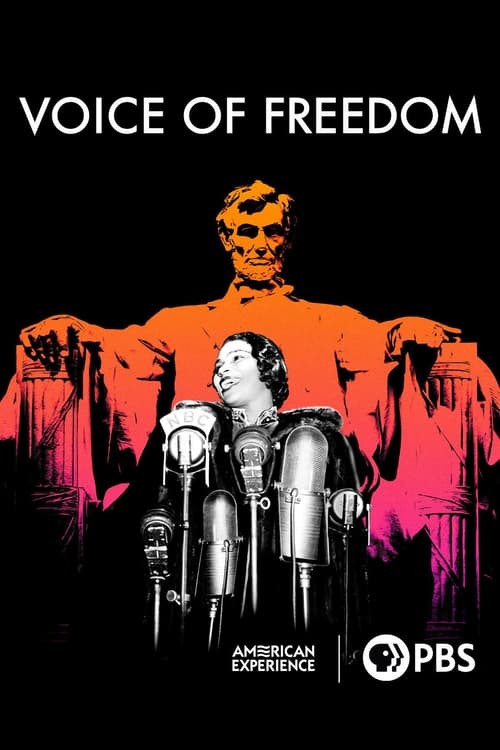
On Easter Sunday, 1939, contralto Marian Anderson stepped up to a microphone in front of the Lincoln Memorial. Inscribed on the walls of the monument behind her were the words “all men are created equal.” Barred from performing in Constitution Hall because of her race, Anderson would sing for the American people in the open air. Hailed as a voice that “comes around once in a hundred years” by maestros in Europe and widely celebrated by both white and black audiences at home, her fame hadn’t been enough to spare her from the indignities and outright violence of racism and segregation.
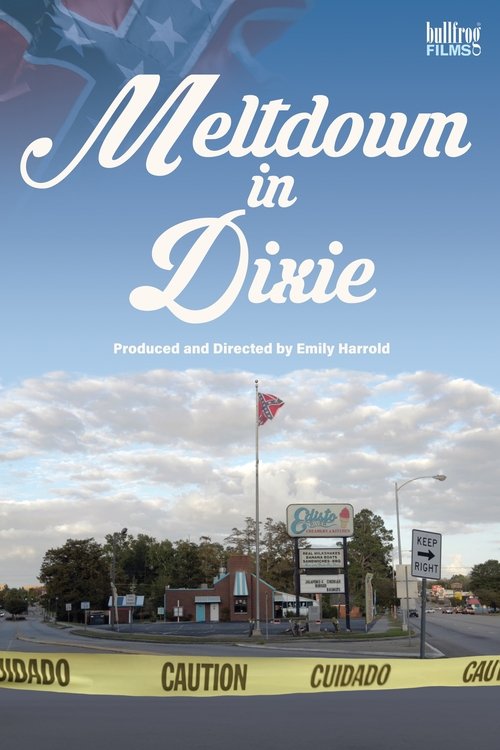
Owners of an ice cream shop in South Carolina soon learn that getting a Confederate flag removed, even in the wake of the Charleston Massacre, is not an easy task when the Sons of the Confederacy are involved.
What does it mean to be young, Black, and Democrat in the Southern Republican state of South Carolina? Through experiences of politician Bakari Sellers, WHILE I BREATHE, I HOPE unravels that question.
Documenting how The New York Times buried reports of The Holocaust during WWII, this short film--inspired by Laurel Leff's award-winning book Buried by The Times--investigates the behavior of the Jewish-owned major American newspaper.
Learn about "white hat" hackers, the U.S. Secret Service's cyber crime division working to protect us from the risks associated with persistent connectivity.
The White House is one of America’s most iconic buildings; it is a symbol of shared national history and is home to the most powerful person on Earth. Here, the president charts the course for the country, and the First Family lives in the spotlight. It's a home, an office, and a museum. It's a bunker in times of war, a backdrop for command performances or state visits, and the heart of the American body politic.