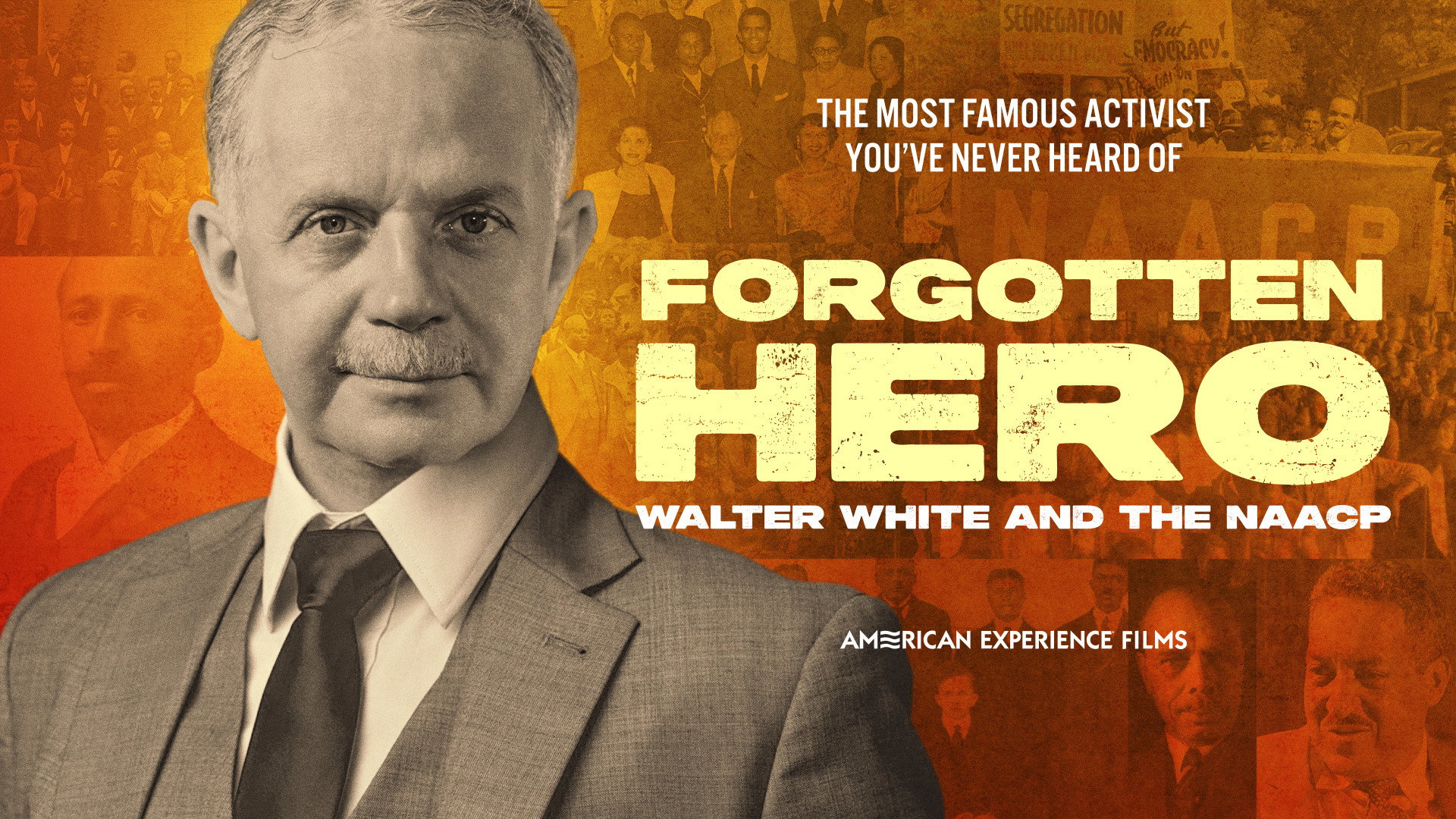
Forgotten Hero: Walter White and the NAACP

Photos
Vous aimerez aussi
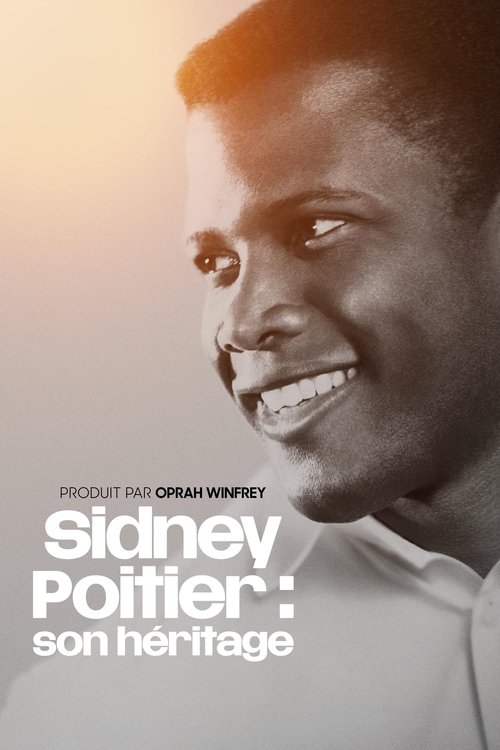
Réalisé par Oprah Winfrey, ce documentaire révélateur rend hommage au légendaire Sidney Poitier, acteur, cinéaste et militant des droits civiques. Découvrez des entretiens avec Denzel Washington, Spike Lee, Barbra Streisand, et bien d'autres.
Sidney Poitier : son héritage

En 1945, le cinéaste Alfred Hitchcock est engagé pour superviser le montage d'un documentaire produit par l'armée britannique sur la libération des camps de concentration nazis. Un film qui était destiné à montrer au peuple allemand les atrocités qui avaient été commises en son nom par les nazis. Une fois le film terminé, celui-ci fut cependant enterré pour des raisons politiques et jamais diffusé. Il fut alors simplement déposé à l'Imperial War Museum, à Londres, où dans les années 1980, les pellicules y ont été redécouvertes par un chercheur américain. Le film a fait l'objet d'une restauration complète respectant les choix du cinéaste. "Night Will Fall" retrace l’histoire de ce film pas fini, qui était connue longtemps sous le nom "The missing Hitchcock"...
Images de la libération des camps. Chronique d’un film inachevé
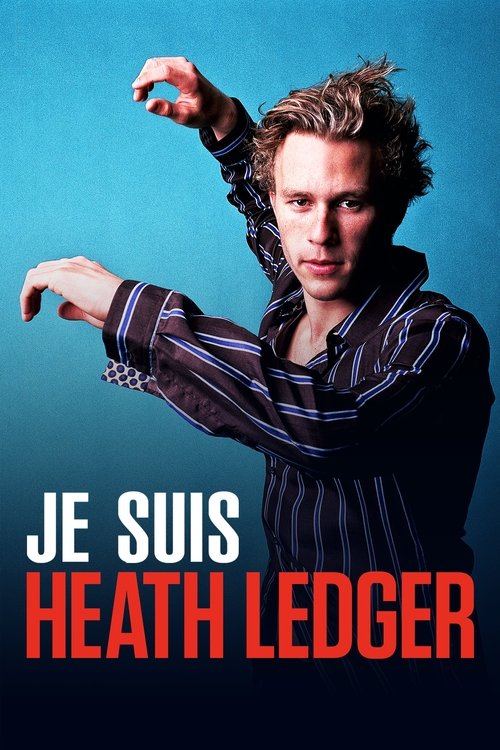
Un documentaire consacré à l'acteur américain Heath Ledger, décédé en 2008 à l'âge de 28 ans.
I Am Heath Ledger
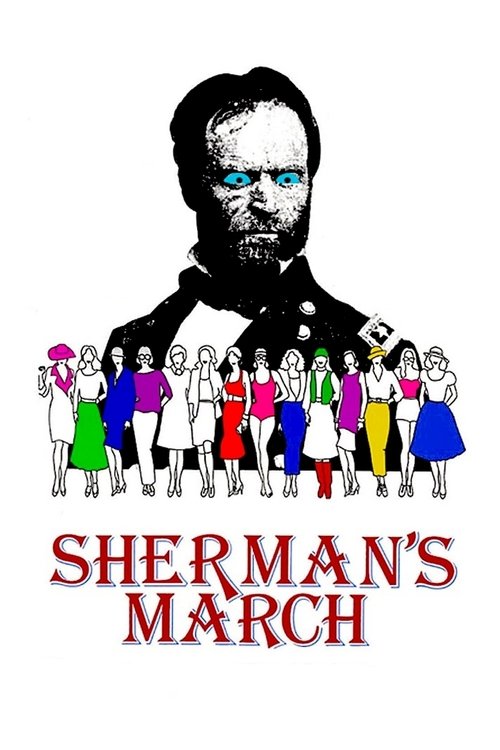
Ross McElwee sets out to make a documentary about the lingering effects of General Sherman's march of destruction through the South during the Civil War, but is continually sidetracked by women who come and go in his life, his recurring dreams of nuclear holocaust, and Burt Reynolds.
Sherman's March
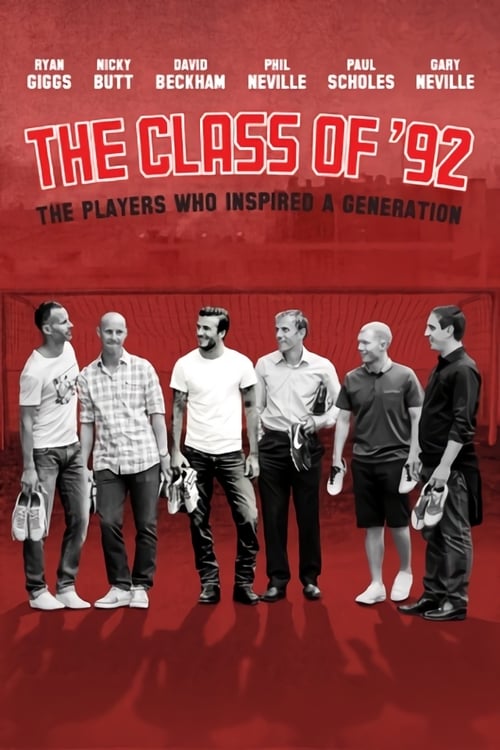
L'histoire de six garçons issus de la working-class anglaise de la banlieue de Manchester qui intègrent l'équipe de foot de leur ville en 1992.
The Class of ‘92
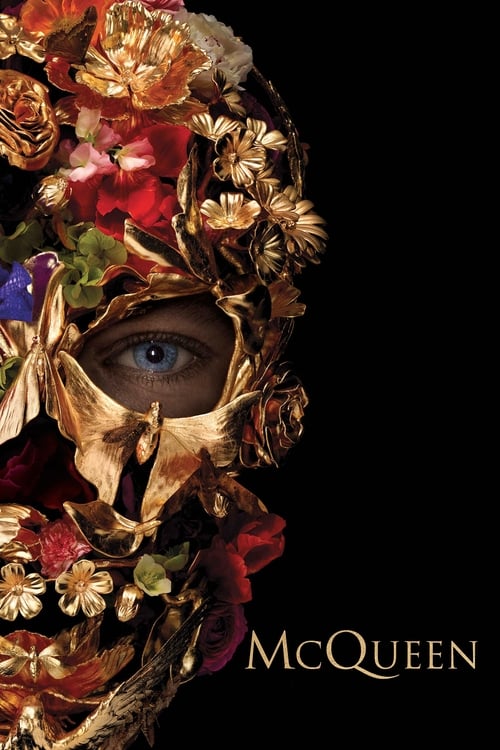
Un regard personnel sur la vie, la carrière et le talent hors du commun de l’enfant terrible de la mode, Alexander McQueen, icône d’ascendance modeste qui a brillé comme une étoile filante... Mêlant témoignages exclusifs de sa famille et de ses proches, archives inédites, images et musiques bouleversantes, McQUEEN est un vibrant hommage en même temps qu’un portrait captivant de ce visionnaire aussi tourmenté qu’inspiré.
McQueen
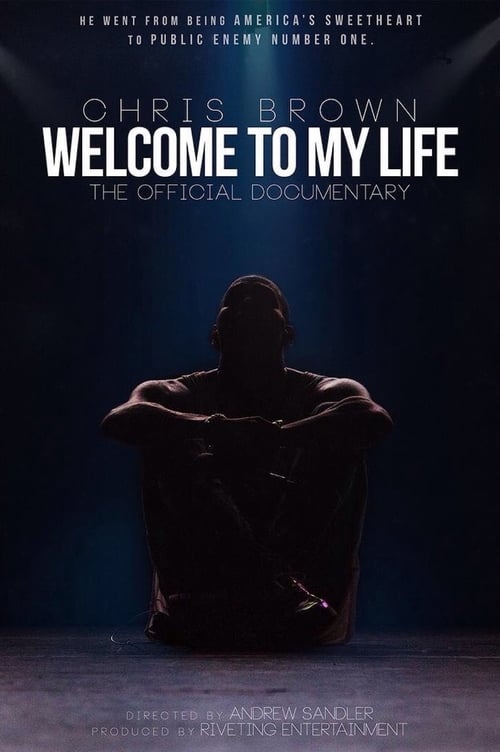
Ce documentaire dépeint la vie du chanteur Chris Brown avec des extraits de concerts récents, accès en coulisses et entrevues avec Usher, Jennifer Lopez, DJ Khaled, Mary J. Blige, Mike Tyson, Rita Ora, Jamie Foxx, et bien d’autres.
Chris Brown: Welcome to My Life

En 1980, Stanley Kubrick signe SHINING, qui deviendra un classique du cinéma d’horreur. A la fois admiré et vilipendé, le film est considéré comme une œuvre marquante du genre par de nombreux experts, tandis que d’autres estiment que Kubrick s’est dévoyé en la réalisant. Mais il y a aussi des fans acharnés qui ont voué leur vie au décryptage des messages cachés de ce film culte… Théories du complot ? Ont ils décrypté les messages secrets de Shining ?
Room 237
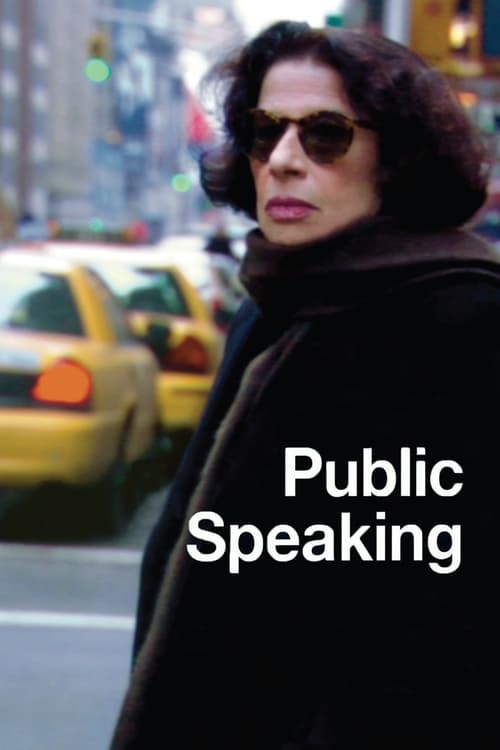
Martin Scorsese’s portrait of writer and social commentator Fran Lebowitz, celebrated for her sharp wit and observations on modern life. Filmed at New York’s Waverly Inn and intercut with archival footage and interviews, the documentary captures Lebowitz’s distinctive worldview through her spontaneous monologues and public appearances.
Public Speaking

Tandis que les chansons de Sam Cooke lui conféraient un franc succès, sa prise de position sans concessions sur les droits civiques accéléra sans doute sa mort précoce.
ReMastered: The Two Killings of Sam Cooke
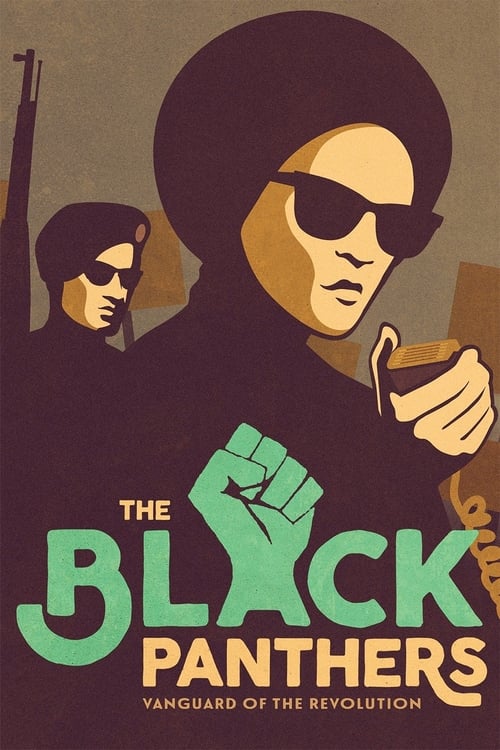
Quand, en 1966, à Oakland en Californie, Bobby Seale et Huey Newton fondent les Black Panthers, il s'agit pour eux de créer un groupe de défense des droits des Noirs, très discriminés dans cet Etat et en butte aux violences policières. Des militants de la première heure racontent les débuts du groupe, ses actions, ses coups d'éclat, comme l'irruption au parlement de Californie d'une trentaine de Black Panthers armés. Le courage et le culot dont ses membres font preuve assurent la renommée du parti et attirent de nombreux adhérents. Dès lors, la croissance est rapide. Au moment où le mouvement cherche à s'ancrer davantage dans la communauté noire, Edgar Hoover, le patron du FBI, prend le parti pour cible.
Black Panthers
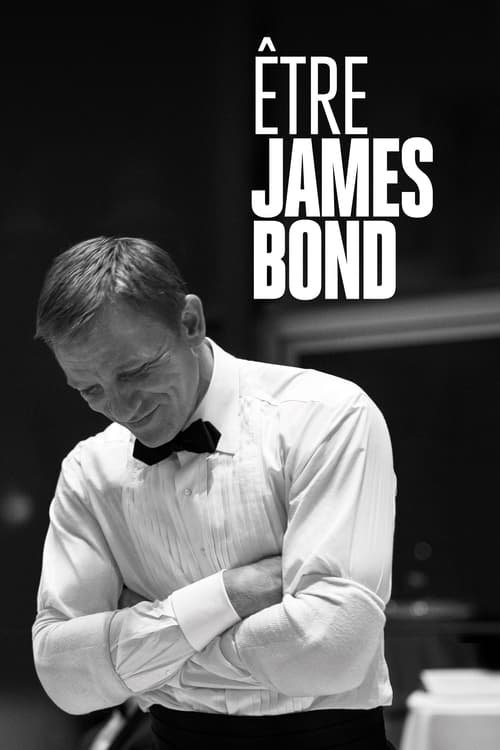
Daniel Craig revient franchement sur ses 15 ans d'aventure en tant que James Bond. Y compris des images d'archives inédites de Casino Royale au 25e film à venir No Time To Die, Craig partage ses souvenirs personnels lors d'une conversation avec les producteurs de 007, Michael G Wilson et Barbara Broccoli.
Être James Bond
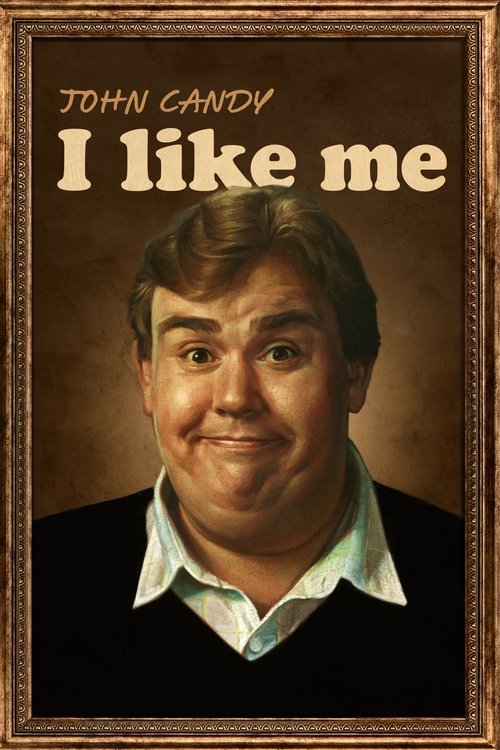
Réalisé par Colin Hanks et produit par Ryan Reynolds, John Candy: I Like Me donne la parole à ceux qui ont le mieux connu John. Ils racontent son histoire à leur façon à travers des films, des photos et des interviews d'archives inédites. C'est un documentaire sur la vie, la carrière et la disparition d'un des acteurs les plus aimés de tous les temps.
John Candy: I Like Me
Documentaire intimiste tirant le portrait de l’acteur à travers sa carrière et sa vie de famille. Des témoignages de ses parents, Irina et Viktor, ainsi que des interviews de certains partenaires de jeu comme Jennifer Lawrence, Jodie Foster ou encore Kristen Stewart.
Love, Antosha
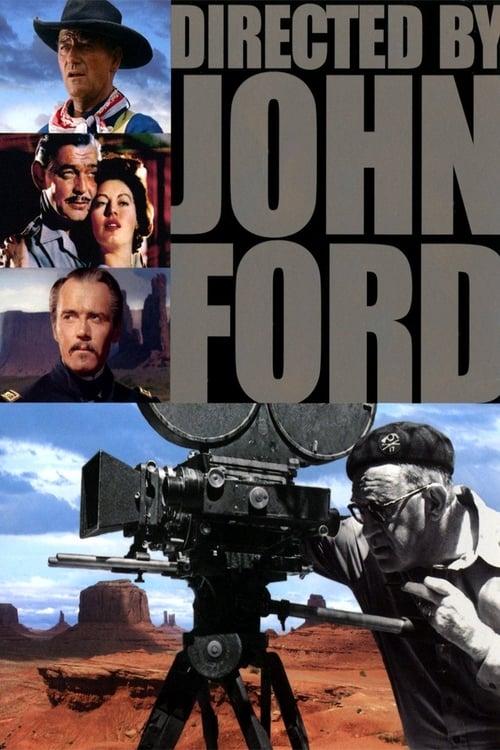
Un documentaire sur la vie et les films du réalisateur John Ford...
Directed by John Ford
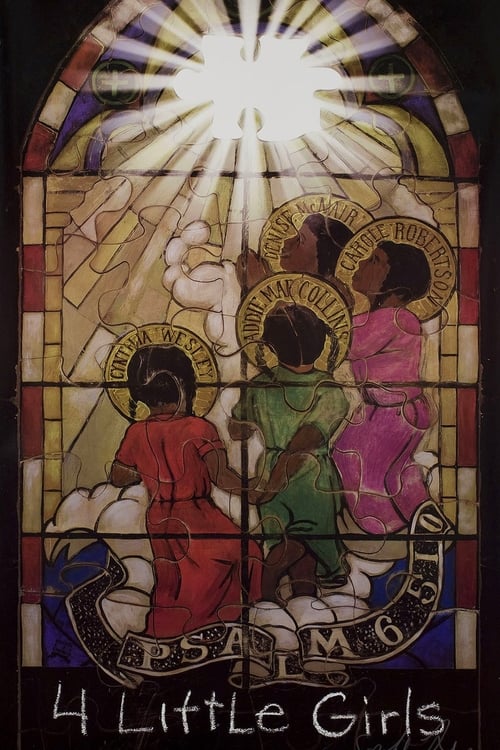
Film documentaire, 4 little girls revient sur l'attentat à la bombe dans une église afro-américaine qui, en 1963, tua quatre fillettes âgées de 11 à 14 ans.
4 Little Girls

Ce film est consacré à l’histoire de Joyce McKinney, ex-Miss Wyoming, qui a été accusée d’avoir kidnappé, séquestré et violé un jeune missionnaire Mormon, dont elle était tombée amoureuse. L’histoire est connue sous le nom de « L’affaire du Mormon menotté ».
Tabloid
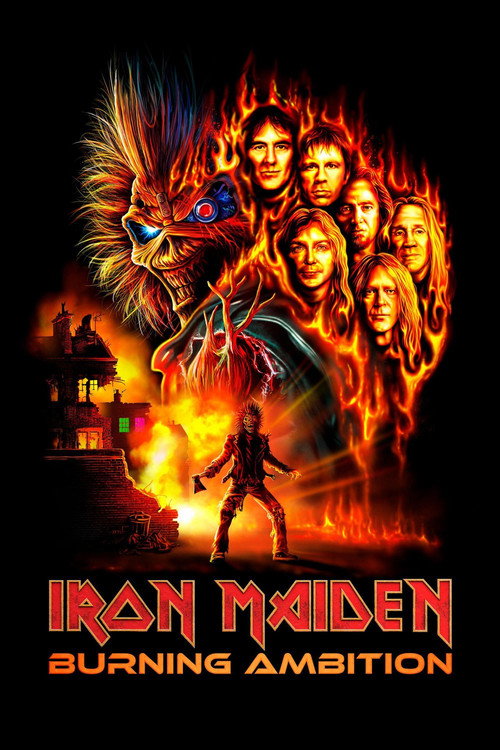
Couvrant cinq décennies, Iron Maiden: Burning Ambition retrace leur ascension emblématique pour devenir l'un des plus grands groupes de l'histoire de la musique.
Iron Maiden: Burning Ambition
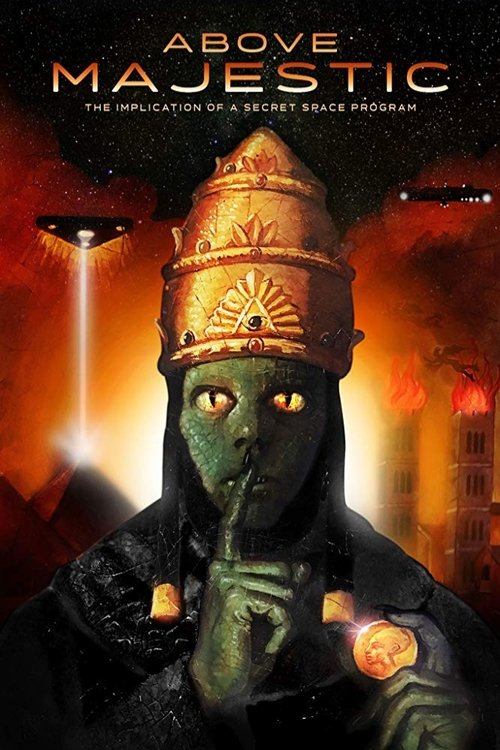
Le 10 septembre 2001, le Secrétaire à la Défense Donald Rumsfeld a annoncé que 2 300 milliards de dollars ne pouvaient pas être justifiés dans les dépenses du département de la Défense. Le lendemain, le bureau de l’analyste du budget du Pentagone a été détruit dans les attaques du 11 septembre. Above Majestic porte un regard choquant et provocateur sur ce qui serait nécessaire pour cacher au public un Programme Spatial Secret de plusieurs milliards de dollars (un groupe clandestin de militaires d’élite et de figures de proue des entreprises, chargés de comprendre le fonctionnement de technologies extraterrestres, aussi appelé “Majestic 12”) et les implications que cela aurait pour l’humanité. Le public est plongée dans les origines, les technologies, l’histoire, les dissimulations, les conspirations, les témoignages et la recherche dans Above Majestic. Avec les plus célèbres auteurs, chercheurs, lanceurs d’alerte et propagateurs du mouvement pour la vérité et l’entière divulgation.
Above Majestic
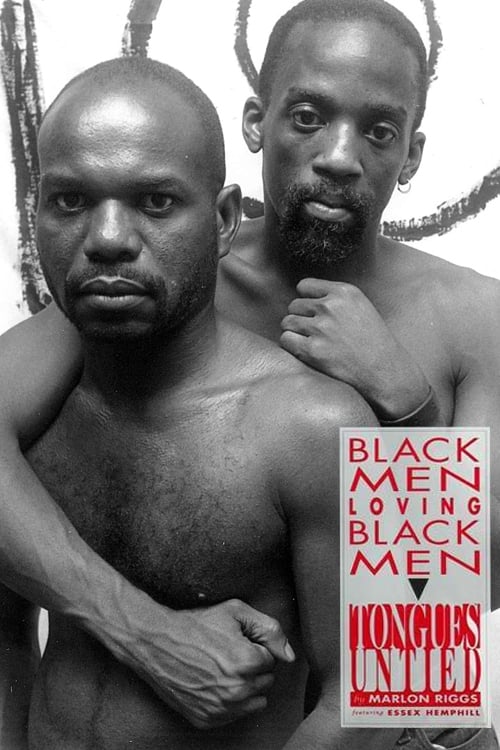
Marlon Riggs, with assistance from other gay Black men, especially poet Essex Hemphill, celebrates Black men loving Black men as a revolutionary act. The film intercuts footage of Hemphill reciting his poetry, Riggs telling the story of his growing up, scenes of men in social intercourse and dance, and various comic riffs, including a visit to the "Institute of Snap!thology," where men take lessons in how to snap their fingers: the sling snap, the point snap, the diva snap.