FEEL IT.STREAM
?

David H. Wittenberg

Acting

Known For

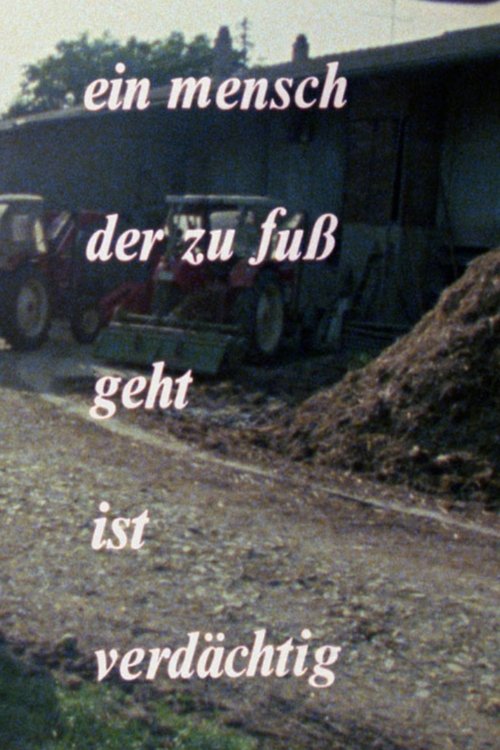
Ein Mensch, der zu Fuss geht, ist verdächtig
N/A

In 1977, Daimler-Benz wanted to start building a test track in the Baden-WĂĽrttemberg province near Boxberg. The project met with fierce resistance from local farmers right from the start. The directorial trio Heuser/Marcello/Wittenberg accompanied the conflict from 1981-83 and instead of a simple reportage, they provide a picture puzzle of struggles: international and local, historical, present and future. The music of the Chilean communist and singer-songwriter Viktor Jara, who was murdered in 1973, pervades the film. Images from Brazil and the exploitation of the rural population there through neo-colonial expansion are juxtaposed with rallies in Stuttgart and German political talk shows. (Patrick Kokoszynski)

Ein Mensch, der zu Fuss geht, ist verdächtig

1983
No image
N/A

Straschek's film points to the gap between workers and intellectuals and describes the "difficulties of the revolution" in a biting and witty way.

Zum Begriff des 'kritischen Kommunismus' bei Antonio Labriola (1843-1904)

1970
No image
N/A

No description available.

Geschichten der Freundschaft - Walter Benjamin zum Gedächtnis

2010
Pierburg: Ihr Kampf ist unser Kampf
N/A

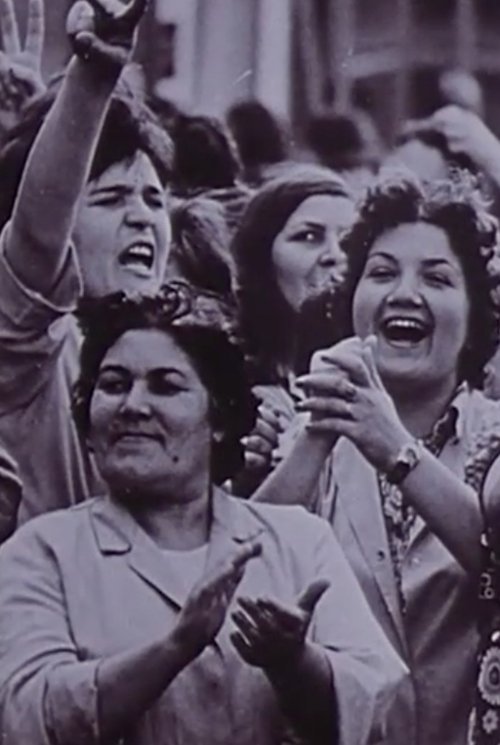
13 August 1973: Despite the arduous piecework they perform, women migrant workers at Neuss-based carburettor manufacturer Pierburg are in the lowest wage group 2 (DM 4.70 per hour): so, the women start a five-day »wildcat strike«. Out of all 3,800 employees, 70 percent are guest workers, the majority of them women. The women migrant workers demonstrate against the difference in pay between men and women, demanding »one more Mark«, and call for better general living and working conditions. The compilation film documents the strike. In consultation with the strikers, film-makers Edith Schmidt-Marcello and David H. Wittenberg assembled the material, filmed by various people who experienced the strike first-hand, and supplemented it with their own film footage. The film was shown at numerous solidarity events and was the public relations vehicle for the workers and the works council. It was never shown on television and was initially forgotten.

Pierburg: Ihr Kampf ist unser Kampf

1974