Pierburg: Ihr Kampf ist unser Kampf
Synopsis
You might also like
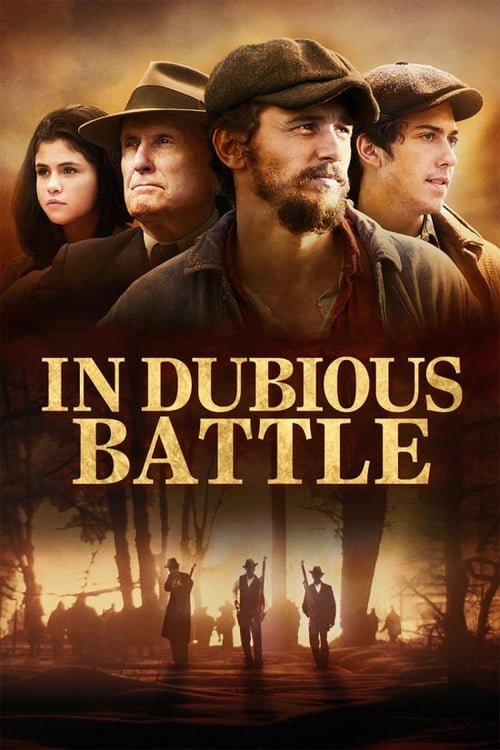
In the California apple country, 900 migratory workers rise 'in dubious battle' against the landowners. The group takes on a life of its own—stronger than its individual members, and more frightening. Led by the doomed Jim Nolan, the strike is founded on his tragic idealism—'courage, never submit, or yield'.
In Dubious Battle

A dramatization of the 1968 strike at the Ford Dagenham car plant, where female workers walked out in protest against sexual discrimination.
Made in Dagenham

This film documents the coal miners' strike against the Brookside Mine of the Eastover Mining Company in Harlan County, Kentucky in June, 1973. Eastover's refusal to sign a contract (when the miners joined with the United Mine Workers of America) led to the strike, which lasted more than a year and included violent battles between gun-toting company thugs/scabs and the picketing miners and their supportive women-folk. Director Barbara Kopple puts the strike into perspective by giving us some background on the historical plight of the miners and some history of the UMWA. Preserved by the Academy Film Archive in partnership with New York Women in Film & Television in 2004.
Harlan County U.S.A.
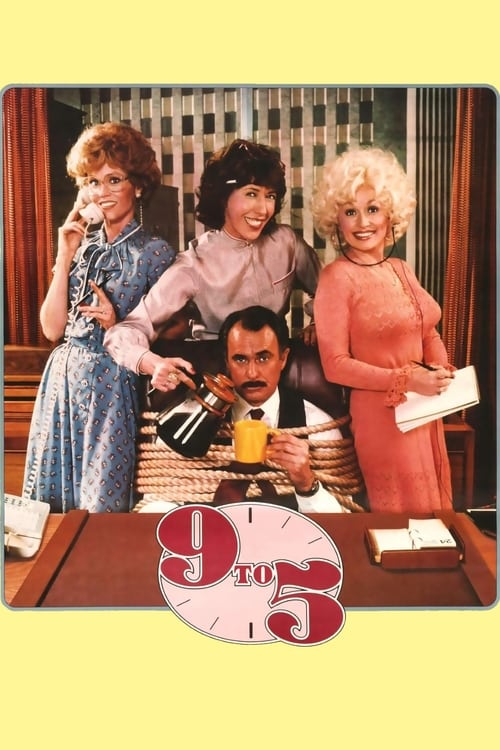
Three female employees of a sexist, egotistical, lying, hypocritical bigot find a way to turn the tables on him.
Nine to Five

Lucy Hill is an ambitious up-and-coming executive living in Miami. She loves her shoes, her cars, and climbing the corporate ladder. When she is offered a temporary assignment — in the middle of nowhere — to restructure a manufacturing plant, she jumps at the opportunity, knowing that a big promotion is close at hand. What begins as a straightforward assignment becomes a life-changing experience as Lucy discovers greater meaning in her life and, most unexpectedly, the man of her dreams.
New in Town

In Cold War-era West Berlin, American Coca-Cola executive C.R. 'Mac' MacNamara is tasked with playing babysitter to his boss' spoiled 17-year-old daughter Scarlett, who proves more difficult than anticipated when she reveals that she is pregnant by a Communist.
One, Two, Three
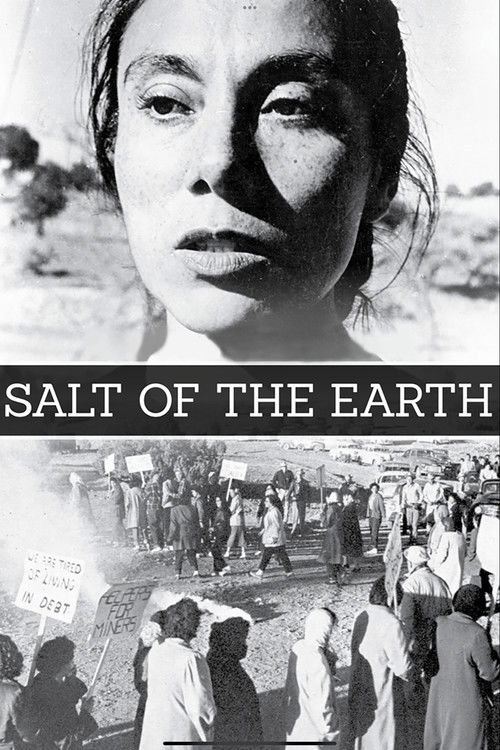
At New Mexico's Empire Zinc mine, Mexican-American workers protest the unsafe work conditions and unequal wages compared to their Anglo counterparts. Ramon Quintero helps organize the strike, but he is shown to be a hypocrite by treating his pregnant wife, Esperanza, with a similar unfairness. When an injunction stops the men from protesting, however, the gender roles are reversed, and women find themselves on the picket lines while the men stay at home.
Salt of the Earth
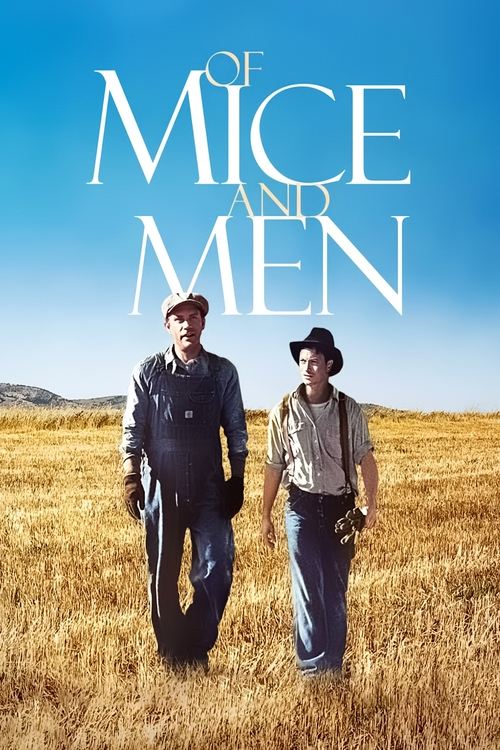
Two drifters, one a gentle but slow giant, try to make money working the fields during the Depression so they can fulfill their dreams.
Of Mice and Men

Naive Stanley Windrush looks for a career in a family business. Much to his dismay, he finds work at a munitions factory where he has to start from the bottom, while both the management and the labor union use him as a tool in their fight for power.
I'm All Right Jack

A documentary about the closure of General Motors' plant at Flint, Michigan, which resulted in the loss of 30,000 jobs. Details the attempts of filmmaker Michael Moore to get an interview with GM CEO Roger Smith.
Roger & Me

Years spent recording footage of creatures from every corner of the globe is bound to produce a bit of drama. Here's a behind-the-scenes look.
Our Planet: Behind the Scenes

Guy is a young film executive who's willing to do whatever it takes to make it in Hollywood. He begins working for famed producer Buddy Ackerman, a domineering, manipulative, coldhearted boss. When Guy also finds out that his cynical girlfriend, Dawn, has been using sex as a career move, he reaches his limit. Guy decides to exact revenge on Buddy by kidnapping him and subjecting him to cruel and unusual punishment.
Swimming with Sharks
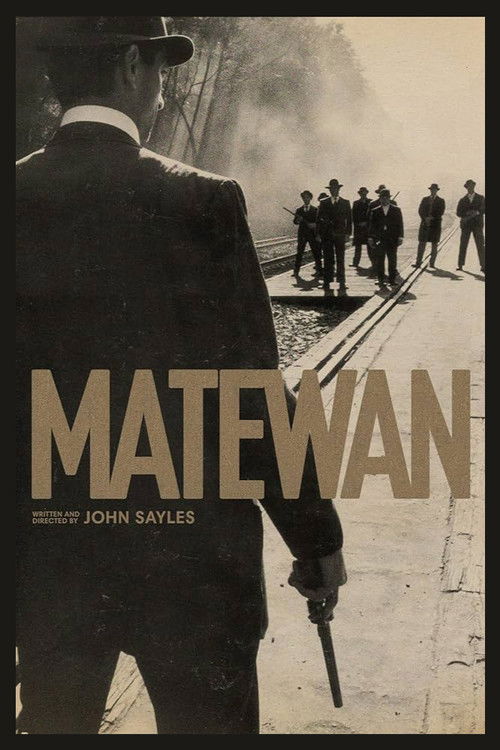
Filmed in the coal country of West Virginia, "Matewan" celebrates labor organizing in the context of a 1920s work stoppage. Union organizer, Joe Kenehan, a scab named "Few Clothes" Johnson and a sympathetic mayor and police chief heroically fight the power represented by a coal company and Matewan's vested interests so that justice and workers' rights need not take a back seat to squalid working conditions, exploitation and the bottom line.
Matewan
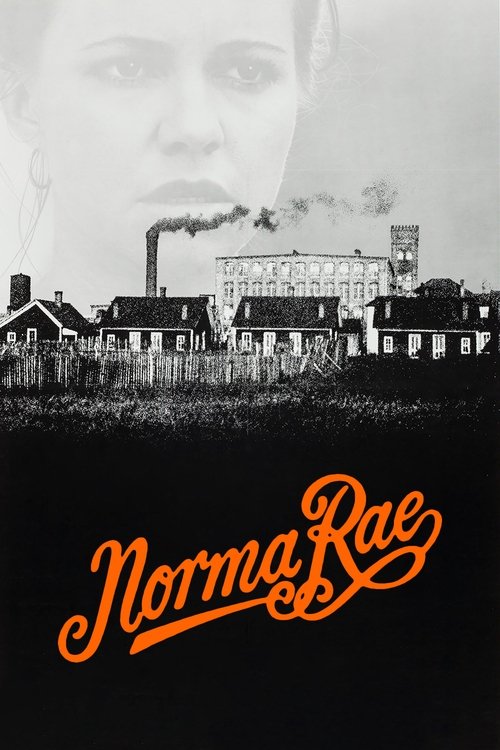
Norma Rae is a southern textile worker employed in a factory with intolerable working conditions. This concern about the situation gives her the gumption to be the key associate to a visiting labor union organizer. Together, they undertake the difficult, and possibly dangerous, struggle to unionize her factory.
Norma Rae

In 1970s England, three blue-collar friends spend their days joking, drinking, fighting and chasing girls. Freddie wants to leave their working-class world but cool, charismatic Bruce and lovable loser Snork are happy with life the way it is. When Freddie gets a new job as a door-to-door salesman and bumps into his old school sweetheart Julie, the gang are forced to make choices that will change their lives for ever.
Cemetery Junction

Charlie, a wandering tramp, becomes a circus handyman - soon the star of the show - and falls in love with the circus owner's stepdaughter.
The Circus

This revealing portrait of Cuba follows the lives of Fidel Castro and three Cuban families affected by his policies over the last four decades.
Cuba and the Cameraman

A group of women involved in the Women's Liberation Movement hatched a plan to invade the stage and disrupt the live broadcast at the 1970 Miss World competition in London, resulting in overnight fame for the newly-formed organization. When the show resumed, the results caused an uproar and turned the Western ideal of beauty on its head.
Misbehaviour

In an alternate present-day version of Oakland, black telemarketer Cassius Green discovers a magical key to professional success – which propels him into a macabre universe.
Sorry to Bother You

Wealthy socialite Charlotte Cartwright and her dear friend Alice Pratt, a working class woman of high ideals, have enjoyed a lasting friendship throughout several decades. Recently, their lives have become mired in turmoil as their adult children’s extramarital affairs, unethical business practices, and a dark secret threaten to derail family fortunes and unravel the lives of all involved. Charlotte and Alice decide to take a breather from it all by making a cross-country road trip in which they rediscover themselves and possibly find a way to save their families from ruin.