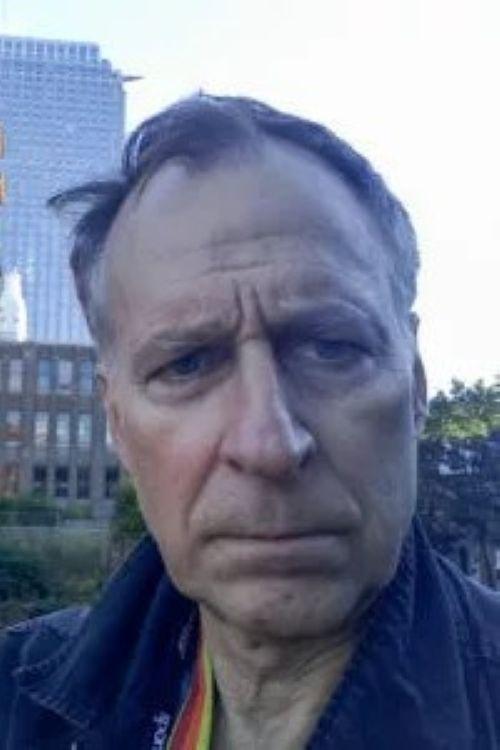
Donigan Cumming
Directing
Biography
Donigan Cumming is an artist based in Montréal, Canada. He addresses themes of the body, taboos of representation, social engagement,and photographic truth. He uses photography, text, sound, video, collage, animation, drawing,and painting in artworks, installations, projections, and books. Cumming locates his work in a created community formed over many projects and sustained over decades. These close relationships have allowed him to explore the social and ethical implications of the observational image characterized by an ongoing analysis of the reality effects of documentary film and photography, and the realities of the subjects they depict and describe. The results are marked by an interest in the threshold between the public “onstage” and the private “backstage”—the psycho-social performances of all the actors, including himself, as maker.
Known For

No description available.
If only I
In his signature photographic style, Donigan Cumming eulogizes a dying friend through his exploration of “culture” in all its manifestations: 1. culture: a particular civilization at a particular stage 2. culture: the tastes in art and manners that are favored by a social group 3. culture: all the knowledge and values shared by a society 4. culture: the growing of micro-organisms in a nutrient medium 5. culture: the raising of plants or animals.
Culture
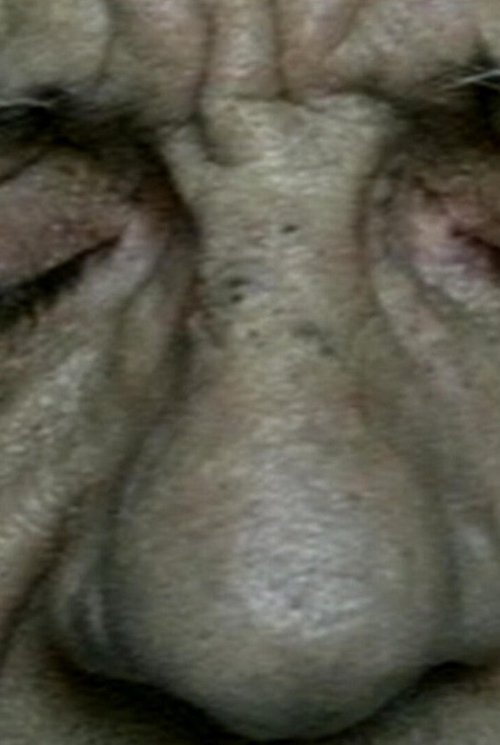
A Prayer For Nettie dramatizes the death of an elderly woman who was Cumming’s photographic model from 1982 to 1993, presenting an improvised series of prayers and memorials for Nettie Harris by people who knew her, and some who did not. In its ambiguous mix of tenderness and aggression, A Prayer For Nettie extends the traditions of the grotesque and the absurd. The fervent prayers of the actors are undermined by indifference, forgetfulness, and the presence of the camera. In the end, comedy turns the tables on piety and remembrance as Nettie looks up from the grave.
A Prayer for Nettie
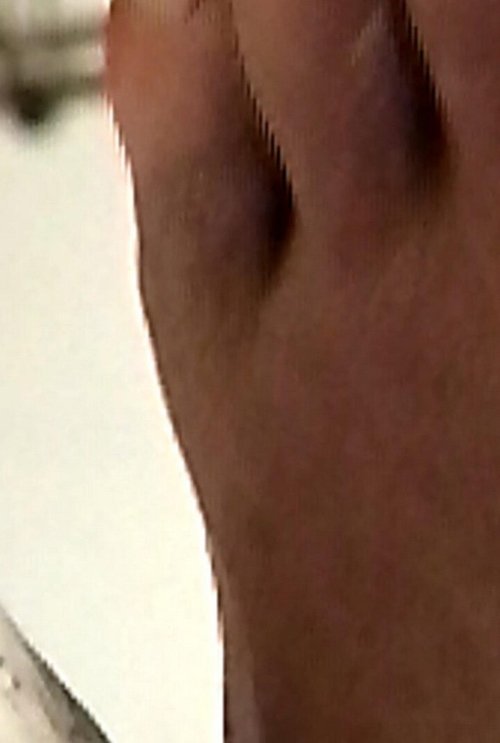
Donigan Cumming calls Karaoke a "moving still". In fact, the motion in the three-minute shot that this film consists of almost comes to a halt. In close-ups, Cumming shows the face of an old man lying stiffly on a bed, his eyes closed. He swallows with great effort. The camera then moves slowly along his body to his feet, then back to his face. The man swallows again, and it is only then that the viewer notices that this second segment of the shot is the same as the first, only now running backwards. The shot has come full circle, and the back and forth motions override each other. Thus the continuously advancing filmic image reveals itself to be an optical illusion. Cumming also calls filmic representation into question in the relationship between image and sound. When the camera zooms into the open mouth, a song can be heard from off-camera as if the old man were singing karaoke, yet his lips do not move.
Karaoke
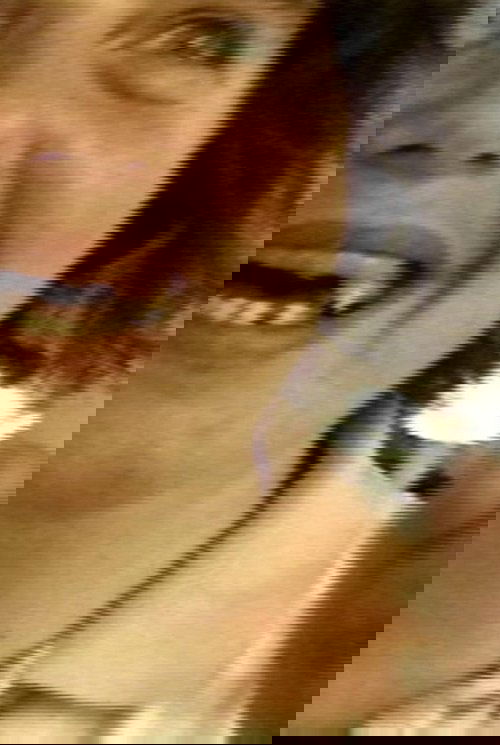
In his first film, A Prayer for Nettie, Donigan Cumming had placed Albert at the heart of the posthumous tribute to Nettie, his former model. One year later, he composed Cut the Parrot, a new requiem intended for Albert, who also died amid total indifference. As in his previous film, the film-maker gathered a series of eulogies in honour of the deceased from the people, some close and others not so close, who were emotionally affected by his death. But this film differs from the previous one in that it seems to be based not only on respect but also on an intense anger. Several times Donigan films his own face and angrily tells about how he was informed of Albert's death or about his visit to the morgue to identify the body. From then on the principle behind his cinematographic quest seems clearly exposed: no life, however marginal it may seem, should end in such a way, without any consideration.
Cut the Parrot
Are erratic angels fallen angels? When we meet forty-eight-year-old Colin, the main character of the film, he is walking under the flyover of a motorway. He is on foot while those who play the game by society's rules whizz by a few feet above his head at the driving wheels of their Cadillacs. He dropped out long ago and lives alone forgotten by his family. He used to be a junkie and an alcoholic, now he is a marginal and develops analytical and self-justifying arguments which sometimes turn into a flow of jumbled words. Cumming introduces us to the everyday realities of this character with honesty.
Erratic Angel
An alcoholic and potbellied fifty-year old, Pierre Lamarche has lost everything: accused of rape by Brenda, the woman he loves, he finds himself in the street after a spell in prison. Obsessed by his ex-lover, he suspects her of sleeping with the neighbours and taking up prostitution. Confiding his misfortunes to the camera in the same way as he would submit himself to therapy, Pierre considers himself rather like the producer of a film on his life. A real ham actor, he gets into his stride and lavishes his tale with exaggerations and spicy details. For his part, Cumming directs his makeshift actors, sets the scene and provokes encounters as the master of ceremonies of what he himself describes as a lowbrow novel.
After Brenda

In one breath and, because he walks fast from one room to another, breathlessly, he tells a life story in an occasionally hesitant tone. He regards it as a way to knowledge, with many bends and side turns and with steep treacherous slopes. That way is metaphorical, but also certainly literal.
Locke's Way

Obsession, fascination and confusion in a world of objects that refuse to disappear.
Too Many Things
Marty, the central character, remembers his time in New York as a young Catholic trade-union leader and peace activist, and his friendship with Weegee and James Agee.