Karaoke
Synopsis
- Réalisateur
- Donigan Cumming
- Langue originale
- anglais
- Pays
- Canada
Casting Principal
Vous aimerez aussi
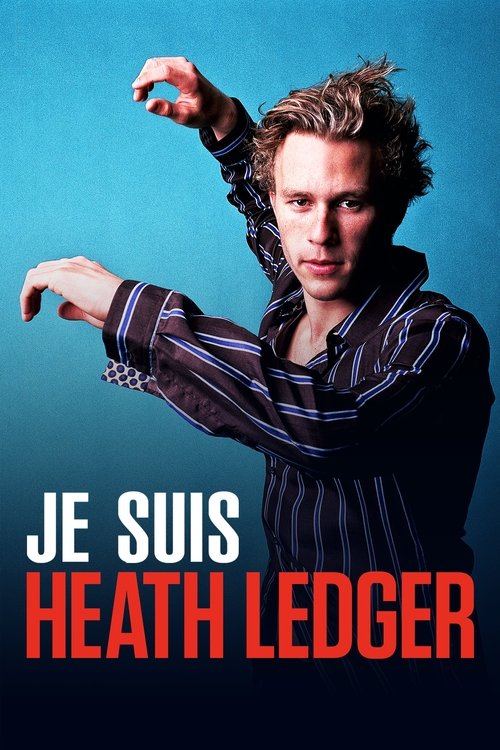
Un documentaire consacré à l'acteur américain Heath Ledger, décédé en 2008 à l'âge de 28 ans.
I Am Heath Ledger
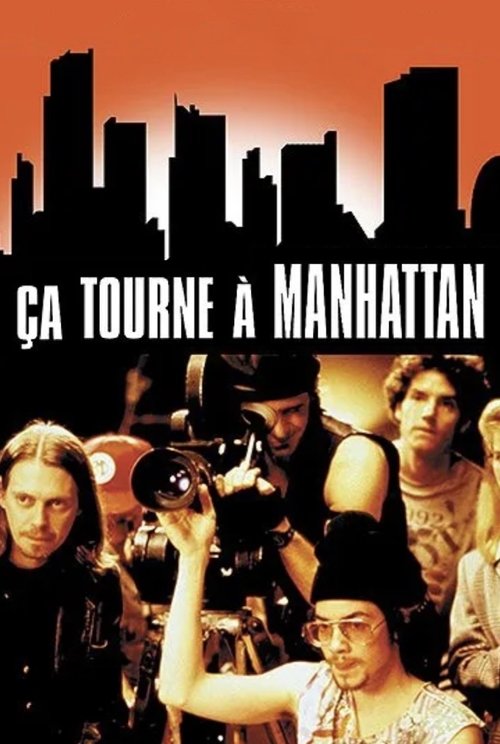
Les mésaventures d'une équipe de cinéma lors du tournage d'un film indépendant à petit budget.
Ça tourne à Manhattan
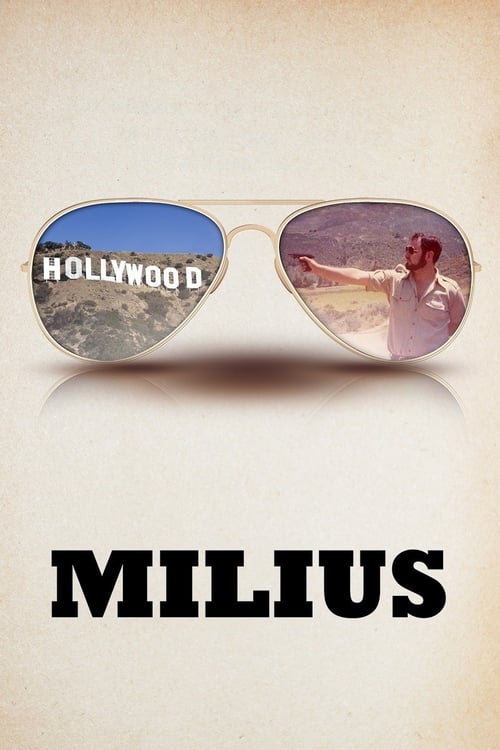
Focus sur la vie de John Milius.
Milius
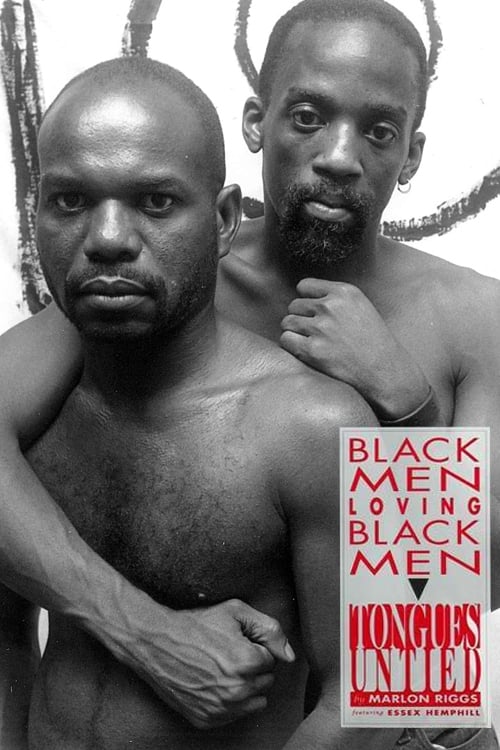
Marlon Riggs, with assistance from other gay Black men, especially poet Essex Hemphill, celebrates Black men loving Black men as a revolutionary act. The film intercuts footage of Hemphill reciting his poetry, Riggs telling the story of his growing up, scenes of men in social intercourse and dance, and various comic riffs, including a visit to the "Institute of Snap!thology," where men take lessons in how to snap their fingers: the sling snap, the point snap, the diva snap.
Tongues Untied

L'histoire de l'artiste Lil Peep depuis sa naissance à Long Island et son ascension fulgurante en tant que genre mêlant pop star et icône du style, jusqu'à sa mort suite à une overdose accidentelle d'opioïdes en Arizona à seulement 21 ans.
Lil Peep: Everybody’s Everything
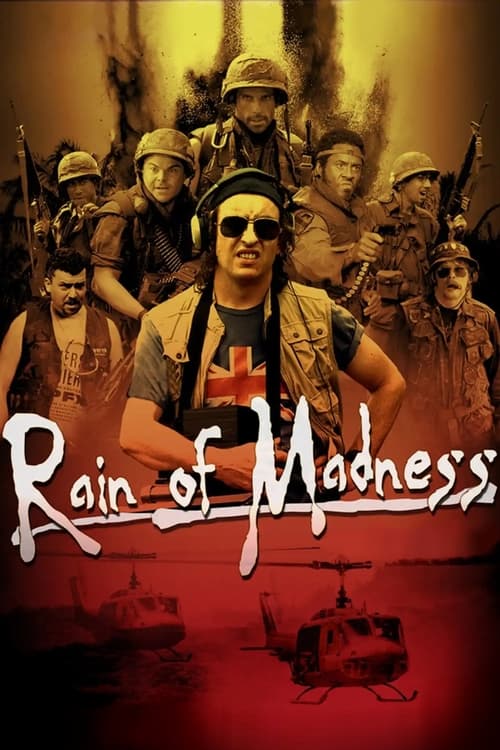
A behind-the-scenes mockumentary of Tropic Thunder.
Rain of Madness
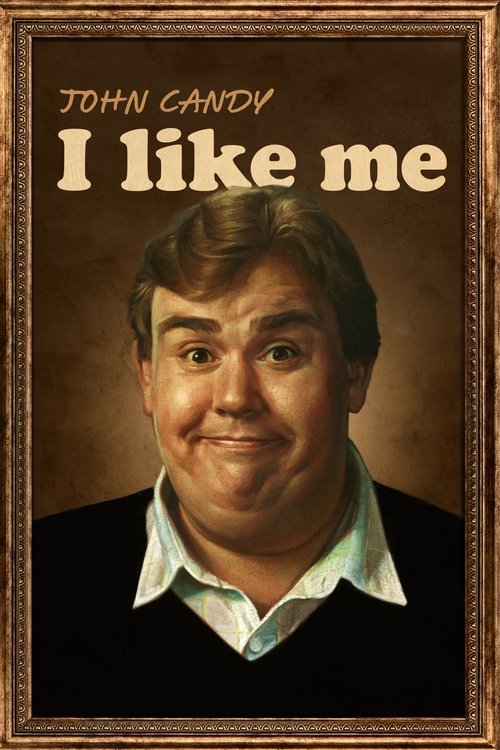
Réalisé par Colin Hanks et produit par Ryan Reynolds, John Candy: I Like Me donne la parole à ceux qui ont le mieux connu John. Ils racontent son histoire à leur façon à travers des films, des photos et des interviews d'archives inédites. C'est un documentaire sur la vie, la carrière et la disparition d'un des acteurs les plus aimés de tous les temps.
John Candy: I Like Me
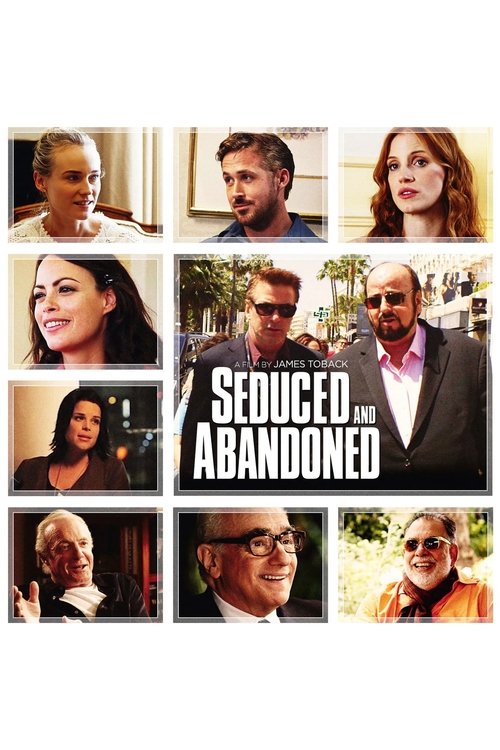
Un documentaire sur la difficulté de monter un film.
Seduced and Abandoned
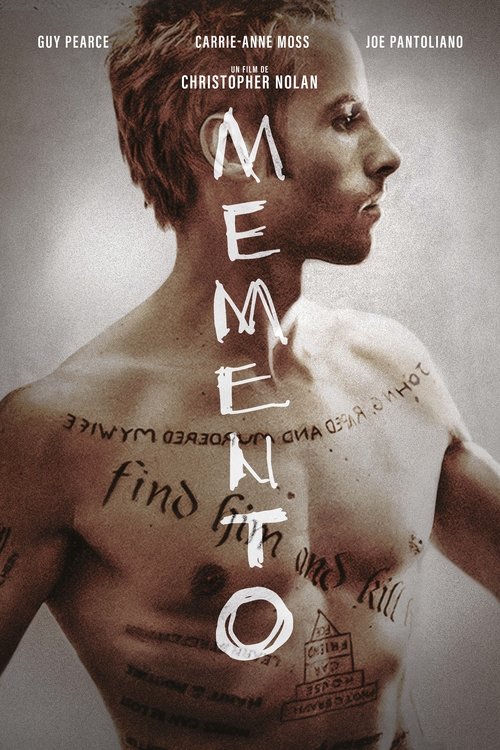
Leonard Shelby ne porte que des costumes de grands couturiers et ne se déplace qu’au volant de sa Jaguar. En revanche, il habite dans des motels miteux et règle ses notes avec d’épaisses liasses de billets. Leonard n’a qu’une idée en tête: traquer l’homme qui a violé et assassiné sa femme afin de se venger. Sa recherche du meurtrier est rendue plus difficile par le fait qu’il souffre d’une forme rare et incurable d’amnésie. Bien qu’il puisse se souvenir de détails de son passé, il est incapable de savoir ce qu’il a fait dans le quart d’heure précédent, où il se trouve, où il va et pourquoi. Pour ne jamais perdre son objectif de vue, il a structuré sa vie à l’aide de fiches, de notes, de photos, de tatouages sur le corps. C’est ce qui l’aide à garder contact avec sa mission, à retenir les informations et à garder une trace, une notion de l’espace et du temps.
Memento
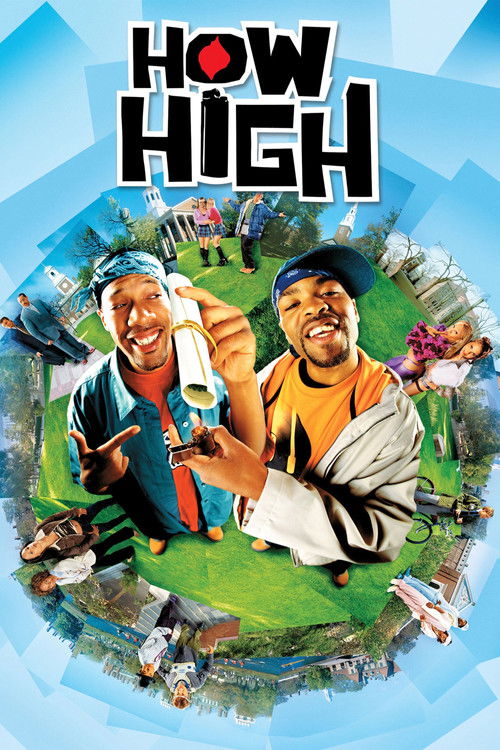
Silas et Jamal cultivent une variété de marijuana qui donne la possibilité à quiconque la consomme d'augmenter exponentiellement son Q.I.
How high
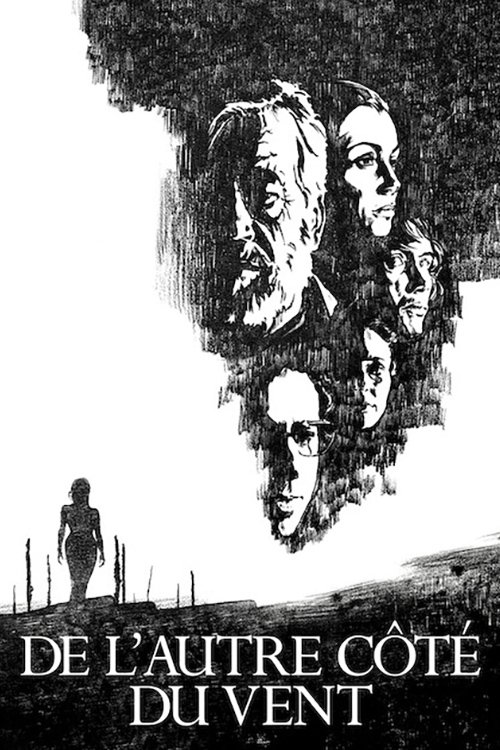
Restée inachevée pendant 40 ans, maintenant restaurée et enfin terminée, cette satire d'Orson Welles décrit les derniers jours d’un grand cinéaste qui tente un come-back.
De l'autre côté du vent
Documentaire intimiste tirant le portrait de l’acteur à travers sa carrière et sa vie de famille. Des témoignages de ses parents, Irina et Viktor, ainsi que des interviews de certains partenaires de jeu comme Jennifer Lawrence, Jodie Foster ou encore Kristen Stewart.
Love, Antosha
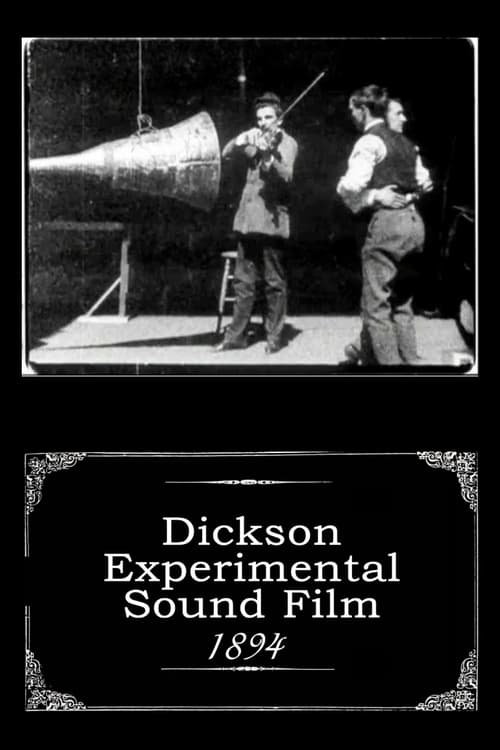
William K.L. Dickson plays the violin while two men dance. This is the oldest surviving sound film where sound is recorded on the phonograph.
Dickson Experimental Sound Film

En 1974, le réalisateur franco-chilien Alejandro Jodorowsky se lance dans le projet chimérique d'adapter au grand écran le roman influent de Frank Herbert, « Dune » (1969). Après avoir investi deux ans et des millions de dollars, ce projet gigantesque se solde par un échec ; mais les artistes réunis par Jodorowsky pour le mener à bien continuent à travailler ensemble et finissent par jeter les bases du cinéma de science-fiction moderne.
Jodorowsky's Dune
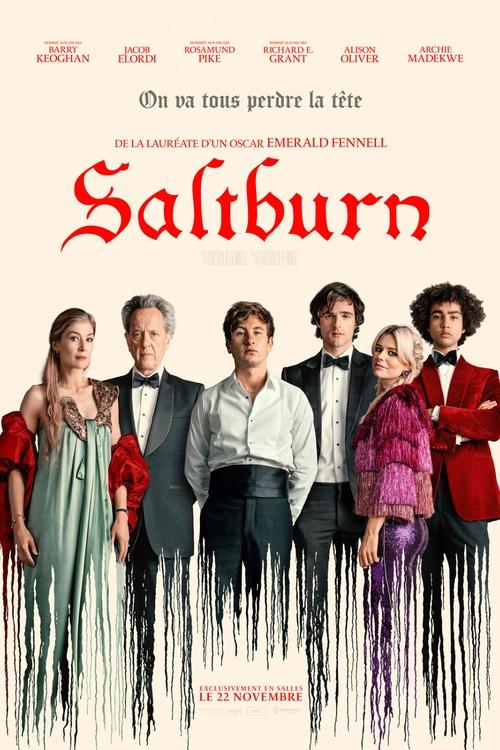
Oliver Quick étudiant à l'université d'Oxford, se retrouve entraîné dans l'univers du charmant et aristocratique Felix Catton, qui l'invite à Saltburn, le vaste domaine de sa famille excentrique, pour un été qui restera gravé dans les mémoires.
Saltburn
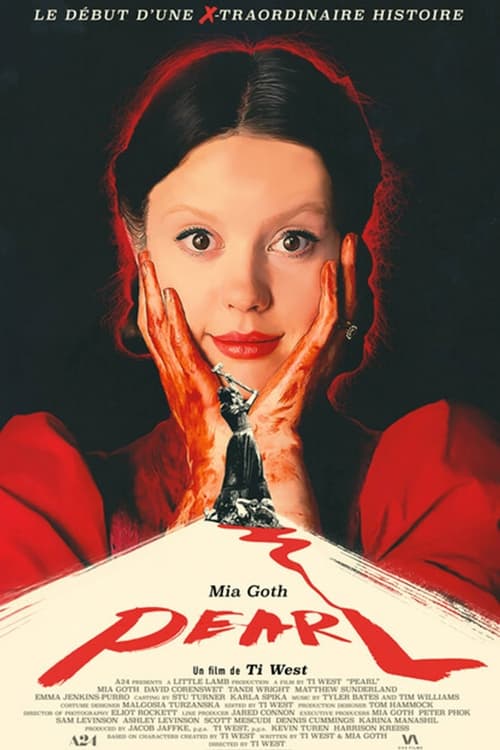
Piégée dans la ferme isolée de sa famille, Pearl doit s'occuper de son père malade sous le regard autoritaire de sa mère dévote. Désireuse de mener une vie glamour comme elle l'a vu dans les films, Pearl voit ses ambitions limitées... ce qu'elle n'apprécie pas du tout !
Pearl
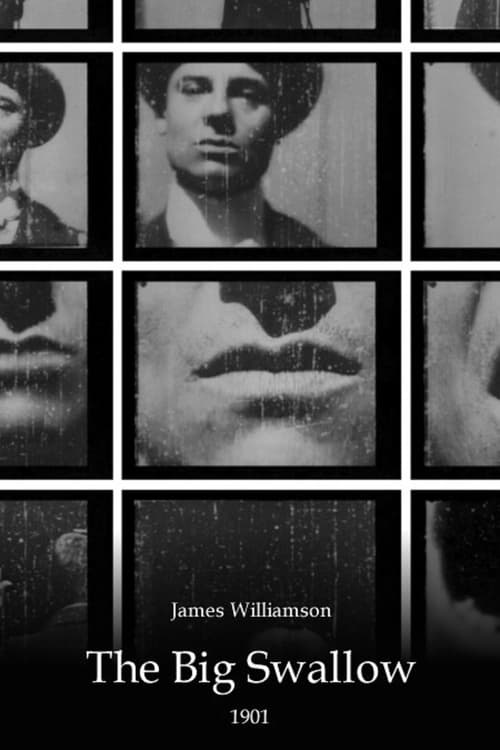
Un homme, irrité par la présence d'un photographe, l'avale.
The Big Swallow
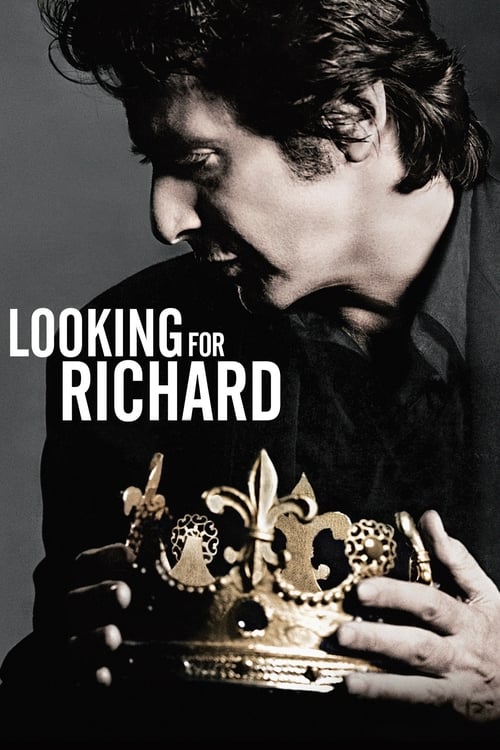
La rumination profondément ressentie d'Al Pacino sur la signification et la pertinence de Shakespeare pour le monde moderne à travers des interviews et une analyse approfondie de 'Richard III'.
Looking for Richard
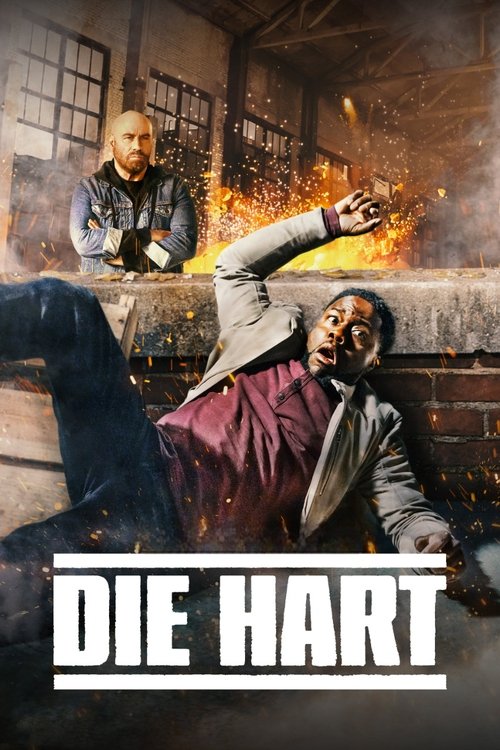
Kevin Hart, qui joue son propre rôle, se lance dans une quête périlleuse pour devenir une star de films d'action. Et avec l'aide de John Travolta, Nathalie Emmanuel et Josh Hartnett, il pourrait bien y parvenir.
Die Hart
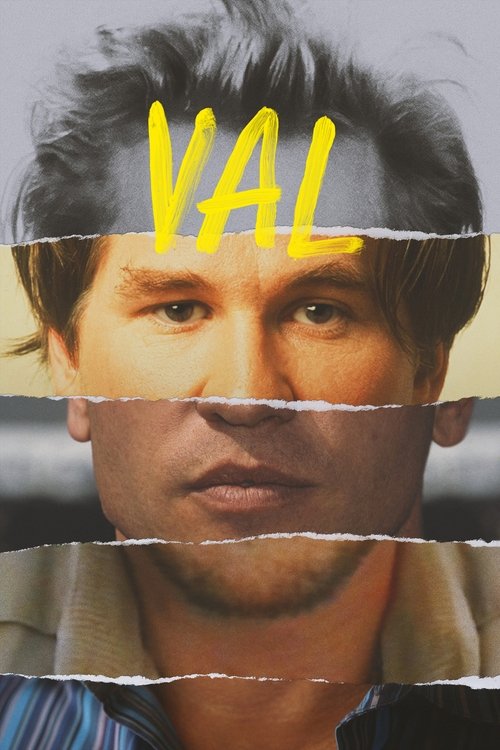
Depuis plus de 40 ans, Val Kilmer, l'un des acteurs les plus capricieux et/ou incompris d'Hollywood. En 2015, un cancer de la gorge l'astreint à des traitements. Mais s’il a survécu, les traitements ont eu raison de sa voix. Il ne peut plus s'exprimer que par courtes phrases qui restent à décrypter. Depuis l'enfance, ses deux frères, Wesley et Mark, Val a enregistré des films, vidéos avec leurs caméras. Des milliers d'heures de séquences, des films familiaux. C'est quand il eut perdu sa voix, qu'il eut le plus envie de se raconter. Documenter sa propre vie et son art à travers ces vidéos, la vie de Val en 109 minutes sonorisés par la voix de son fils, Jack Kilmer. Ce documentaire brut, follement original et sans faille révèle une vie vécue à l'extrême et un regard rempli de cœur, parfois hilarant, sur ce que signifie être un artiste et un homme complexe, surprenant, émouvant à découvrir.
Val
Avis & Notes
Connectez-vous pour donner votre avis
Partagez votre opinion avec la communauté.