Acting
No description available.
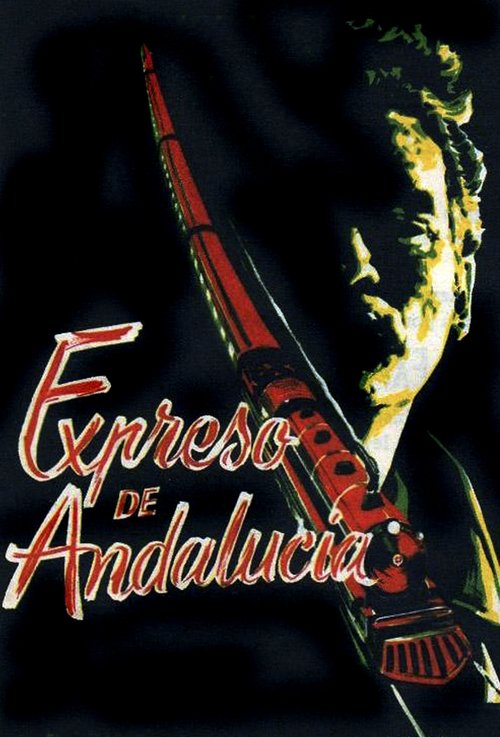
Three men plan a jewelry heist abroad the Andalusia express train.
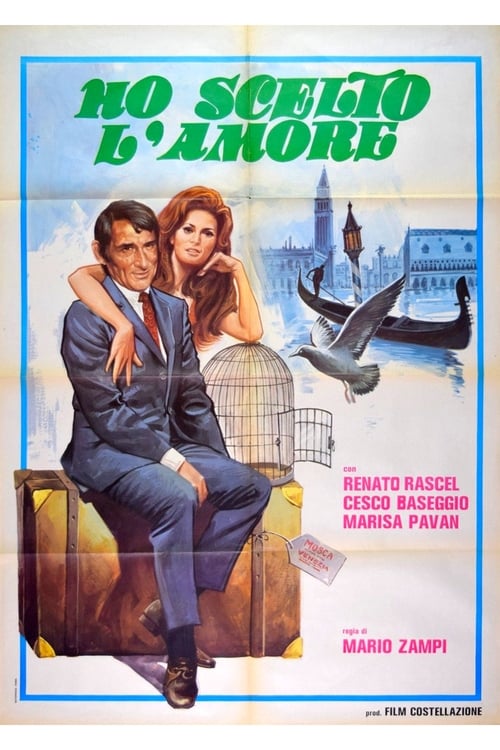
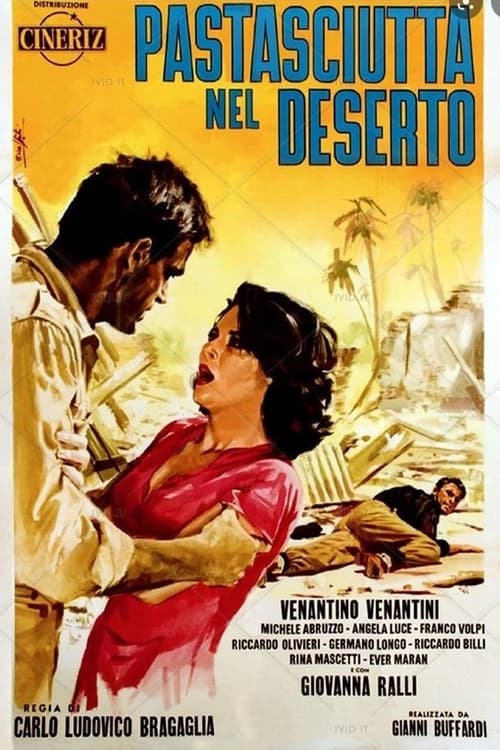
A satire of the Cold War, Italian style. Soviet flunkey Boris Popovitc is sent on a goodwill mission to Rome, where he is to deliver a symbolic dove of peace to a group of WW II freedom fighters. Somehow, Boris winds up in Venice minus the dove. As he searches up street and down canal for the missing bird, he meets and falls in love with luscious flower-girl Maria.
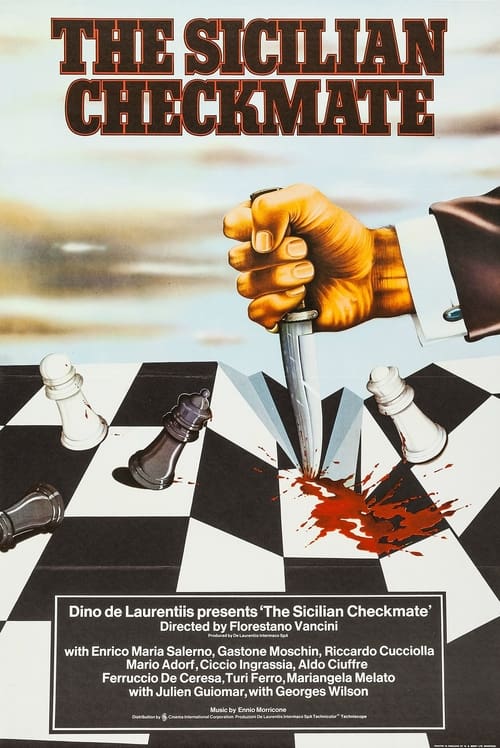
Taking place almost entirely during a murder trial, the film details in significant detail the deep roots sunk by organised crime into the business and political life of Sicily.
A group of Italians take a flight to Sweden: among them there are the tourists, and the immigrants.
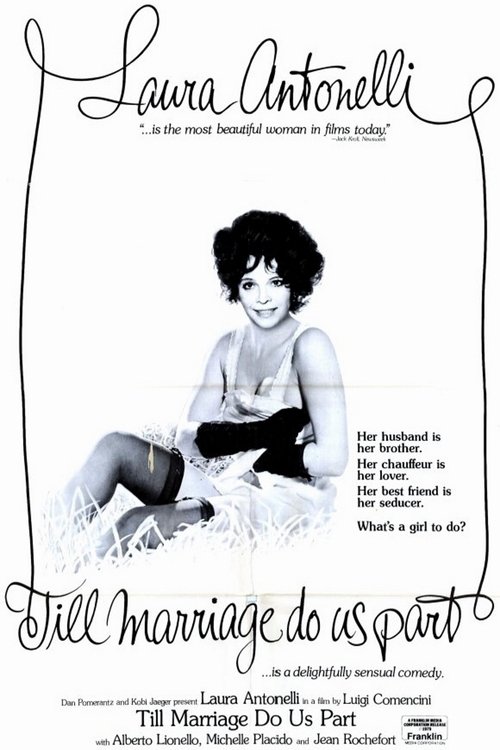
In early 20th-century Sicily, Eugenia Di Maqueda and Raimondo Corrao discover on their wedding night that they are brother and sister and therefore unable to consummate their marriage. For the sake of the family inheritance and honour, the two decide not to reveal the truth to anyone. In public, they will play the part of husband and wife, but in private they will live in absolute chastity as siblings. Meanwhile, the beautiful Eugenia’s urgent carnal desires become increasingly pressing...
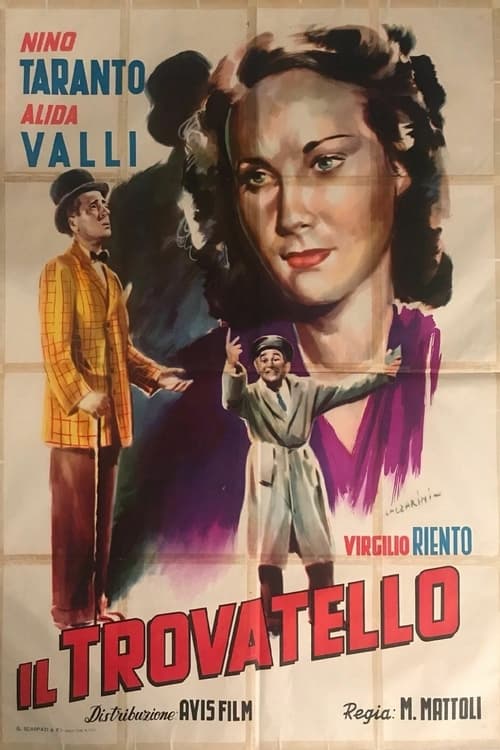
A taxi driver finds a baby in his cab after the mother accidentally leaves him behind.
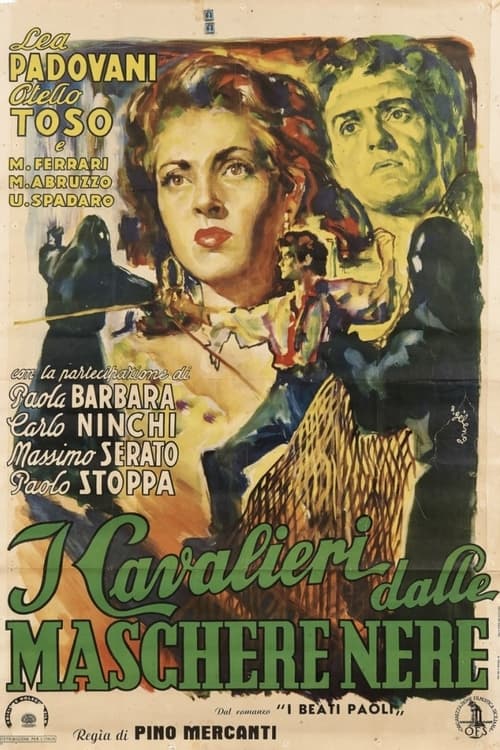
Sicily, 17th Century. When his fiancée is kidnapped, a young man sets out to find her.
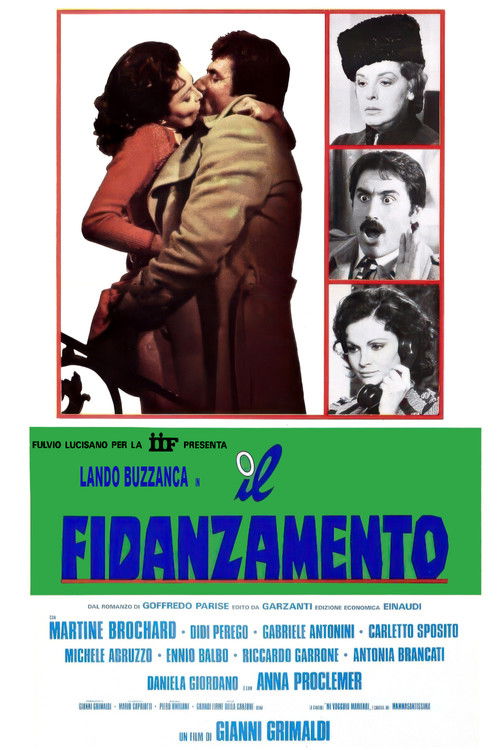
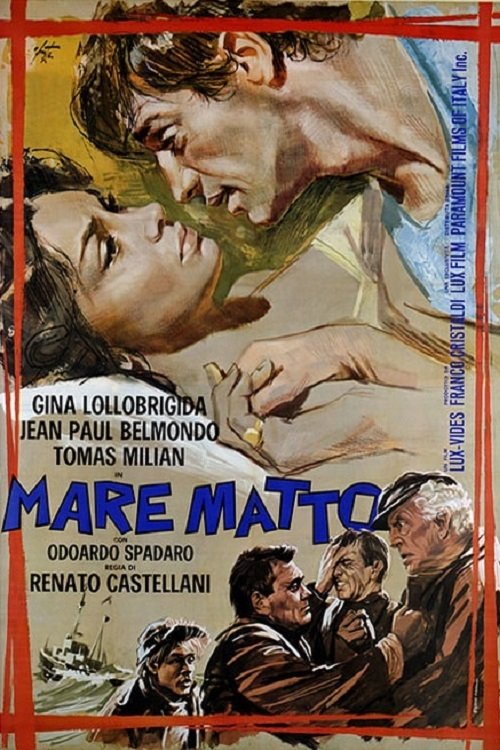
A pretty woman approaching middle age rents out rooms in a small Italian town. An aging sailor and a handsome younger man are amongst the lodgers.
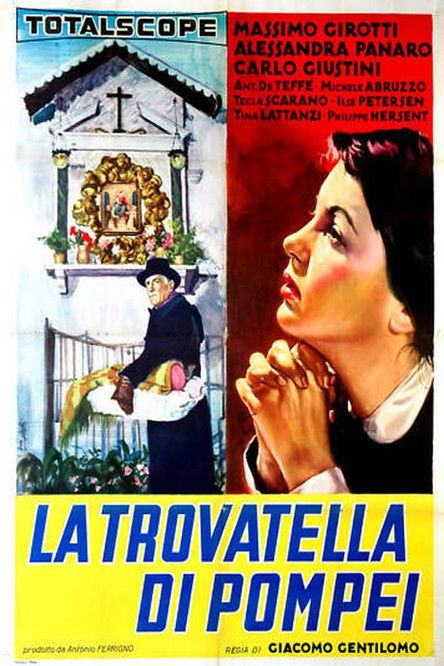
Maria, is a girl raised by the loving care of a poor couple but without knowing anything about her real parents. She is in love with Giorgio, a boy from a good family, who however has also aroused the interest of the intriguing Edvige who frequents bad company including jealous Roberto.
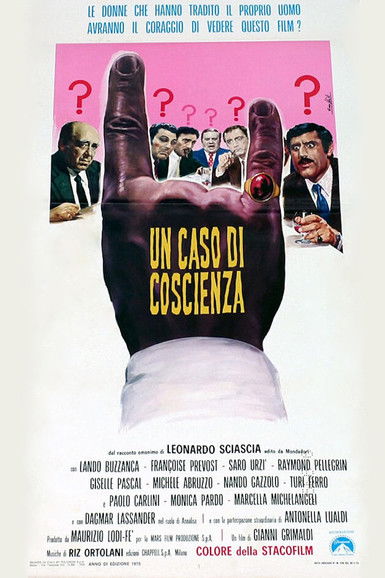
Discovering that a woman from their small town in Sicily cheated on her husband, a group of upper class men investigate and try to identify her.
Lost Dora Film production based on the songs "'O Festino" and "'A legge" by Pacifico Vento