Acting
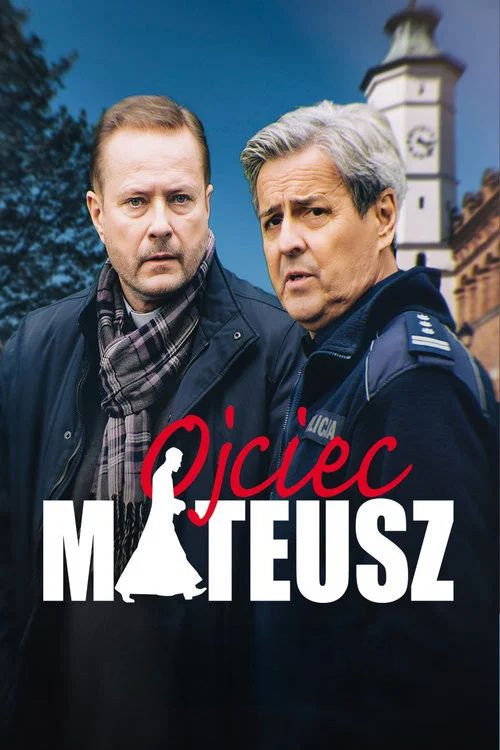
Father Matthew is about the adventures of a Roman Catholic priest who, after returning from a mission to Belarus, is sent to work in a small parish. As a pastor, together with a friendly policeman, he solves mysteries and gives help to his parishioners, as well as all those who are in need.
The true story of pianist Władysław Szpilman's experiences in Warsaw during the Nazi occupation. When the Jews of the city find themselves forced into a ghetto, Szpilman finds work playing in a café; and when his family is deported in 1942, he stays behind, works for a while as a laborer, and eventually goes into hiding in the ruins of the war-torn city.
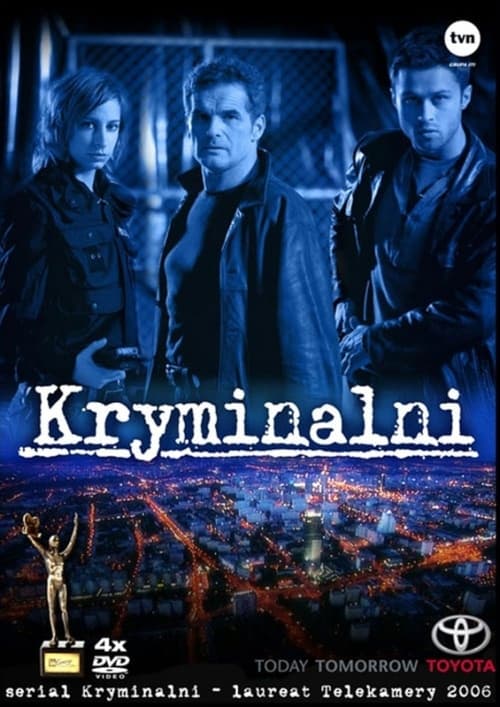
Kryminalni was a Polish crime drama television series that aired on TVN network from September 18, 2004 until May 24, 2008. It ran for 8 seasons and 101 episodes were broadcast in total. It was created by Polish director and screenwriter Piotr Wereśniak and produced by MTL Maxfilm studio. The series followed life and work of police officers from the elite Criminal Terror and Murders Division of the Warsaw Metropolitan Police; the title refers to police officers in the crime section. The three main characters were Adam Zawada, an experienced, tough cup, his younger colleague Marek Brodecki and Barbara Storosz, an ambitious female officer who in the first season joins the team just after graduating. Although none of the main actors had had star status before the series debuted, all three of them rose to prominence and popularity during the 5-year-long run. Many of Poland's best known actors guest starred, usually playing roles of people involved in just one particular investigation. The serial was one of the most popular in Poland: each week it had an audience of 4 million.
No description available.
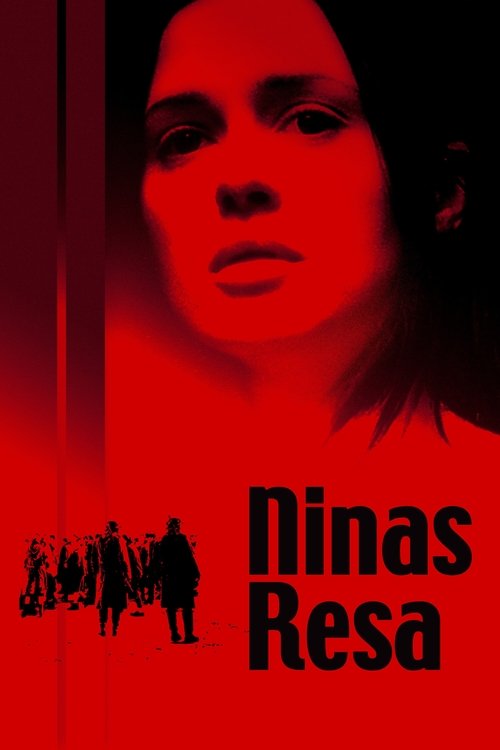
Nina's Journey is a feature film, but with an authentic narrator. We follow Nina and her family during six dramatic years, half of them spent in the Warsaw ghetto. The film tells the story of a young girl coming of age under extreme circumstances: Nina falls in love, goes to parties, and graduates high school - all in the Warsaw ghetto. One could say that, in these horrid times, she is almost living the life of a normal teenager. If it wasn't for the fact that all those around her are vanishing, one by one. Nina's Journey is shot in Warsaw, with Polish actors. But it is narrated by the elderly Nina Einhorn herself.
On the eve of the Day of the Dead, among mysterious old rituals of the Vilnius region, ghosts of the past and present start to appear.
Jan Sienkiewicz, a writer and lecturer who was expelled from university, takes a job at a Warsaw high school. Under his care comes the school's famous class of rebellious and knowledge-resistant outcasts. IIB are students from hell, and their future seems doomed. But Sienkiewicz, armed with literature, enthusiasm and a lot of unconventional ideas, will challenge the group doomed to exclusion. Will he be able to tame her and save her? A story about friendship, love, school madness and that everyone deserves another chance.
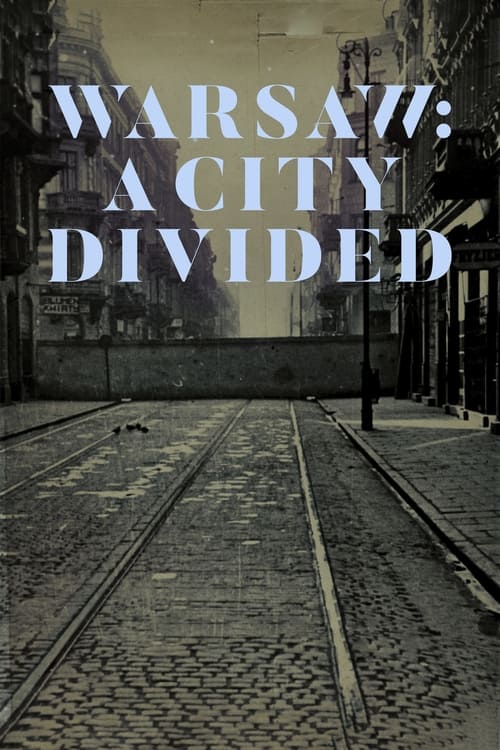
The history of the Warsaw Ghetto (1940-43) as seen from both sides of the wall, its legacy and its memory: new light on a tragic era of division, destruction and mass murder thanks to the testimony of survivors and the discovery of a ten-minute film shot by Polish amateur filmmaker Alfons Ziółkowski in 1941.
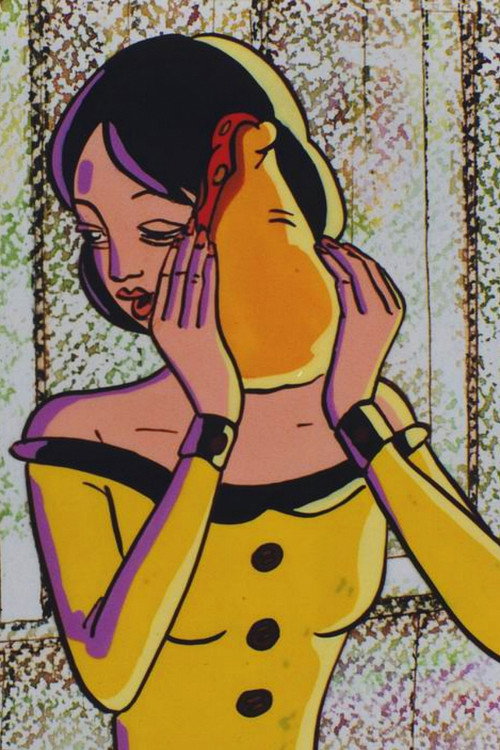
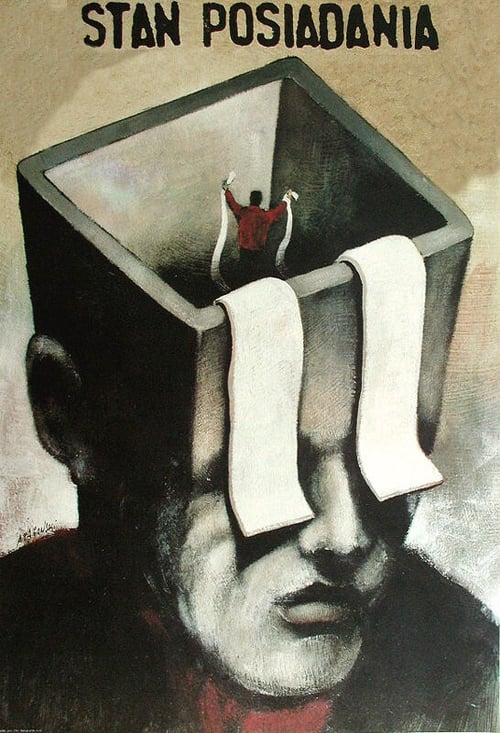
Ditto is an idealist. He does not, unlike Lina, his life companion, attach importance to the things around him. Lina, on the other hand, is captivated by objects and all her attention is focused on collecting them. One day all things revolt against Ditto. The objects complain to Lina that it is Ditto who mistreats them and Lina believes the objects. Ditto decides to turn himself into a thing to show Lina their true nature. However, the things are not malicious towards Lina. After a while, Ditto begins to understand that he has lost the war with things.
Difficulty of human relations in a 3-cornered tale: a neurotic woman, idealistic young man and his mother. Tomek is a clean-cut, high-minded geography student. He lives with his mother Zofia, a sensitive, practicing Catholic, like her son. When he meets Julia, a depressed woman older than he, he first tries to comfort her, then invites her to stay with him and his mother. Tomek makes a trip to West Berlin to visit his well-off father. He refuses to take money from him and looks for work as a house painter. Julia ends up in a rest home for treatment, while Tomek is trying to make their relationship work.
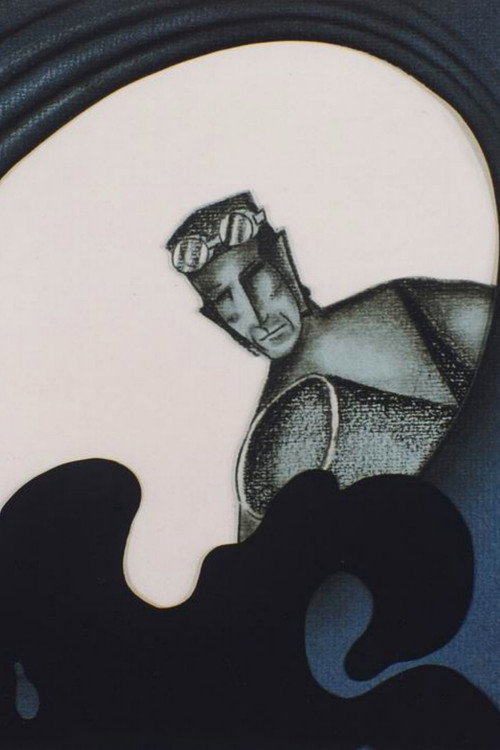
The brothers Ubi and Obi live in Lailonia in the city of Ruru. The authority over the city is held by the god Maior. The basic law of the god Maior is that everything for humans is at the bottom, what for the god is at the top. The brothers live according to the laws established by the god Maior, until Obi rebels against them. Soon the brothers separate and Obi dies. For breaking his laws, the god Maior sentences Obi to stay in hell. Ubi also dies, and since he always obeyed the god's laws, he goes to heaven. The brothers are separated even after death. Ubi is not happy in heaven and wants to go to hell. The god Maior, however, does not agree. A revolt breaks out in heaven. God Maior abdicates. From now on, the living and deceased residents of the city of Ruru have to fend for themselves.