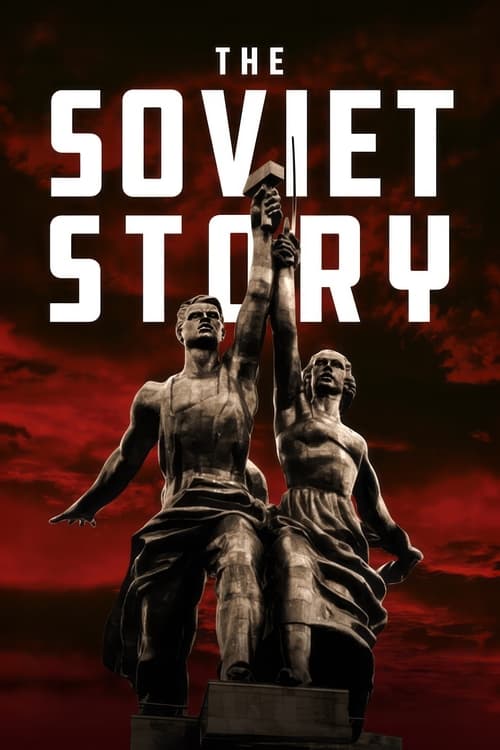
“The Soviet Story” is a story of an Allied power, which helped the Nazis to fight Jews and which slaughtered its own people on an industrial scale. Assisted by the West, this power triumphed on May 9th, 1945. Its crimes were made taboo, and the complete story of Europe’s most murderous regime has never been told. Until now...
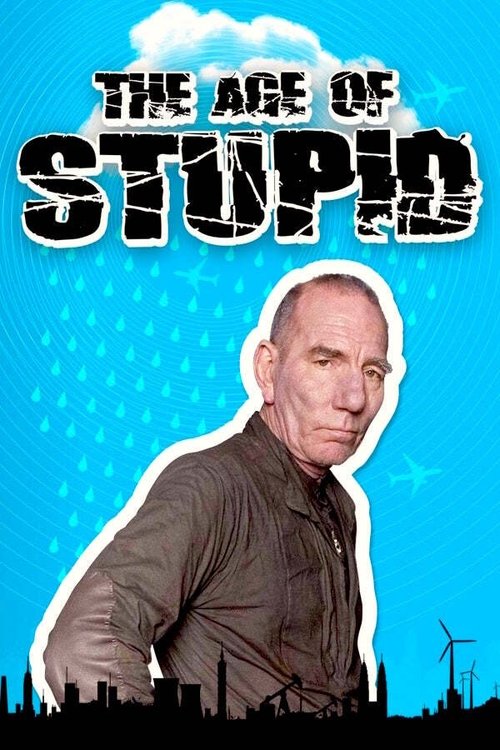
2055, un homme seul en haut d'une tour s'installe devant son ordinateur relié à l'ensemble des archives vidéo du monde. Face au monde dévasté qui l'entoure, il se pose la question suivante : pourquoi n'avons nous pas réagi lorsqu'il était encore temps ? Pour y répondre, il ouvre les archives de 2008.
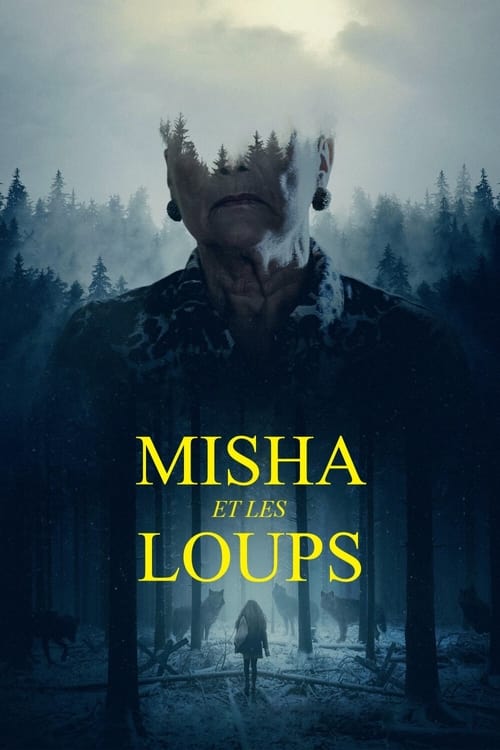
Dans un récit qui a fait sensation, Misha Defonseca disait avoir, enfant, traversé les forêts d’Europe pour retrouver ses parents déportés, survivant grâce à une meute de loups. Une mystification décryptée dans ce documentaire d’investigation passionnant. Une enquête d’investigation historique, menée à la manière d’un thriller sur une histoire trop belle pour être vraie.

En 1945, le cinéaste Alfred Hitchcock est engagé pour superviser le montage d'un documentaire produit par l'armée britannique sur la libération des camps de concentration nazis. Un film qui était destiné à montrer au peuple allemand les atrocités qui avaient été commises en son nom par les nazis. Une fois le film terminé, celui-ci fut cependant enterré pour des raisons politiques et jamais diffusé. Il fut alors simplement déposé à l'Imperial War Museum, à Londres, où dans les années 1980, les pellicules y ont été redécouvertes par un chercheur américain. Le film a fait l'objet d'une restauration complète respectant les choix du cinéaste. "Night Will Fall" retrace l’histoire de ce film pas fini, qui était connue longtemps sous le nom "The missing Hitchcock"...
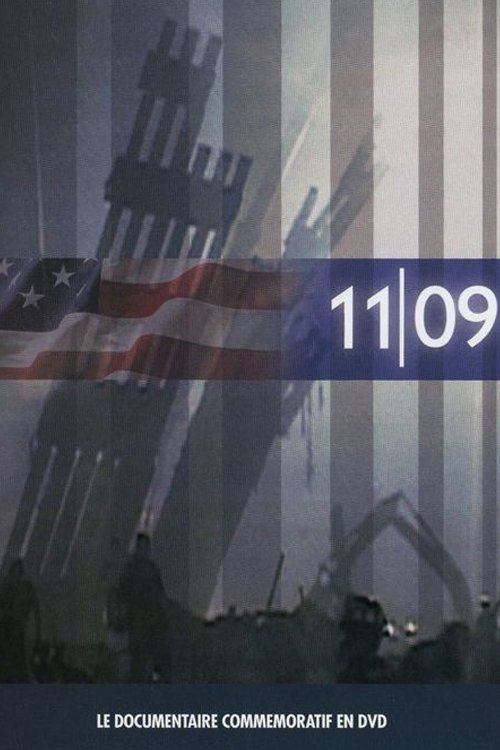
New York : 11 Septembre est un film documentaire sur les attentats du 11 septembre à New York, au cours desquels deux avions se sont écrasés sur les bâtiments du World Trade Center, entraînant leur destruction et la mort de près de 3 000 personnes. Le film est présenté du point de vue des pompiers de la ville de New York. Le film a été réalisé par les frères Jules et Gédéon Naudet et le pompier James Hanlon du FDNY.
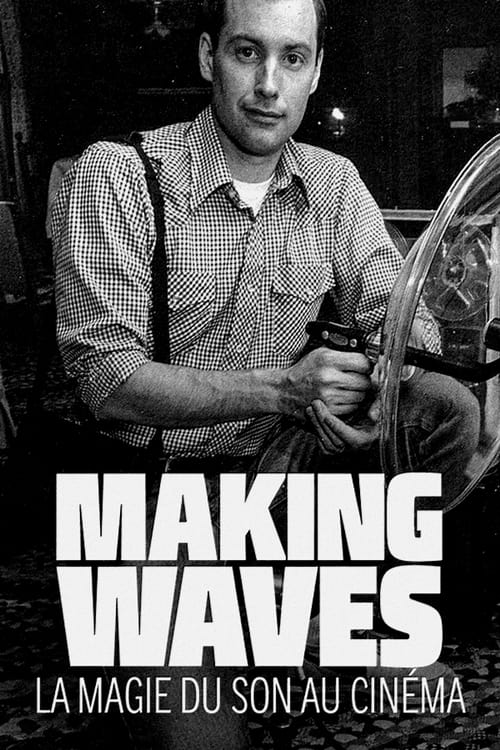
L'histoire du son au cinéma, racontée par des concepteurs sonores légendaires et des cinéastes visionnaires.
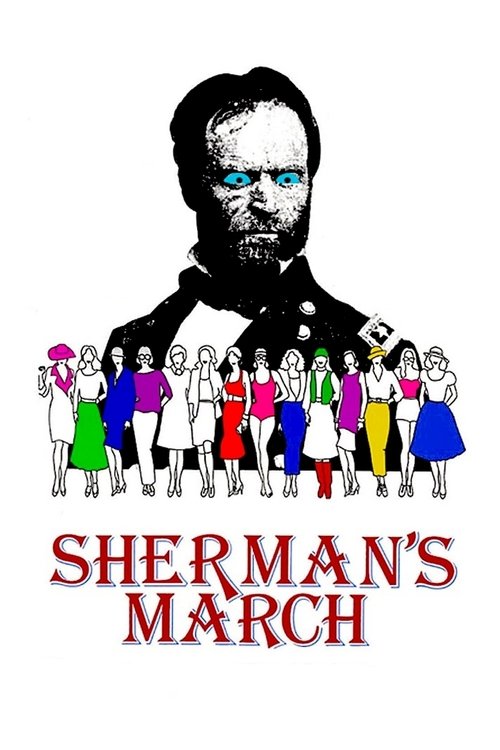
Ross McElwee sets out to make a documentary about the lingering effects of General Sherman's march of destruction through the South during the Civil War, but is continually sidetracked by women who come and go in his life, his recurring dreams of nuclear holocaust, and Burt Reynolds.
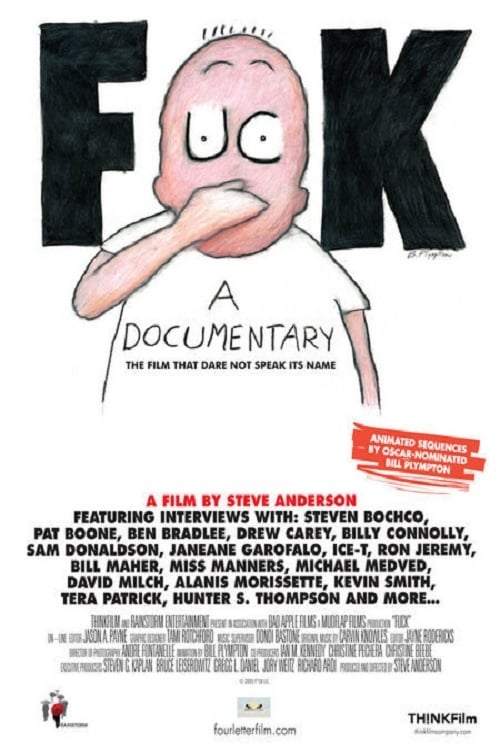
A documentary on the expletive's origin, why it offends some people so deeply, and what can be gained from its use.
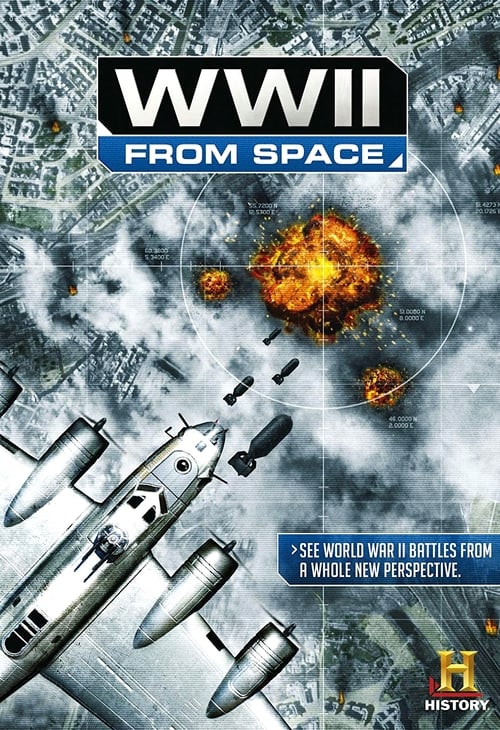
WWII from Space delivers World War II in a way you've never experienced it before. This HISTORY special uses an all-seeing CGI eye that offers a satellite view of the conflict, allowing you to experience it in a way that puts key events and tipping points in a global perspective. By re-creating groundbreaking moments that could never have been captured on camera, and by illustrating the importance of simultaneity and the hidden effects of crucial incidents, HISTORY presents the war's monumental moments in a never-before-seen context. And with new information brought to the forefront, you'll better understand how a nation ranked 19th in the world's militaries in 1939 emerged six years later as the planet's only atomic superpower.
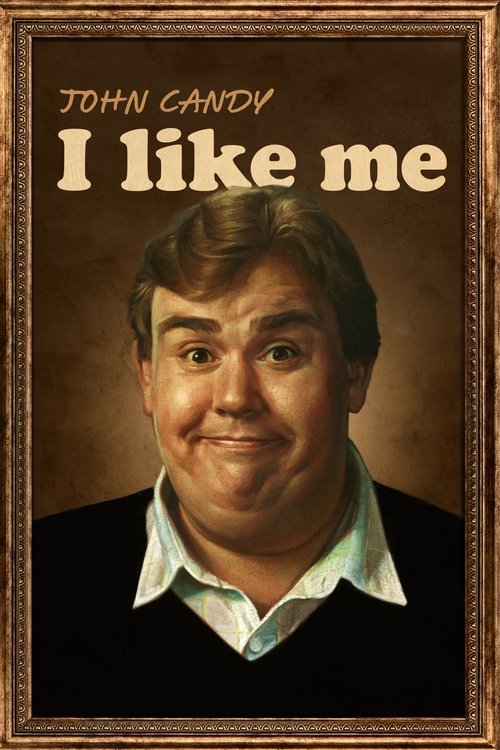
Réalisé par Colin Hanks et produit par Ryan Reynolds, John Candy: I Like Me donne la parole à ceux qui ont le mieux connu John. Ils racontent son histoire à leur façon à travers des films, des photos et des interviews d'archives inédites. C'est un documentaire sur la vie, la carrière et la disparition d'un des acteurs les plus aimés de tous les temps.
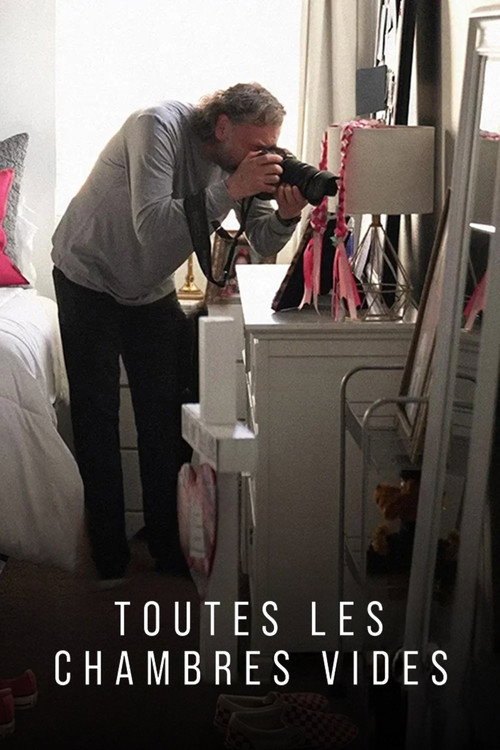
Un journaliste et un photographe mettent en lumière les chambres d'enfants tués lors de fusillades scolaires.
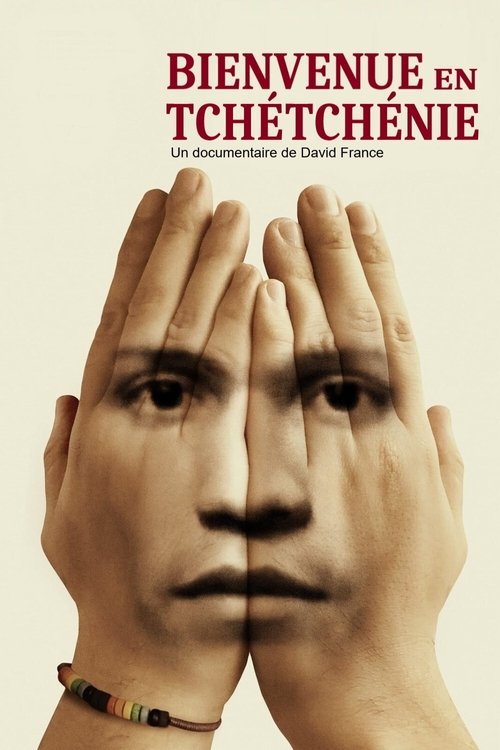
Aux côtés de victimes et d’activistes russes menant de périlleuses opérations d’exfiltration, un témoignage glaçant sur les persécutions de masse qui frappent les homosexuels en Tchétchénie.

The film follows adventurer Jeff Johnson as he retraces the epic 1968 journey of his heroes Yvon Chouinard and Doug Tompkins to Patagonia.
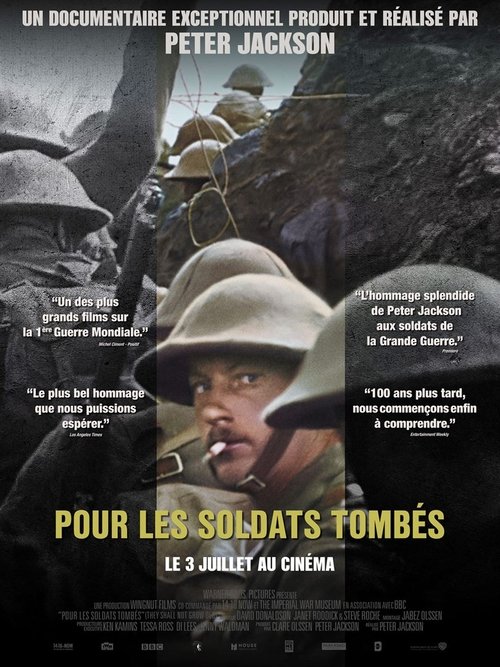
Entre 1914 et 1918, un conflit mondial change à jamais le cours de l’histoire. Les hommes et femmes qui y ont participé ne vivaient pas dans un monde silencieux, en noir et blanc. Un voyage dans le temps pour revivre l‘histoire avec ceux qui y étaient.
Ce documentaire examine les attentats à la bombe de Londres de 1999 qui ont visé les communautés noires, bangladaises et gays, et la course à la recherche de l'agresseur d'extrême droite. Il a terrorisé une ville, cherchant à déclencher une guerre raciale, mais la justice était rendue par ceux qui ne voulaient pas laisser sa haine l'emporter.
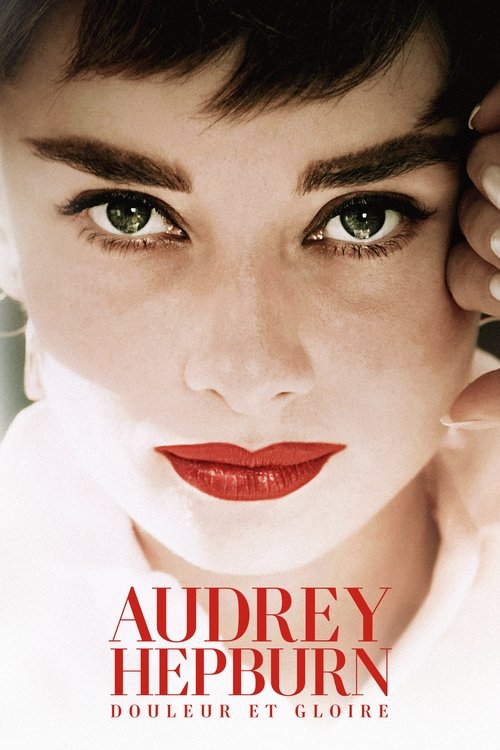
Un regard intime et sans précédent sur la vie, l'œuvre et l'héritage durable de l'actrice britannique Audrey Hepburn (1929-1993).
Moto GP Champions raconte le combat entre 6 des pilotes les plus rapides du monde pour la victoire en catégorie Moto GP sur les saisons 2011/2012/2013. À travers ces 3 saisons, découvrez la grande rivalité entre Valentino Rossi et Jorge Lorenzo, l'amitié magnifique entre Valentino Rossi et Marco Simoncelli et l'ascension phénoménale du jeune outsider Marc Marquez. Mais ce documentaire est aussi l'occasion de comprendre la relation passionnelle qui lie les pilotes, les équipes techniques et les légions de fans à l'esprit du GP Moto.
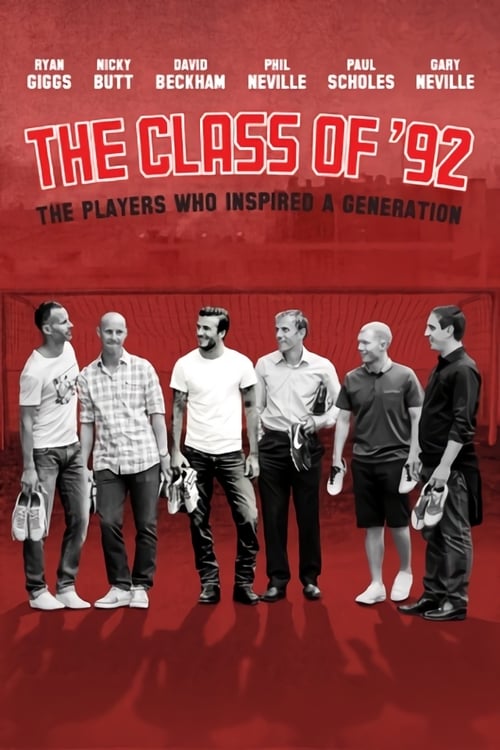
L'histoire de six garçons issus de la working-class anglaise de la banlieue de Manchester qui intègrent l'équipe de foot de leur ville en 1992.
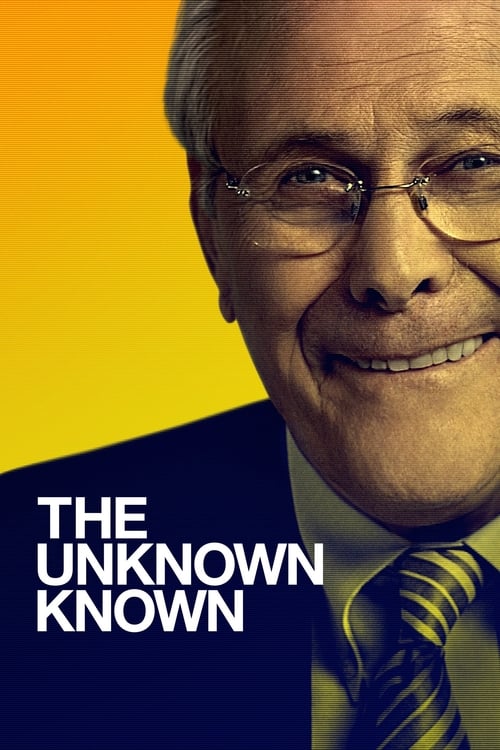
Former United States Secretary of Defense, Donald Rumsfeld, discusses his career in Washington D.C. from his days as a congressman in the early 1960s to planning the invasion of Iraq in 2003.
Un montage visuel de notre monde contemporain dominé par la technologie globalisé et la violence.
Connectez-vous pour donner votre avis
Partagez votre opinion avec la communauté.
Krystyna Budnicka
Self - Ghetto Inhabitant
Zygmunt Walkowski
Self - Photographer
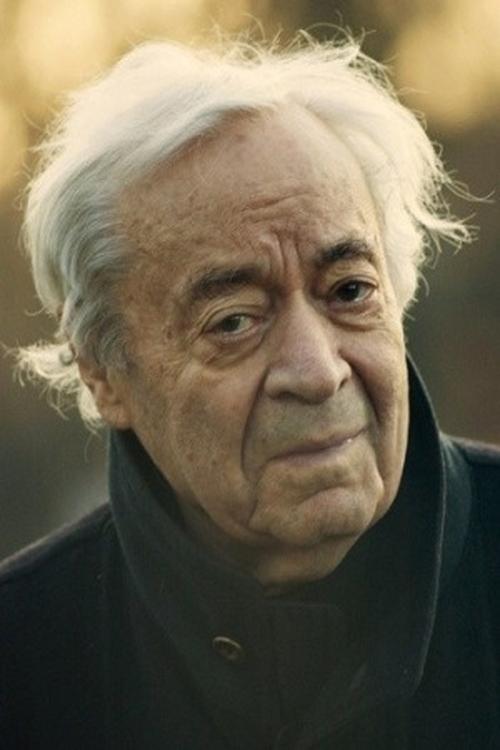
Józef Hen
Self - Writer
Irena Agata Bołdok
Self - Ghetto Inhabitant
Niels Gutschow
Self - Architecture Historian
Aleksandra Polisiewicz
Self - Artist
Michael Schudrich
Self - Chief Rabbi of Poland
Eleonora Bergman
Self - Architecture Historian
Jakub Szczęsny
Self - Architect
Beata Chomątowska
Self - Writer
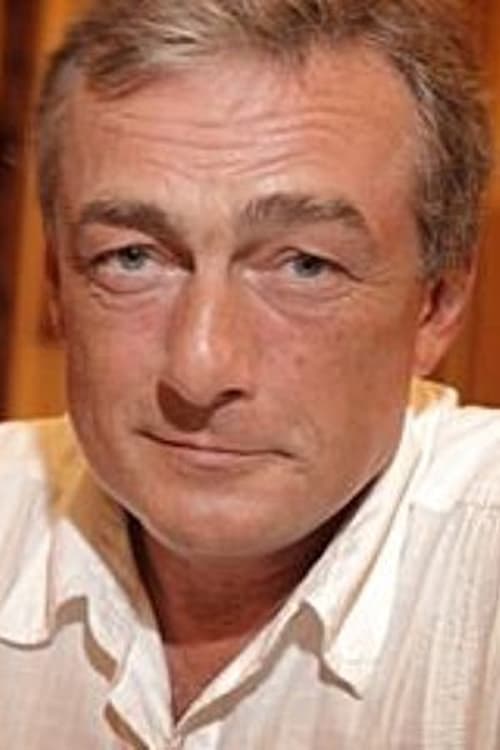
Adam Bauman
Self - Quote Reader (voice)
Justyna Gardzińska
Self - Quote Reader (voice)