Acting
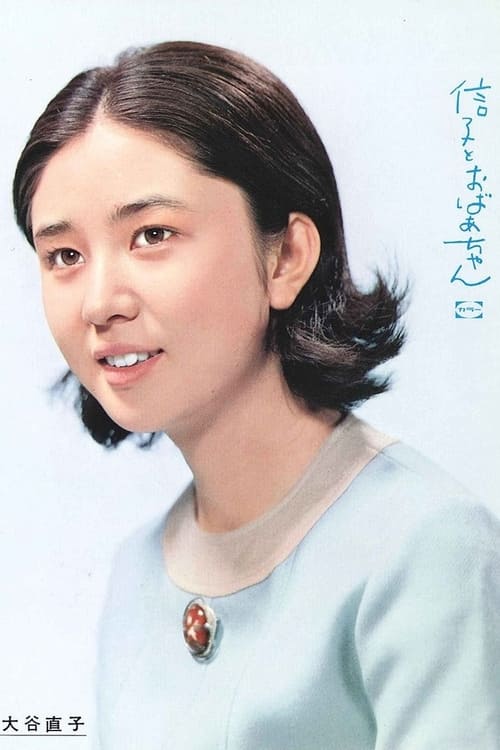
A television serial that was in turn adapted from a radio series and a novel, My Daughter And I featured a Japanese novelist who is married to a French woman who have one daughter. The man and his daughter begin a new life when the woman dies. Having difficulty spending time with his daughter, the man sends his daughter to a Christian boarding school. He remarries and brings his daughter back home. After the end of the World War his lot improves professionally, yet his second wife dies.
The 9th NHK Asadora. Starring Naoko Otani as a young woman living with her grandmother.
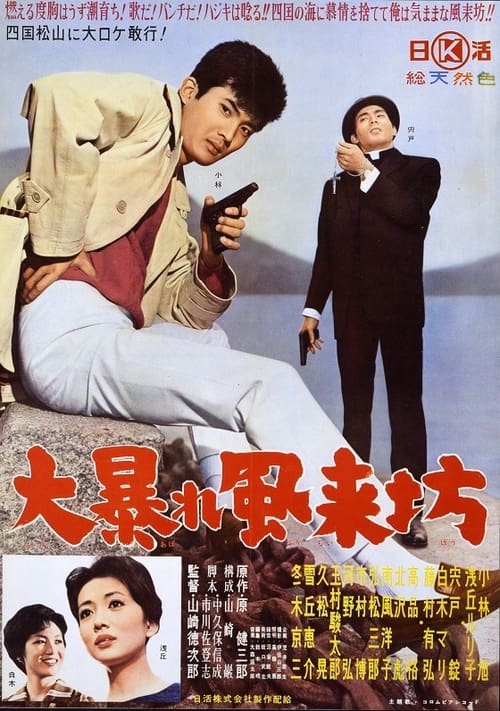
Fourth installment of Nikkatsu's "Drifter" series, with Kobayashi Akira.
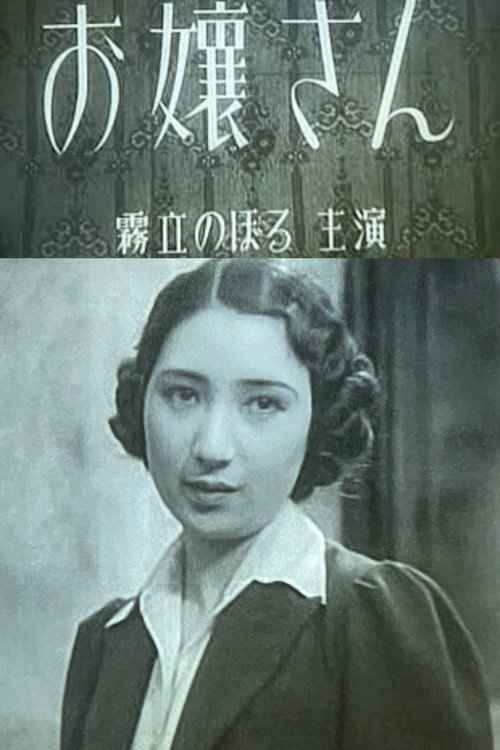
The story deas with the experiences of an exceptionally strong-willed, middle class Tokyo "ojōsan" who comes to teach in a middle school in the countryside.
No description available.
Following the detonation of the atomic bombs on Hiroshima and Nagasaki, the Japanese military and the government clash over the demand from the Allies for unconditional surrender. Minister of the Army Anami leads the military officers who propose to fight on, even to the death of every Japanese citizen. Emperor Hirohito, however, joins with his ministers in asking the unthinkable, the peaceful surrender of Japan. When the military plots a coup to overthrow the Emperor's civilian government, Anami must face the choice between his desires and loyalty to his Emperor.
A romance with political overtones about the relationship of a sheltered bourgeois woman and a doctor who devotes himself to caring for the poor. Over a ten-year period - from 1936 through the war - they find each other and are separated again by the events of those tumultuous days.
In 1887, two businessmen, Echigo-ya and Kitahara, compete for railroad construction authorization from the government. The minister states that a local noble must not object, and his missing younger brother is the only one who could sway him. Meanwhile, Omitsu, a hotel employee tired of Echigo-ya’s wife’s arrogance, teams up with Kitahara to stage a scheme where a vagrant young man pretends to be the noble’s lost brother, aiming to trick and embarrass the wealthy woman.
This movie depicts poor yet kind and modest people, focusing on sibling love.
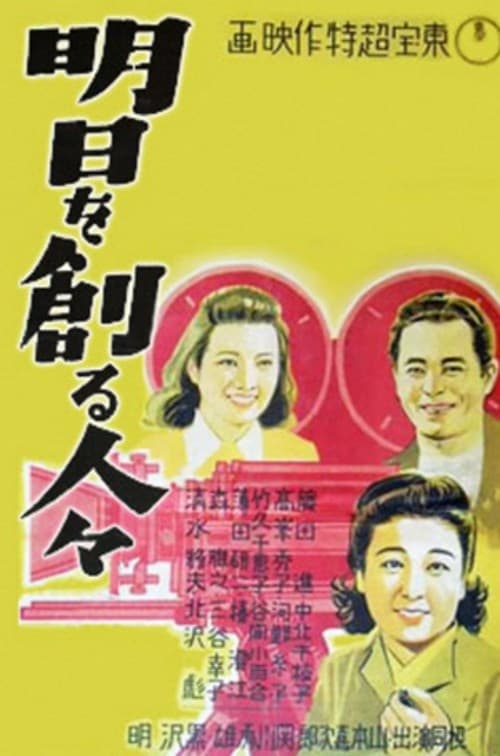
In postwar Japan, two sisters—a film studio script girl and a revue dancer—become swept up in the growing labor movement when workers around them strike for better conditions. As their conservative father opposes their activism, his own dismissal forces him to confront the realities of class struggle and join their fight for a fairer future. Now considered a lost film, Those Who Make Tomorrow was produced by Toho to promote unionization during Japan’s Allied Occupation.
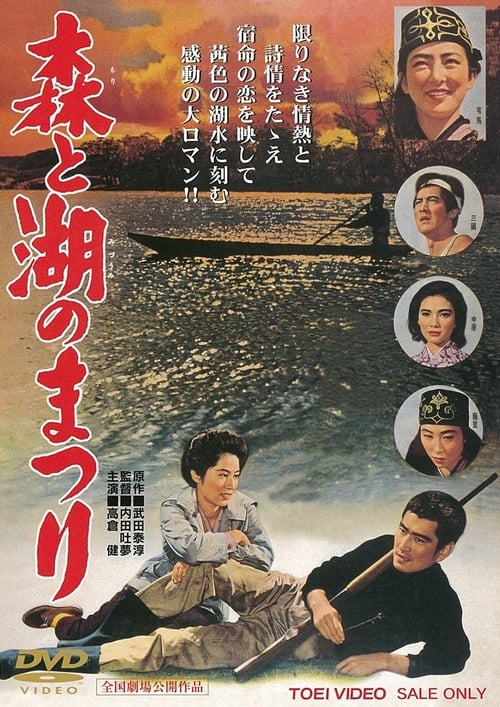
A drama about relations between Japanese immigrants and the indigenous Ainu on Hokkaido, the most northerly island of Japan. From a novel by Taijun Takeda.
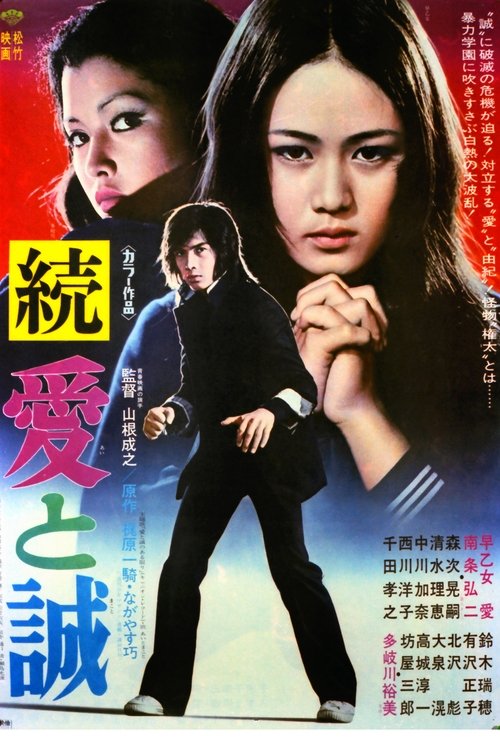
Meet Saotome Ai, a high school girl from a well-to-do family. When she was a small child, she was in an accident that resulted in a young boy being permanently scarred between his eyes while she emerged unscathed. The young boy saved her life and although she never knew who he was, she never forgot him. Meet Taiga Makoto, a young man with a scar between his eyes who has had a rough life, but has emerged as a rough, tough bully - a thug and a brawler and about as rude as they come - all of which he blames on the incident that gave him his scar. When Ai and Makoto run into each other again, Ai feels guilt for what Makoto has become and decides to intervene and rehabilitate him. But is he a diamond in the rough, or just a bully?
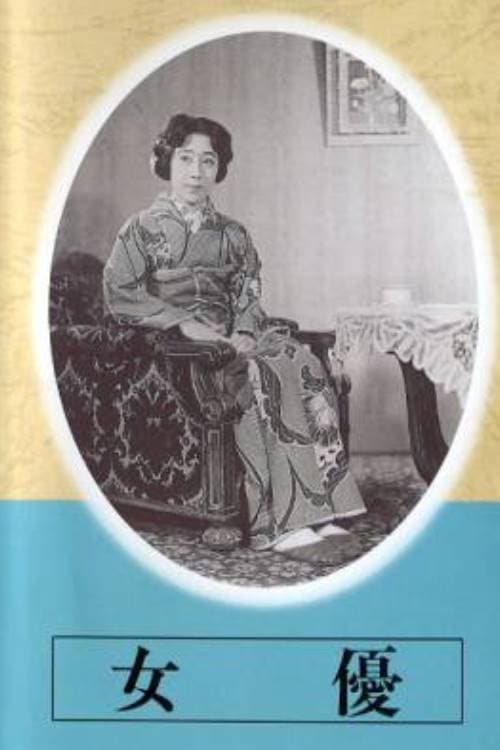
During the late Meiji period, at the beginning of the twentieth century, Sumako, a country girl, becomes a great actress with the help of Hogetsu, a scholar who brought European realism to the Japanese stage. The relationship leads to the end of his marriage and the breakup of his Arts Society.
A picture-story-show operator, accompanies her son, Akira, who lives apart from her, to a hot-spring medical treatment and spend a moment of brief happiness together, but eventually the time comes to say goodbye. The portrayal of the children and the atmosphere of the hot spring resort shine through in this film about a mother by master filmmaker Hiroshi Shimizu.
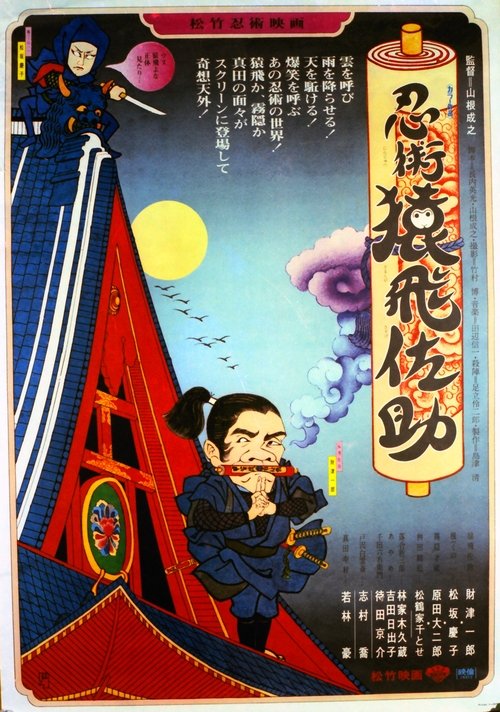
A period comedy set at the end of the Sengoku Period about Sasuke Saruhi, a middle-aged ninja.
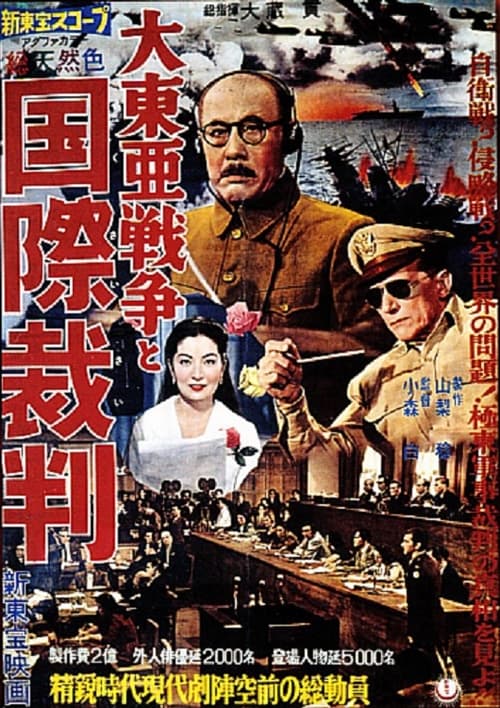
In 1941, overpopulated Japan faces an economic boycott and its armed forces push further to the south. And despite negotiations between Japan and the U. S. A. war is declared with the attack on Pearl Harbour. Victories follow for Japan on land and sea and her forces push forward to the borders of India. But gradually the tide turns in favour of the Allies and after the atom bombings of Hiroshima and Nagasaki, Japan is compelled to accept the Potsdam Declaration and by the order of the Emperor agrees to unconditional surrender. Under the supervision of the occupation forces the International Military Tribunal opens in Tokyo to try the Japanese war leaders. Established in the cause of justice, and to prevent future aggressive wars the trials drag on for two and a half years. And on December 23, 1948, General Tojo and six other war leaders mount the thirteen steps to the gallows at Tokyo's Sugamo prison.
1941 Toho adaptation of Natsume's novel.
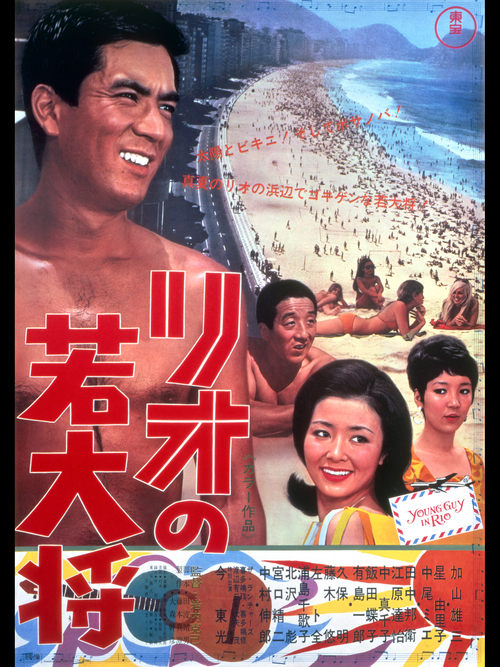
Yuzo Kayama is captain of the Fencing team and visits Brazil to work in the shipyards with his professor. There he meets his beautiful daughter (Mie Nakao) and a tour guide (Yuriko Hoshi), but his work and his band, The Ranchers, keep him busy.
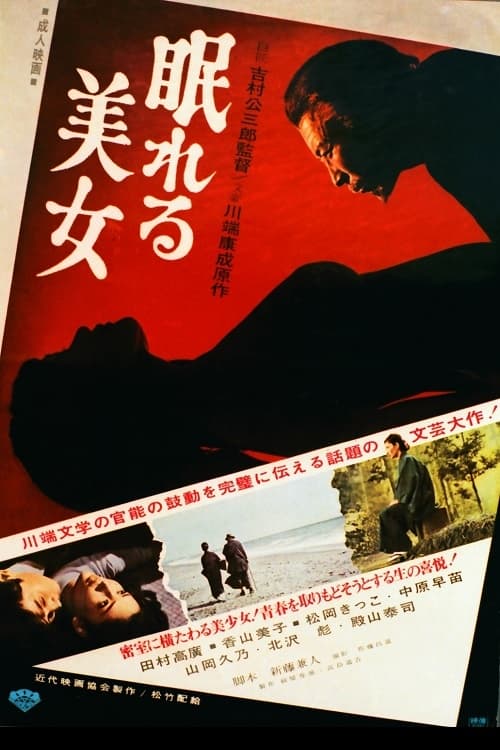
About an establishment where old men pay to sleep besides young girls that had been narcotized and happen to be naked, the sleeping beauties. The old men are expected to take sleeping pills and share the bed for a whole night with a girl without attempting anything of bad taste like putting a finger inside their mouths.